

Sea turtles are remarkable creatures that have captured the fascination of scientists, conservationists, and nature enthusiasts alike. These marine reptiles are known for their incredible ability to navigate across vast stretches of ocean, returning to the same beach where they were born to lay their eggs. This incredible journey is a testament to their endurance and instinctual navigation skills. Let’s dive deeper into the fascinating world of sea turtles and explore the secrets behind their long-distance migrations.
The Ancient Mariners

Sea turtles have roamed the world’s oceans for millions of years, with their ancestors dating back to the time of the dinosaurs. Today, there are seven species of sea turtles, each with unique characteristics but sharing a similar life cycle that involves long migrations and strong ties to nesting beaches.
Navigational Prowess

The ability of sea turtles to navigate across thousands of miles of open ocean to return precisely to their birthplace is nothing short of miraculous. Researchers believe that sea turtles rely on the Earth’s magnetic fields as a natural compass. This geomagnetic imprinting allows them to traverse the vast blue expanse with uncanny precision.
Critical Nesting Habitats

Nesting beaches are vital for the survival of sea turtle species. These locations provide the ideal conditions for laying eggs and ensuring the continuation of their lineage. Unfortunately, many of these crucial habitats are under threat from human activities and climate change, highlighting the importance of conservation efforts.
A Life on the Move

From the moment they hatch, sea turtles are on a continuous journey. Hatchlings make a treacherous dash from the beach to the ocean, where they will spend years in the open sea before returning to coastal areas as adults. Their lives are defined by constant movement, driven by the need to feed, grow, and eventually reproduce.
Feeding and Survival
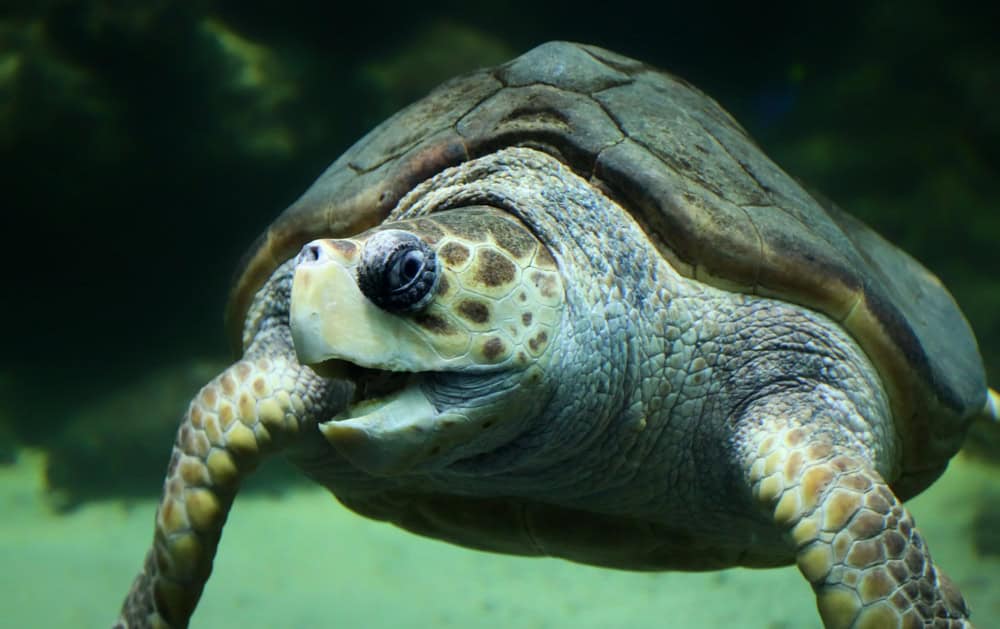
Sea turtles have diverse diets, ranging from jellyfish and mollusks to seaweed and sponges, depending on their species. Their feeding habits play a crucial role in marine ecosystems, helping to maintain the health of seagrass beds and coral reefs, which are essential for the ocean’s biodiversity.
Threats and Challenges

Despite their resilience, sea turtles face numerous threats from human activities, including habitat destruction, pollution, and poaching. Bycatch in fishing gear is also a significant risk, leading to accidental capture and death. These challenges threaten their populations worldwide, making conservation efforts more critical than ever.
Conservation and Protection

Various international and local organizations are working tirelessly to conserve sea turtle populations. Efforts include protecting nesting beaches, regulating fisheries to prevent bycatch, and educating the public about the importance of preserving these majestic creatures. Legal protection under treaties like CITES also plays a vital role in their conservation.
Climate Change Impacts
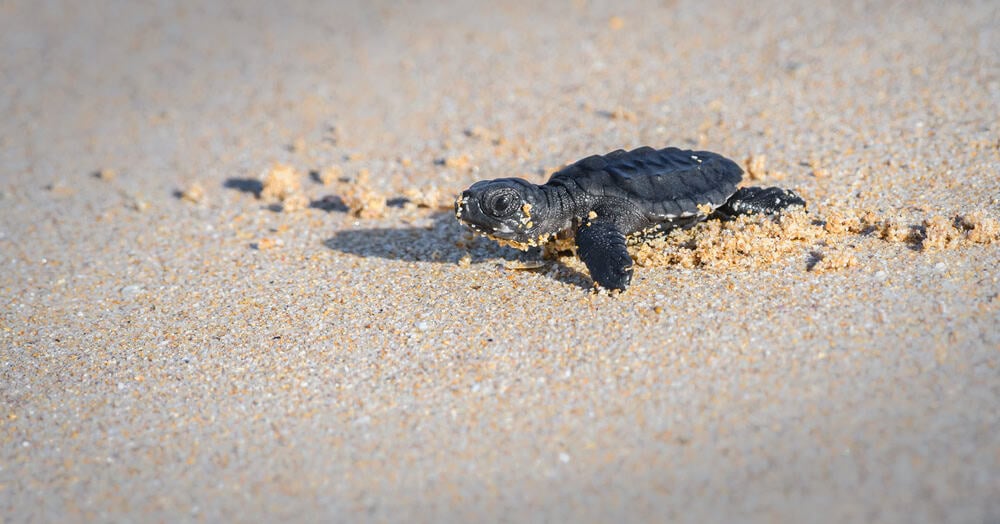
Rising sea levels, increased storm frequency, and temperature shifts due to climate change pose additional threats to sea turtles. These changes can affect nesting sites and hatchling survival rates, as the sex of turtle hatchlings is temperature-dependent, potentially leading to skewed sex ratios.
Magnetic Field Dependence

Research has shown that sea turtles have the remarkable ability to detect magnetic fields, which aids in their navigation. This sensory perception is thought to be finely tuned, allowing turtles to create and follow a mental map of the geomagnetic landscape as they migrate.
The Role of Hatchlings

Hatchlings play a crucial role in the lifecycle of sea turtles. Despite facing immense challenges right from birth, they contribute to the genetic diversity and resilience of populations. Their survival rates are low, with only a tiny percentage reaching adulthood, but those that do continue the species’ legacy.
The Importance of Community Involvement

Community involvement in conservation is essential to ensure the sustainability of sea turtle populations. Local communities living near nesting sites can play a vital role in protecting turtles by monitoring beaches, reducing light pollution, and participating in sustainable tourism activities.
The Future of Sea Turtles

The future of sea turtles depends on concerted global efforts to address threats and promote conservation. Collaborative approaches involving governments, NGOs, scientists, and local communities are necessary to protect these magnificent creatures and ensure that they continue their ancient migrations for millennia to come.
In the grand tapestry of marine life, sea turtles are one of the most remarkable threads, weaving a narrative of endurance, adaptability, and survival. Their annual pilgrimage to natal beaches is a poignant reminder of nature’s wonders and the delicate balance required to sustain life. Protecting sea turtles is more than just preserving a species; it’s about safeguarding the health of our oceans and the planet. Through increased awareness and dedicated conservation actions, we can ensure that future generations will witness the awe-inspiring return of these ocean travelers to their traditional nesting grounds.

- The Secret Language of Dolphins Decoded by Researchers - July 20, 2026
- 7 Animals That Can Survive Extreme Environments You Couldn’t - July 20, 2026
- The Longest Snake Ever Found in the U.S. - July 20, 2026