
Moths, often overshadowed by their flamboyant relatives, the butterflies, possess an equally fascinating array of abilities that ensure their survival in the wild. Among these, their exceptional hearing capabilities stand out, allowing them to evade their natural predator, bats, with striking effectiveness. This intriguing adaptation not only highlights the moths’ evolutionary brilliance but also adds an inspiring chapter to the dynamic relationship between predator and prey.
Understanding the Threat: Bats and Echolocation

Bats, especially those that hunt at night, rely heavily on echolocation to navigate and find prey. This sophisticated biological sonar involves emitting sound waves that bounce off objects and return as echoes, revealing the objects’ location and size. Moths, being nocturnal creatures, are prime targets for these skilled predators. However, evolution has equipped moths with their own set of tools to counter this ever-present threat.
The Moth’s Remarkable Hearing Abilities
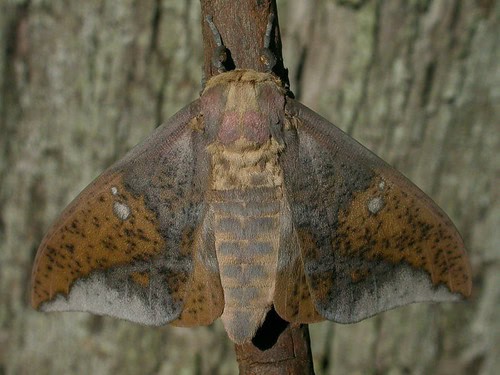
Among insects, moths are unique in their ability to detect sound frequencies used in bat echolocation. Some species of moths can hear frequencies as high as 300 kHz, beyond the range of most other animals. This acute hearing allows moths to detect bats from significant distances, giving them crucial time to employ defensive strategies.
A Closer Look: The Moth’s Ear Anatomy

The moth’s ability to hear is thanks to a pair of specialized ears called tympanal organs. These are located on either side of the thorax. The organs can detect minute changes in air pressure, allowing moths to pick up on the high-frequency sounds emitted by hunting bats. This sensitive hearing mechanism serves as an early warning system against approaching predators.
Evolution’s Gift: Moth Auditory Adaptations
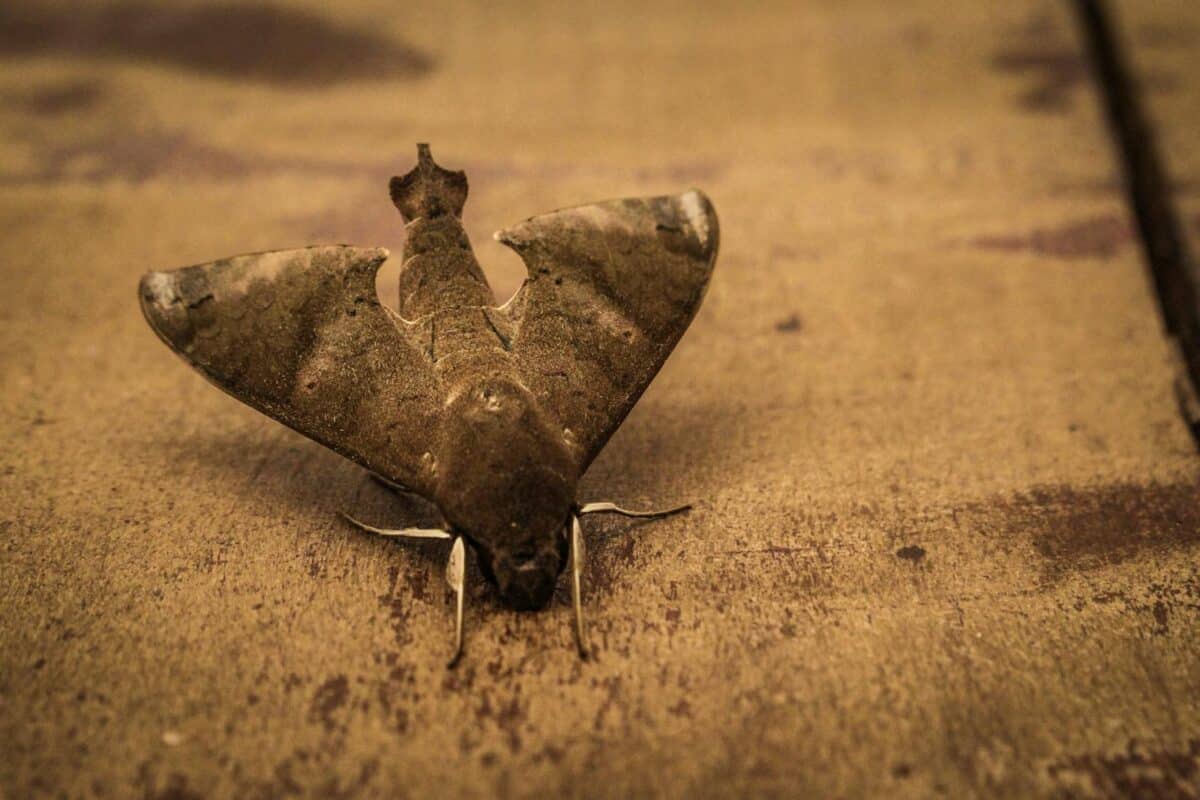
Over time, certain species of moths have evolved to tune their hearing specifically to the echolocation calls of the local bat species. This means that a moth’s auditory defenses are not only sensitive but also highly specialized, providing the best possible chance of survival against regional threats.
The Genius Defense: Evasive Maneuvers
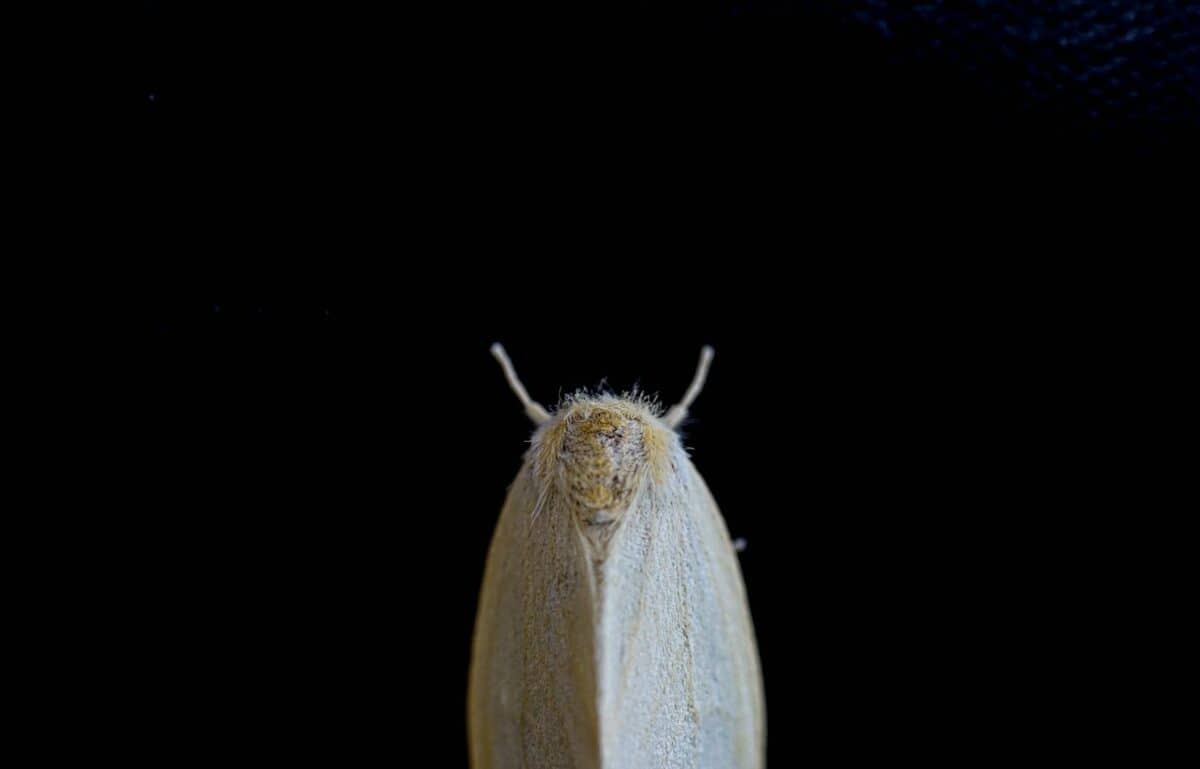
When a moth detects the ultrasonic calls of a bat, it initiates a series of evasive maneuvers to avoid capture. This often includes erratic flight patterns designed to confuse the bat or diving rapidly towards the ground. Such unpredictable movements make it challenging for bats to pinpoint their prey.
Jamming Echolocation: A Moth’s Counterattack

Some moth species have developed even more sophisticated defenses, such as the ability to produce their own ultrasonic clicks. These sounds can interfere with the bat’s echolocation, effectively jamming their radar and making it difficult for the predator to lock onto the moth’s position.
Defense by Camouflage: Blending Into the Night
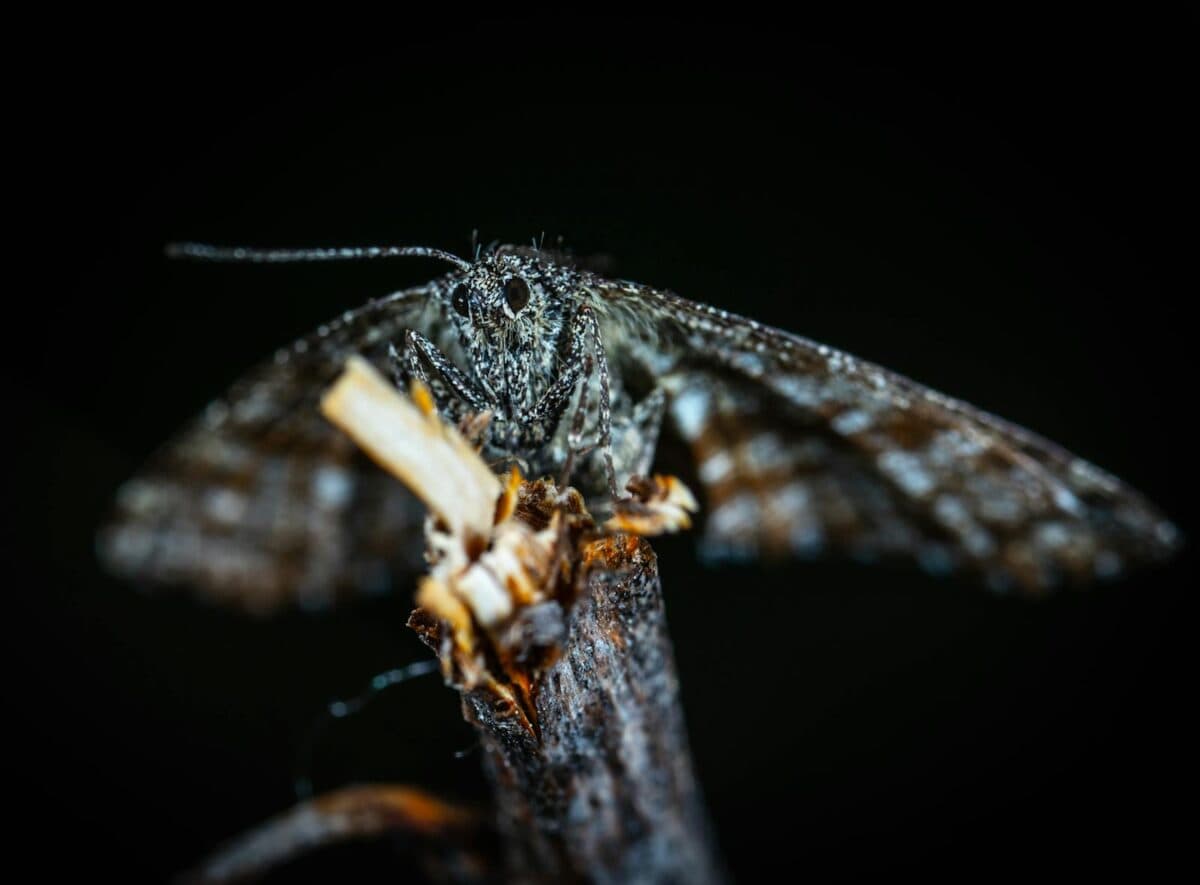
Aside from auditory defenses, many moths also rely on visual camouflage. Their muted color palettes help them blend into their surroundings during the day when they rest, minimizing the likelihood of being spotted by diurnal predators. This camouflage extends to avoiding nocturnal predators as well.
Learning from Experience: Adaptive Behavior

Moths are capable of learning from past encounters with bats. They adapt their flight behaviors based on previous experiences, sometimes opting for different strategies if one approach proves unsuccessful. This behavioral flexibility enhances their survival odds in a constantly changing environment.
The Co-evolutionary Arms Race
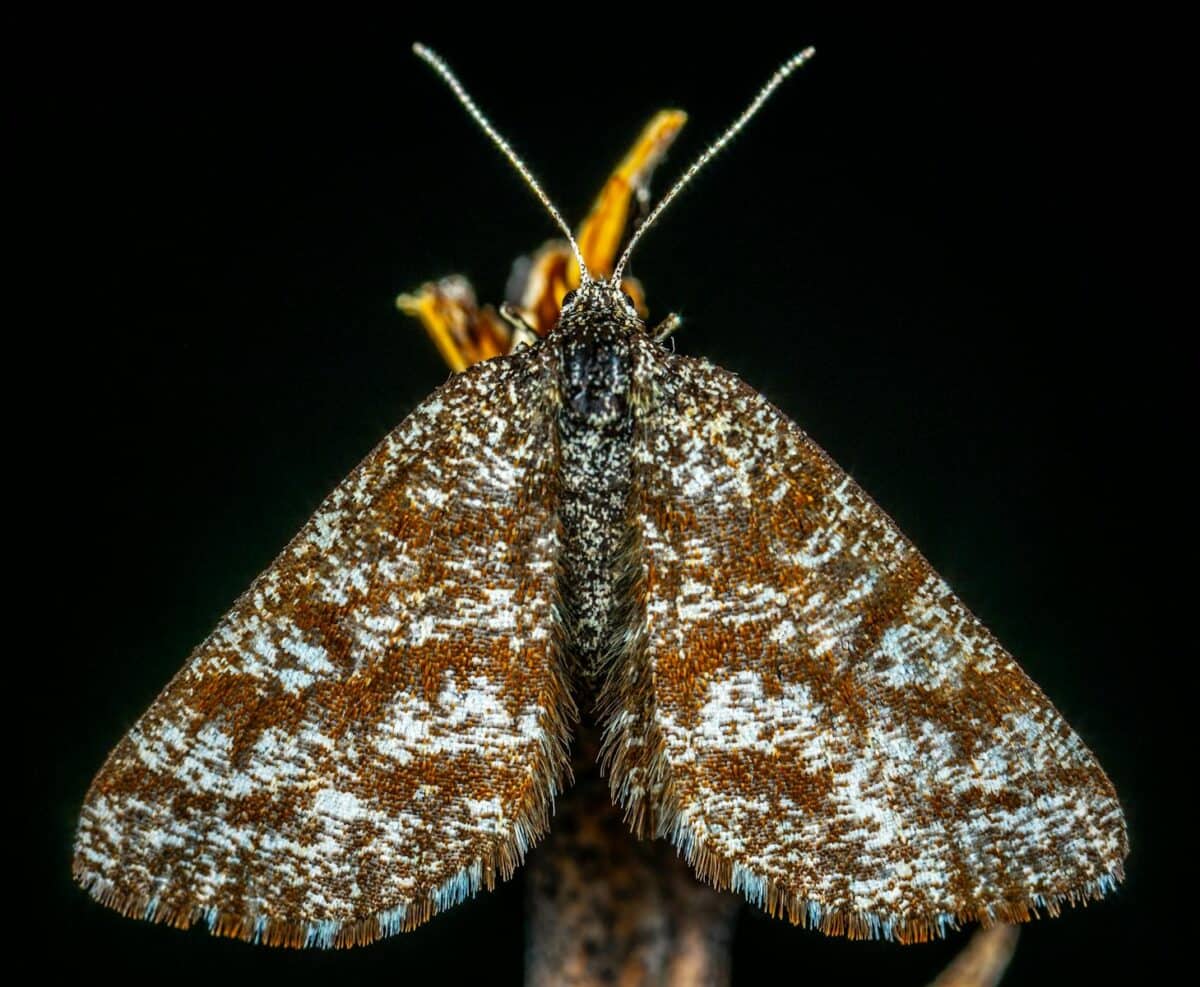
The relationship between moths and bats is a prime example of an evolutionary arms race. As bats develop more advanced echolocation techniques, moths simultaneously adapt their own defenses. This continuous cycle of adaptation highlights the incredible resilience and ingenuity found in nature.
The Role of Environmental Changes
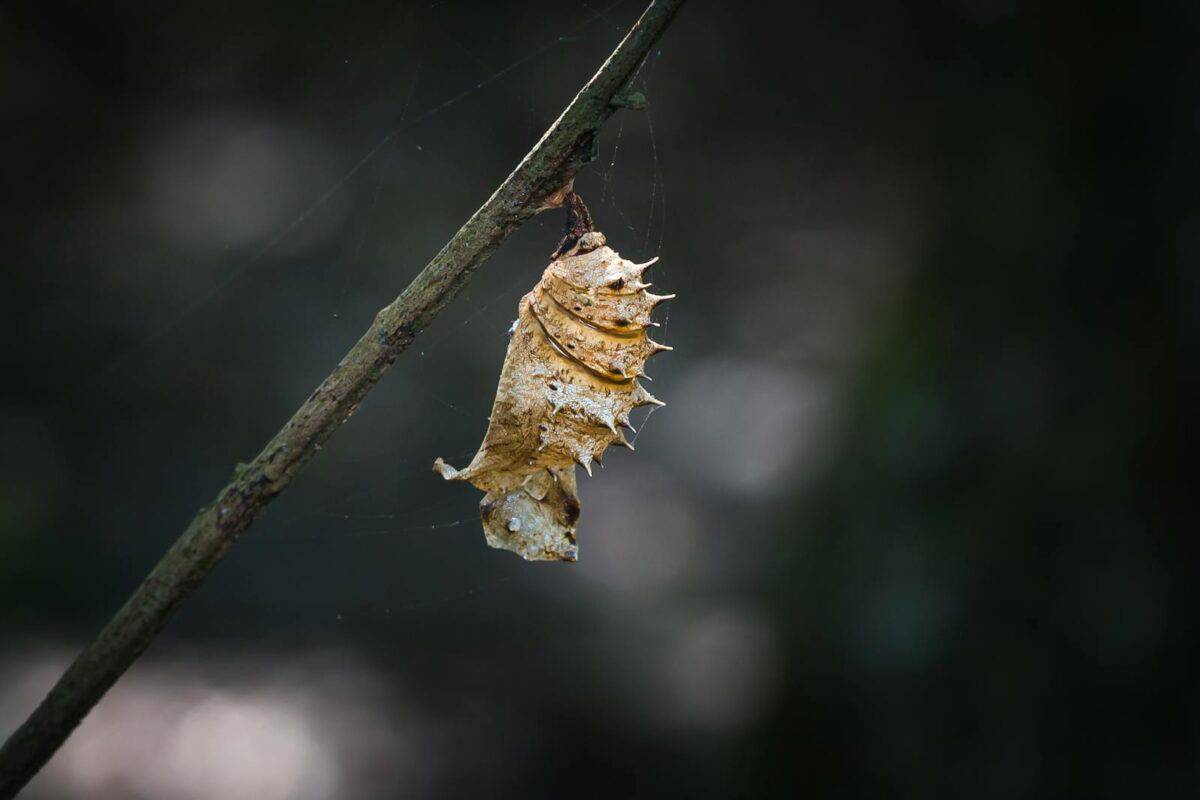
Environmental changes can impact the dynamics of moth-bat interactions. For instance, factors such as noise pollution can disrupt echolocation, potentially providing moths with an unintended advantage. Conversely, habitat loss and climate change can alter population dynamics, influencing the evolutionary paths of both species.
Implications for Biodiversity and Ecosystems
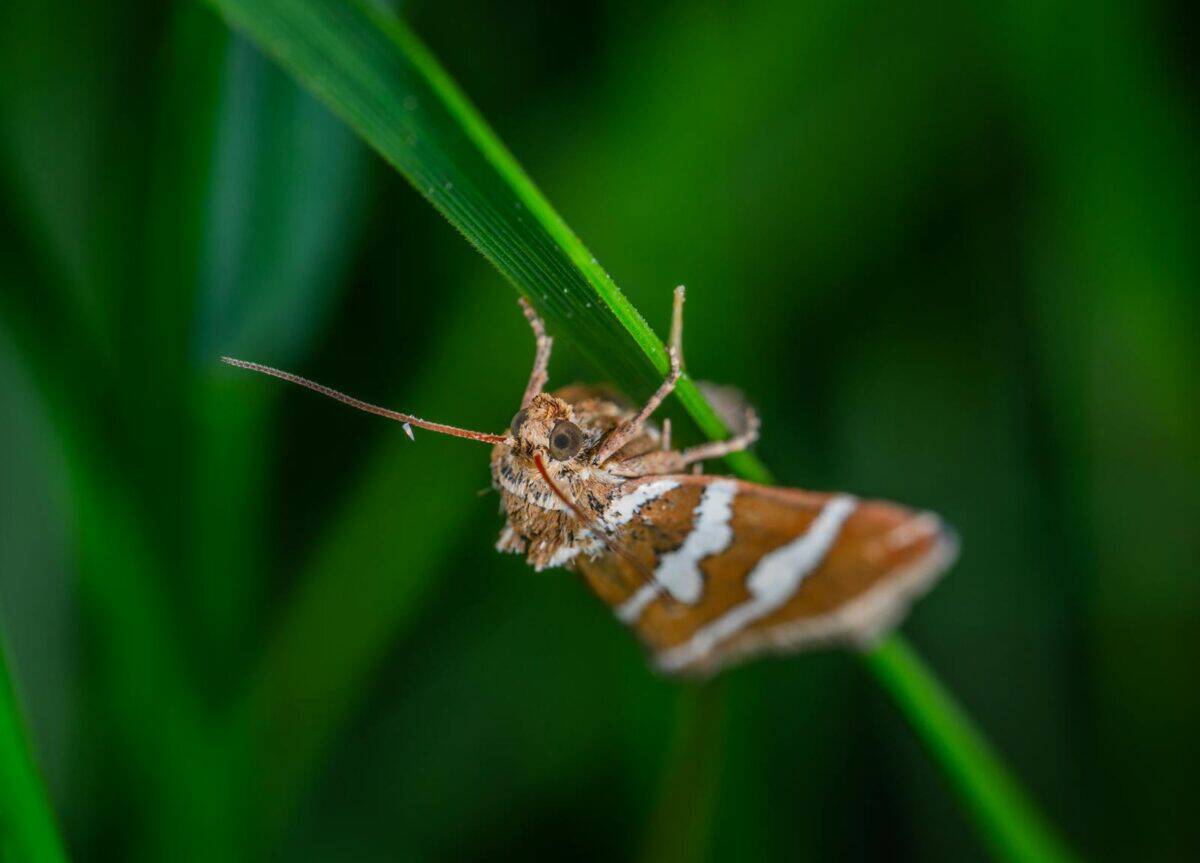
The interaction between moths and bats plays a significant role in maintaining ecological balance. Moths contribute to pollination and serve as a food source for various animals, including bats. Understanding these interactions aids in broader biodiversity conservation efforts, emphasizing the importance of preserving natural habitats.
Conclusion: A Testament to Nature’s Ingenuity
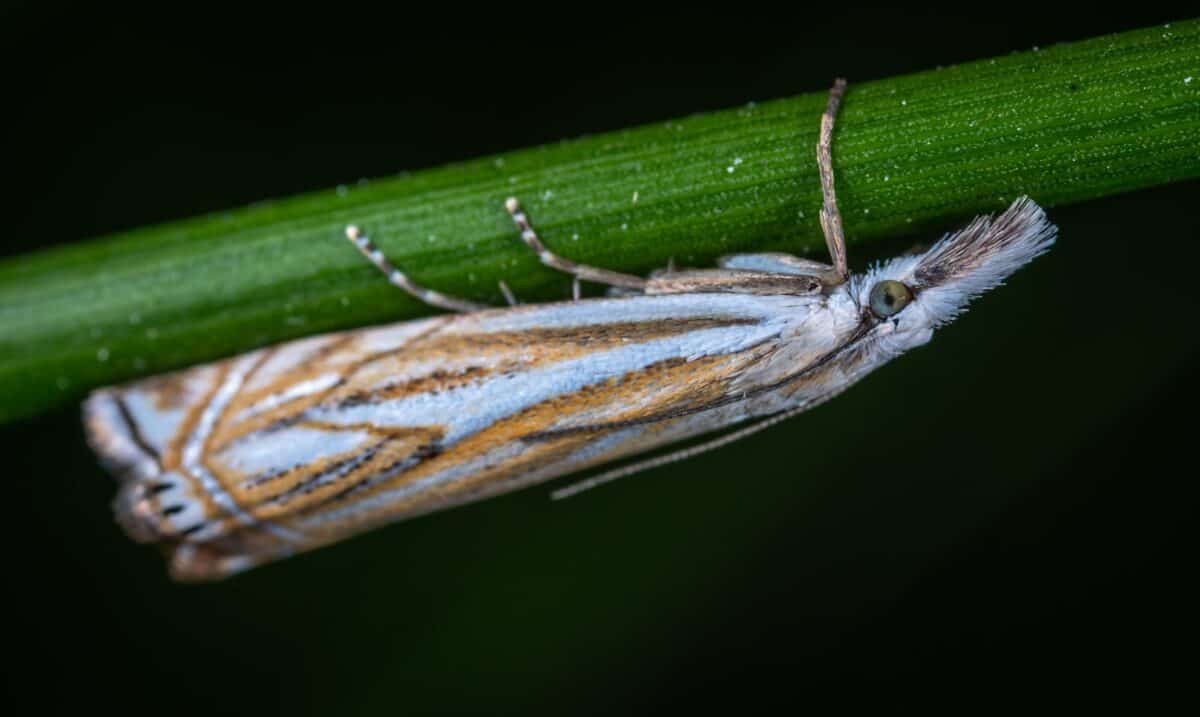
Moths, with their extraordinary auditory abilities and battle-ready defenses, serve as a testament to the innovative strategies that arise from the eternal dance between predator and prey. Their story is a reminder of the intricate relationships that sustain our ecosystems and the awe-inspiring adaptations that arise in the natural world. As we continue to study and marvel at these creatures, we gain deeper insights into the profound complexity and beauty of life on Earth.

- The Secret Language of Dolphins Decoded by Researchers - July 20, 2026
- 7 Animals That Can Survive Extreme Environments You Couldn’t - July 20, 2026
- The Longest Snake Ever Found in the U.S. - July 20, 2026