

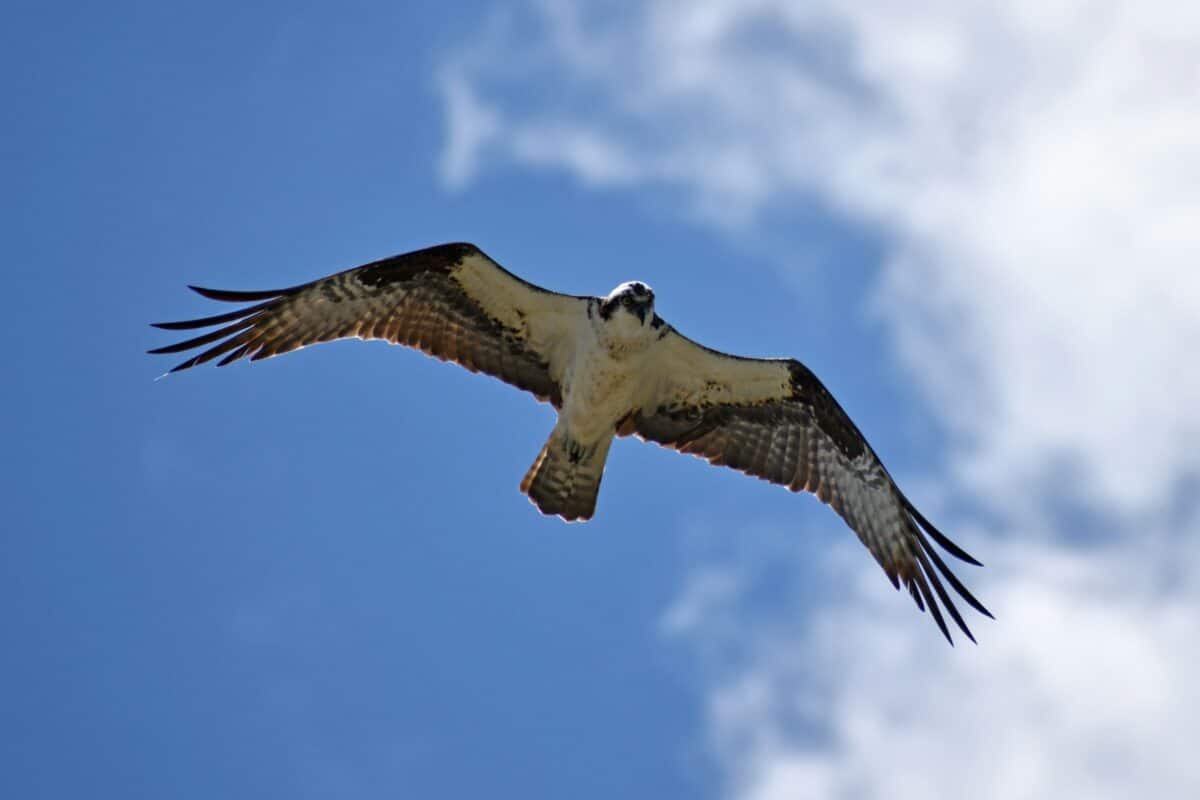
As the world continues to urbanize at an unprecedented pace, a fascinating phenomenon is unfolding around us. More animals than ever are leaving their traditional habitats to thrive in city environments, adapting with remarkable speed to the challenges and opportunities of urban life. This adaptation is not only changing the landscape of city living but also offering a glimpse into the resilience and resourcefulness of nature. Join us as we explore 11 creatures that are mastering metropolitan living.
11. Pigeons The Quintessential Urbanite
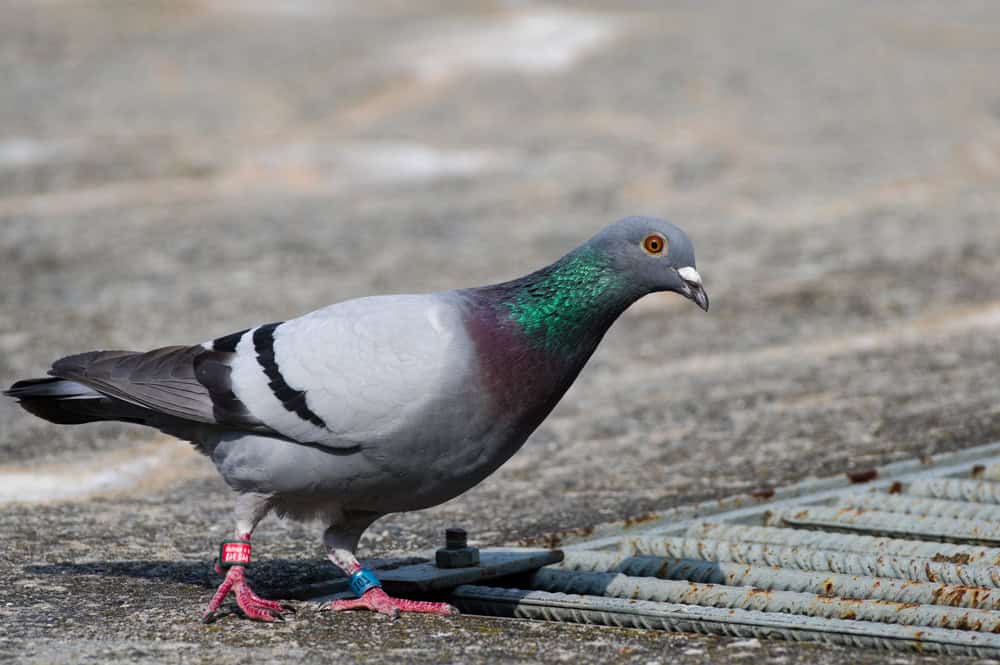
Pigeons, often dubbed the quintessential city birds, have become synonymous with urban living. These adaptable creatures have found their niche among the skyscrapers and bustling streets of cities worldwide. Pigeons thrive in urban areas due to their remarkable ability to find food, often scavenging for scraps left by humans, and their nesting prowess on tall structures mimicking their natural cliff-top homes. This adaptability has allowed them to flourish, making them a familiar sight in any cityscape.
10. Raccoons The Masked Marauders
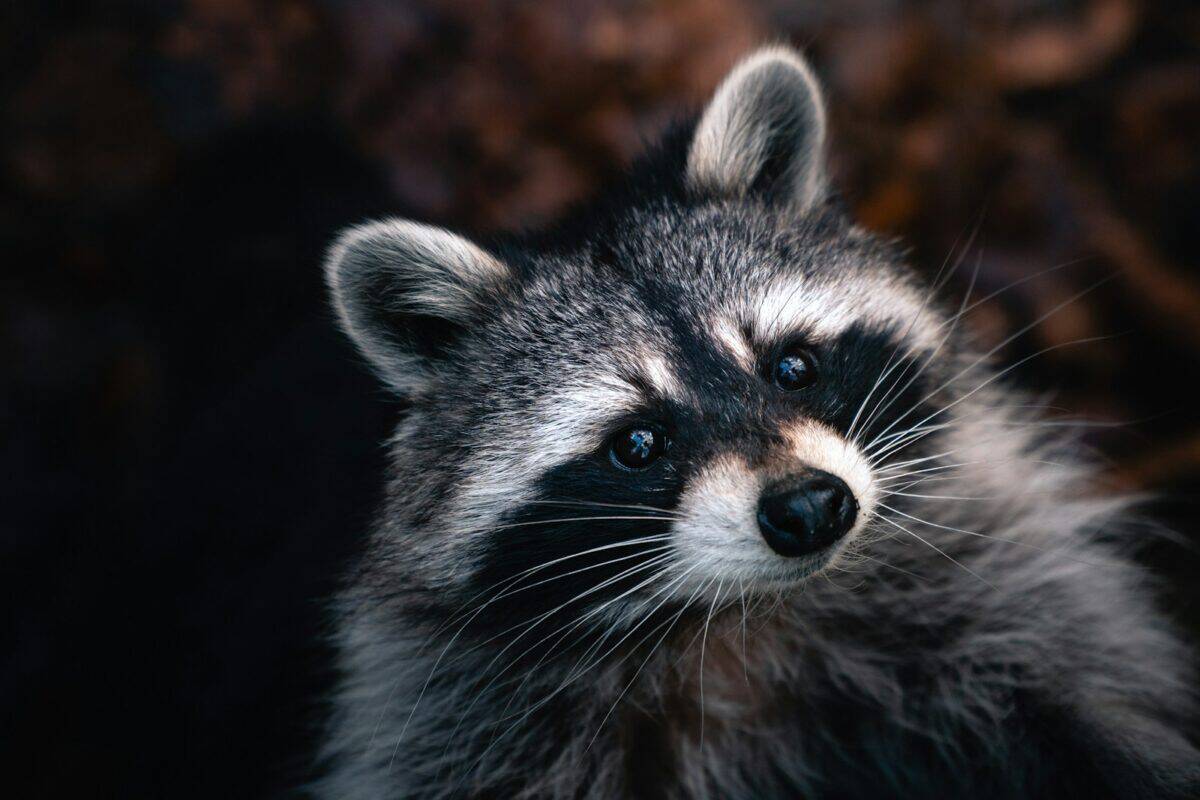
Raccoons have earned their reputation as cunning urban marauders. These nocturnal animals have adapted to city life by capitalizing on the resources humans unwittingly provide. From trash cans to attics, raccoons display dexterity in opening containers and accessing sheltered spaces for dens. Their intelligence and nimbleness have enabled them to not just survive but thrive in urban settings, often outsmarting human efforts to deter them.
9. Coyotes The Canny Commuters

Coyotes have become an increasingly common sight in many North American cities. Known for their intelligence and adaptability, these wild canines have successfully navigated urban environments by altering their diets and adjusting their behavior. City-dwelling coyotes often hunt small rodents, birds, and even the occasional pet while maintaining a mostly nocturnal lifestyle to avoid human interactions. Their presence in urban areas highlights their capacity to adapt to diverse environments.
8. Squirrels The Agile Acrobats

Squirrels may not seem like the most surprising urban dwellers, but their ability to adapt to city life is remarkable. These agile rodents have learned to navigate the urban forest of telephone wires, rooftops, and parks with ease. They have also adapted their diets to include a wide array of food sources found in cities, from birdseed to discarded human snacks. Squirrels’ adaptability makes them one of the most successful creatures in urban areas.
7. Peregrine Falcons The High-Flying Predators

Peregrine falcons, once on the brink of extinction, have made a stunning comeback, utilizing city skyscrapers as nesting sites. These high-flying predators adapt to urban environments by preying on the abundant pigeon population. The tall buildings mimic cliffsides, providing ideal nesting and hunting vantage points. Their resurgence in cities exemplifies nature’s resilience and adaptability in the face of human expansion.
6. Rats The Resilient Survivors

Rats have long been associated with urban environments, showcasing their incredible ability to thrive in virtually any condition. These rodents are highly adaptable, with a diverse diet that includes virtually anything edible. Their keen sense of smell and strong memory help them navigate complex urban landscapes, often to the dismay of city dwellers who struggle to manage their burgeoning populations.
5. Red Foxes The Urban Adapters
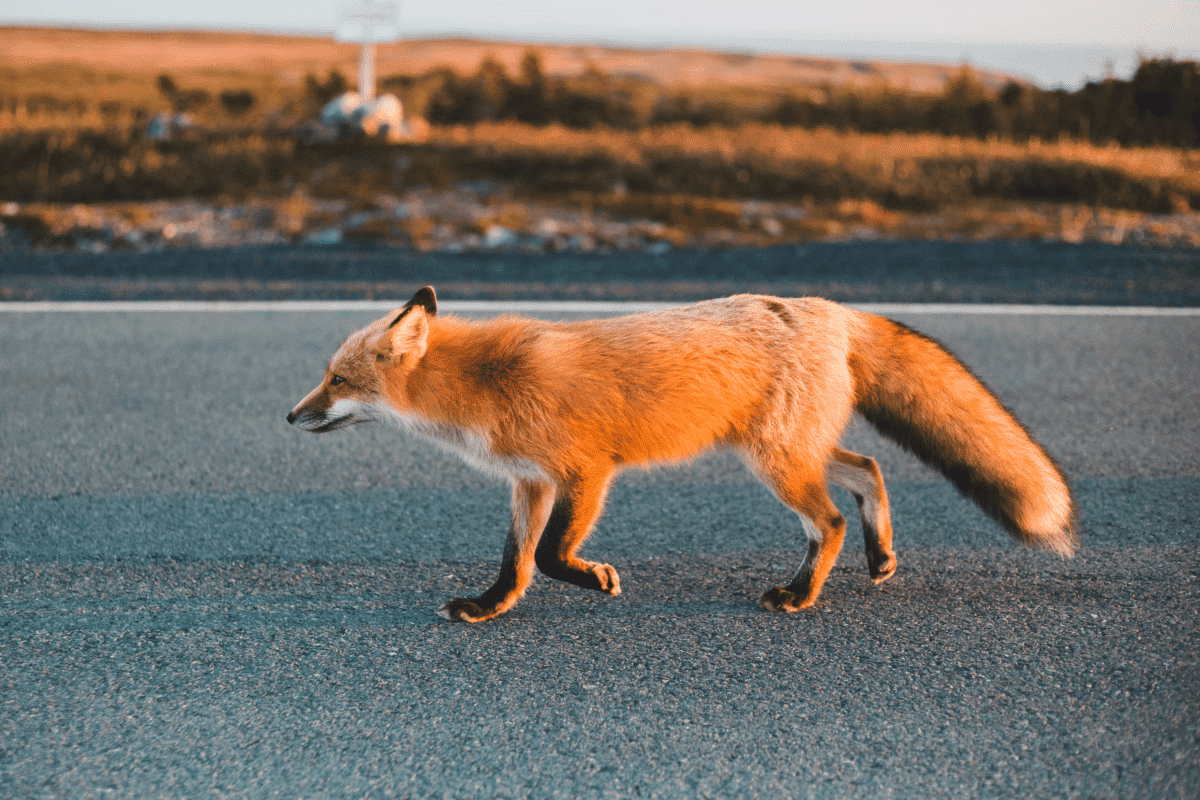
Red foxes have increasingly ventured into urban areas across Europe and North America. These adaptable animals have learned to exploit urban ecosystems by hunting for food in gardens and parks. They have also adapted to suburban and city environments by becoming more nocturnal, avoiding human activity during the day. Their impressive urban adaptations have made them a common sight in many cities.
4. Feral Cats The Stealthy Predators

Feral cats thrive in urban areas, capitalizing on the plentiful resources a city environment provides. These stealthy predators adapt their hunting strategies to target the abundance of small rodents and birds found in cities, while their natural instincts allow them to evade humans and other dangers. Their adaptability ensures their continued survival and proliferation in urban landscapes.
3. House Sparrows The Cosmopolitan Birds

House sparrows are one of the most widespread bird species in urban areas worldwide. Their ability to adapt to the changing environment of cities has allowed them to thrive on a diet of discarded food and seeds from bird feeders. These social birds often nest in the nooks and crannies of buildings, demonstrating their versatility in utilizing human architecture for survival.
2. Monk Parakeets The Resourceful Invaders
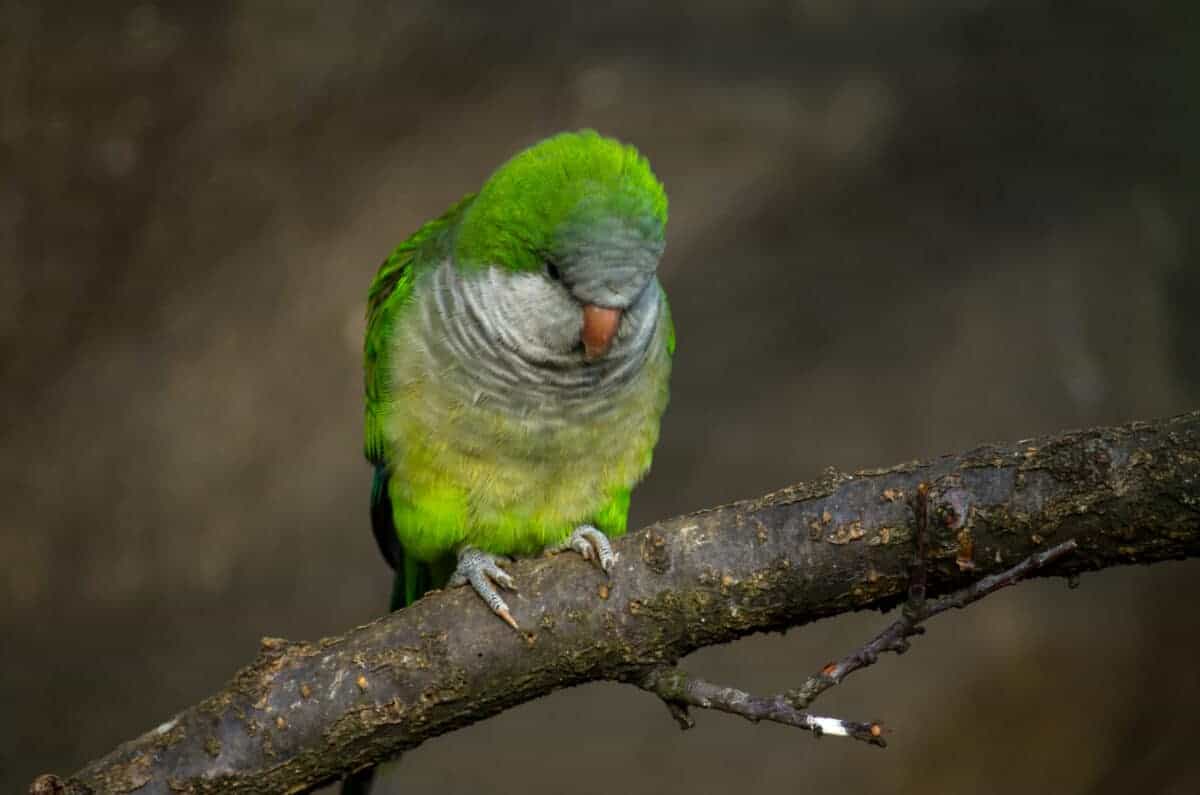
Originally from South America, monk parakeets have established vibrant communities in several urban areas across the globe. These bright green birds are known for building large, communal nests that often adorn utility poles and trees in cities. Their adaptability to urban environments and ability to thrive on a diet of seeds, fruits, and human-provided food sources highlight their resilience and resourcefulness.
1. Opossums The Nighttime Foragers

Opossums, with their distinctive bare tails and nocturnal habits, have become a common sight in urban areas. Adapted to forage for sustenance under the cover of darkness, opossums feast on fruits, insects, and discarded food. Their ability to play dead to avoid predators and reduce conflict with humans contributes to their successful adaptation in city environments.
Conclusion:

As urban landscapes continue to expand, these creatures’ remarkable ability to adapt highlights both the resilience of wildlife and the need for coexistence strategies between humans and animals. Each species, from the ubiquitous pigeon to the cunning coyote, provides insight into how nature finds ways to persist despite human encroachment. As we design future cities, fostering environments that support these adaptable creatures can contribute to healthier ecosystems and more vibrant urban life.

From exploring the marine wonders in the Azores and witnessing the vast savannas of Kenya, to delving deep into the rich biodiversity of South Africa and traversing iconic landscapes in Australia and the US like Yellowstone, Chris's experiences are vast.
With a penchant for diving alongside sharks, the ocean holds a special place in his heart.
Through his academic insights, he champions wildlife conservation, striving with 'Animals Around The Globe' to cultivate a profound connection between humans and animals, enhancing our mutual appreciation.
Connect with him at Feedback@animalsaroundtheglobe.com.
- Best Places to See Tasmanian Devils - August 15, 2026
- 10 Venomous Animals in Texas — And 3 That Look Scary But Aren’t - August 15, 2026
- The Largest Animal Ever to Walk the Earth—And It’s Not a Dinosaur - August 15, 2026