


The majestic moose, with its towering antlers and solitary demeanor, is a symbol of wilderness and raw nature. For many, the image of a moose effortlessly navigating Minnesota’s dense forests is intrinsically tied to the region’s identity. Unfortunately, these iconic creatures are facing a serious threat as their populations continue to decline at an alarming rate. Understanding the dynamics behind this reduction and its broader implications is critical for conservation efforts.
History of Moose Presence in Minnesota
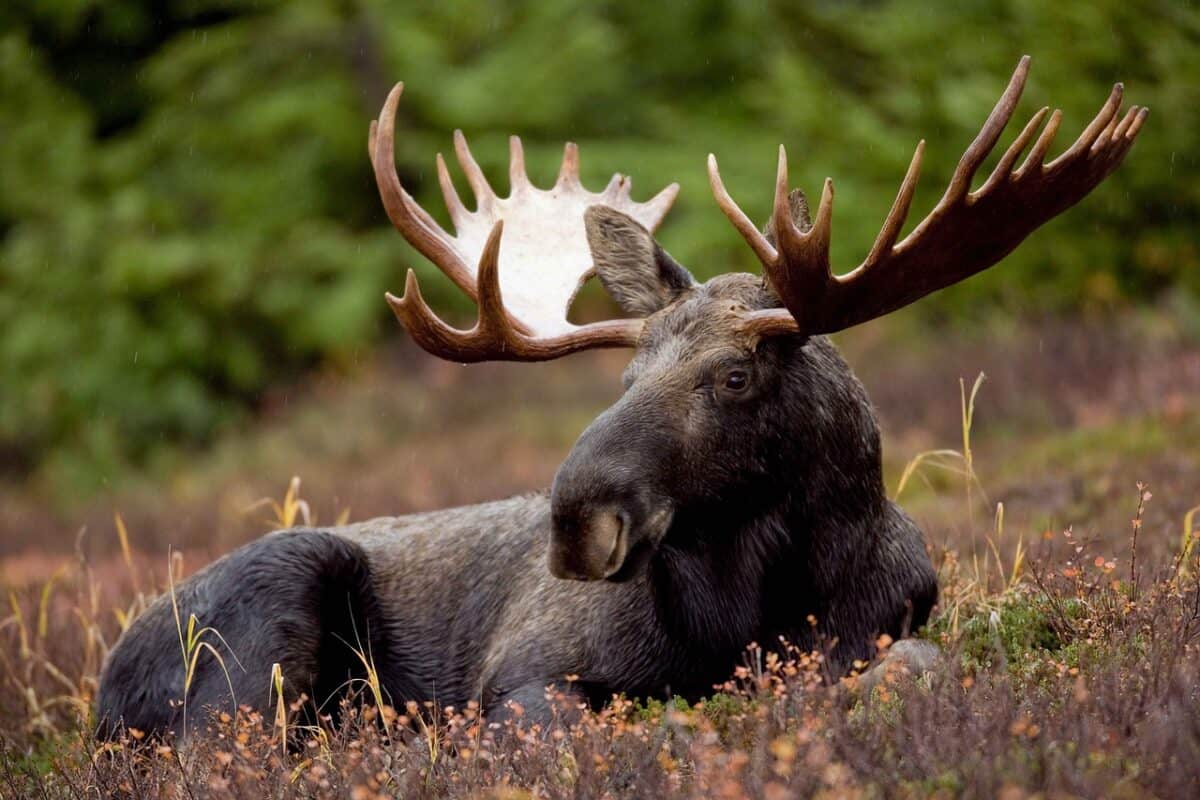
The moose has long been a resident of Minnesota, inhabiting its forests for thousands of years. Historically, they have thrived in the northern part of the state, a region abundant with the wetlands and forests that moose favor. However, over the past few decades, a stark decline in their population has been observed, prompting concern among conservationists and residents alike.
Current Population Trends
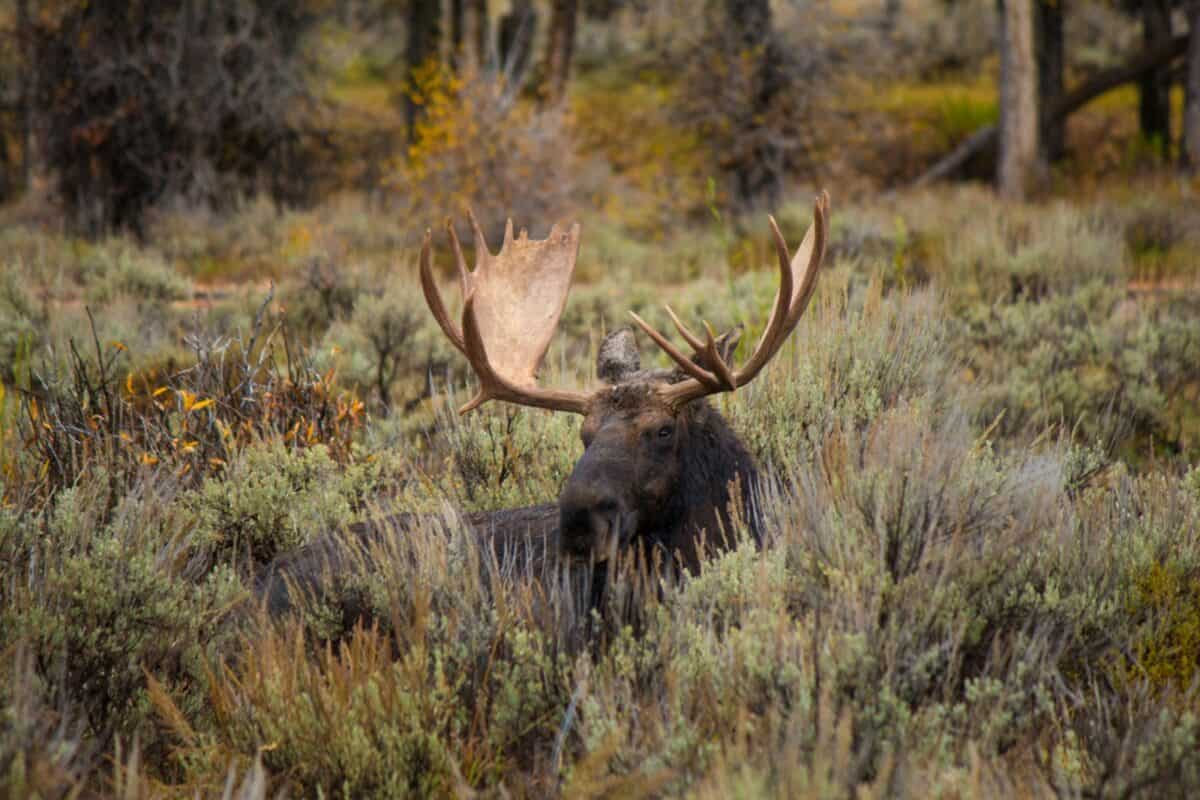
Moose populations in Minnesota have experienced a severe downturn, with estimates suggesting a decline of over 50% since the early 2000s. Once numbering in the thousands, the population has now dwindled to a few hundred animals. This sharp decline has triggered alarm among wildlife experts and conservationists who fear the local extinction of the species if trends continue unchecked.
Primary Causes of Decline
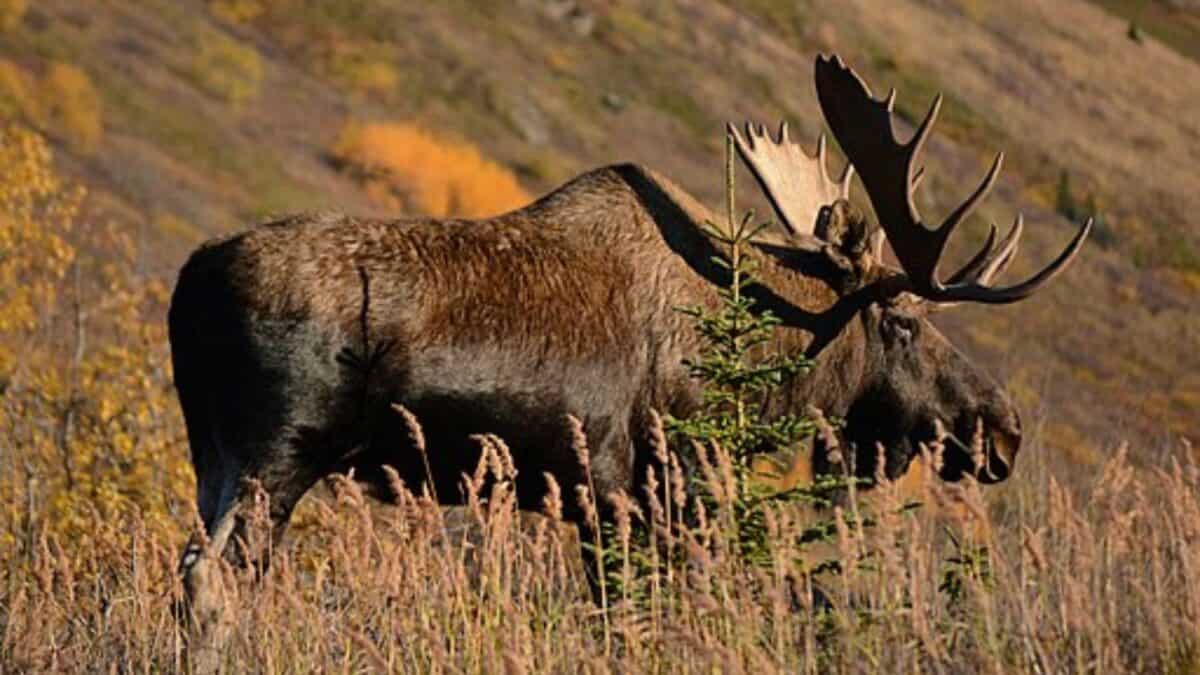
Several interrelated factors have contributed to the decline of Minnesota’s moose population. Climate change, habitat destruction, increased predation, and disease have all played a role. Warmer temperatures can contribute to heat stress and decreased food availability, while fragmented habitats hinder the moose’s ability to navigate and find sustenance. Additionally, increased numbers of predators, such as wolves, and diseases like brainworm and winter ticks have further compounded their plight.
Impact of Climate Change
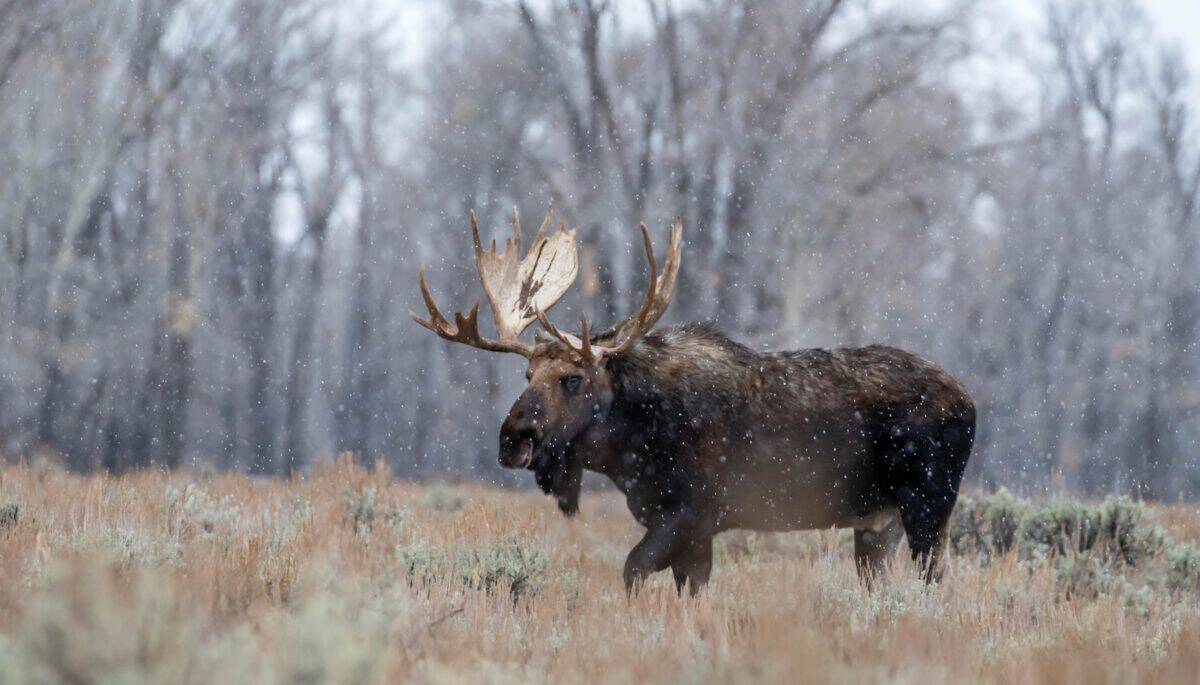
Climate change stands out as a significant factor affecting moose populations. Rising temperatures and changing precipitation patterns have altered the habitats moose depend on. Warm winters reduce the availability of their preferred cold-climate vegetation and increase the prevalence of parasites and diseases that can weaken and kill them.
Role of Predators

Predation, particularly by wolves, has increased in recent years. As the wolves’ natural prey, such as deer, also faces habitat pressures, moose have become a more frequent target. Calves are especially vulnerable, and as wolf populations grow, the predation rate on young moose appears to rise in tandem, impacting overall population growth.
Health Challenges and Disease
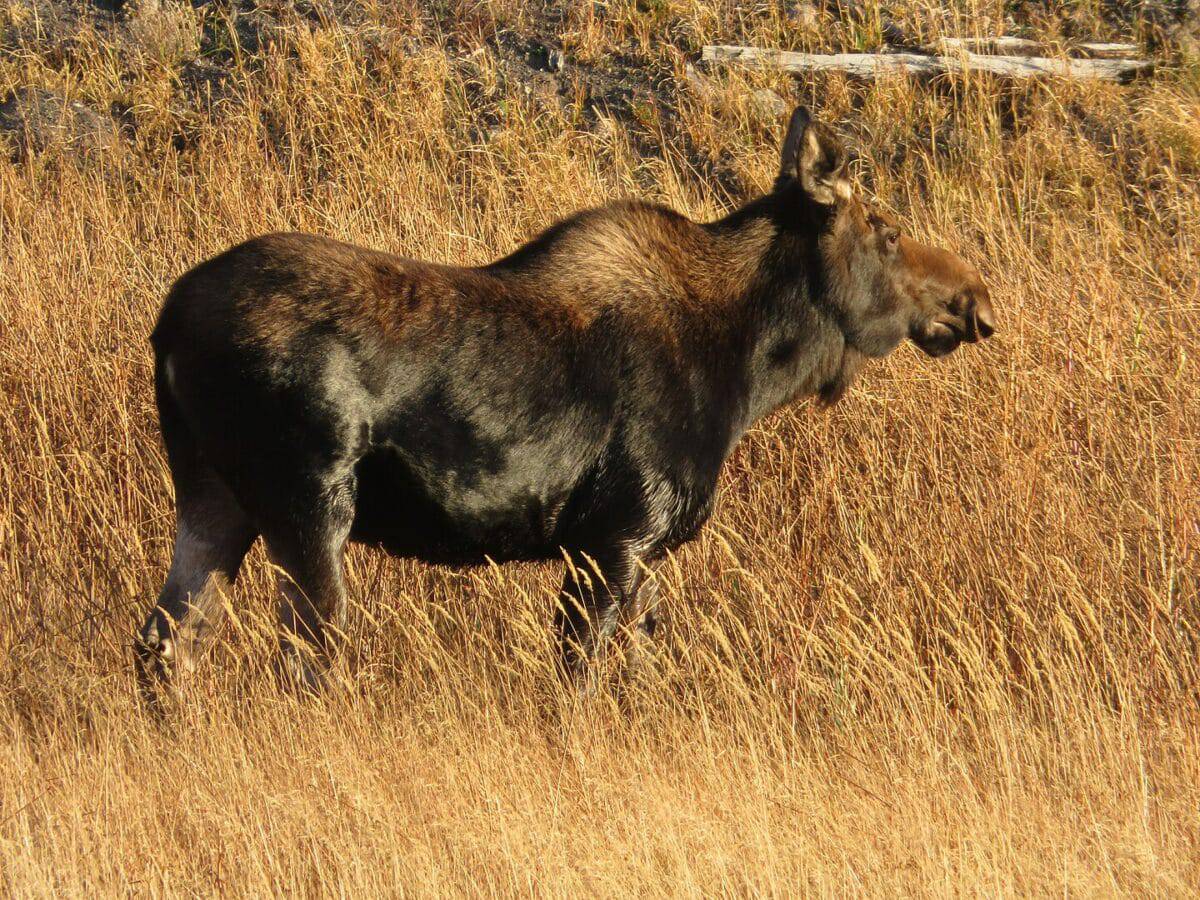
Disease is another major challenge for moose in Minnesota. Brainworm, a parasite carried by deer, often proves fatal to moose. Since moose lack the natural defenses that deer have developed, they are highly susceptible. Additionally, infestations of winter ticks can lead to anemia and weaken moose, especially in the warmer winters that fail to kill off these pests.
Changes in Habitat

Human activity has significantly modified Minnesota’s landscapes. Logging, road building, and urban expansion have all contributed to habitat fragmentation, impacting not only where moose can live, but also their migratory and breeding patterns. Such disruptions have made it increasingly difficult for moose to find adequate food and shelter.
Conservation Efforts

Recognizing the critical state of Minnesota’s moose, various conservation initiatives have been undertaken. These include habitat restoration projects, stricter hunting regulations, and public awareness campaigns aimed at reducing human impact. Such efforts are vital to stabilize and ideally increase moose populations.
Research and Monitoring
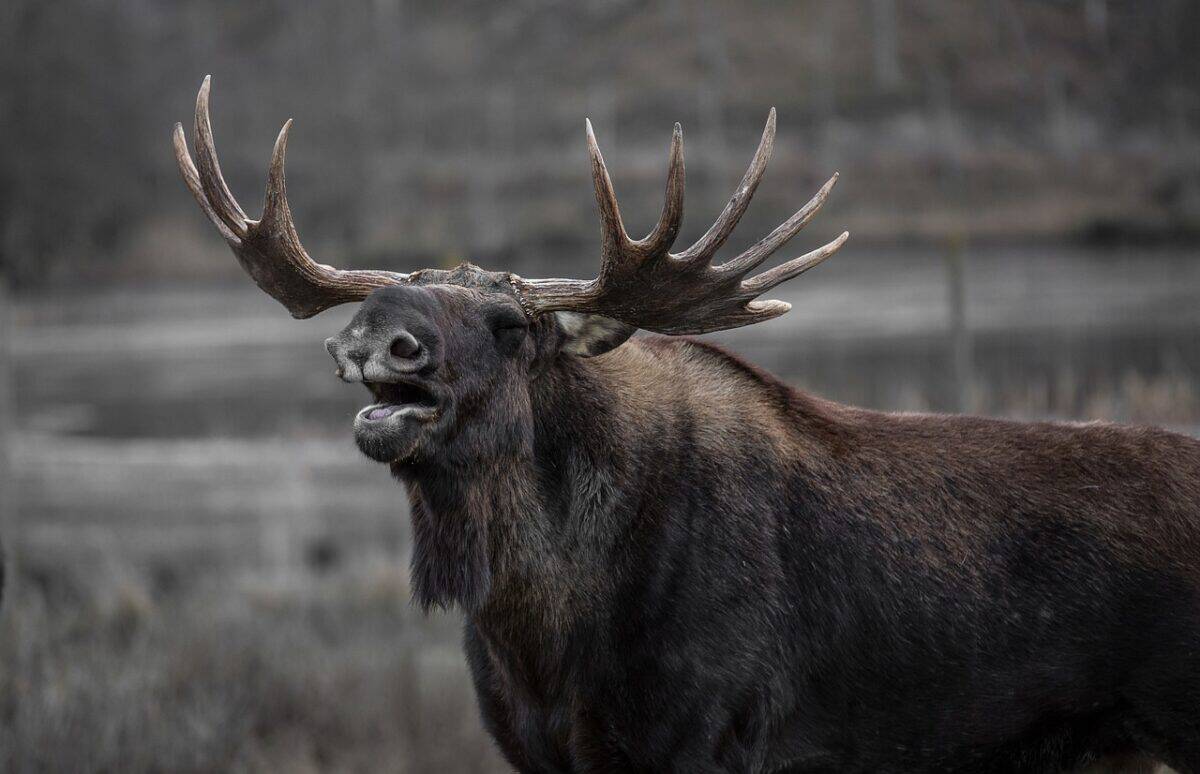
Ongoing research is crucial to understanding and mitigating the factors behind the moose population decline. Wildlife biologists in Minnesota are actively monitoring moose health, reproduction rates, and movement patterns. Gathering data helps in formulating effective conservation strategies and determining the most impactful interventions.
Community Involvement
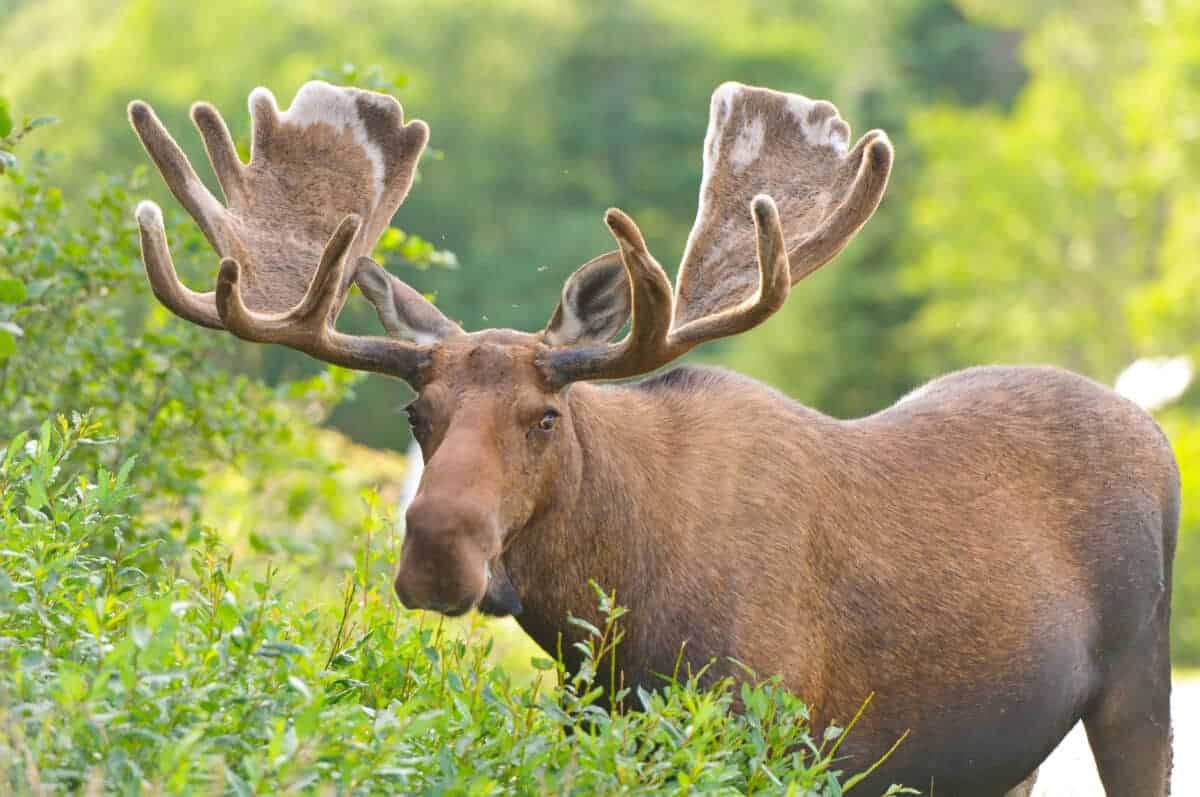
Community engagement is a pivotal aspect of conservation success. Local support for conservation measures, driven by increased awareness and education, can make a substantial difference. Residents are encouraged to participate in habitat restoration projects and to support policies that benefit wildlife conservation.
Moose play a vital ecological role in Minnesota’s forests. They help shape plant communities by feeding on shrubs and trees, which in turn affects the habitat structure for numerous other species. Their presence maintains the balance within the ecosystem, highlighting their importance beyond just their numbers.
Why the Moose’s Fate Matters to Us All
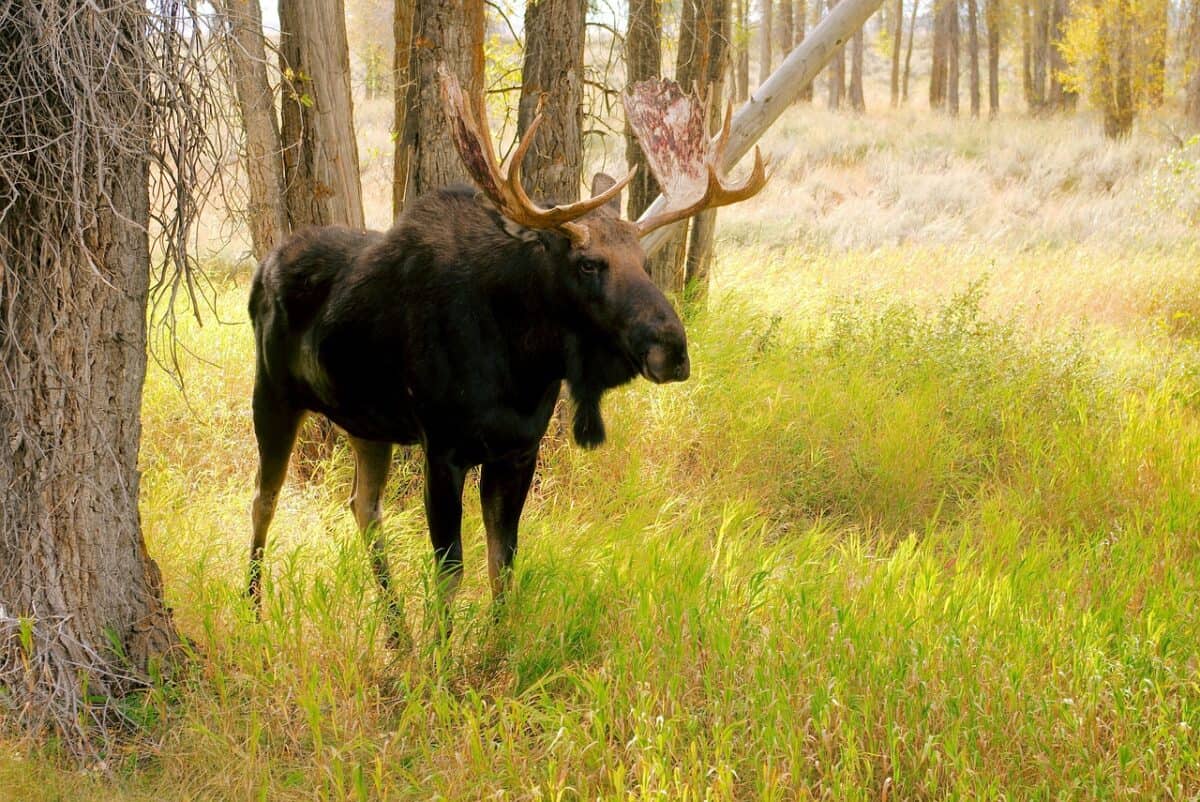
The declining moose population is more than a wildlife concern; it is an environmental indicator. Their struggle reflects broader ecological changes impacting numerous species, including humans. Preserving their population not only saves a species but also maintains the natural balance critical for a healthy ecosystem.
The decline of Minnesota’s moose population is a pressing issue that requires immediate action from conservationists, scientists, and the public alike. By understanding and addressing the myriad factors contributing to their decline, it is possible to develop more effective conservation strategies and ensure that future generations can witness the majestic sight of a moose in the wilds of Minnesota.

- Why Japanese Macaques Love Hot Springs - July 17, 2026
- Could Dogs Be Used to Detect Illness in Humans? - July 17, 2026
- Why Sloths Give Gentle Smiles - July 17, 2026