

Worried about unexpected vet bills?
Pet insurance can cover thousands in unexpected vet costs. Get a free quote from Lemonade in under 2 minutes.
Get My Free Quote →Sponsored · Opens Lemonade.com
In the vast and diverse landscape of the United States, where every state has its unique culture and quirks, the same can be said about their laws governing animals. While most laws aim to protect both humans and animals, some are peculiar relics of the past or responses to specific incidents. Journey with us as we explore these fascinating, strange, but entirely true animal laws across different states.
Alabama Keep Kangaroos Under Control
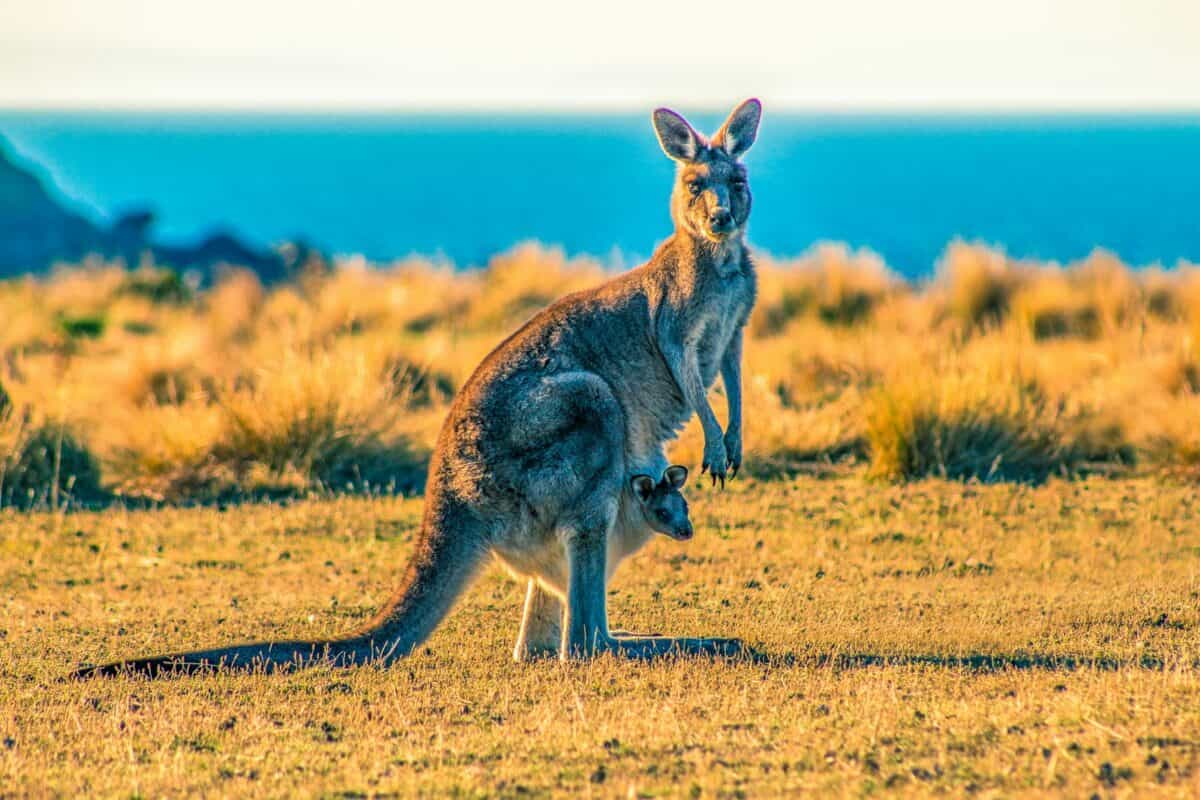
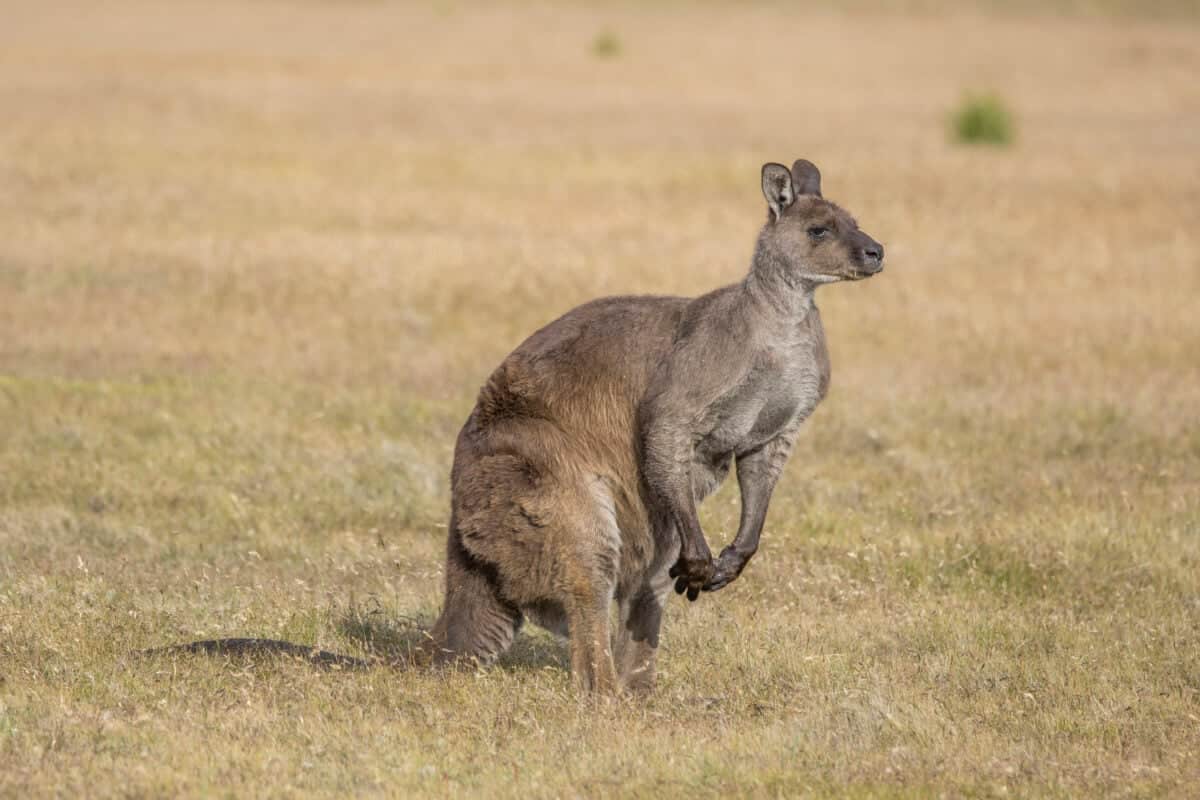
In Alabama, you might be surprised to learn that kangaroos are subject to strict regulation. While kangaroos hopping around may seem like a Down Under issue, the Yellowhammer State has declared it illegal to keep or train these marsupials for any type of prizefighting or combat. The law likely emerged to prevent the exploitation of exotic animals in circuses or other entertainment venues.
Arizona Don’t Bother the Bullfrogs
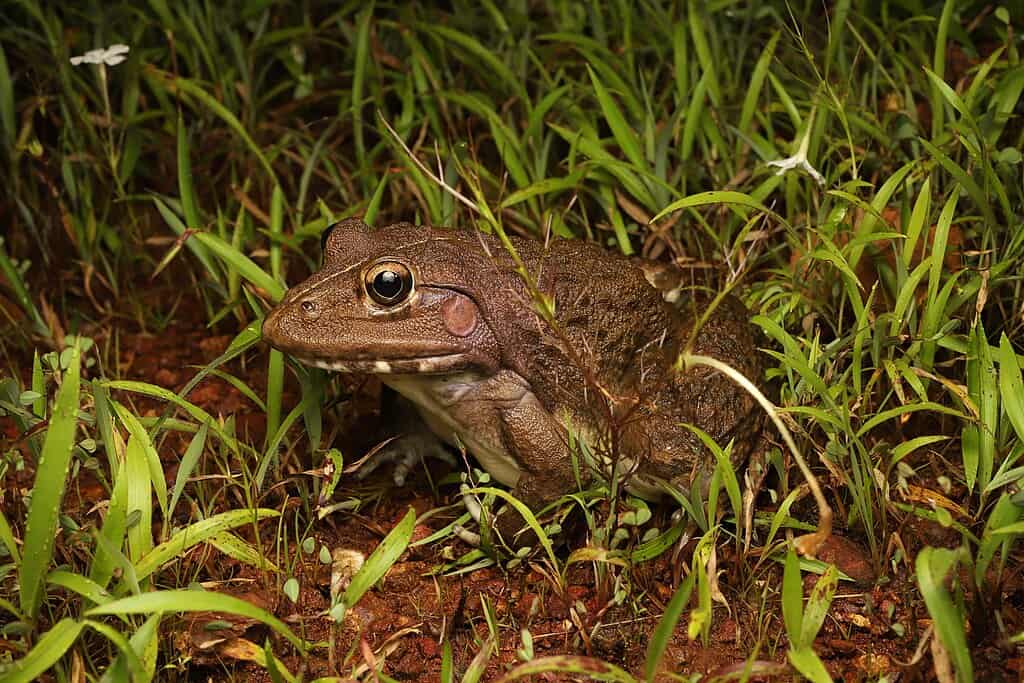
Arizona boasts a law that safeguards its bullfrog population by prohibiting them from being disturbed in their natural habitat. This odd legislation serves a vital purpose, as bullfrogs play a key role in their ecosystems and need protection from overzealous hunting or collecting by enthusiasts. It emphasizes the importance of maintaining ecological balances even with species that might not be cuddly or charismatic.
California Frisky Frogs Face Restrictions

Among California’s many interesting regulations, one dictates that any frog involved in a frog-jumping contest cannot be eaten afterward. The inspiration for this odd law comes from the state’s celebrated event, the Calaveras County Frog Jumping Contest. This ensures that the frogs used in the contests are treated ethically after their participation.
Florida Elephants Are Welcome, But Not on Sidewalks

In Florida, using an elephant to plow your cotton fields is acceptable, albeit unusual. However, walking an elephant on a public sidewalk is decidedly off-limits. While elephants are not common sights in Florida today, this law likely finds its roots in circus heritage when elephants were more commonplace. It serves as a reminder of the changing times and attitudes towards animals as community members.
Illinois Unique Paint Jobs Prohibited for Chickens

Illinois presents one of the most peculiar animal-related restrictions: coloring or dyeing chickens, ducks, geese, or rabbits for sale. The fun-loving intent of this law is to prevent exploiting animals for commercial purposes around holidays like Easter. It reflects an effort to maintain animal welfare and discourage animal sales that often lead to abandonment once the novelty wears off.
Kentucky Cats and Bells

The Commonwealth of Kentucky requires cats to wear bells when roaming the streets at night, aiming to minimize their impact on local wildlife. As natural hunters, cats have a notorious reputation for hunting birds and small mammals. This law provides a quieter night for urban wildlife and highlights the growing awareness around cat-related ecosystem disturbances.
Minnesota A Pint-Sized Pacifier for Your Pig

In Minnesota, pigs must not be fed garbage unless it’s properly cooked to a regulated temperature. While this might sound bizarre, the legislation is incredibly important for public health and animal safety, as feeding uncooked waste could introduce pathogens into the food chain, affecting the pig farmer’s livelihood and consumer health.
Nevada: Camel-Riding Regulations
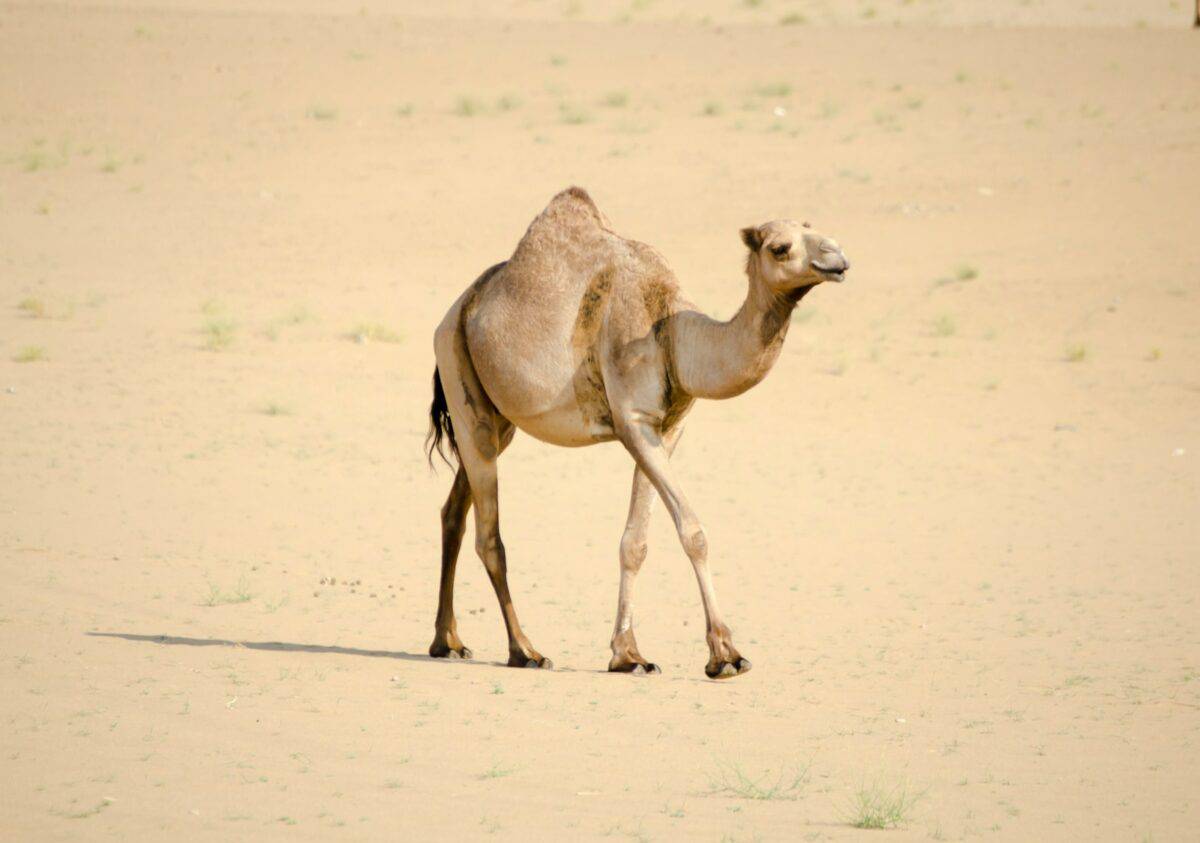
Nevada, a state with a desert landscape similar to parts of the Middle East, boasts a law prohibiting camel racing on highways. The genesis of this law roots back to the 19th century, where camels were used in mining operations. Today, it prevents roads from becoming hazards with such non-traditional means of transport.
North Carolina No Cows Grazing on Airport Property
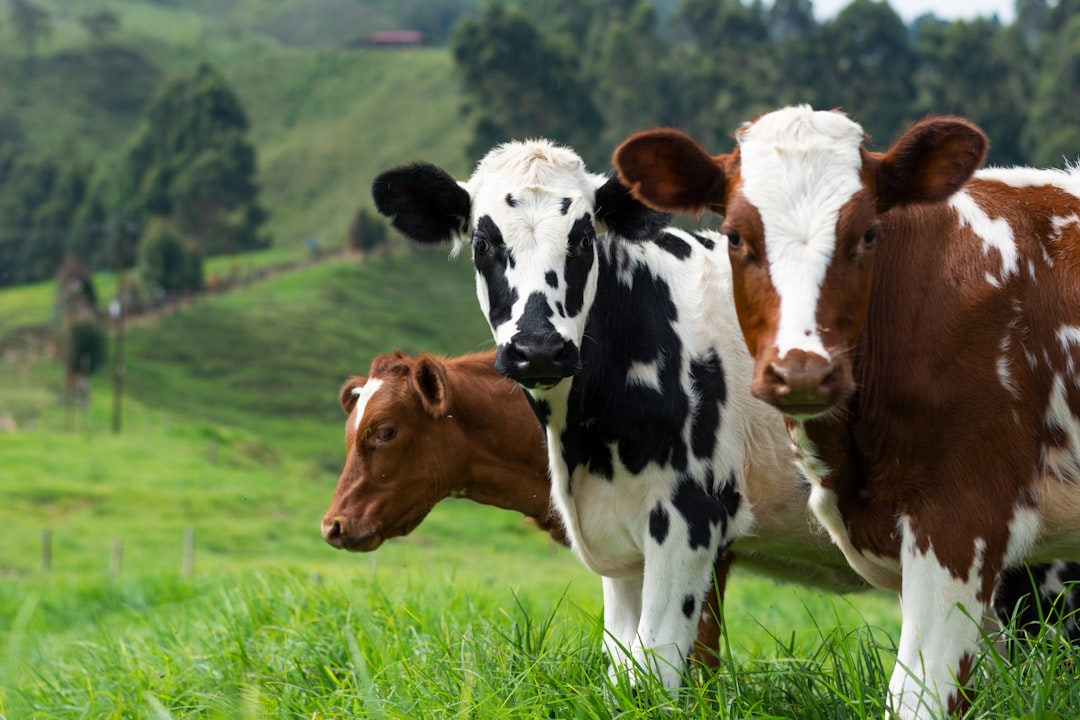
North Carolina enacts a restriction on allowing cattle to graze on airport property. Part pragmatism and part safety concern, this law ensures that aviation activities proceed without livestock interventions, reducing potential hazards both on the ground and in the air.
Ohio Fish May Not Drink Alcohol
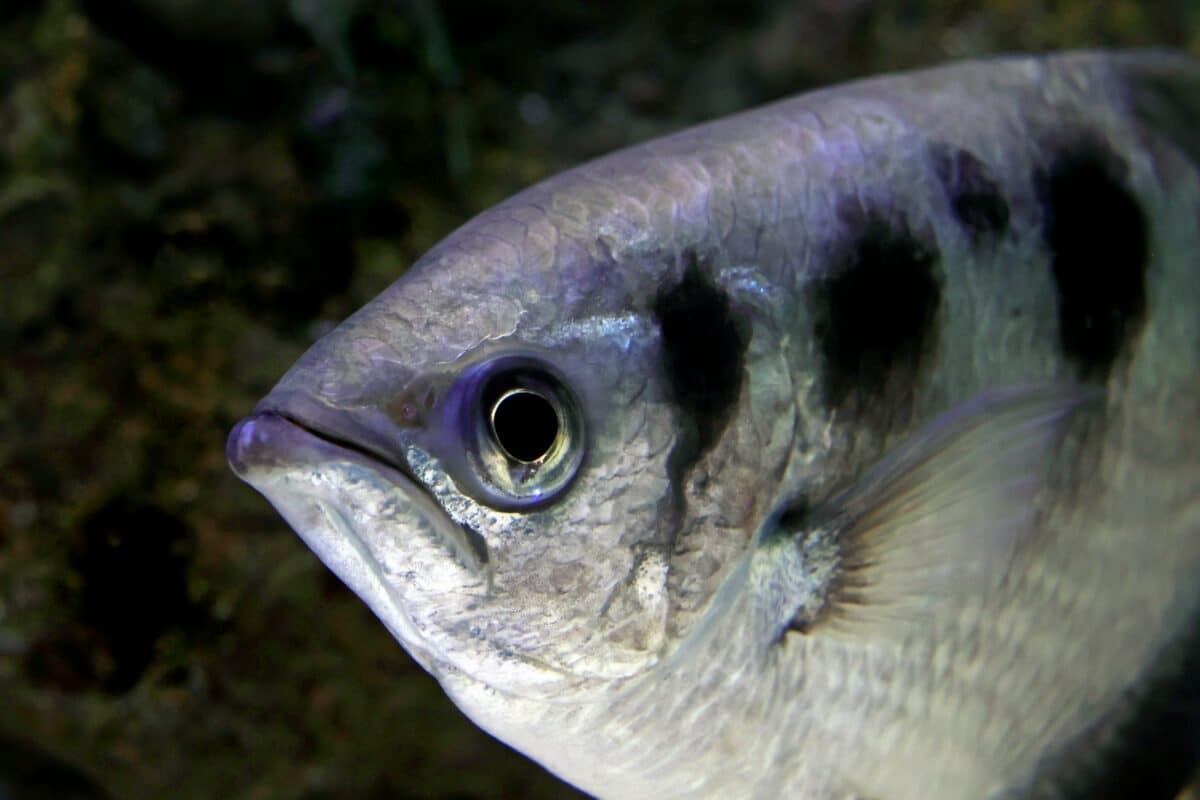
Ohio enacts a whimsical but serious law prohibiting giving fish alcohol. While it’s hard to imagine a scenario where this would be a problem, the regulation reflects a broader attempt to safeguard animal welfare and ensure responsible pet ownership, even among aquarium aficionados.
Conclusion: A Patchwork of Peculiarities

The eccentric patchwork of animal laws across the United States is a fascinating glimpse into how history, culture, and changing societal values shape legal frameworks. While many of these laws might elicit smirks or head-scratches, they each contribute to a dialogue about animal rights, community standards, and the quirky nature of legal histories. Next time you stroll through your state, know there might be an unusual law ensuring the welfare of creatures, great and small, that share our world.
Worried about unexpected vet bills?
Pet insurance can cover thousands in unexpected vet costs. Get a free quote from Lemonade in under 2 minutes.
Get My Free Quote →Sponsored · Opens Lemonade.com

As a little kid, I fell in love with nature, wildlife, and animals. Living in the USA, South Africa, Italy, China and Germany gave me the opportunity to discover the world's Wildlife. My favorite animals are Mountain Gorillas, Siberian Tigers, and Great White Sharks.
I'm a certified PADI Open Water Diver, went to Everest Base Camp and Trekked Gorillas in Uganda. I hold a Master of Science in Economics and Finance.
Please send any feedback to feedback@animalsaroundtheglobe.com
- 13 Dog Breeds That Are Easier to Train Than You Think - June 6, 2026
- 12 Most Colorful Snakes Found in the U.S. - June 6, 2026
- 13 Disney Animals and Their Real-World Counterparts - June 6, 2026