
Picture this. You flip the light switch and nothing happens. The room stays black, and a familiar tightness creeps into your chest even though you know the space is empty and safe. That quick spike of unease feels automatic, almost built in.
Many people brush it off as a leftover from childhood stories or scary movies. Yet evolutionary psychology points to something older and more practical. The discomfort traces back to environments where staying alert after sunset could mean the difference between seeing another dawn or not.
Life on the Savanna After Sunset
Early humans lived in open landscapes where visibility dropped sharply once the sun went down. Without artificial light, the world turned into a maze of shadows and unseen movement. Predators that hunted at night held a clear advantage in those conditions.
Groups that learned to treat darkness with caution simply survived longer. Over countless generations, that caution became part of how the brain processes low light. The pattern shows up across cultures that developed far apart from one another.
Vision as a Survival Tool
Human eyes work best in daylight. Color vision and sharp detail fade quickly as light levels fall. In prehistoric settings, that limitation turned every step after dusk into a calculated risk rather than a casual stroll.
People who stayed near fire or shelter reduced their exposure to hidden threats. Those habits reinforced the idea that darkness itself carried danger. The preference for light when possible still guides daily choices today, from street lamps to phone flashlights.
Built In Alarm Systems
The brain reacts to darkness with heightened alertness even when no threat appears. Heart rate can rise slightly, and attention shifts toward any small sound or movement. These responses happen faster than conscious thought can override them.
Such quick reactions made sense when a rustle in the grass might signal an approaching animal. Modern brains carry the same wiring because it worked for ancestors who passed it along. The system does not distinguish between a real predator and an empty hallway at night.
Patterns Seen in Young Children
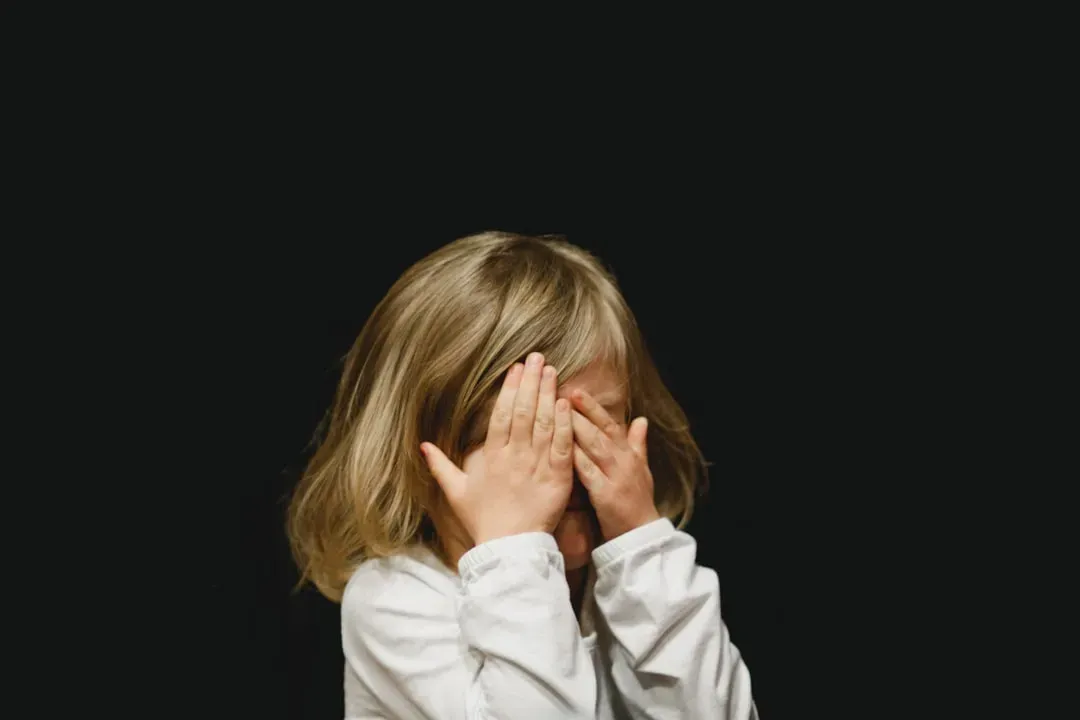
Many toddlers show strong preferences for night lights or open doors long before they hear ghost stories. The fear often peaks around ages three to six, a window when independence grows but real world experience remains limited. Researchers note similar timing across different societies.
This early emergence suggests the response develops with minimal cultural input. Children raised in brightly lit homes still report unease in dark rooms. The consistency points to an inherited sensitivity rather than learned behavior alone.
How Adults Experience the Same Pull
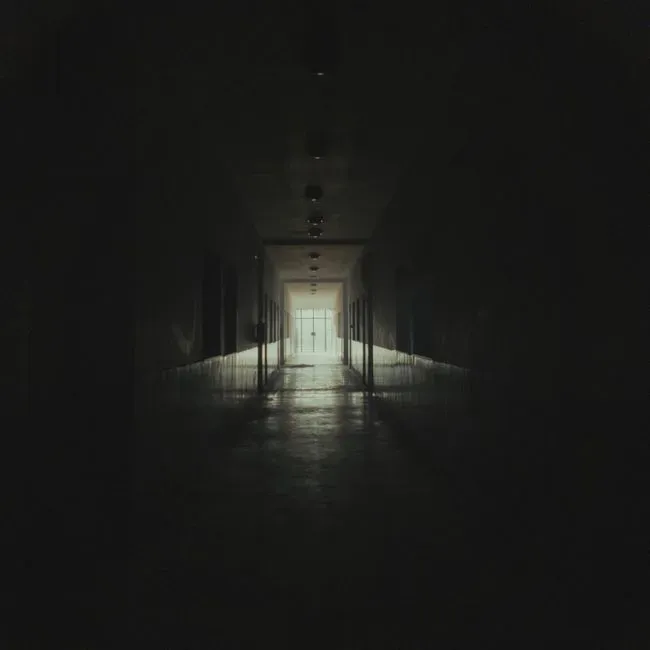
Even confident adults sometimes feel a brief hesitation before entering a dark basement or walking through an unlit park. The feeling passes quickly for most, yet it lingers enough to influence small decisions like leaving a hallway light on. Surveys find the reaction common across age groups and occupations.
Work environments that require night shifts often include extra lighting or paired patrols precisely because the discomfort affects focus. The response does not disappear with age or education. It simply becomes easier to manage through experience and context.
Connections to Everyday Anxiety
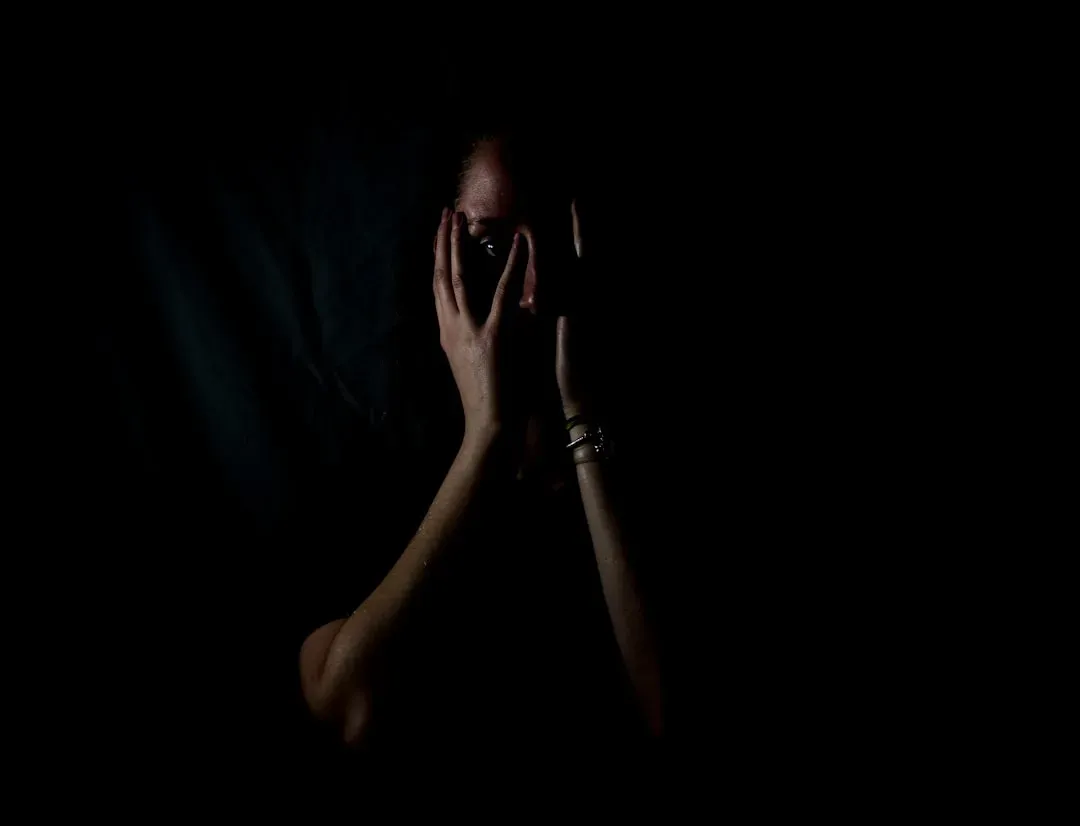
Extreme fear of the dark appears in some anxiety conditions, though milder versions affect far more people. The underlying mechanism overlaps with other vigilance systems that helped ancestors scan for danger. When the system stays active without real threats, it can feel draining over time.
Understanding the prehistoric root does not remove the feeling. It does offer a neutral explanation that reduces self judgment. Many find the knowledge helpful when they notice the reaction and choose to move forward anyway.
Why the Response Has Not Faded
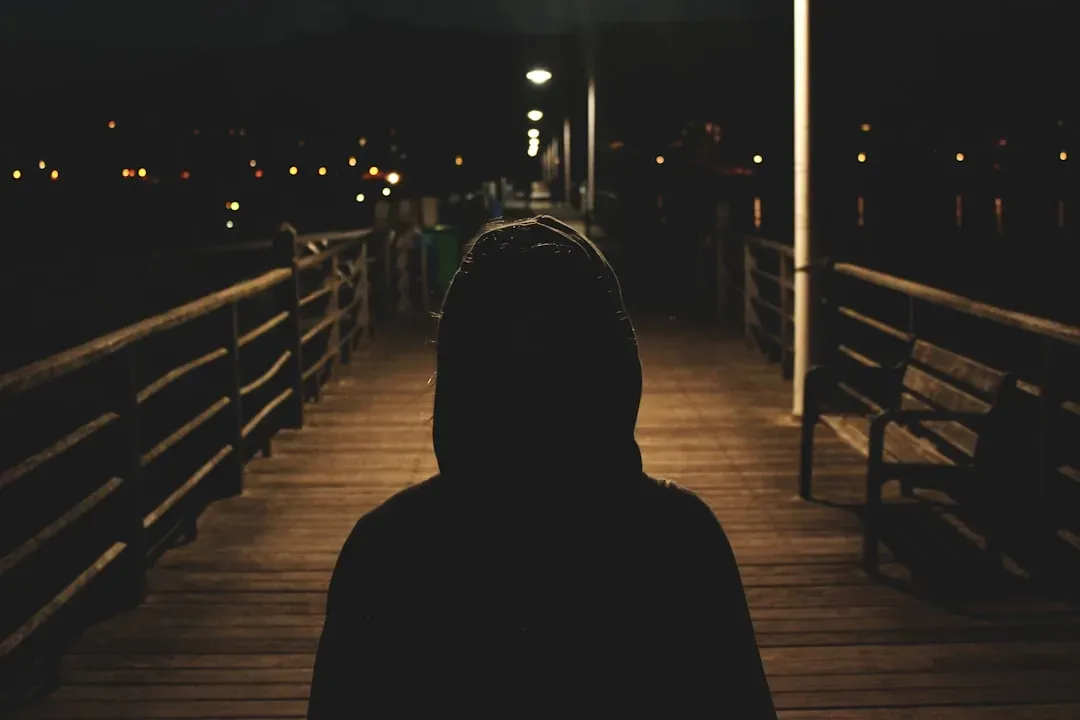
Modern safety removes most actual nighttime risks for the majority of people. Streetlights, locks, and emergency services create layers of protection unknown to earlier generations. Still, the brain does not update its default settings overnight.
Evolutionary change moves slowly compared with cultural and technological shifts. Traits that once provided clear benefits can persist even when daily life changes dramatically. The fear of darkness fits that pattern of retained caution.
Small Steps That Ease the Feeling
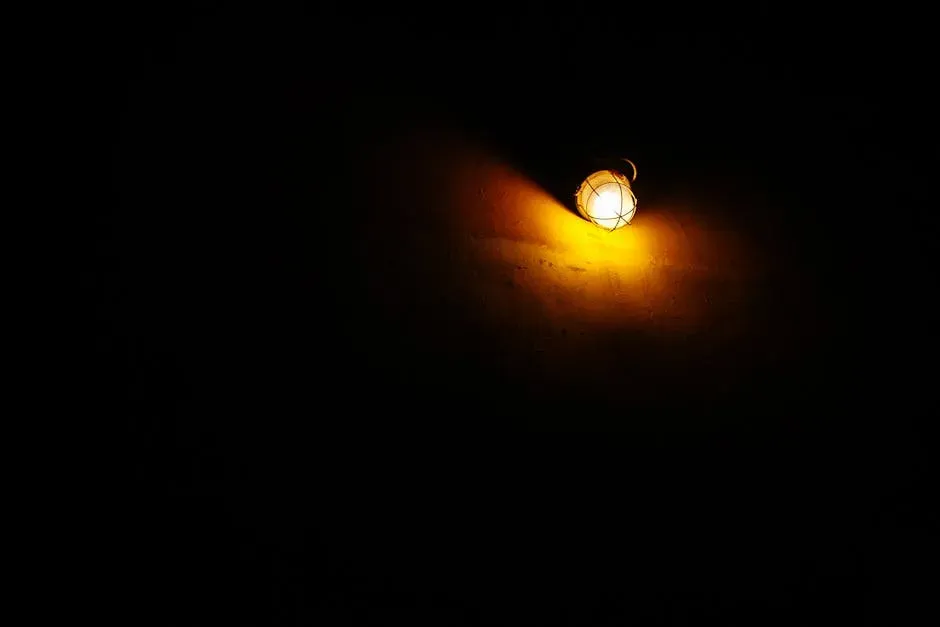
Simple adjustments like keeping a reliable light source nearby or gradually spending short periods in low light can reduce the intensity for some individuals. These approaches work with the existing response rather than fighting it directly. Consistency matters more than dramatic exposure.
Others notice improvement when they pair the experience with calm breathing or familiar sounds. The goal is not to erase an ancient signal but to keep it from interfering with ordinary routines. Progress looks different for each person.
Looking Ahead With This Knowledge
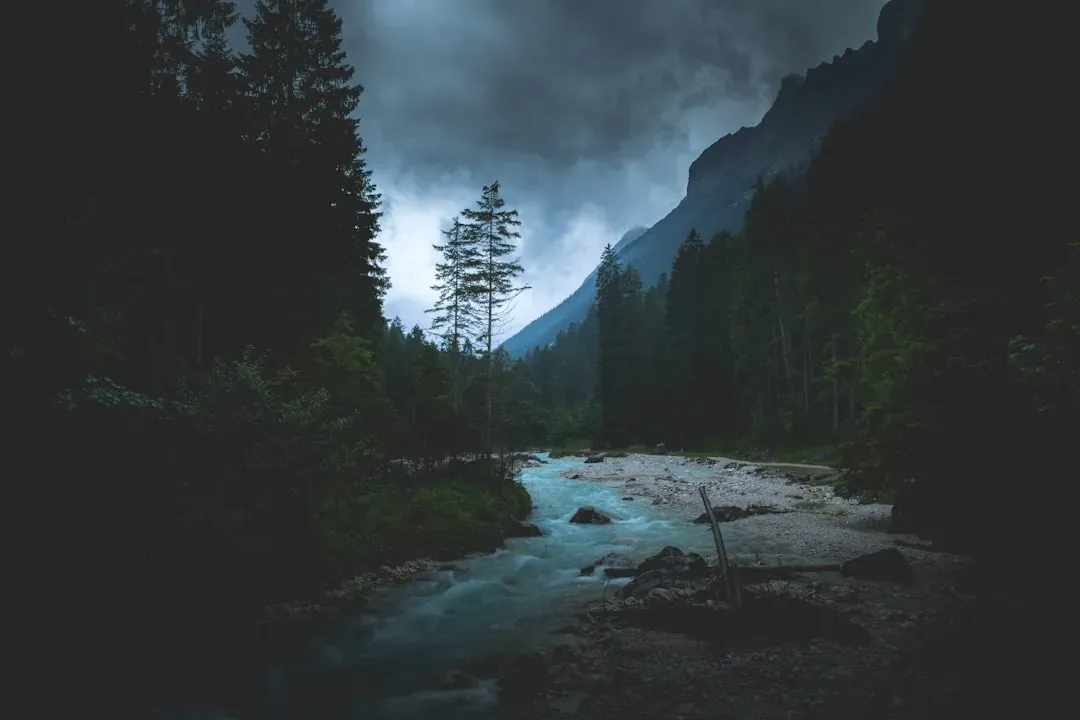
Recognizing the prehistoric source behind the unease puts the reaction in perspective without dismissing it. The same wiring that once kept people alive now operates in a safer world, which creates room for choice. People can honor the signal while deciding how much attention it deserves in any given moment.
Over time, that awareness tends to soften the edge of the response. The dark remains neutral. The brain simply carries an old instruction that once proved useful and still lingers because it cost little to keep.
