

Worried about unexpected vet bills?
Pet insurance can cover thousands in unexpected vet costs. Get a free quote from Lemonade in under 2 minutes.
Get My Free Quote →Sponsored · Opens Lemonade.com
America’s vast and varied landscapes harbor a plethora of wildlife that often eludes the eyes of humans. From dense forests to arid deserts, these creatures have adapted to thrive in their unique habitats. Many of these animals lead enigmatic lives, often shrouded in mystery, sparking curiosity and wonder. Join us as we delve into the secretive world of some of America’s most elusive wild animals, revealing insights into their behavior, habitats, and the very adaptations that make them so fascinating.
North America’s Elusive Wolverine
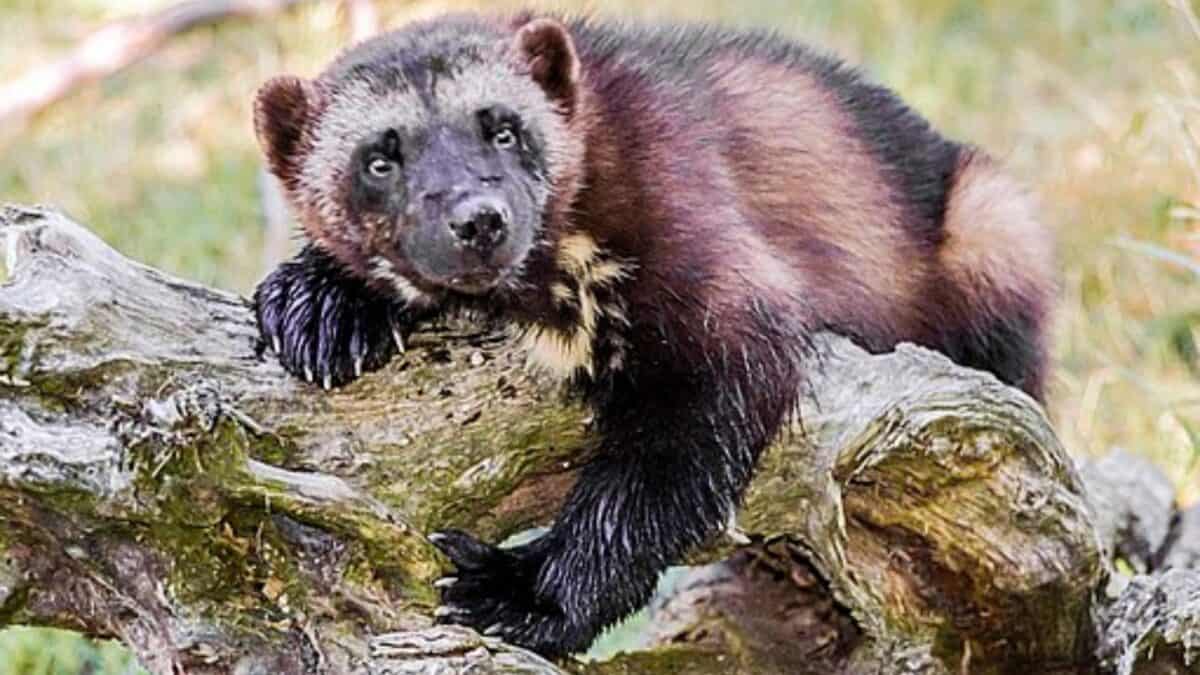
The wolverine, a creature often associated with fierce independence and raw power, resides in the remote wilderness areas of North America. Despite its formidable reputation, it remains rarely seen. Wolverines are solitary animals known for their incredible strength and determination, often traveling long distances in search of food. Adapted to both mountainous terrain and subarctic climates, these creatures play a crucial role in their ecosystem by controlling scavenger populations. Their secretive nature and struggle against habitat loss make them a symbol of wilderness perseverance.
The Ghostly Snowshoe Hare

The snowshoe hare’s elusive lifestyle is accentuated by its ability to blend seamlessly into its snowy winter environment. Found in northern forests, this creature’s fur changes color with the seasons, turning white in winter and brown in summer, an evolution designed for camouflage against predators. Their large hind feet act like snowshoes, enabling them to move swiftly across the snow. Despite their secretive nature, snowshoe hares play a critical role in the food web, serving as a primary food source for animals like lynxes and foxes.
Mysterious Behavior of the American Badger

American badgers are nocturnal creatures frequently found in open grasslands across western North America. Known for their solitary habits and burrowing expertise, these badgers have a fascinating relationship with other species; they often engage in cooperative hunting with coyotes, forming an unlikely partnership. The badger’s strong claws and keen sense of smell serve them well in unearthing prey such as rodents, while their cryptic behavior makes them a rarely seen but vital component of their ecosystem.
The Enigmatic Lives of Flying Squirrels
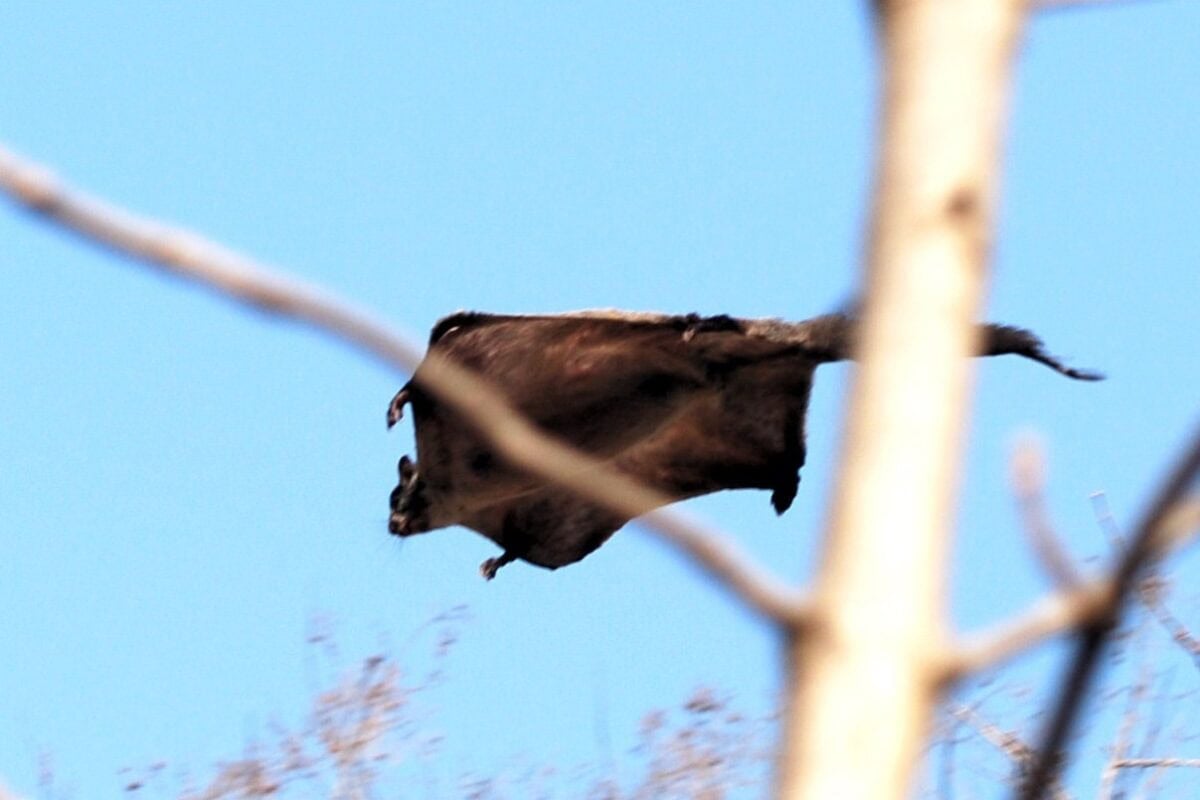
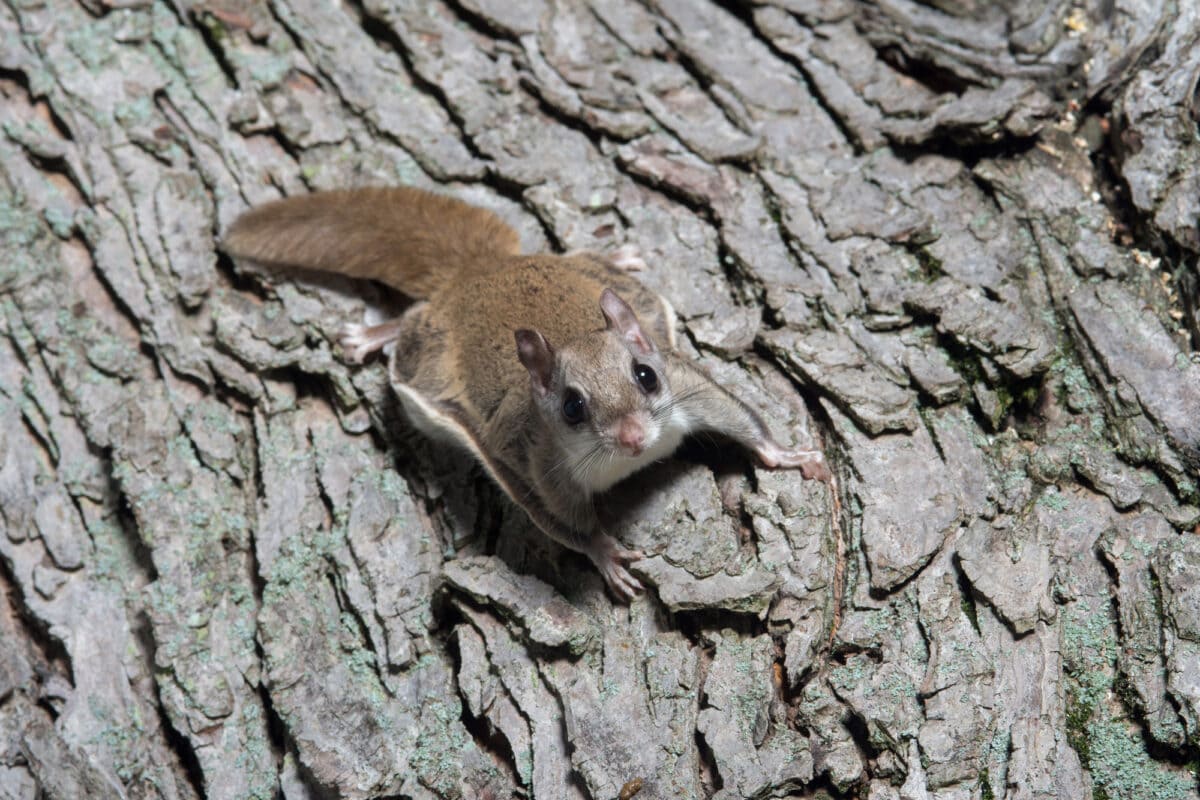
Flying squirrels are one of the most intriguing nocturnal animals found in American forests. Unlike their daytime counterparts, these gliders remain hidden from sight as they leap and glide between trees under the cover of darkness. Their large, gliding membranes allow them to travel short distances efficiently, avoiding predators while searching for food. These squirrels are vital for forest health as they aid in seed dispersal and fungal spore spread, playing hidden roles in maintaining the biodiversity of their habitats.
The Secretive Eastern Hellbender Salamander

The eastern hellbender is a massive, aquatic salamander inhabiting fast-flowing, clean rivers and streams in the eastern United States. Known colloquially as “snot otters” due to their slippery skin, these creatures lead hidden lives beneath rocks in riverbeds. They are crucial indicators of water quality and ecosystem health, consuming a diet primarily of crayfish. While hellbenders face threats from habitat destruction and pollution, their mysterious lifestyles continue to captivate biologists and conservationists alike.
The Stealthy Bobcat of North America
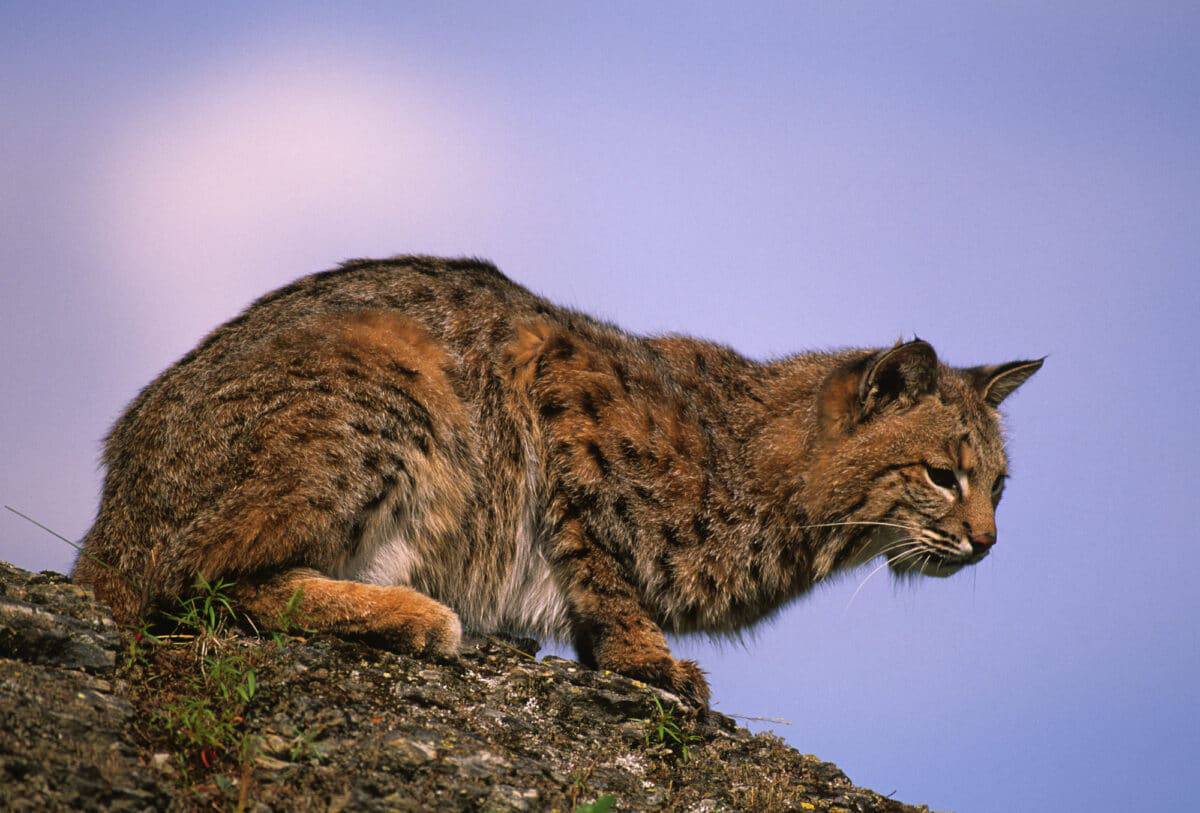
Bobcats are highly adaptable felines found throughout the United States, known for their stealthy nature and keen hunting abilities. They primarily hunt at night, using their acute senses of sight and smell to capture a diverse range of prey. Bobcats thrive in various environments, from dense forests to semideserts, demonstrating their adaptability. Despite being more common than other elusive predators, their solitary, nocturnal habits ensure they remain seldom seen, adding to their mystique.
The Covert Habits of North American Porcupines

North American porcupines are unique rodents equipped with quills for defense, often residing in forested and mountainous regions. These nocturnal creatures feed primarily on bark and leaves, and their solitary nature means they are rarely observed during the day. Porcupines are excellent climbers, often retreating to the safety of trees. Their reclusive existence shields them from predators, while their quills provide a formidable defense against inquisitive threats, maintaining their status as one of nature’s well-armored secrets.
The Elusive Gila Monster of the Southwest

The Gila monster is a venomous lizard inhabiting the deserts of the southwestern United States. Known for its vibrant skin and slow-moving demeanor, the Gila monster is a fascinating enigma. Most active in the cooler hours of the day, these lizards rely on their venom primarily for defense. Despite their lethargic reputation, they can deliver a painful bite when provoked. They spend much of their lives underground, emerging only to forage, making sightings rare and treasured by reptile enthusiasts.
The Silent Hunter: The Great Horned Owl
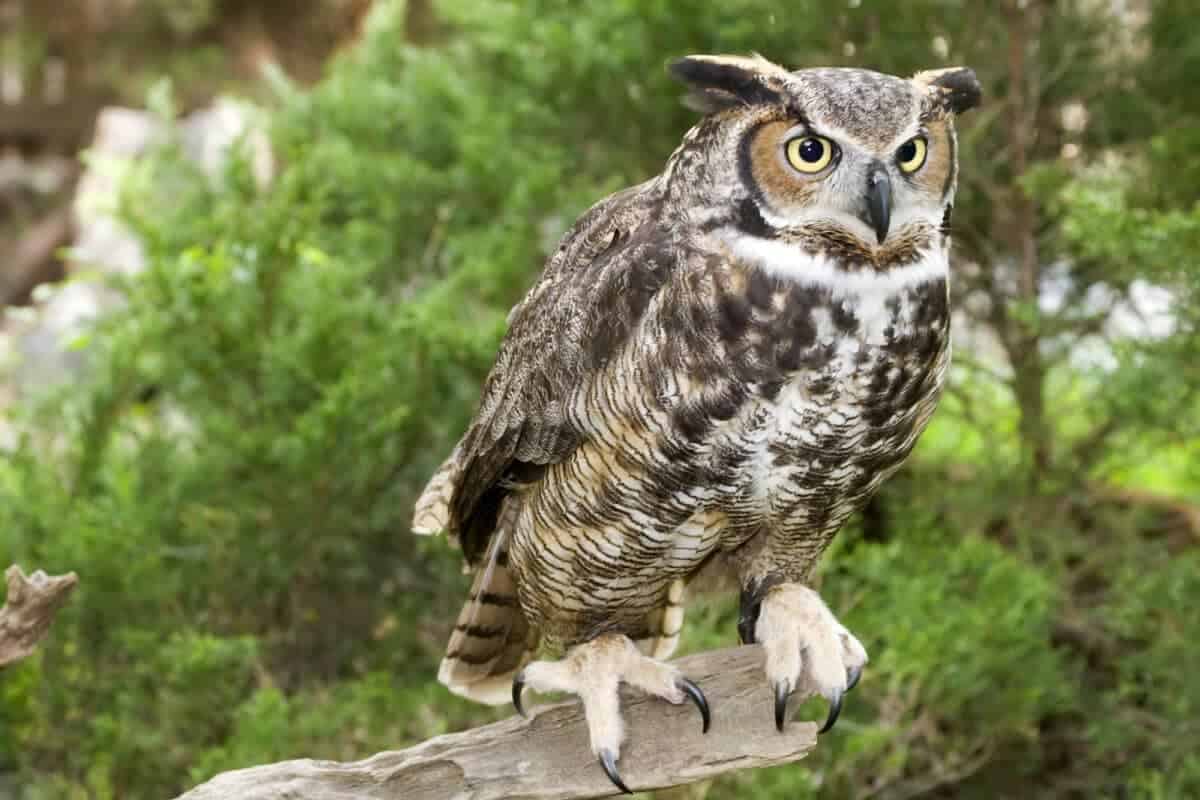
The great horned owl is a powerful predator with an extensive range that encompasses much of North America. Known for their silent flight and exceptional hunting skills, these nocturnal birds of prey are top-tier predators in the avian world. With their tufts resembling horns and keen eyesight, they silently stalk a variety of prey, from small mammals to other birds. Their ability to thrive in diverse habitats, from forests to urban areas, speaks to their adaptability, yet their night-time activities keep them largely out of human view.
The Crafty Lifestyle of the Coyote

Coyotes are highly adaptable canines found across North America, with a reputation for cunning and adaptability. Their varied diet and ability to thrive in both rural and urban environments have made them successful survivors. These nocturnal creatures communicate through a series of howls and yips, mostly remaining unseen by humans during daylight hours. Despite being often perceived as pests, coyotes play an important ecological role as both predators and scavengers, balancing animal populations in their territories.
The Secret Society of the Desert Kit Fox

The kit fox is a small fox species adapted to life in the arid climates of western North America. With large ears for dissipating heat and acute hearing to detect prey, kit foxes have evolved to thrive in tough desert conditions. These nocturnal hunters utilize sophisticated burrow systems for protection from the harsh daytime environment, exemplifying their adaptation to secretive living. Their elusive behavior, combined with their reclusive desert existence, ensures they remain some of the most enigmatic residents of the American desert.
The Enigmatic Migratory Patterns of the Monarch Butterfly

The monarch butterfly is one of the most famous migratory insects, embarking on a multi-generational journey between North America and central Mexico. The life cycle of these butterflies is shrouded in mystery, especially their navigational abilities. Monarchs follow an internal compass to their traditional wintering grounds, where millions gather each year. Despite being highly visible during migration peaks, many aspects of their lifecycle, such as how succeeding generations maintain migratory routes, remain unexplained. This blend of beauty, fragility, and mystery captivates the imagination of scientists and nature lovers alike.
Wild America
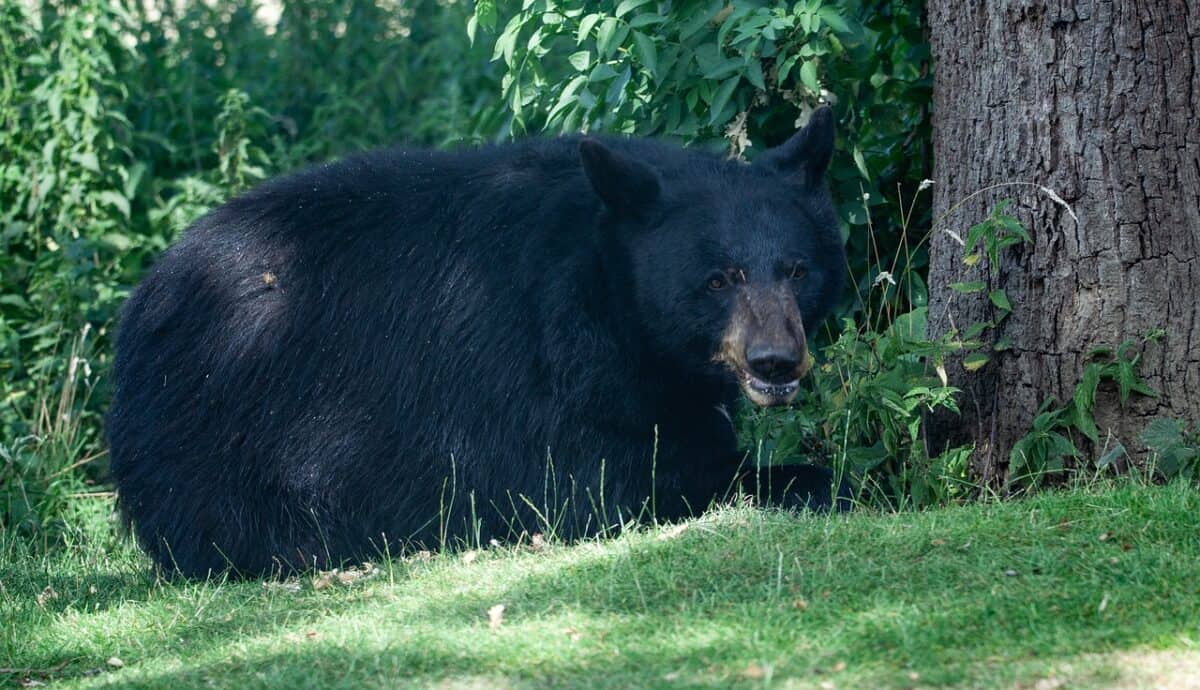
Wild creatures of America continue to captivate with their mysterious lives and incredible adaptations. Each animal serves a vital role in its ecosystem, contributing to the biodiversity that makes the wilderness so rich and vibrant. Understanding and appreciating their secretive behaviors not only enriches our knowledge of the natural world but also underscores the importance of preserving these habitats for future generations to explore and cherish.
Worried about unexpected vet bills?
Pet insurance can cover thousands in unexpected vet costs. Get a free quote from Lemonade in under 2 minutes.
Get My Free Quote →Sponsored · Opens Lemonade.com

From exploring the marine wonders in the Azores and witnessing the vast savannas of Kenya, to delving deep into the rich biodiversity of South Africa and traversing iconic landscapes in Australia and the US like Yellowstone, Chris's experiences are vast.
With a penchant for diving alongside sharks, the ocean holds a special place in his heart.
Through his academic insights, he champions wildlife conservation, striving with 'Animals Around The Globe' to cultivate a profound connection between humans and animals, enhancing our mutual appreciation.
Connect with him at Feedback@animalsaroundtheglobe.com.
- 10 Global Conservation Wins You Should Know About - June 4, 2026
- How This Creature Survives the Coldest Temperatures on Earth - June 4, 2026
- How Realistic Are the Animals in Finding Nemo? - June 4, 2026