

Camouflage in nature is a remarkable adaptation that allows animals to blend seamlessly into their surroundings. This ability to hide in plain sight serves various purposes, from evading predators to sneaking up on prey. In this article, we delve into the fascinating world of camouflage, exploring 12 incredible animals that have honed this ability to perfection. We’ll take you on a journey through different habitats where these creatures turn the art of disguise into a survival strategy.
Leaf-Tailed Gecko

The leaf-tailed gecko is an extraordinary reptile native to the rainforests of Madagascar. Its body mimics dried leaves, complete with vein patterns and a jagged edge. This remarkable mimicry allows it to blend into the forest floor or tree bark seamlessly. During the day, the leaf-tailed gecko remains motionless, its unique appearance making it nearly invisible to both predators and prey.
Stick Insect

Stick insects are masters of disguise found in various parts of the world, including Asia, Australia, and South America. These insects resemble twigs or branches so closely that they can easily be mistaken for one. Their elongated bodies, jointed legs, and natural colors help them blend into their arboreal surroundings, evading predators with ease.
Common Cuttlefish

The common cuttlefish is a marine magician, capable of changing its skin color and texture in the blink of an eye. This cephalopod uses specialized skin cells called chromatophores, leucophores, and iridophores to produce a wide range of patterns and hues. Whether hiding from predators or communicating with a mate, their adaptability is astounding, rendering them nearly invisible against sandy ocean floors or rocky reefs.
Ghost Pipefish
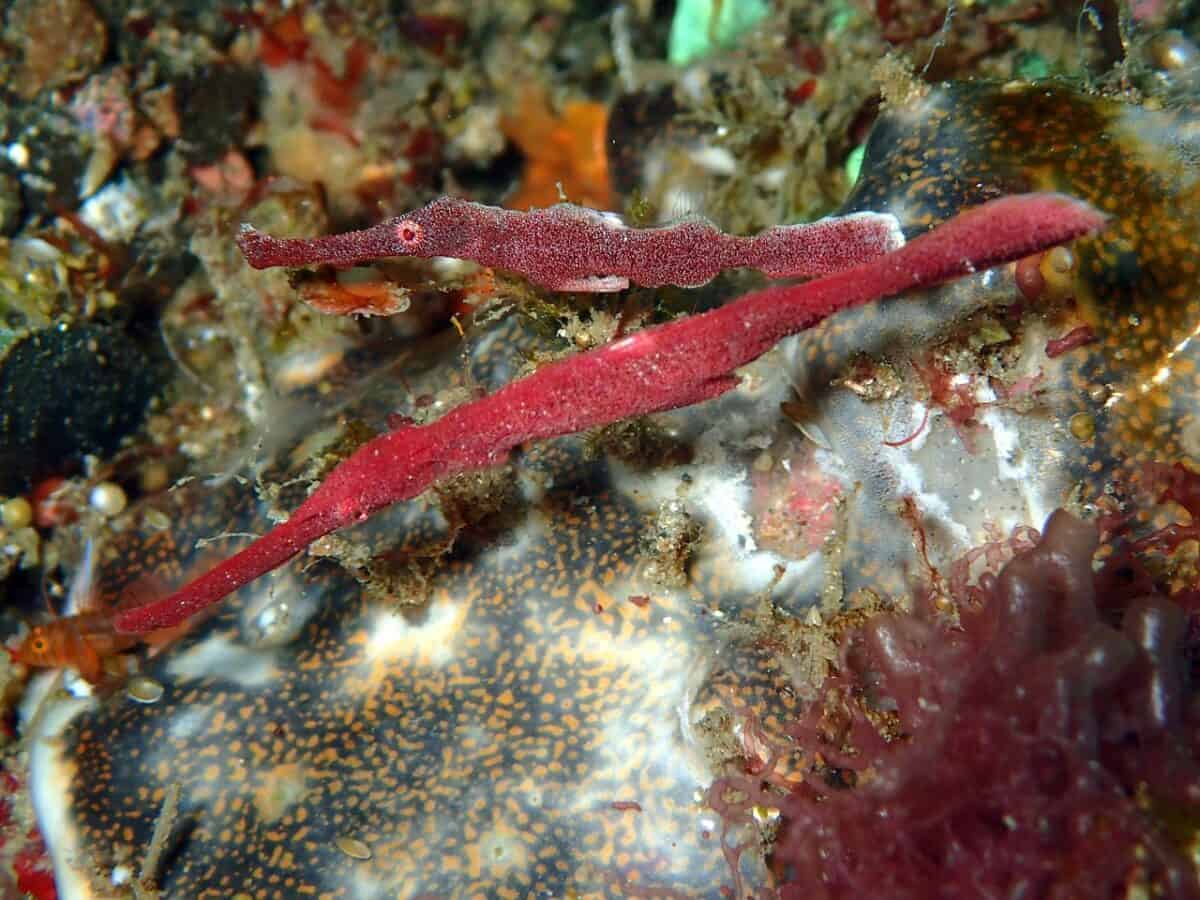
Ghost pipefish are enigmatic creatures found in the Indo-Pacific region. These fish have an ethereal appearance, with translucent bodies that help them blend into surrounding seaweed and corals. Their unique shape and colors allow them to go undetected by predators and prey as they gracefully drift with the ocean currents.
Arctic Fox

The Arctic fox is a marvel of seasonal camouflage, adapting its fur color according to the season. In winter, their coat turns pure white, matching the snowy landscape, while in summer, it changes to a brown or grey hue to blend with the tundra. This adaptation not only helps them remain inconspicuous but also assists in regulating their body temperature.
Dead Leaf Butterfly

Known scientifically as Kallima inachus, the dead leaf butterfly is an exquisite example of mimicry. When its wings are closed, this butterfly resembles a dry leaf, complete with realistic veins and a midrib. Native to Asia, this camouflage helps it avoid predators while resting on forest floors or in foliage.
Peppered Moth

The peppered moth is a classic case of evolutionary adaptation. Originally light-colored with dark speckles, these moths became darker during the Industrial Revolution due to pollution darkening the trees they rested on. This dark morph, known as the carbonaria form, helped them escape predation, showcasing natural selection in action.
Walking Leaf Insect

The walking leaf insect, found in Southeast Asia, takes mimicry to a whole new level. Resembling a leaf, complete with veins and a petiole, this insect can even sway back and forth, mimicking the movement of leaves blowing in the wind. This behavior makes them incredibly difficult for predators to detect.
Chameleon

Perhaps the most famous example of camouflage, chameleons can change their skin color through a combination of chromatophores and other specialized cells. This ability not only allows them to blend into different environments but also plays a role in social signaling and temperature regulation. They are found in Africa, Madagascar, and other warmer regions.
Jaguar

With their distinctive rosettes and spots, jaguars are built to blend into the dappled light of their rainforest habitat. This camouflage allows them to stalk and ambush prey with lethal efficiency. Found mainly in the Americas, these powerful cats rely on their stealth and disguise to thrive.
Rock Ptarmigan

Native to the cold regions of the Northern Hemisphere, the rock ptarmigan changes its plumage seasonally. In winter, its feathers are white, allowing it to blend into snowy landscapes, while in summer, it dons a mottled brown plumage that matches the rocky tundra. This seasonal adaptation aids its survival against predators.
Mimic Octopus
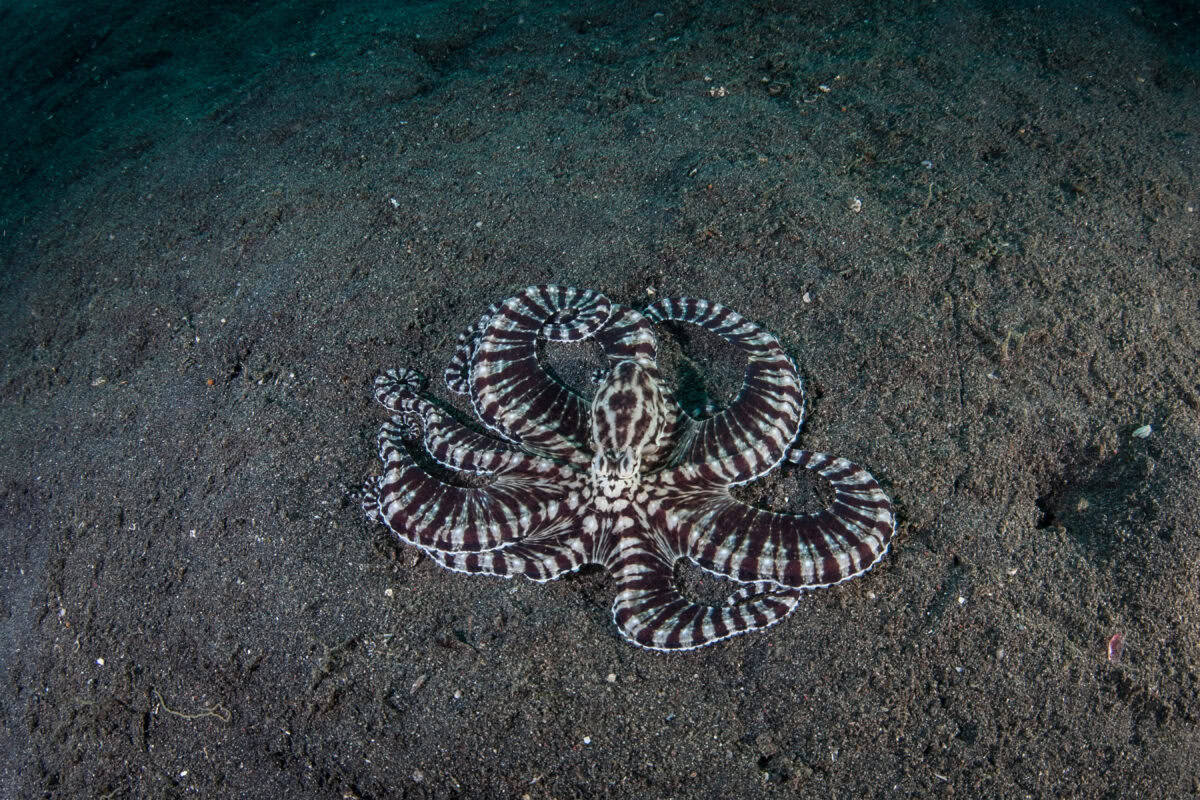
The mimic octopus is perhaps the most astounding of all camouflagers, capable of imitating the appearance and behaviors of various marine animals, such as lionfish, flatfish, and sea snakes. Found in Indo-Pacific waters, this octopus can change not only its color but also its shape, adapting its mimicry to suit the specific threat it faces.
Conclusion:

In summary, camouflage is a wondrous adaptation that demonstrates nature’s ingenuity. These 12 animals exemplify the diverse strategies and brilliant artistry involved in becoming invisible. Whether through changing colors, altering shapes, or mimicking other species, these creatures navigate their worlds with ease, creating a rich tapestry of survival techniques in nature’s grand design.

As a little kid, I fell in love with nature, wildlife, and animals. Living in the USA, South Africa, Italy, China and Germany gave me the opportunity to discover the world's Wildlife. My favorite animals are Mountain Gorillas, Siberian Tigers, and Great White Sharks.
I'm a certified PADI Open Water Diver, went to Everest Base Camp and Trekked Gorillas in Uganda. I hold a Master of Science in Economics and Finance.
Please send any feedback to feedback@animalsaroundtheglobe.com
- 11 Creatures That Can Survive a Nuclear Blast - July 21, 2026
- 10 Animals That Embody the Zodiac Sign of Capricorn - July 21, 2026
- 25 Dangerous U.S. Lakes & Rivers Where Swimming Could Be Risky – Don’t Ignore #1 - July 21, 2026