


Sharks have long fascinated scientists and the public alike, from their evolutionary history to their role in ocean ecosystems. Among these captivating creatures, one particularly enormous shark has recently caught the attention of the scientific community and the world, sparking a sense of awe and wonder. This article delves into the reasons why this gigantic predator is making waves in the world of marine biology.
The Discovery of an Ocean Giant

In the vast expanse of the ocean, a shark of unprecedented size was discovered, thrilling researchers who study these majestic predators. While details of its initial sighting remain closely guarded, the discovery drew attention due to its sheer size and potential impact on our understanding of shark biology and ecology.
Unveiling the Mystery: Species Identification

Identifying the species of this enormous shark was a top priority for scientists. It turned out to be a colossal great white shark, a species already renowned for its formidable size and hunting prowess. The significance of its size raised questions about the shark’s age, health, and diet.
Breaking Records with Gigantic Proportions

This particular shark shattered previous records with its impressive proportions, reaching lengths and weights that were previously unconfirmed for its species. Such dimensions exceed the average known sizes for great white sharks, making it a rare specimen and a subject of intense scientific interest.
The Challenge of Measuring Ocean Giants

Measuring such a colossal creature posed numerous challenges. Scientists employed a variety of tools, including satellite tagging and underwater cameras, to accurately document the shark’s size and behavior without causing it harm or distress.
The Role of Technology in Shark Research
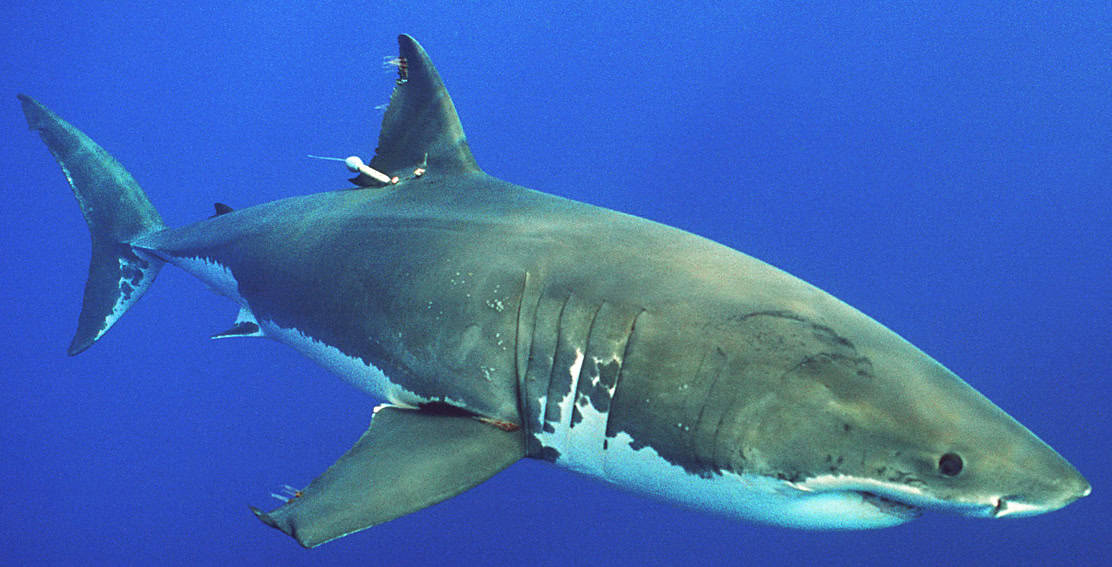
Advancements in technology play a crucial role in the research of large marine animals. For this reason, satellite tracking devices were used to monitor the shark’s movements and interactions, providing valuable data that enhances our understanding of not only this individual but also the species as a whole.
Understanding the Ecosystem Impact

The presence of such a large predator in the ocean can significantly impact the surrounding ecosystem. As apex predators, great white sharks regulate marine populations and maintain the health of oceanic habitats, highlighting the importance of studying their role in the ecosystem.
Insights into Shark Longevity and Growth

This enormous individual provides insights into how long sharks can live and how they grow. Researchers estimate that the shark’s impressive size suggests advanced age, lending credence to theories regarding the longevity and lifelong growth of larger shark species.
Diet and Hunting Strategies

Studying the dietary habits and hunting strategies of such a large predator is essential for understanding its ecological role. This great white shark’s diet likely consists of marine mammals and large fish, offering a glimpse into how it sustains its massive size in the wild.
Conservation Implications
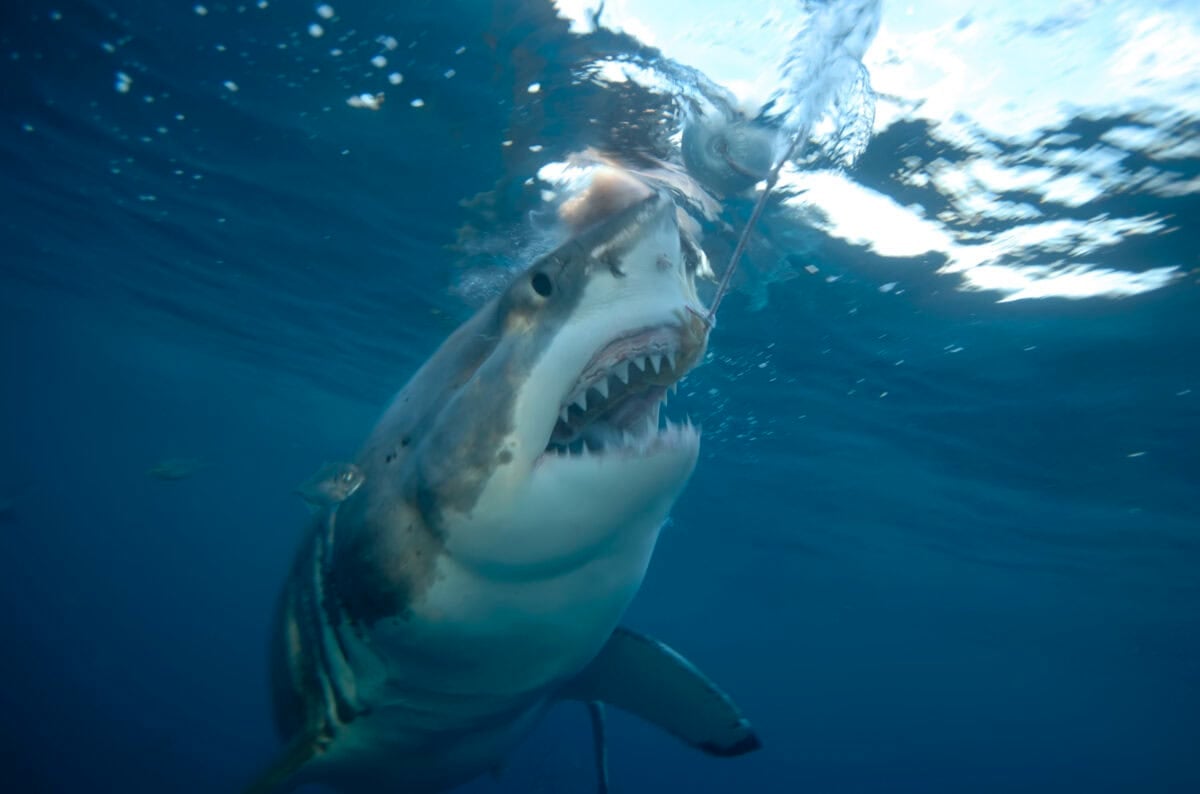
The discovery of this substantial great white shark holds vital implications for conservation efforts. As shark populations face numerous threats, understanding the needs and challenges of such large individuals can inform protective measures to safeguard these important creatures.
Public Fascination with Marine Giants

This awe-inspiring shark has captured public imagination, highlighting the enduring intrigue and respect that people have for these ancient marine predators. Public engagement and education are crucial for fostering conservation awareness and promoting research efforts.
The Future of Shark Research

The study of this enormous shark is just the beginning. Ongoing research aims to further unravel the mysteries of these magnificent animals, employing the latest technology and scientific methods to broaden our understanding of their complex lives.
Conclusion: A Swim into the Unknown

The awe-inspiring discovery of this enormous great white shark surrounded by mystery and awe reminds us of the ocean’s vastness and the many secrets it still holds. As science advances, so too does our understanding of these magnificent creatures, emphasizing the need for continued exploration and protection of our marine environments.
By learning more about the larger-than-life inhabitants of our oceans, we gain insight not only into their world but also into the interconnectedness of life on Earth, inspiring ongoing curiosity and a commitment to preserving the natural wonders of our planet.

From exploring the marine wonders in the Azores and witnessing the vast savannas of Kenya, to delving deep into the rich biodiversity of South Africa and traversing iconic landscapes in Australia and the US like Yellowstone, Chris's experiences are vast.
With a penchant for diving alongside sharks, the ocean holds a special place in his heart.
Through his academic insights, he champions wildlife conservation, striving with 'Animals Around The Globe' to cultivate a profound connection between humans and animals, enhancing our mutual appreciation.
Connect with him at Feedback@animalsaroundtheglobe.com.
- This Monkey Has a Mustache - July 21, 2026
- How Steve Irwin Changed the World’s View of Wildlife - July 21, 2026
- The Catfish That Caused Earthquakes in Japanese Folklore - July 21, 2026