
Wildlife tourism beckons millions of adventurers and animal lovers each year, promising up-close encounters and unforgettable experiences. But beneath the allure and excitement lies a more unsettling reality. While many tourists engage with wildlife with the best intentions at heart, some practices can inadvertently harm the very creatures they admire. This article delves deep into the hidden dangers of wildlife tourism, uncovering how certain activities can negatively impact animal wellbeing and what you can do to become a more responsible traveler.
The Rise of Wildlife Tourism

Wildlife tourism has grown exponentially over the years, offering people the chance to interact with animals in their natural habitats or in captivity. From safaris in Africa to swimming with dolphins in the Caribbean, the allure of these experiences is undeniable. However, this increasing demand has led to a proliferation of wildlife-related attractions, not all of which prioritize animal welfare.
The Thin Line Between Conservation and Exploitation
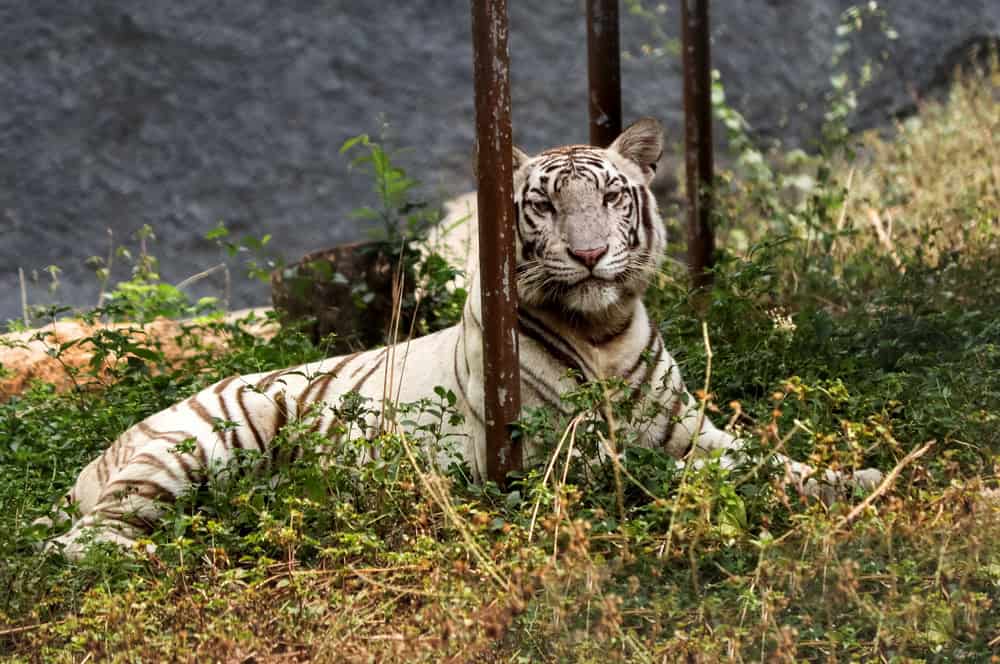
Many wildlife tourist attractions claim to contribute to conservation efforts. While some genuinely do, others use conservation as a façade for exploitative practices that prioritize profit over animal welfare. Distinguishing between the two can be challenging for the average tourist but is crucial for ethical animal tourism.
The Stress of Human Interaction

For many animals, constant interaction with humans can be stressful and frightening. Even when tourists maintain a respectable distance, the presence of humans can alter animals’ natural behaviors, impacting their feeding, mating, and socializing practices.
The Dark Side of Animal Performances
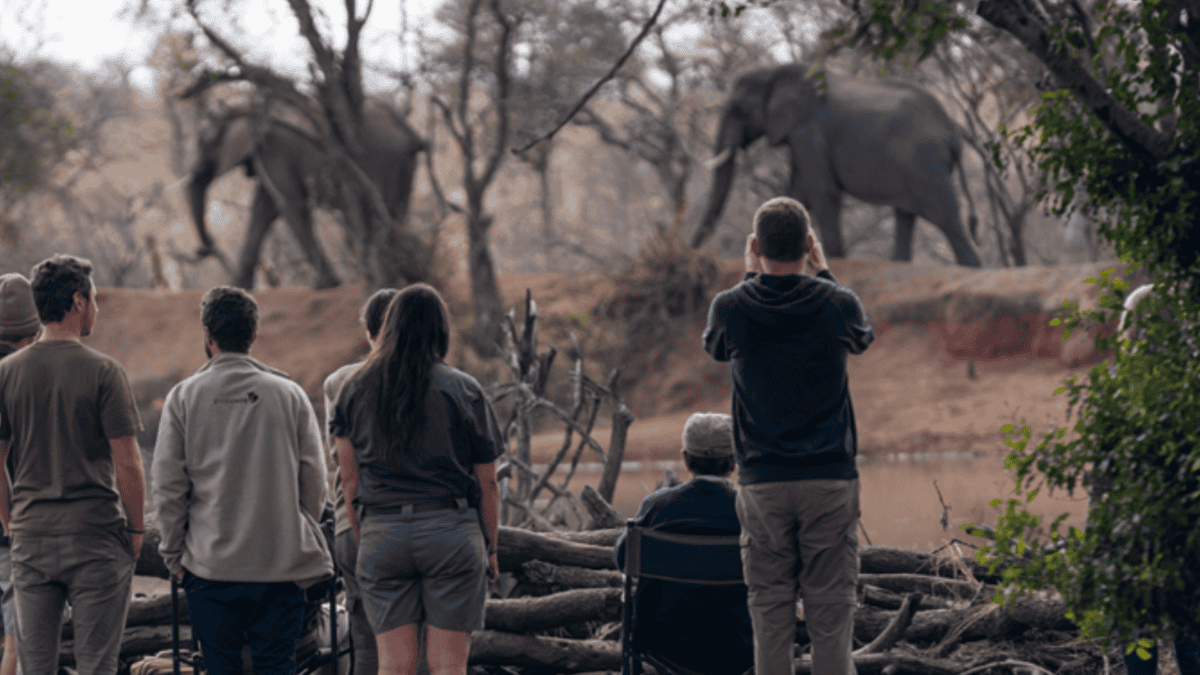
Shows and performances that feature animals doing unnatural tricks are a glaring example of harmful wildlife tourism. Training methods can be harsh and inhumane, often involving physical punishment to ensure compliance. Such practices can lead to long-term psychological and physical trauma for the animals involved.
Feeding Wildlife: A Harmful Act of Kindness
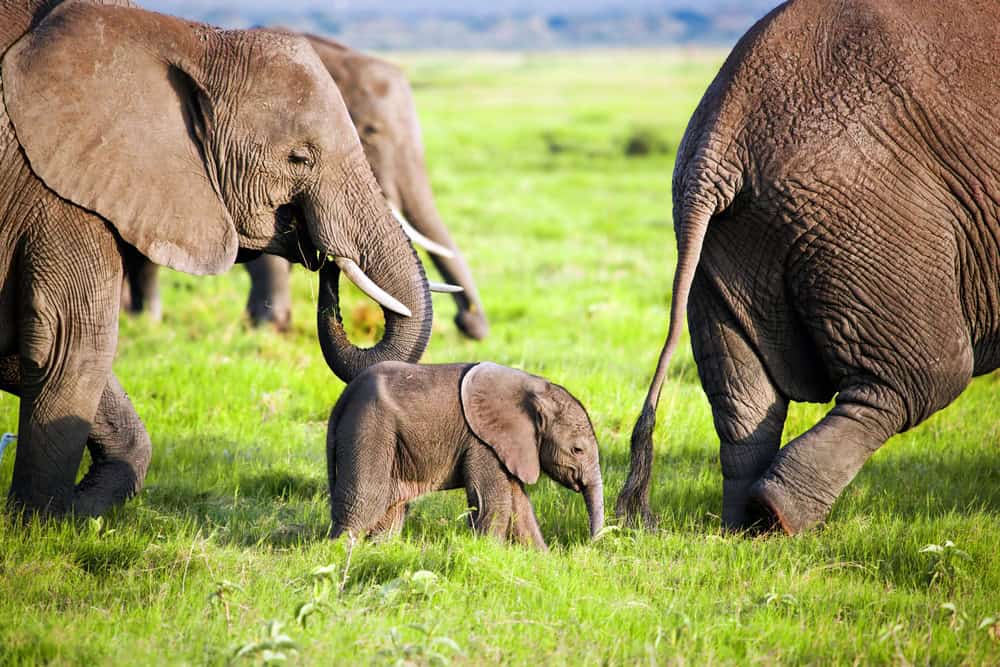
Feeding wildlife might seem like a benign way to connect with nature, but it can have detrimental effects. Animals can become dependent on human-provided food, lose their natural fear of humans, and in some cases, can become aggressive.
The Problem with Captivity
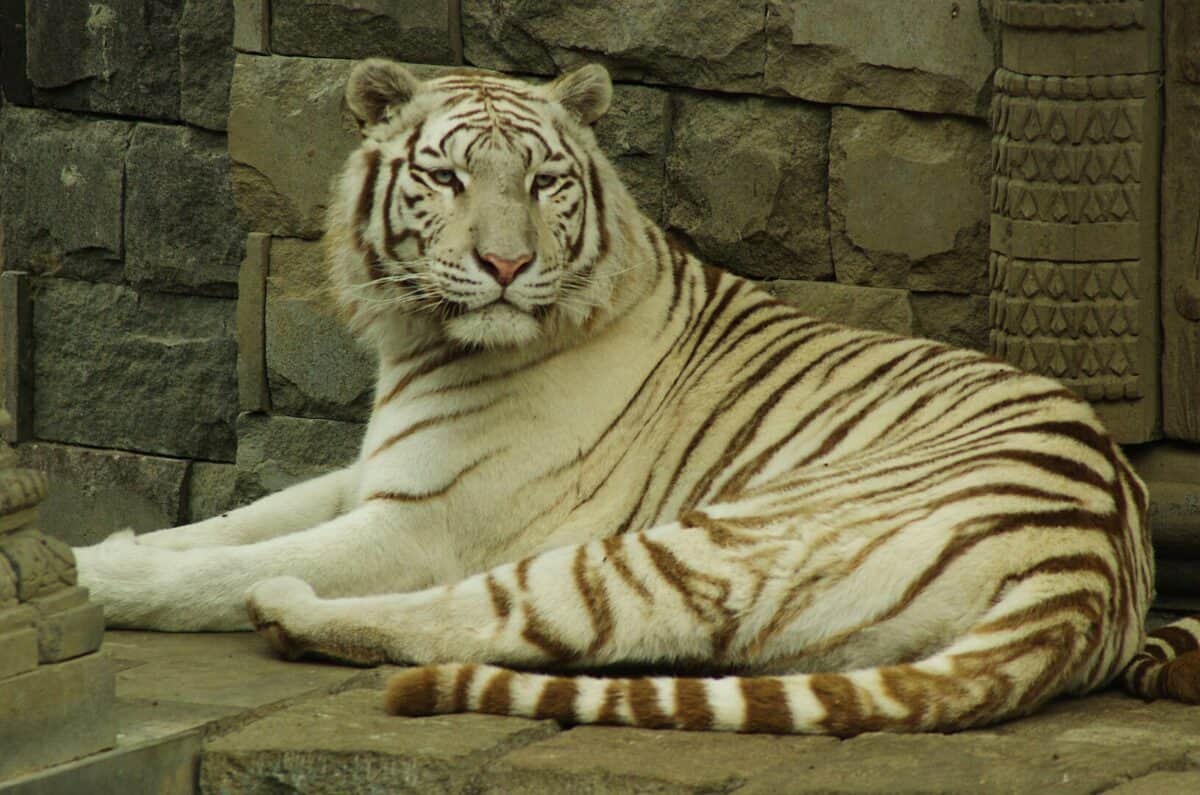
Keeping wild animals in captivity for entertainment is fraught with ethical issues. Inadequate living conditions, lack of stimulation, and social isolation can take a toll on an animal’s mental and physical health. Enclosures often fail to replicate the animal’s natural environment, leading to abnormal behavior and decreased lifespans.
Selfies and Animal Welfare

The quest for the perfect wildlife selfie can also contribute to animal suffering. To facilitate close encounters, animals are sometimes restrained or sedated. This not only poses immediate risks to their well-being but also sends a message that animals are props rather than sentient beings deserving of respect.
Wildlife Souvenirs: Hidden Cruelty
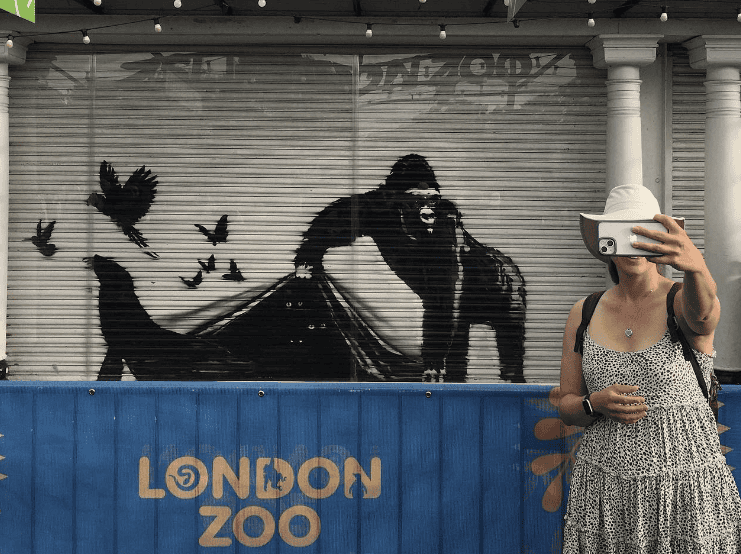
Purchasing souvenirs made from animal products is another aspect of wildlife tourism that fuels exploitation. From ivory to sea turtle shells, these souvenirs often come from endangered species and contribute to wildlife trafficking.
Responsible Wildlife Tourism: A Path Forward
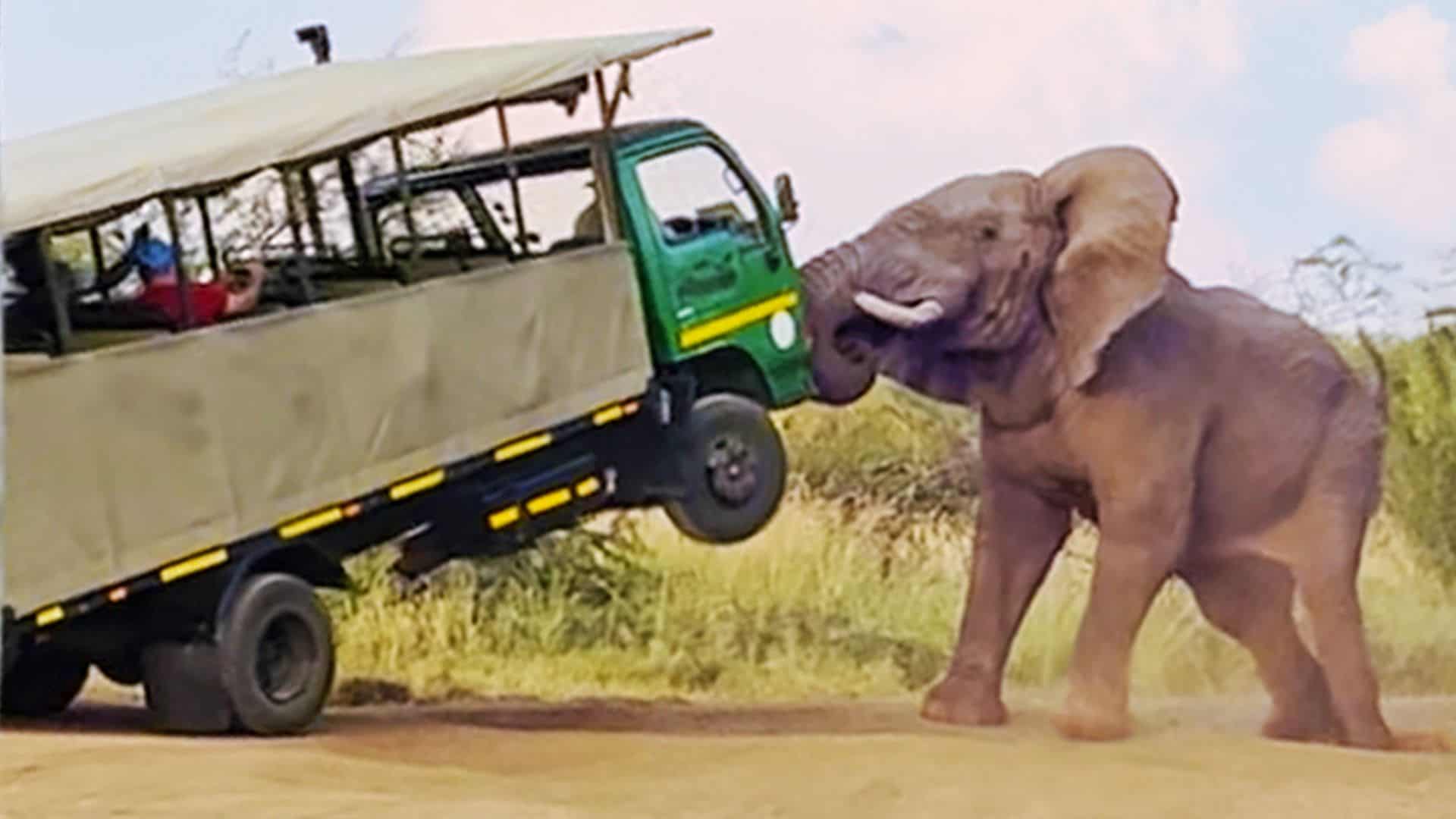
Responsible wildlife tourism involves choosing activities and organizations that prioritize animal welfare and conservation. This means doing thorough research, respecting animal habitats, and advocating for ethical practices in the tourism industry.
Supporting Ethical Sanctuaries and Reserves

One way to ensure a positive impact is to support sanctuaries and reserves that operate with the highest standards of animal care and conservation in mind. These places often offer educational experiences that raise awareness about conservation issues without exploiting animals.
Voluntourism: Helping or Hurting?

Volunteering with wildlife can be a rewarding experience, but it’s important to scrutinize the ethics of these programs. Some voluntourism opportunities do more harm than good, disrupting local ecosystems and exploiting the animals they claim to protect.
Becoming a Voice for Wildlife

Lastly, wildlife lovers can play a pivotal role in safeguarding animal well-being by advocating for change. This involves raising awareness about the negative impacts of certain wildlife tourism practices and supporting legislation that protects animals.
Conclusion: Your Role in Protecting Wildlife

Wildlife tourism doesn’t have to be a tale of unintentional harm. By becoming informed and conscientious travelers, we can ensure that our encounters with the natural world are respectful, ethical, and truly conservation-minded. It’s up to each of us to decide the kind of footprint we leave behind in our adventures. Whether through choosing responsible experiences, supporting ethical organizations, or raising awareness, every effort counts in ensuring the welfare of the wild animals we admire.
By adopting a more mindful approach to wildlife tourism, we can transform our love for animals into a force for good, contributing to the preservation of these magnificent creatures for generations to come.

- Finding Nemo’s Villains: Are Barracudas Really That Dangerous? - August 13, 2026
- This Massive Bird Can Fly—But Barely - August 12, 2026
- Deadliest Creatures Found in Freshwater Rivers - August 12, 2026