
Nature is full of animals that shape the land around them. These “geomorphs” dig, build, and even fertilize ecosystems, playing a key role in the environment. But as human activity disrupts habitats, many of these species are declining—along with the landscapes they help maintain.
How Animals Shape the Land

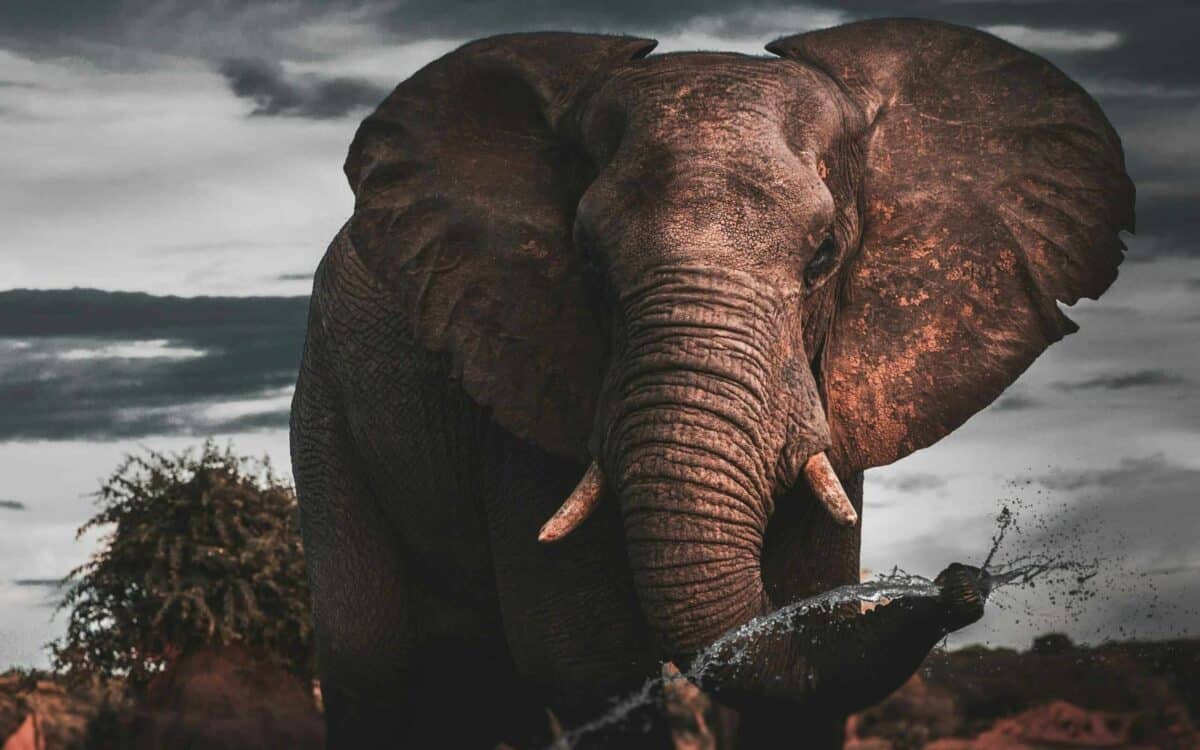
From beavers building dams to elephants clearing paths in forests, geomorphs physically transform their surroundings. Prairie dogs aerate the soil with their tunnels, while seabirds enrich coastal ecosystems with their nutrient-rich droppings. Even coral reefs act as natural architects, forming the foundation of entire marine habitats. Without these species, landscapes would look very different.
The Disappearance of Key Geomorphs

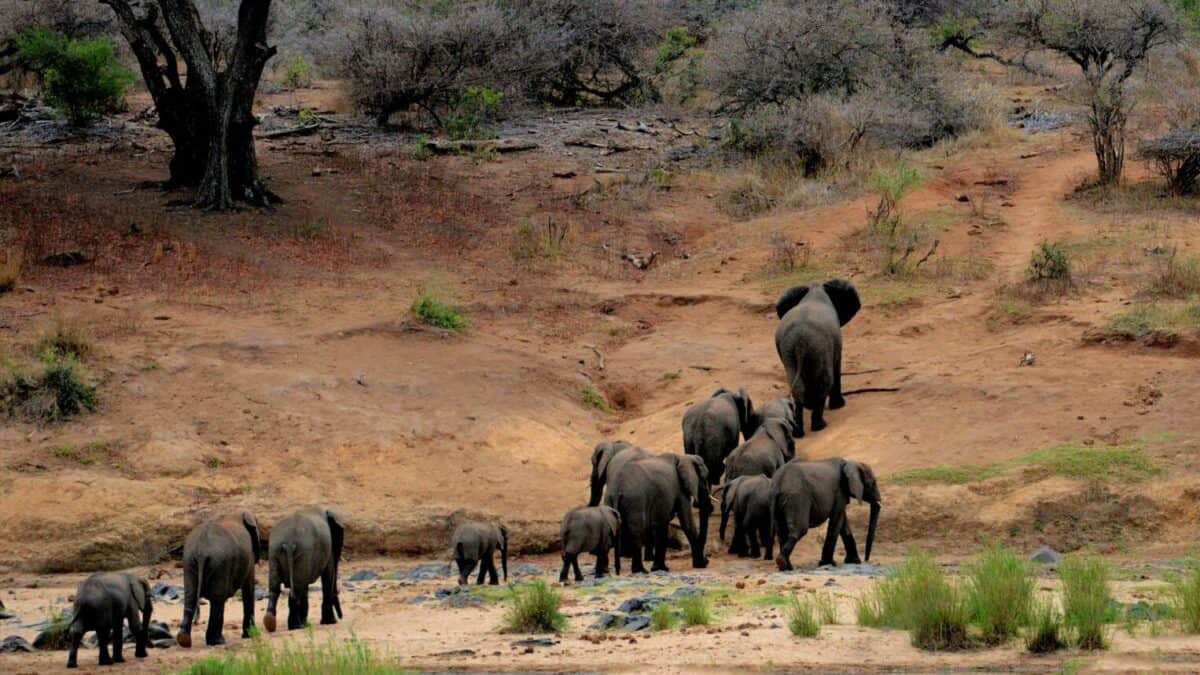
Many of these natural engineers are under threat. Elephants, which help maintain open grasslands, face poaching and habitat loss. Beavers, once nearly wiped out, are still recovering in some areas. Coral reefs, essential for marine biodiversity, are dying due to rising ocean temperatures. When these animals disappear, entire ecosystems suffer.
What Happens When Geomorphs Decline?

The loss of geomorphs leads to cascading environmental changes. Without beavers, wetlands dry up. When elephants vanish, forests become overcrowded with vegetation, altering food sources for other animals. Declining seabird populations mean fewer nutrients for coastal ecosystems, impacting fish and plant life. These shifts can permanently change landscapes.
Conservation Efforts and Challenges

Efforts to protect these species are underway. Beavers are being reintroduced to restore wetlands, and elephant corridors help maintain their role in shaping grasslands. However, conservation is an uphill battle, with climate change and habitat destruction continuing to threaten these essential animals.
Why Saving Geomorphs Matters
Protecting geomorphs isn’t just about saving individual species—it’s about preserving entire ecosystems. These animals have shaped the planet for thousands of years, and without them, nature’s balance is at risk. By supporting conservation efforts, we can help ensure that these natural architects continue shaping the world for generations to come.
adventuring, photography and videography. I am currently working towards a BSc in Biodiversity and Ecology at Stellenbosch University to go on to specialise in Marine Sciences one day.
Please send any feedback to Feedback@animalsaroundtheglobe.com
- Top 21 Must-see Birds For Bird Watchers In America - July 20, 2026
- Italy Mourns Hero Police Dog Killed by Food Laced with Nails - July 20, 2026
- Pigeon Turns into Fashionista and Wears Bread - July 19, 2026