

Worried about unexpected vet bills?
Pet insurance can cover thousands in unexpected vet costs. Get a free quote from Lemonade in under 2 minutes.
Get My Free Quote →Sponsored · Opens Lemonade.com
The United States boasts a fascinating subterranean world teeming with unique and unusual creatures. These cave dwellers have adapted to their dark, isolated habitats in remarkable ways, some of which remain a mystery to scientists. Join us as we delve into the depths of American caves to uncover ten of the strangest creatures ever found. From eyeless fish to glow-in-the-dark critters, each has a story to tell about the resilience and versatility of life.
The Subterranean Salamander

Meet the subterranean salamander, known scientifically as the Texas blind salamander. Found primarily in the Edwards Aquifer in Texas, this amphibian has perfected the art of living in darkness. Lacking pigment and eyes, this salamander senses its surroundings through vibration and touch, relying on a heightened sense of smell and specialized sensory organs to navigate its murky home.
The Cave Crawfish
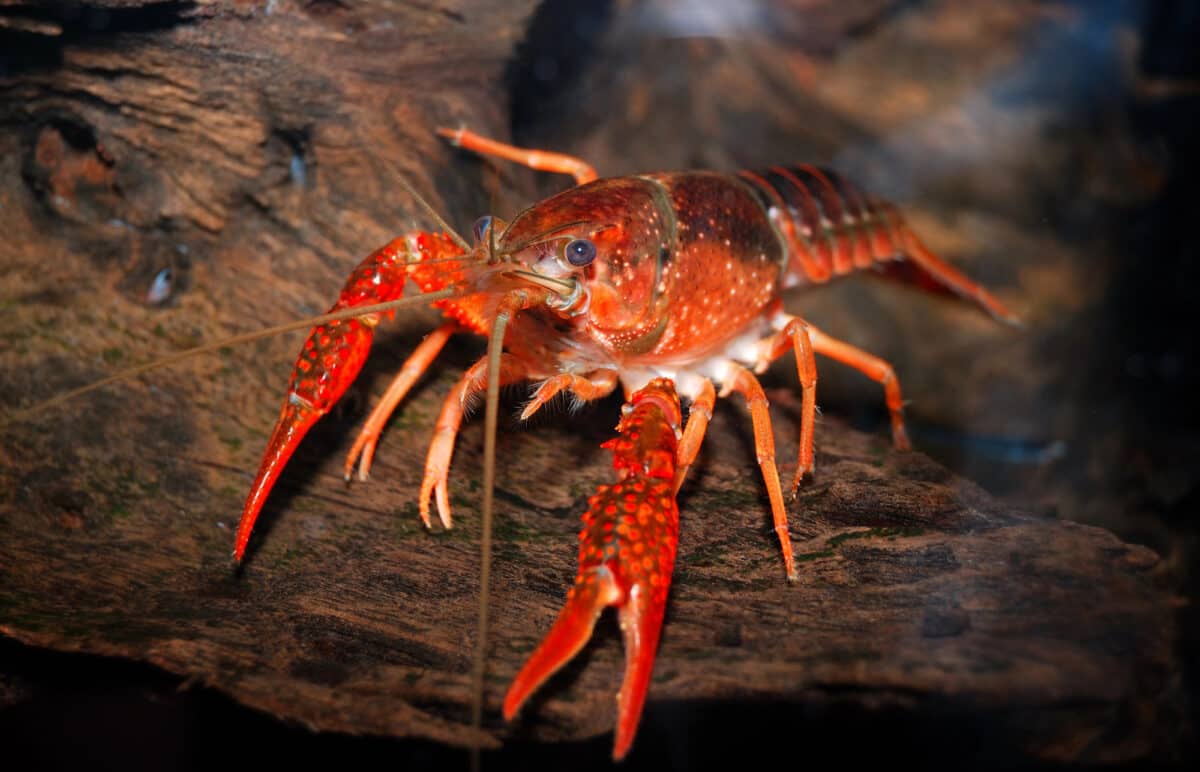
Cave crawfish, such as the Alabama cave crayfish, have evolved to thrive in nutrient-poor environments. These crustaceans have long, spindly legs and are often white or translucent due to a lack of pigment. Spending their lives in total darkness, they have adapted to survive with minimal food sources by having slow metabolisms and an ability to store fat efficiently.
The Ozark Cavefish

The Ozark cavefish is a marvel of anatomical adaptation. This small, eyeless fish is native to Missouri, Arkansas, and Oklahoma. Its lack of pigmentation and eyesight allows it to better concentrate on other senses such as detecting water pressure changes and vibrations, which are essential for hunting prey in dark, subterranean streams.
The Bioluminescent Millipede

Deep within the caves of California’s Sierra Nevada, the Motyxia millipedes produce a stunning light show through bioluminescence. This glow isn’t just for show; it serves as a warning to predators about the toxic cyanide compounds they secrete. This adaptation highlights the wonders of natural selection in action, creating a balance between defense and attraction in the wild.
The Cumberland Caverns Spider

In the depths of Tennessee’s Cumberland Caverns lurks a spider with extraordinary adaptations. This arachnid has developed a strategy of slow, deliberate movements, conserving energy reserves within a habitat where food is scarce. While it may seem simple in appearance, the Cumberland Caverns spider is a master of blending in with its rocky environment, using its legs to detect prey with remarkable precision.
The Cave Orconectes
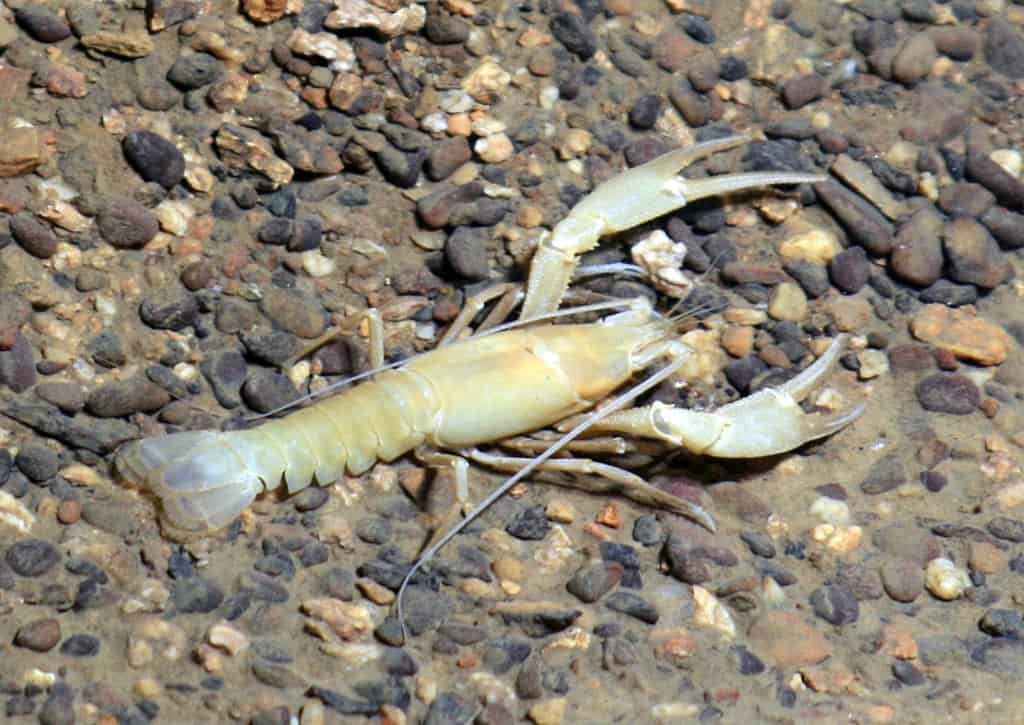
This unique species of crayfish, synonymous with American cave ecosystems, exemplifies the fascinating evolutionary pathways of cavern-dwelling organisms. With its pale, sightless appearance and heightened tactile sensory abilities, the cave Orconectes has honed its survival skills for a world unseen yet intricately felt.
The Blind Nothonotus
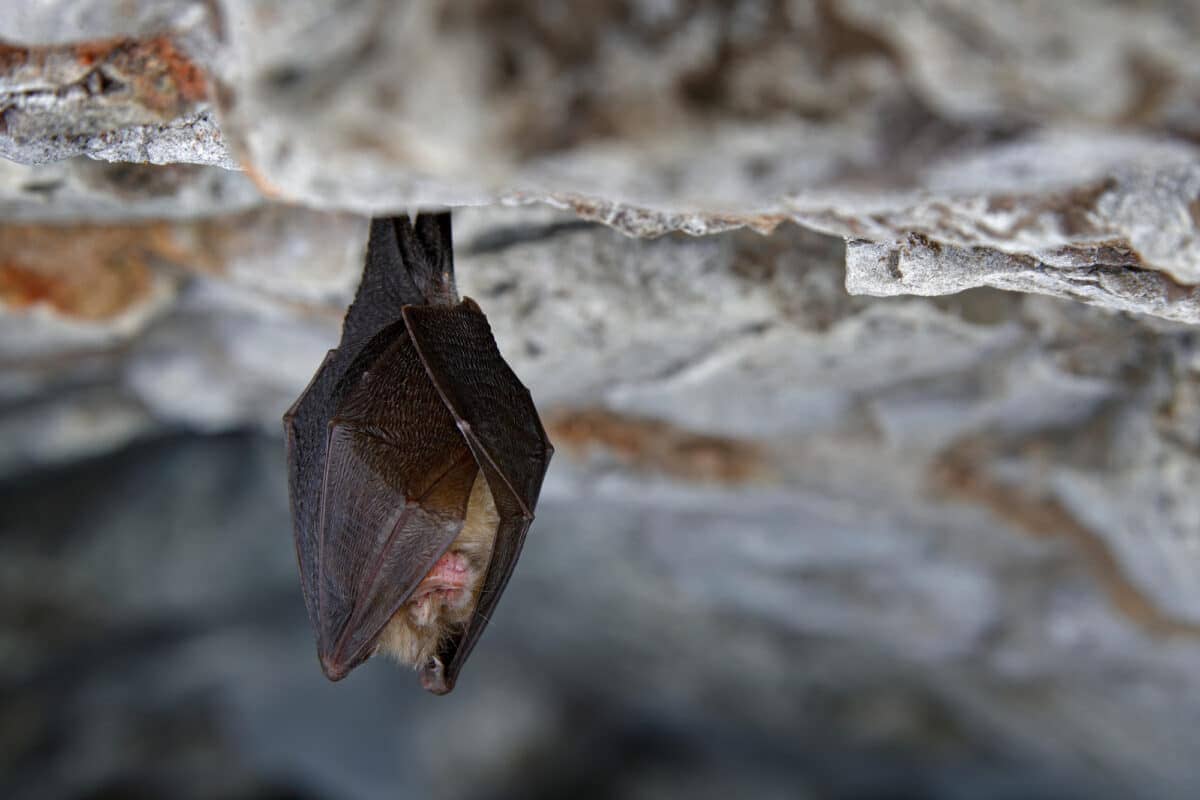
Residing in the cool, underground waters of Indiana, the blind Nothonotus is a testament to the evolution of life in cave ecosystems. With vestigial eyes and translucent skin, it deftly navigates the dark using its delicate lateral line—a sensory organ that detects water movements and vibrations created by prey and potential threats.
The Cave Beetle
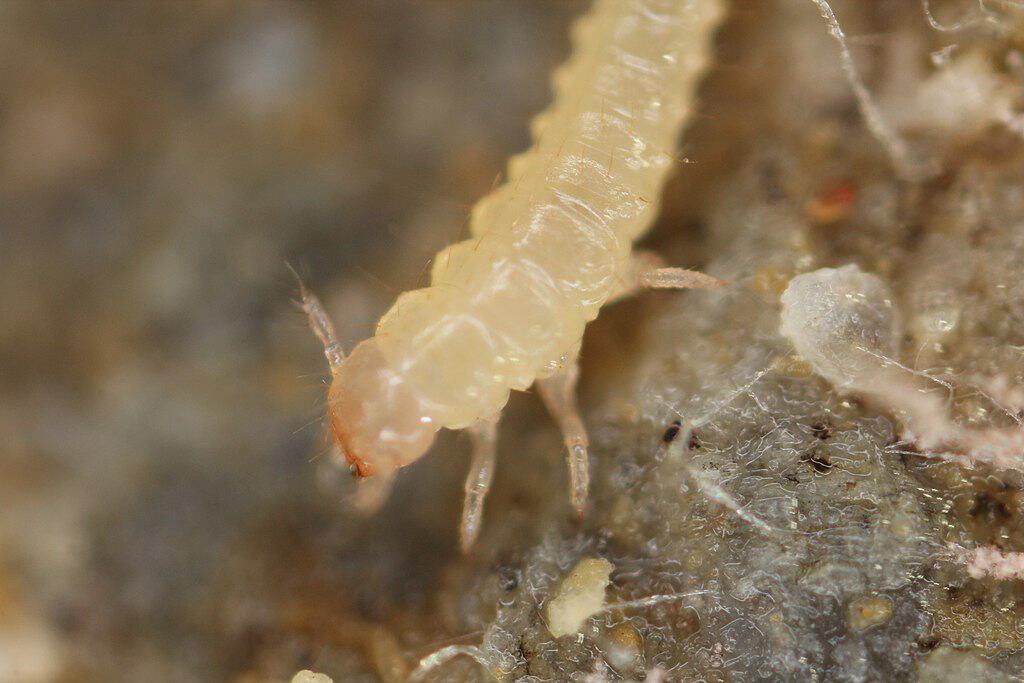
Enter the world of the Kentucky cave beetle, which remains a classic example of adaptation in low-light environments. Unlike other beetles, its wings are reduced, promoting survival within the confined spaces of caves. It feeds primarily on fungi and decomposing organic material, contributing to the nutrient cycle within its ecosystem.
The Hidden Mountain Springtail
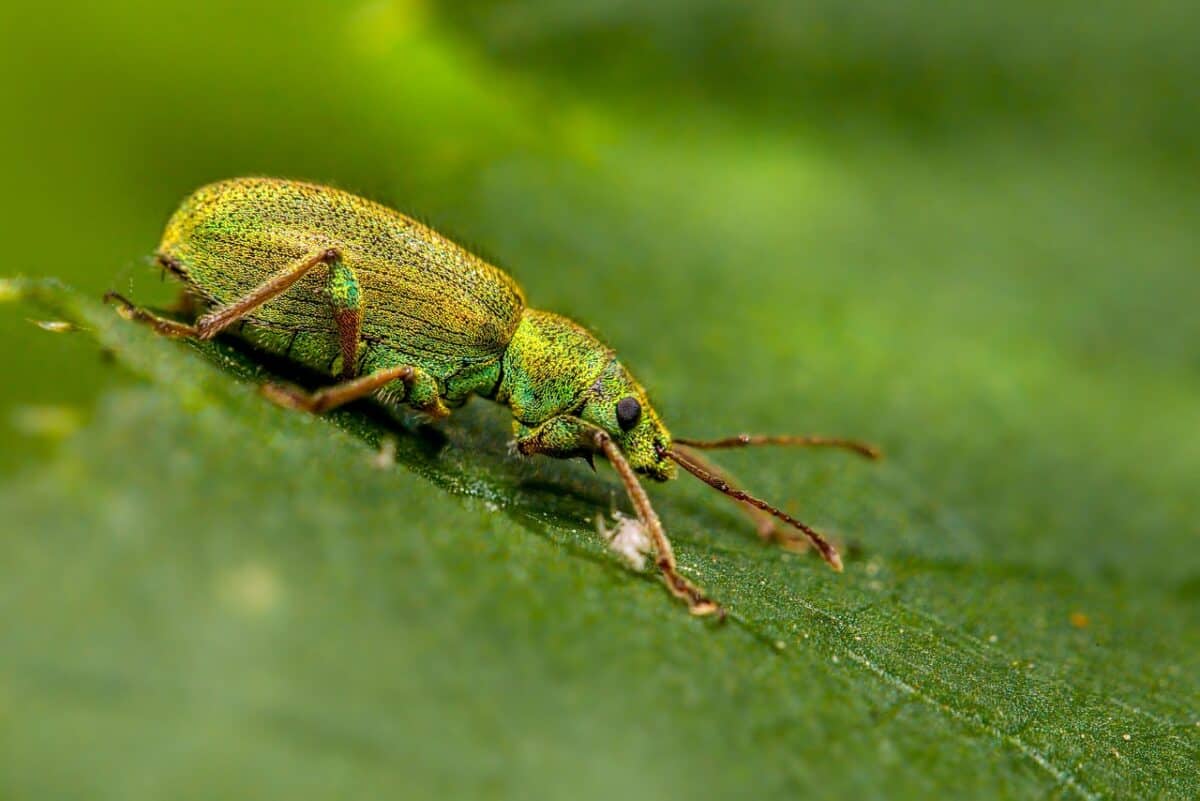
Springtails are small, soil-dwelling creatures found across the globe, yet only a select few call caves their home. The Hidden Mountain springtail in New Mexico is a prime example. With bodies adapted for moisture retention and gas exchange in damp environments, these tiny hexapods thrive in the high humidity found within cave systems, feeding on detritus and contributing to the ecological balance of their habitat.
The Devil’s Hole Pupfish
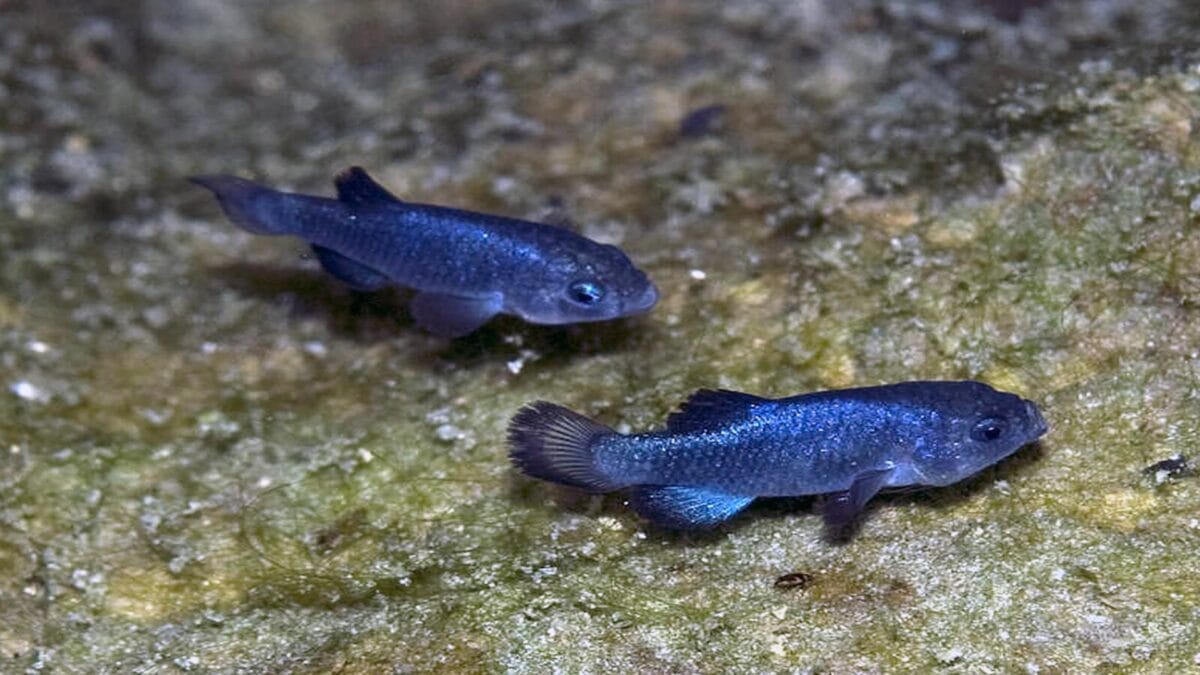
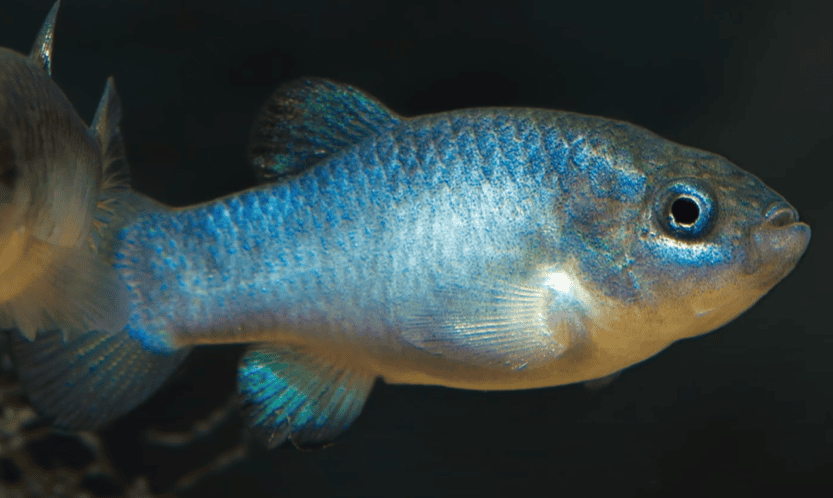
Nevada’s Devil’s Hole pupfish stands as a testament to resilience and adaptability. Living in a single water-filled cavern, these vibrant fish display a stunning azure color. They have evolved to withstand stagnant conditions with little oxygen—a remarkable feat of evolutionary adaptation to one of Earth’s harshest aquatic environments.
Conclusion: The Wonders of Subterranean Life
The world beneath our feet is as mysterious as it is fascinating. The strange and unique creatures dwelling within the caves of the United States offer a glimpse into the incredible adaptability of life. From eyeless fish to glowing millipedes, each species tells a story of survival and evolution in the face of extreme environmental conditions. As ongoing research continues to uncover these subterranean secrets, we gain deeper insights into the complexity and wonder of life on Earth.
Worried about unexpected vet bills?
Pet insurance can cover thousands in unexpected vet costs. Get a free quote from Lemonade in under 2 minutes.
Get My Free Quote →Sponsored · Opens Lemonade.com

As a little kid, I fell in love with nature, wildlife, and animals. Living in the USA, South Africa, Italy, China and Germany gave me the opportunity to discover the world's Wildlife. My favorite animals are Mountain Gorillas, Siberian Tigers, and Great White Sharks.
I'm a certified PADI Open Water Diver, went to Everest Base Camp and Trekked Gorillas in Uganda. I hold a Master of Science in Economics and Finance.
Please send any feedback to feedback@animalsaroundtheglobe.com
- Top 10 Animals and Wildlife in the Rocky Mountains - June 4, 2026
- 12 Signs Your Dog Thinks You Are the Pack Leader - June 4, 2026
- African Wild Dogs Nature Master Strategists at Risk - June 4, 2026