


The thought of an awakening supervolcano can send shivers down the spine, with imagery of ash-laden skies and catastrophic global consequences. Known for their massive eruptions, supervolcanoes have the potential to alter the world as we know it. But as reports circulate about the possibility of an eruption, it’s time to dissect the science behind these geological giants and understand if and why we should worry.
Understanding Supervolcanoes

Supervolcanoes are volcanic centers that have produced eruption magnitudes of 8 on the Volcano Explosivity Index (VEI), meaning they emanate more than 1,000 cubic kilometres of material. Unlike regular volcanoes, supervolcanoes can reshape landscapes and create calderas, depressions formed as the ground collapses into an evacuated magma reservoir.
The Mechanism Behind Supervolcanic Eruptions
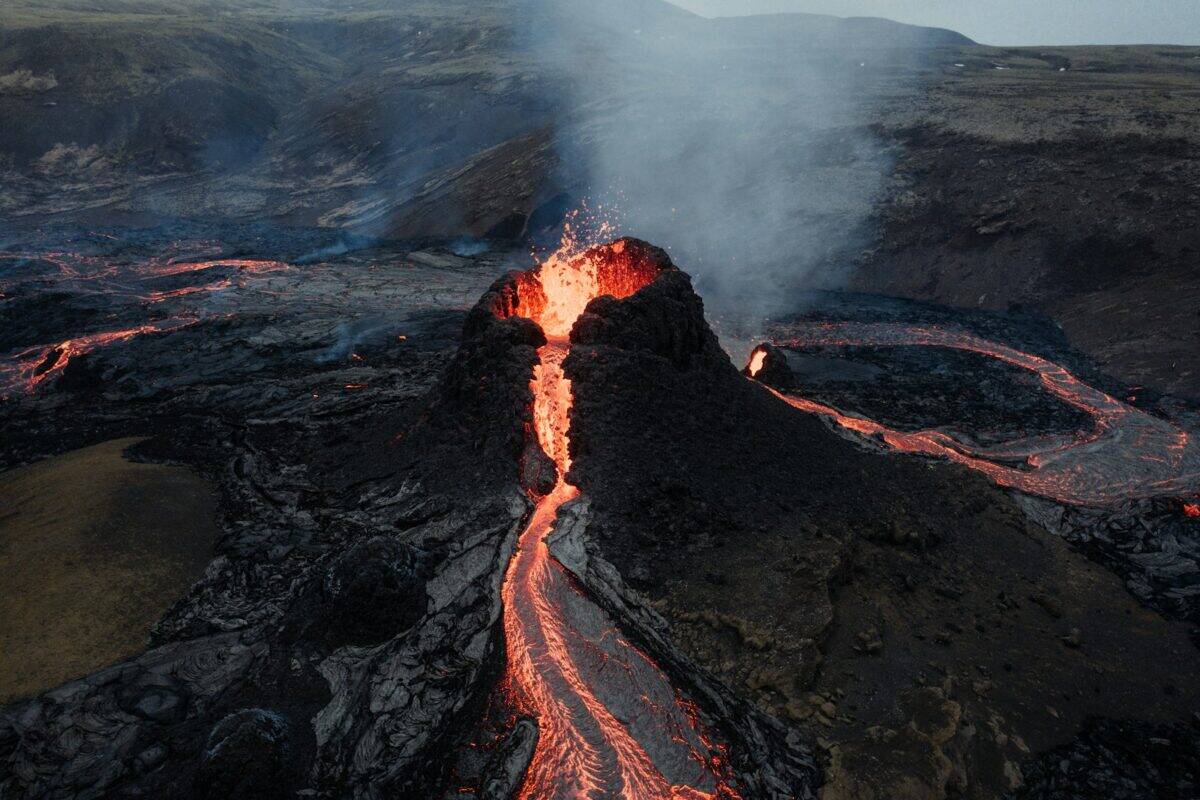
One of the crucial distinctions of supervolcanoes is their magma reservoirs—vast pools of molten rock beneath the Earth’s crust. These reservoirs may take millennia to build up enough pressure to erupt, and their dynamics are triggered by a complex interplay of geological processes. When the pressure exceeds the strength of the overlying rock, an eruption can occur.
Identifying the Ancient Supervolcano
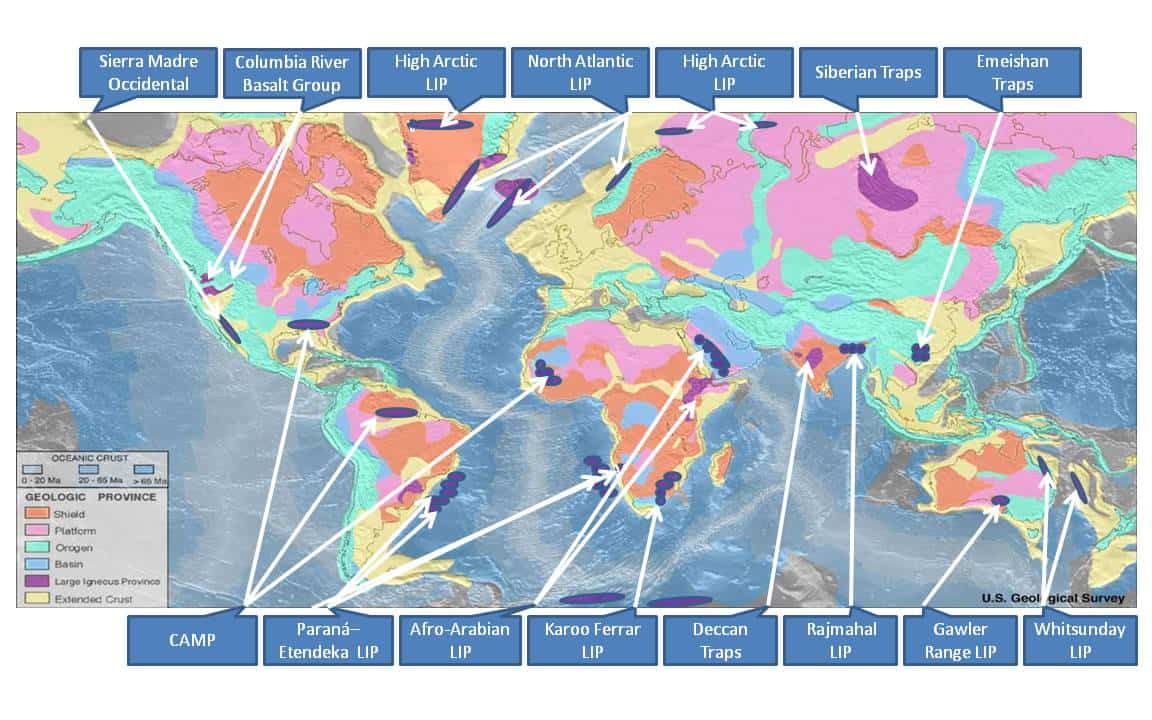
The supervolcano often highlighted in discussions of potential future eruptions is the Yellowstone Caldera, located in Wyoming, USA. Yellowstone has had three monumental eruptions over the past 2.1 million years that shaped its current landscape. Its last eruption was 640,000 years ago, leading scientists to study its activity meticulously.
Current Indicators of Supervolcano Activity

Volcanologists use a variety of methods to monitor supervolcanoes, including seismic activity, ground deformation, and gas emissions. An increase in earthquakes or ground uplift can indicate magma movement, while changes in gas compositions can hint at changes in the magma chamber’s pressure.
Statistics and Probability of Eruption
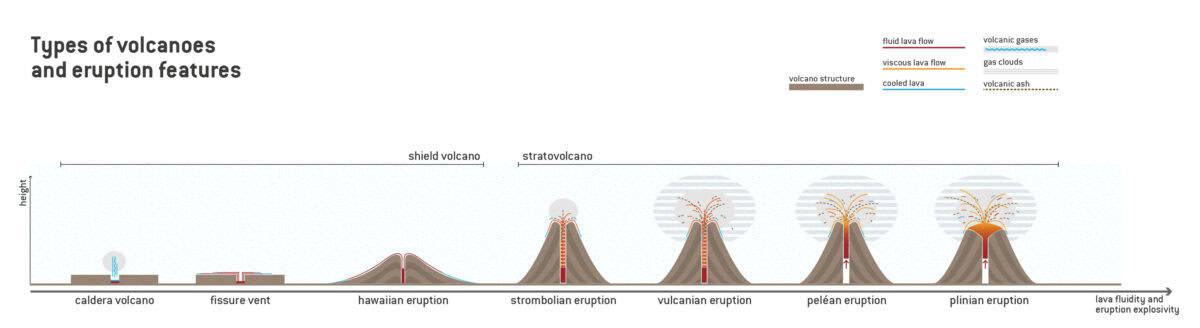
The probability of a supervolcanic eruption occurring at any moment is exceedingly low on a human timescale. For instance, while Yellowstone’s history suggests eruptions could happen roughly every 600,000 to 800,000 years, this is not a precise interval, meaning an eruption could be thousands of years away.
Potential Consequences of a Supervolcano Eruption

A supervolcanic eruption would have a profound impact on both local and global scales. Ash clouds could spread across continents, disrupting air travel and contaminating water supplies. The release of volcanic gases might lead to climate cooling, causing ecological and agricultural challenges.
Why We Shouldn’t Panic

Despite their potential for destruction, the likelihood of a supervolcano erupting in our lifetime remains minimal. Continuous monitoring and advances in geological sciences provide insights into possible precursors to eruptions, allowing for timely alerts and preparations.
Historical Perspectives of Supervolcanic Eruptions

Supervolcanic eruptions have occurred throughout Earth’s history. The Toba eruption 74,000 years ago in present-day Indonesia was one of the most significant, believed to have caused a global volcanic winter. These historical events provide vital data for scientists to understand future risks.
The Role of Technology in Volcano Monitoring
Modern technology, including satellite data and remote sensing, has revolutionized volcanic monitoring. These tools enable scientists to detect small changes in the Earth’s surface or atmosphere, which can be indicative of volcanic activities and help in risk assessment.
Global Collaboration in Volcanic Research

The international scientific community collaborates extensively on studying and monitoring supervolcanoes. Organizations like the United States Geological Survey (USGS) and global networks share data and resources to enhance preparedness for volcanic hazards worldwide.
Challenges in Predicting Volcanic Eruptions
Despite technological advances, predicting when or how a supervolcano might erupt remains challenging. The slow buildup of pressure within the magma chamber and the lack of frequent eruptions make identifying precise warning signs difficult.
While the natural power of supervolcanoes is daunting, scientific vigilance and preparedness are key to mitigating their risks. By maintaining a keen focus on monitoring and research, society can better understand these geological giants, ensuring that any potential threats are addressed with informed, proactive measures. In the meantime, while the ancient supervolcano sleeps, humanity remains watchful yet calm, armed with knowledge and technology to face the future.

- Owls and Other Forest Dwellers of the Cascades - July 19, 2026
- What Happens When a Python Eats Something Too Big? - July 19, 2026
- Baby Koalas Hug Their Moms for Safety and Comfort - July 19, 2026
Leave a comment
You must be logged in to post a comment.