


Sharks, often misunderstood as mere menaces of the sea, play a crucial role in maintaining the health of marine ecosystems. Over 500 species traverse global waters, and they vary dramatically in size, behavior, and habitat. Certain waters have historically proven perilous in North America for these magnificent creatures. As we explore these marine territories, it’s essential to understand the factors contributing to their danger.
Understanding Shark Populations in North America

North America’s diverse coastlines offer a range of habitats for sharks, from the warm currents of the Gulf of Mexico to the chilly waters of the Pacific Northwest. These areas provide feeding, breeding, and migratory opportunities. However, environmental changes and human activities in some of these waters pose significant threats to shark populations.
The Gulf of Mexico’s Duality

The Gulf of Mexico is a hotspot for shark biodiversity. Yet, it is one of the most challenging environments due to frequent oil spills, industrial pollution, and overfishing. These factors have degraded habitats and altered food resources, making it a treacherous region for sharks to navigate safely.
The Perils of the Atlantic Seaboard
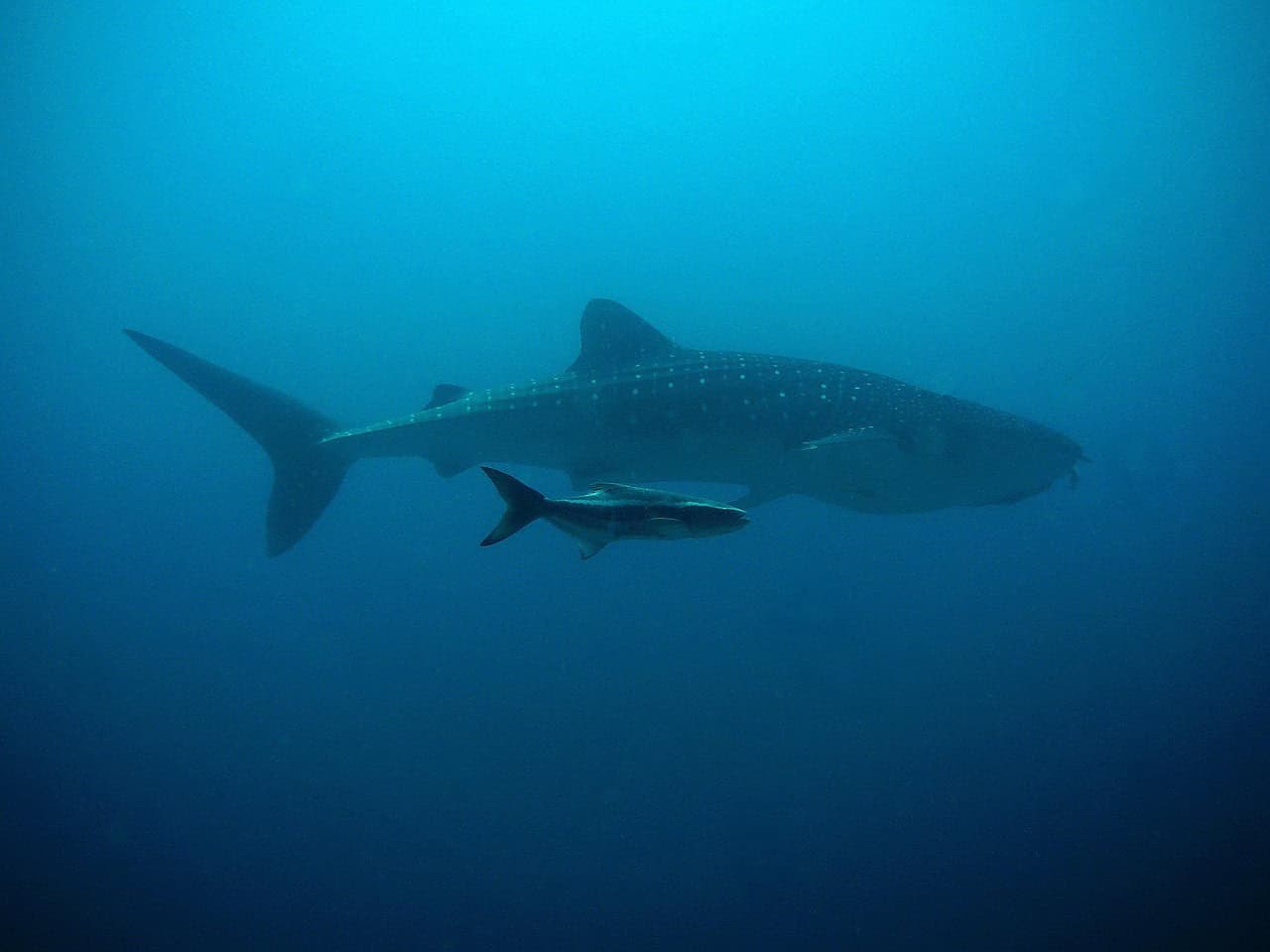
The Atlantic Ocean hosting the east coast of North America is abundant with various shark species. This area’s proximity to major urban centers means that sharks often encounter fishing nets, pollution, and ship traffic. These hazards increase the risk of entanglement and injury, contributing to the dangerous conditions present in these waters.
Pacific Ocean and Industrial Impact

The vast expanse of the Pacific is home to unique shark species thriving in cooler waters. However, this region is not immune to the challenges introduced by human activities. Industrial pollution and commercial fishing have markedly disrupted the delicate balance of these ecosystems, posing a constant threat to shark survival.
The Threat of Bycatch

One of the most significant dangers sharks face in North American waters is bycatch. Unintended capture in commercial fishing gear often results in fatal injuries or death for these creatures. Fisheries targeting other species frequently ensnare sharks, leading to declines in some shark populations.
Depleted Food Sources

Overfishing in various regions along North American coastlines has also led to the depletion of prey species, forcing sharks to travel longer distances for food. This increased range exposes them to numerous hazards, including human activities and environmental changes that further threaten their survival.
Effects of Climate Change on Shark Habitats

Climate change is an ever-present threat impacting all marine life, including sharks. Rising ocean temperatures, acidification, and shifting prey distributions are altering shark habitats. These changes force sharks to adapt quickly to new conditions or risk localized extinction, significantly affecting their populations.
Conservation Efforts and Protected Areas
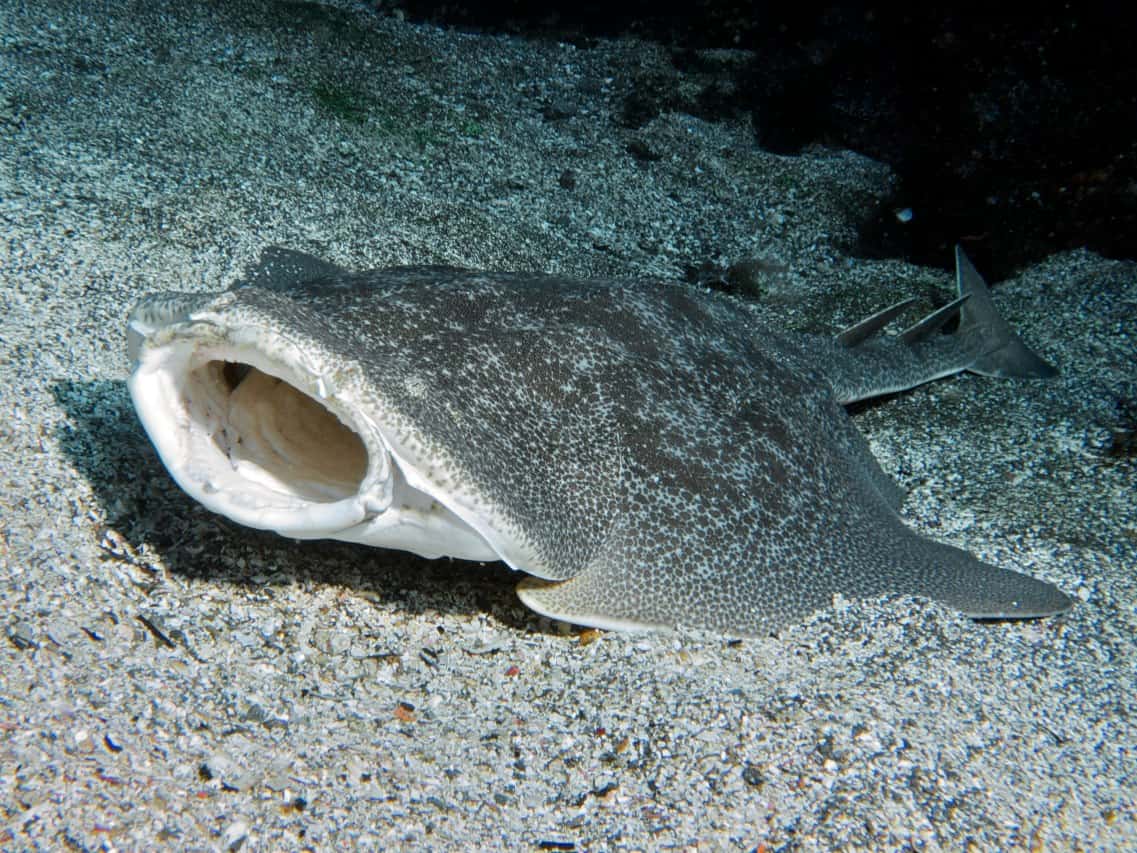
In response to these threats, multiple conservation initiatives have been launched to protect shark populations in North America. Establishing marine protected areas (MPAs) restricts certain human activities, offering a sanctuary for sharks to breed and feed undisturbed. These efforts are crucial in maintaining healthy shark populations.
The Role of Research and Education

Ongoing scientific research plays a vital role in understanding and mitigating the dangers sharks face in North American waters. By tracking movements, studying behavior, and analyzing environmental impacts, researchers provide insights that inform effective conservation strategies. Public education also raises awareness about the value of sharks and the risks they encounter.
Community Engagement in Shark Conservation
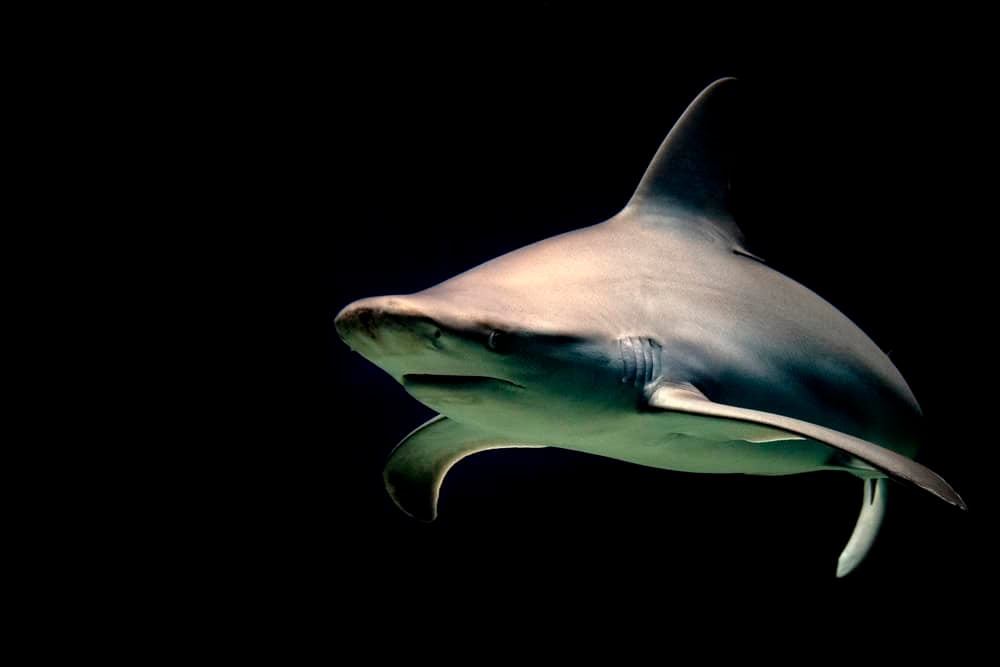
Another pivotal aspect of shark conservation in North America is community involvement. Local organizations, citizen scientists, and volunteers contribute significantly to monitoring efforts and advocacy work. Community-led initiatives foster a broader understanding and support for protecting these vital marine animals.
Summary and Global Implications

The dangerous waters for sharks in North America highlight broader issues impacting marine ecosystems worldwide. While progress has been made, continued concerted efforts from conservationists, governments, and the public are essential to ensure sharks’ survival. Protecting these ancient predators is not only crucial for the health of marine environments but also for maintaining the ecological balance upon which humans rely.

As a little kid, I fell in love with nature, wildlife, and animals. Living in the USA, South Africa, Italy, China and Germany gave me the opportunity to discover the world's Wildlife. My favorite animals are Mountain Gorillas, Siberian Tigers, and Great White Sharks.
I'm a certified PADI Open Water Diver, went to Everest Base Camp and Trekked Gorillas in Uganda. I hold a Master of Science in Economics and Finance.
Please send any feedback to feedback@animalsaroundtheglobe.com
- 14 Stunning Animals You Can See in India - July 18, 2026
- The Most Enormous Lobster Ever Pulled From Maine Waters - July 18, 2026
- The Most Dangerous Waters for Sharks in North America - July 18, 2026
Leave a comment
You must be logged in to post a comment.