

Hurricanes are among the most powerful and destructive natural forces on Earth. The U.S. mainland has experienced some of the most ferocious of these weather phenomena, each leaving a trail of devastation in its wake. This article dives deep into the fiercest hurricane ever to strike the U.S. mainland, exploring its origin, impact, and the lessons learned from its formidable presence.
Understanding Hurricanes
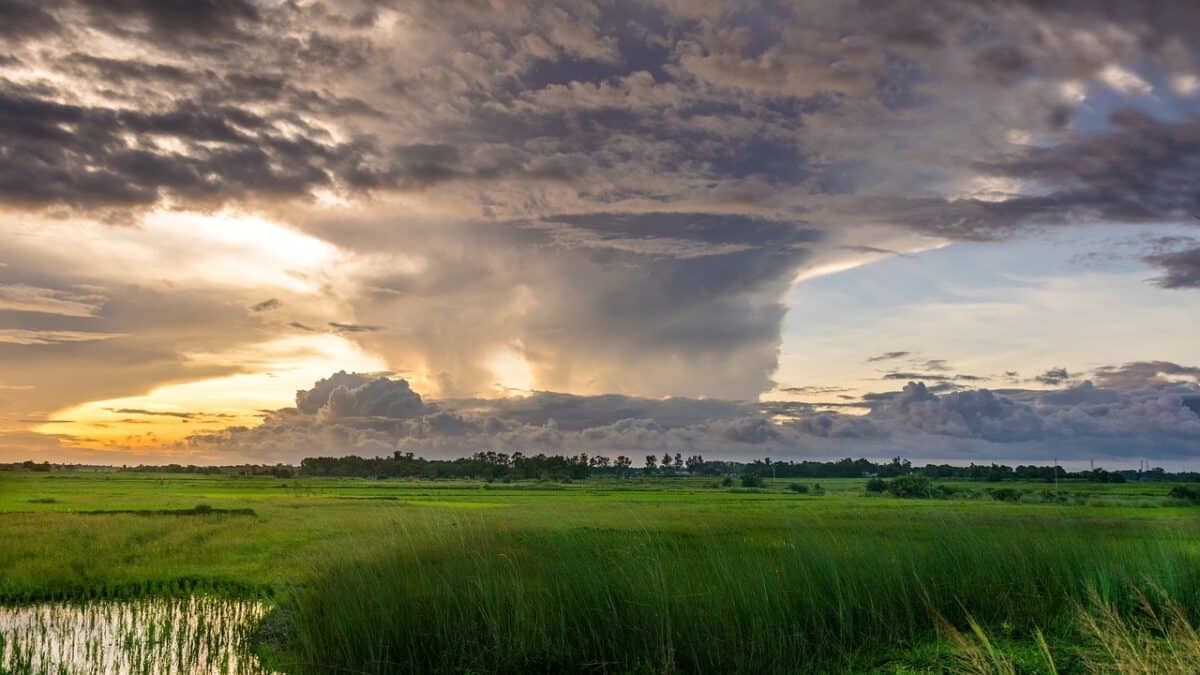
Hurricanes, also known as tropical cyclones, are intense low-pressure systems that form over warm ocean waters. They are characterized by strong winds, heavy rain, and, in severe cases, storm surges that can lead to catastrophic flooding. The U.S. coastline, especially along the Atlantic and Gulf of Mexico, is frequently in the path of these storms during hurricane season.
The Formation
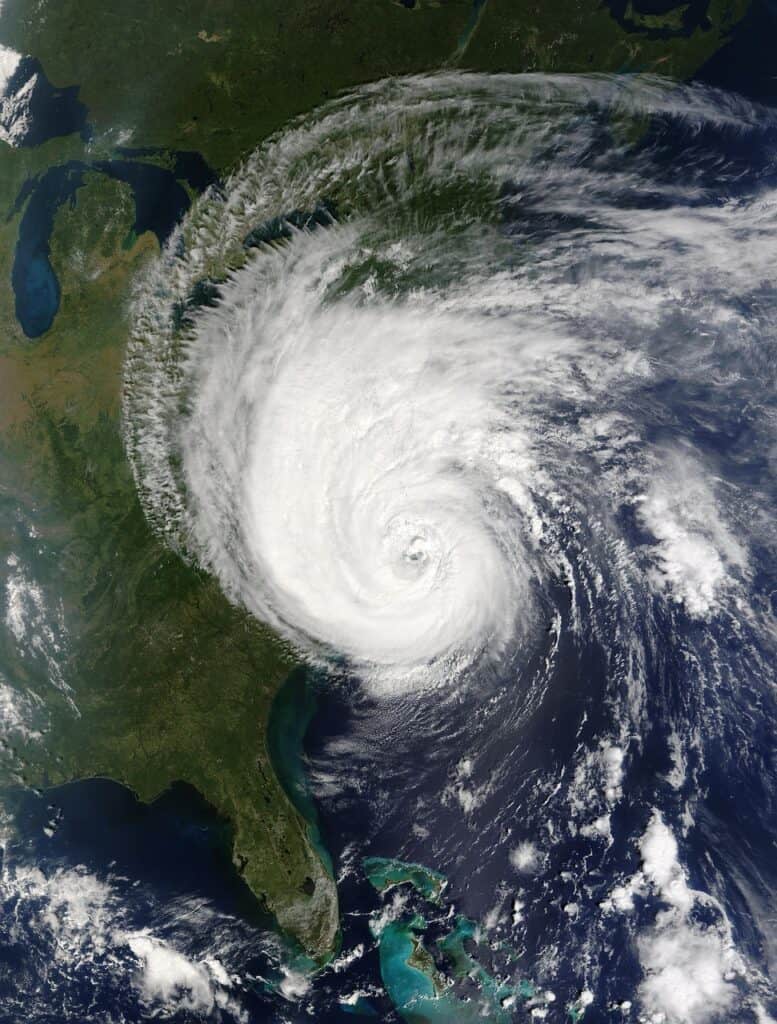
The fiercest hurricane to hit the U.S. mainland began its journey as a tropical depression off the western coast of Africa. As it traveled across the warm waters of the Atlantic, it gained strength from the evaporation of warm ocean water, which fueled its rapid intensification.
The Path of Destruction
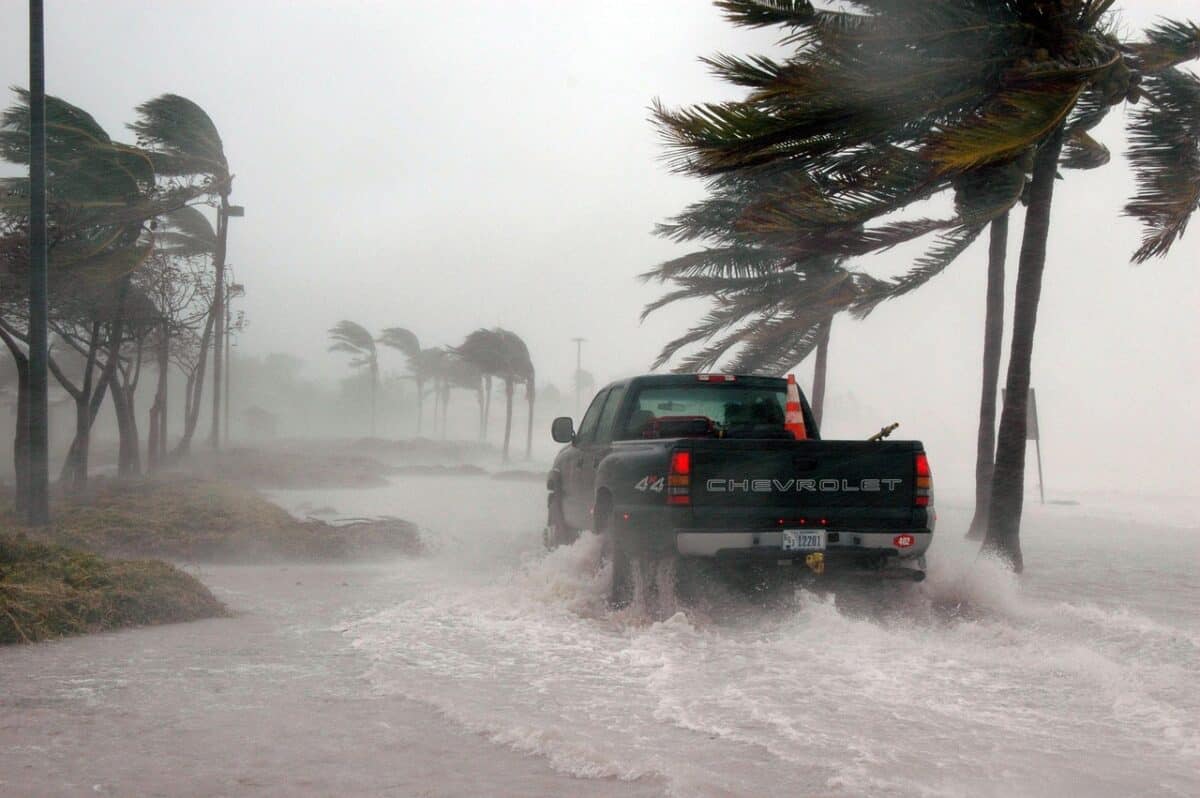
The hurricane made landfall with unprecedented force, its path marked by widespread destruction. Coastal communities were the first to bear the brunt as the storm surged ashore, bringing with it record-breaking winds and flooding that overwhelmed existing defenses.
Wind Fury

The winds of this hurricane reached unprecedented speeds, shattering previous records. These fierce gales uprooted trees, destroyed buildings, and left widespread power outages in their wake, highlighting the immense natural power contained within such storms.
Storm Surges

One of the most devastating aspects of this hurricane was the storm surge it generated, which swept inland with unimaginable force. The surge inundated coastal areas, transforming streets into rivers and rendering entire neighborhoods unrecognizable.
Human Impact
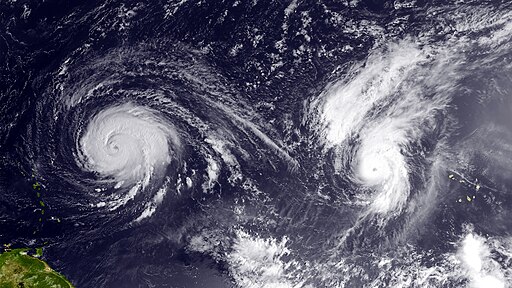
The hurricane’s impact on people’s lives was profound. Communities were displaced, homes destroyed, and livelihoods lost. The human toll, both in terms of lives lost and the emotional trauma inflicted, was immense and remains a sobering reminder of nature’s capacity for destruction.
Economic Consequences

The economic aftermath of the hurricane was staggering. Damage estimates ran into the billions, with businesses, infrastructure, and homes needing significant time and resources for recovery. The insurance industry faced unprecedented claims, challenging existing risk models and recovery strategies.
Environmental Impacts
Beyond human and economic costs, the hurricane reshaped natural environments. Coastal ecosystems and wildlife habitats were battered by the storm, with long-term implications for biodiversity and regional ecology.
Lessons Learned

This ferocious hurricane taught valuable lessons in disaster preparedness and resilience. Enhancements in early warning systems, infrastructure design, and community response protocols have been driven by the knowledge gained from this catastrophic event.
Technological Advances
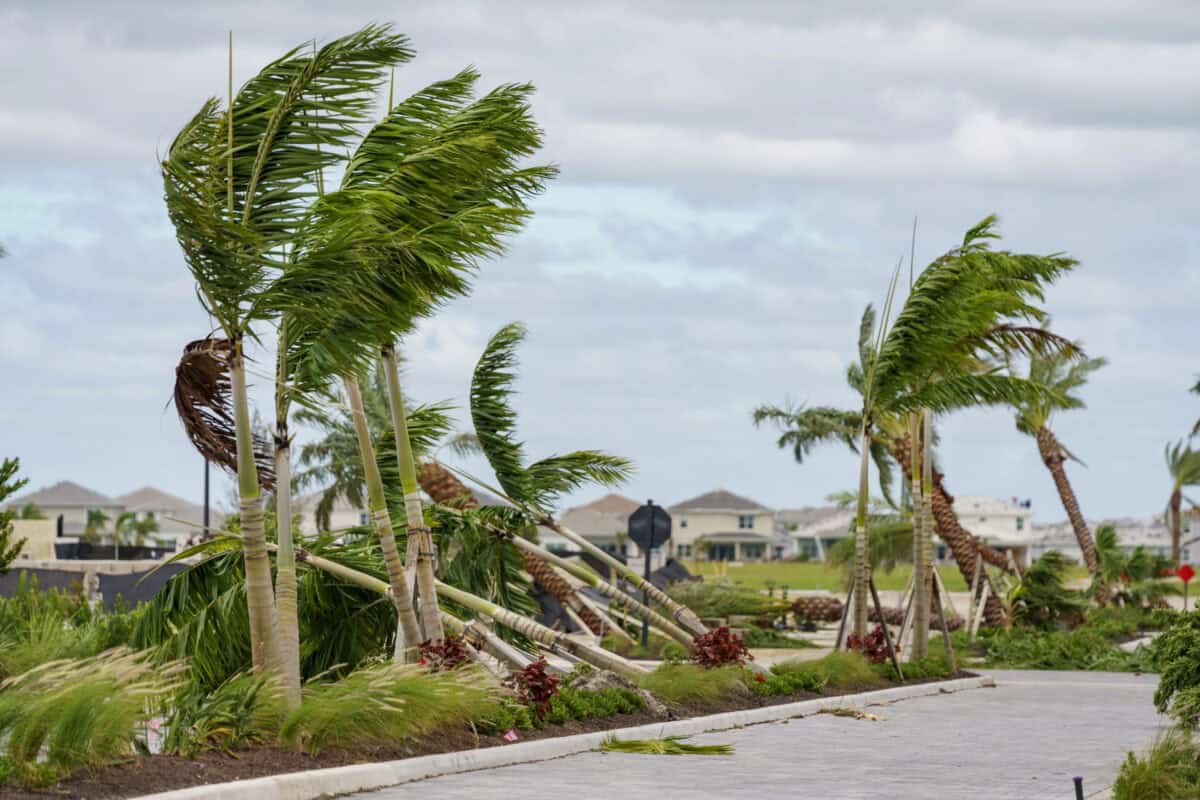
In the wake of the disaster, technological advancements in meteorological forecasting and emergency response systems were accelerated. These innovations aim to better predict hurricane paths and intensity, providing critical time for affected areas to prepare and respond.
The Resilience of Nature and Community
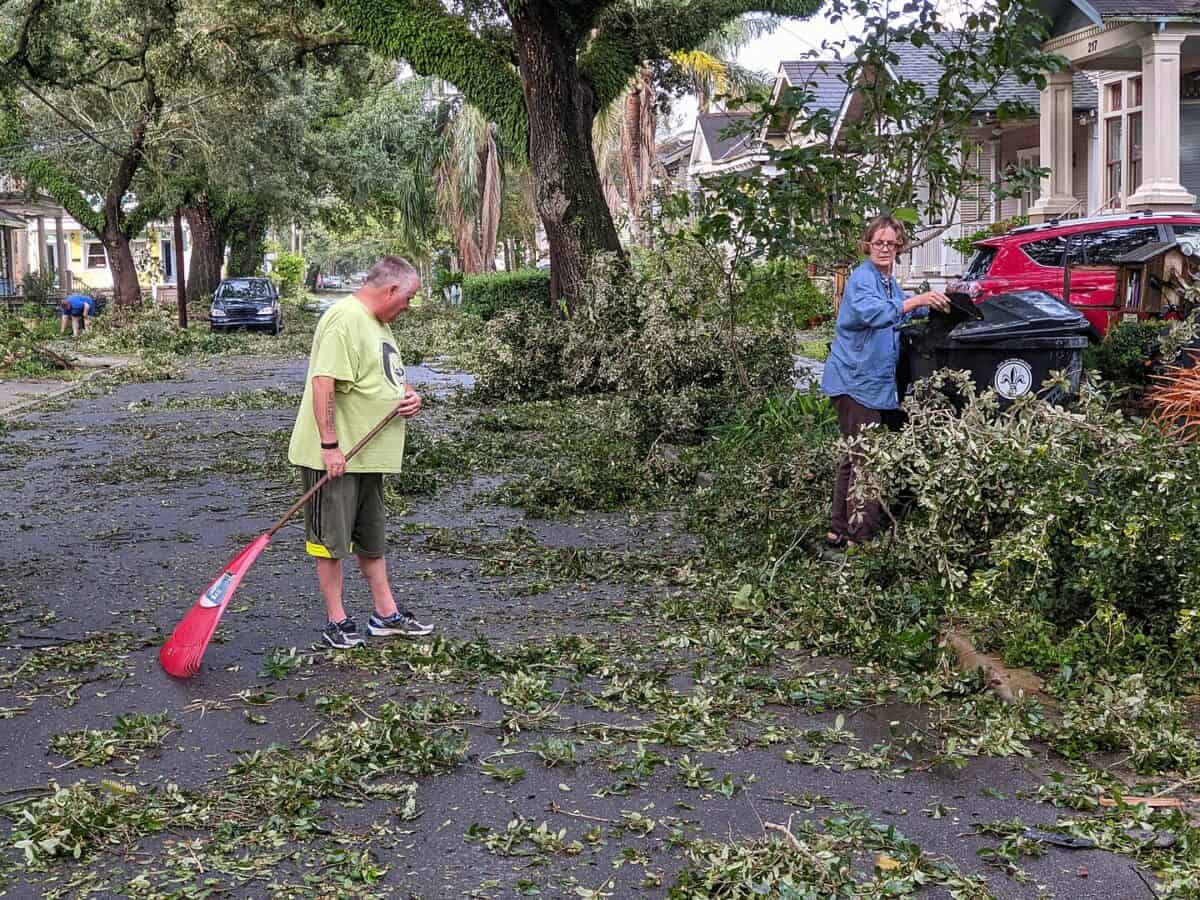
The story of the fiercest hurricane is not only one of destruction but also of resilience. Communities affected by the storm have worked tirelessly to rebuild and recover. Nature, too, shows remarkable capacity for renewal, with ecosystems gradually restoring balance over time.
Conclusion
The tale of the fiercest hurricane to strike the U.S. mainland is a powerful reminder of nature’s might and the human spirit’s resilience. As we continue to enhance our understanding and prepare for future storms, this event remains etched in history as both a cautionary tale and a testament to our collective capacity to learn, adapt, and overcome.

- The Most Powerful Earthquake Ever Felt in the U.S. - July 19, 2026
- How Rhinoceros Males Compete for Mating Rights in the Wild - July 18, 2026
- 13 Spider Species Thriving in Changing Environments - July 18, 2026