
The vast expanse of the Atlantic Ocean has always been full of mystery and wonder. However, one particular phenomenon has evoked both awe and alarm among scientists and observers alike: the most terrifying jellyfish swarm ever seen. This article delves into the depths of this fascinating occurrence, uncovering the mystery of these gelatinous creatures and their unprecedented congregation.
A Brief Introduction to Jellyfish
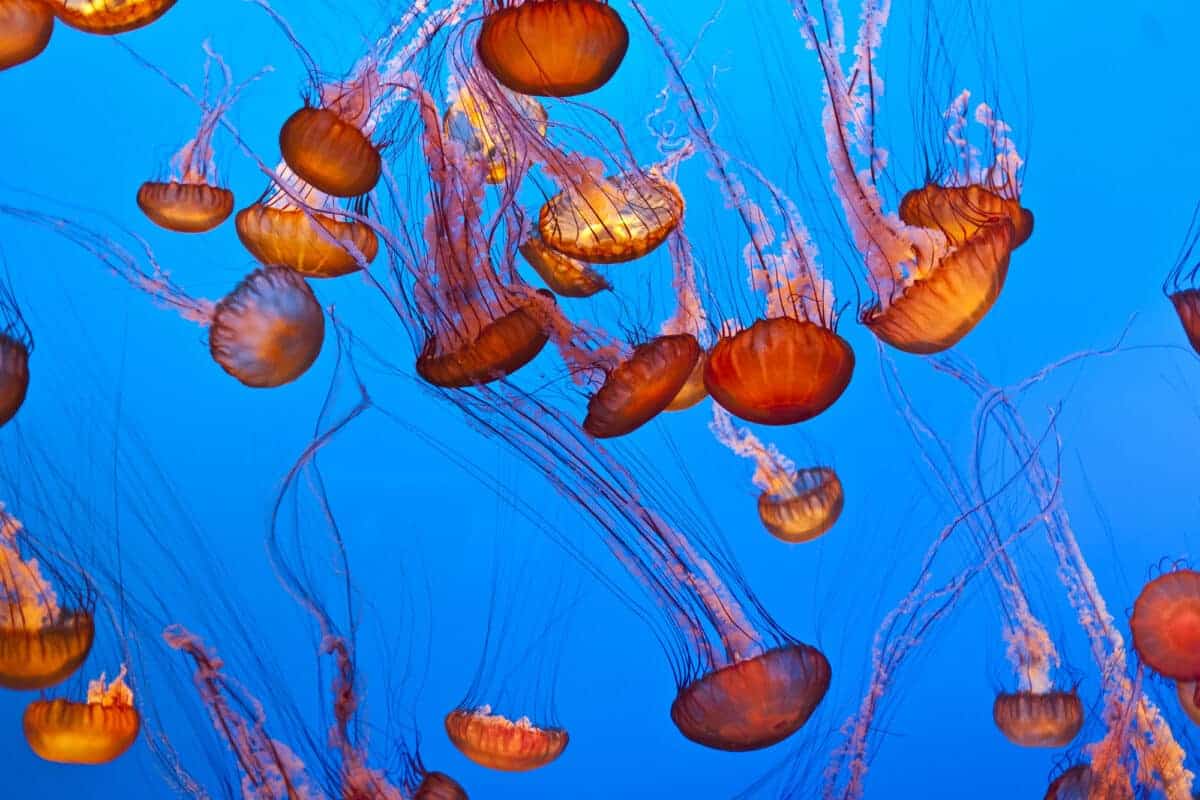
Jellyfish are a form of marine life known for their translucent, gelatinous bodies, long tentacles, and pulsating movements. These ethereal creatures have roamed the oceans for millions of years, predating even the dinosaurs. However, there is much more to them than meets the eye, especially when they gather in massive swarms.
The Impact of Climate Change

Climate change has played a significant role in altering marine environments. Warmer ocean temperatures and changes in salinity levels provide optimal breeding conditions for jellyfish. This has led to a noticeable increase in jellyfish populations, contributing to the phenomenon of vast swarms.
Understanding Jellyfish Blooms

Known as blooms, jellyfish swarms occur when a critical number of individuals congregate in an area. These blooms can span hundreds of miles and involve millions of jellyfish, creating both a spectacle and a potential hazard for marine ecosystems.
Species Involved in the Atlantic Swarm

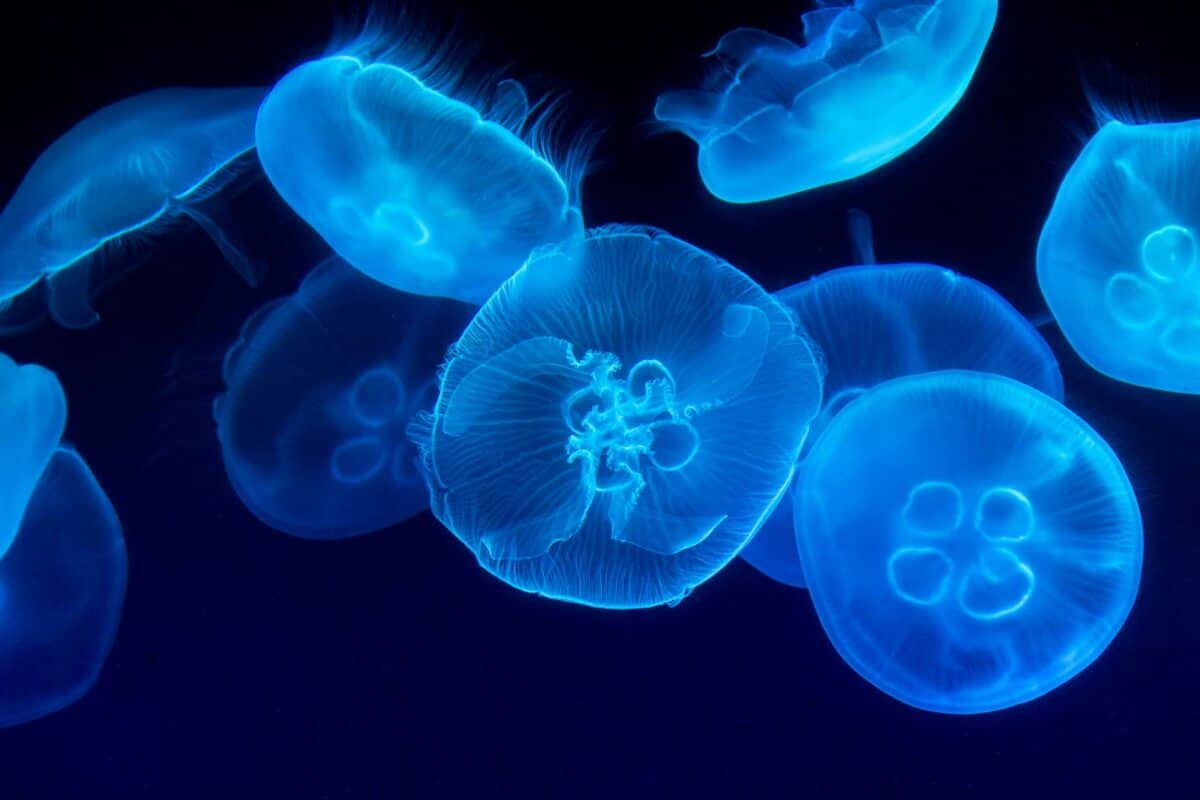
The recent swarm in the Atlantic is composed primarily of the moon jellyfish, recognizable by their saucer-like shape and bioluminescent glow. Other species observed include the lion’s mane and Portuguese man o’ war, both known for their painful stings.
Potential Causes of the Swarm
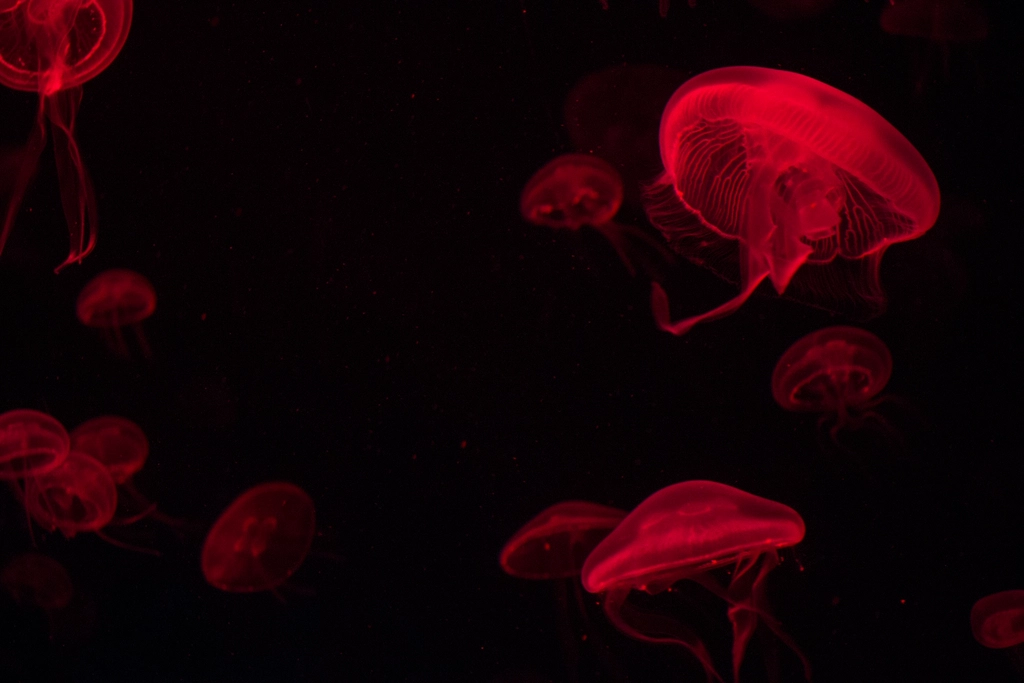
Multiple factors may contribute to the sudden appearance of jellyfish swarms, including changes in sea currents, overfishing of natural jellyfish predators, and increased availability of plankton, which jellyfish feed on. Human activity continues to influence these dynamics, enabling jellyfish to thrive.
The Ecological Consequences

A swarm of this magnitude poses significant challenges to marine ecosystems. Jellyfish blooms can outcompete fish for plankton, disrupt local food webs, and lead to declines in fish populations. Moreover, their presence can harm seagrass beds, coral reefs, and other marine habitats.
The Threat to Human Activities
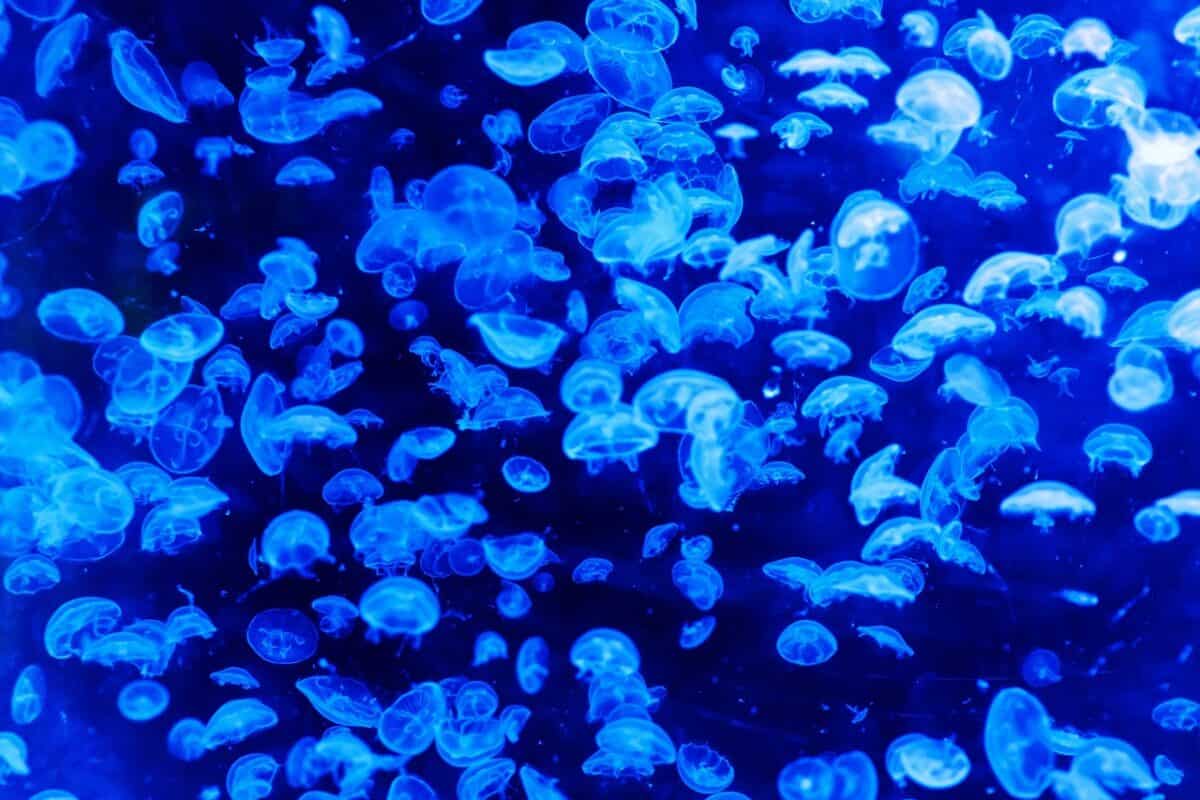
Besides ecological impacts, jellyfish swarms also affect human activities. Fishing nets can become clogged with their bodies, leading to reduced fish catches. Beaches may close due to the hazard they pose to swimmers, and power plants using seawater for cooling may face operational challenges if intakes are blocked by jellyfish.
Research and Monitoring Efforts

Marine biologists and oceanographers are closely monitoring these swarms using satellite imaging, underwater drones, and genetic sampling. These efforts aim to understand the swarms’ triggers, behavior, and potential long-term impacts, providing insights into managing future occurrences.
Innovative Mitigation Strategies

Scientists are exploring various methods to mitigate the impact of jellyfish swarms, such as developing barriers to prevent jellyfish from entering certain areas, promoting the resurgence of jellyfish predators, and exploring potential commercial uses for jellyfish, such as in pharmaceuticals and food industries.
The Beauty Behind the Mayhem

Despite their prevalence and potential threats, jellyfish are undeniably captivating creatures. Their delicate forms and graceful movements offer a glimpse into the complexity and beauty of marine life. Understanding them fosters a greater appreciation for the ocean’s biodiversity.
Conservation Implications

Addressing the causes of jellyfish blooms ties back into broader conservation efforts. Protecting marine habitats, regulating fishing, and curbing climate change are essential steps towards maintaining the balance of ocean ecosystems and preventing future incidents of this scale.
Reflecting on Future Prospects
While the recent jellyfish swarm in the Atlantic underscores the unpredictability of nature, it also serves as a wake-up call about the ramifications of environmental change. Moving forward, balancing human activity with the needs of our oceans is crucial to ensuring the health and sustainability of marine life.
In conclusion, the Atlantic jellyfish swarm presents both a challenge and an opportunity. By expanding our knowledge, we can better prepare for future phenomena and perhaps even transform these gelatinous gatherings into a force for positive change.

- The Rarest Mammals Fighting for Survival in North America - July 23, 2026
- The World’s Only Venomous Primate - July 23, 2026
- Are Two-Headed Animals For Real? - July 23, 2026