
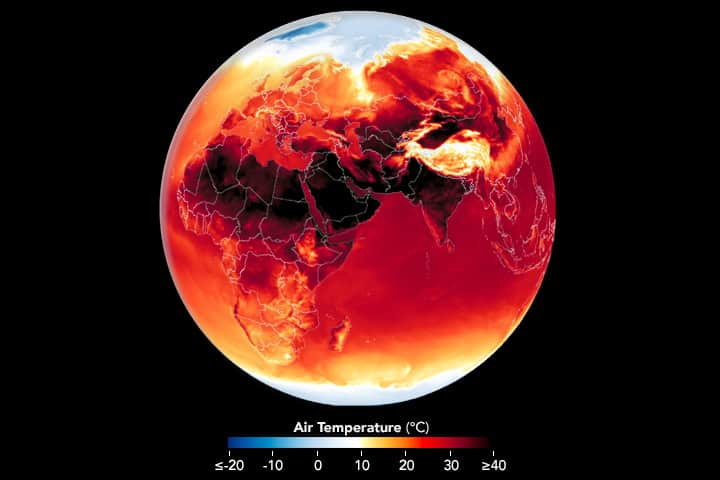
Heatwaves are prolonged periods of excessively hot weather, which may be accompanied by high humidity. While their impact on humans is often discussed, the effects on wildlife and animal behavior are equally profound and deserving of attention. The increasing frequency and intensity of these events due to climate change pose significant challenges to animals, forcing adaptations and adjustments that can influence their survival.
Physiological Stress on Animals
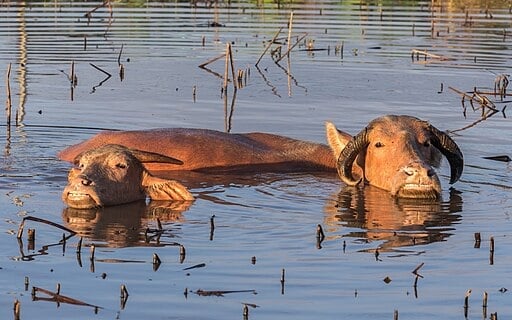
Heatwaves place considerable physiological stress on animals, as many species are adapted to specific temperature ranges. During extreme heat, animals can overheat, leading to hyperthermia—a condition where the body temperature rises to dangerously high levels. This can cause severe health issues or even mortality.
For instance, birds may struggle to regulate their body temperature and be forced to increase water intake to compensate for dehydration. Mammals might overheat if they cannot find shade or water, leading to increased mortality rates, especially among the young, elderly, or those with pre-existing health issues.
Behavioral Changes in Response to Heatwaves

Faced with the threat of heatwaves, animals often alter their behavior to cope. These changes can include shifts in activity, feeding, and social behaviors. Many species become crepuscular, becoming more active during the cooler dawn and dusk periods instead of throughout the day. This habit minimizes exposure to peak temperatures and reduces water loss through sweat or panting.
Heatwaves can also affect feeding behaviors. Herbivores might find it challenging to obtain moisture-rich plants as these become scarce in drought conditions, forcing them to travel longer distances in search of food. Carnivores, in turn, may experience scarcity in prey availability, leading to increased competition and stress.
Impact on Reproductive Success

The impact of heatwaves on reproduction can be dire. Elevated temperatures can result in altered reproductive cycles, reduced fertility, and lower birth rates. For example, some reptiles exhibit temperature-dependent sex determination, where incubation temperatures influence the sex of the offspring. Persistent heat can skew sex ratios and affect future population stability.
Birds may experience reduced reproductive success as heatwaves can lead to increased egg and chick mortality. The need to spend more time cooling at water sources can reduce nest attendance and care for young, diminishing survival rates.
Migration Patterns and Range Shifts

As the climate warms, many species are forced to modify their migratory patterns and shift their ranges. This movement is a survival strategy seeking out cooler habitats and more reliable resources. However, such shifts are not always possible for all species, particularly those with specific habitat requirements or limited dispersal abilities.
For migratory birds, heatwaves can disrupt timing. Delayed caching of resources or premature exhaustion from extreme weather can misalign their migrations with the availability of food resources en route or at destinations.
Consequences on Ecosystem Dynamics

The behavioral adaptations and survival challenges posed by heatwaves ripple through ecosystems, affecting interspecies interactions and overall dynamic. Predators facing altered prey behaviors might shift to alternative food sources, affecting prey populations and prompting further ecological shifts.
Pollinators and their plant counterparts may also be affected, as heatwaves can alter flowering times, disrupting the synchronization needed for successful pollination. This desynchronization can have far-reaching effects on plant reproduction and the animals depending on them.
Conclusion: The Need for Conservation Efforts
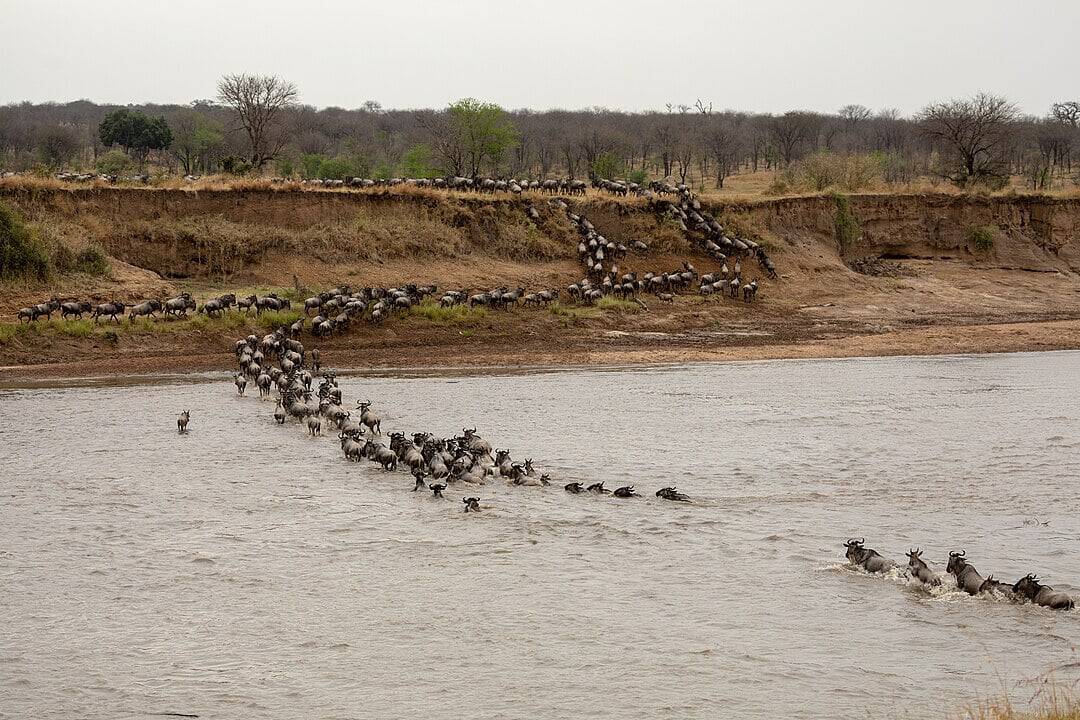
Understanding the impact of heatwaves on animal behavior and survival is crucial for developing effective conservation strategies. Protecting vital habitats, ensuring the availability of water resources, and fostering ecological networks that allow for range shifts and migration are key measures.
As climate change continues to influence weather patterns globally, the importance of adaptive management approaches becomes apparent. By fostering resilience and offering resources for wildlife to cope with climate-induced stressors, we can help preserve biodiversity and ensure ecosystems remain robust and functional.

Leave a comment
You must be logged in to post a comment.