


Wildlife rescue efforts hold a special place in the stories of conservation and compassion in the United States. These rescues are not just about saving individual animals but also spotlight the collective impact on their habitats and the holistic approach needed to sustain biodiversity. The following accounts showcase some of the most inspiring wildlife rescue operations in U.S. history, illustrating how human intervention has positively influenced the fate of endangered animals.
10. Operation ORCA: Saving the Southern Residents

In the Pacific Northwest, orcas, also known as killer whales, have faced threats from pollution, dwindling food supplies, and disturbances from vessels. In 2002, a coordinated rescue effort named Operation ORCA aimed to rehabilitate an orphaned orca calf known as Springer (officially A73) found alone near Puget Sound. The multi-agency initiative successfully reintroduced Springer to her pod off Vancouver Island, reinforcing the importance of international collaboration in wildlife rescue.
9. The California Condor Comeback

By the 1980s, the California condor population had dwindled to just 27 birds, making them one of the most critically endangered species. A controversial but pivotal decision to capture the remaining wild birds paved the way for the establishment of a captive breeding program. The condor recovery program has released hundreds of condors back into the wild, marking a successful turnaround for the species thanks to this daring rescue mission.
8. The Epic Return of the Gray Wolf

Dramatically reduced due to hunting and habitat loss, gray wolves were absent from Yellowstone National Park for nearly 70 years. In 1995, a historic wildlife management initiative reintroduced wolves to their natural habitat in Wyoming. This project not only restored the park’s ecological balance but highlighted the significant role predators play in ecosystem health and stability.
7. Manatee Warm Water Refuge

Florida’s manatees often seek warm waters during winter months, and power plant outflows have surprisingly become critical refuges. In colder years, rescue efforts have had to relocate manatees from cooling habitats to warmer areas. The efforts spotlight continuing ecological challenges and innovative human interventions designed to preserve the gentle giants’ populations.
6. The Oil Spill Heron Rescue

The 2010 Deepwater Horizon oil spill caused an ecological disaster in the Gulf of Mexico, seriously affecting local wildlife, including the heron population. Through a massive rescue operation, hundreds of herons were cleaned, rehabilitated, and released. This effort emphasized the vulnerability of coastal ecosystems and the importance of preparedness and rapid response in wildlife emergencies.
5. Peregrine Falcon’s Urban Success
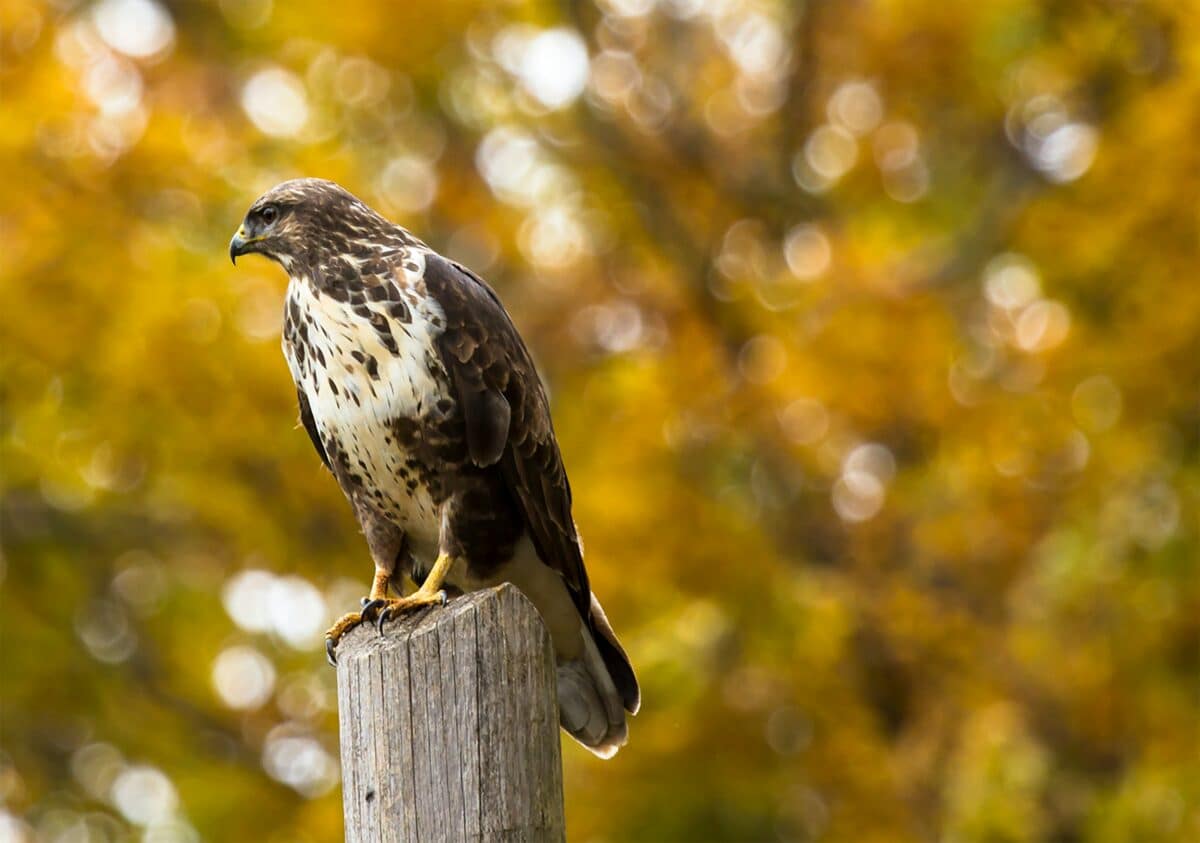
Once endangered due to DDT pesticides, the peregrine falcon has made an astonishing comeback, largely in urban environments. Rescue efforts involved monitoring nests on skyscrapers and bridges, demonstrating how wildlife can sometimes adapt to and thrive in human-altered landscapes, given adequate protection and rehabilitation assistance.
4. Loggerhead Sea Turtle Journey

Loggerhead sea turtles, primarily nesting on the Southeastern U.S. coasts, face numerous threats from habitat loss to bycatch. Dedicated conservation programs have focused on turtle-friendly fishing modifications and beach preservation. One significant location is Florida’s Archie Carr National Wildlife Refuge, where ongoing efforts have dramatically increased hatchling survival rates.
3. Grizzly Bear Conservation Success

In the 1970s, the grizzly bear population was dwindling in the contiguous United States. Following their listing under the Endangered Species Act, intensive conservation efforts and habitat protections have led to significant population recovery. This story underscores the power of sustained protective measures to ensure a species’ survival.
2. Save the Elk of Saint Vincent Island
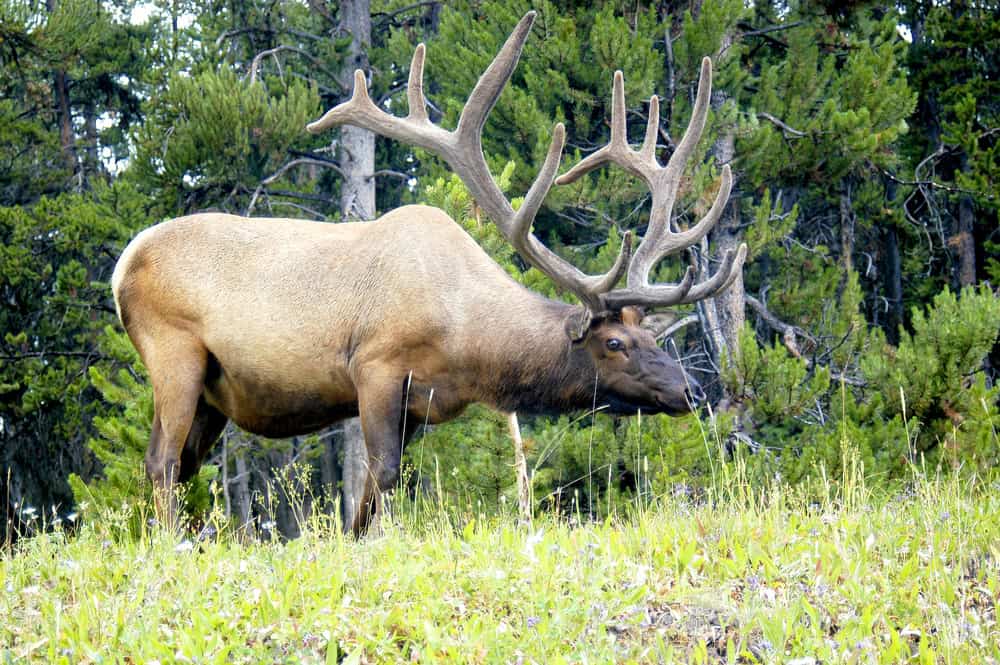
When disease and isolation threatened the elk population on Saint Vincent Island, wildlife managers took steps to ensure their genetic diversity and health through relocation and careful monitoring. These actions have enabled this majestic species to thrive and continue as a robust population in their unique island habitat.
1. Plight and Recovery of the Whooping Crane

Once teetering on the verge of extinction, the whooping crane’s remarkable recovery is largely due to intensive breeding and habitat conservation efforts. By the 1940s, only 15 individuals remained, but concerted rescue initiatives have seen their numbers rise significantly. These efforts highlight the critical need for ongoing intervention and habitat management to save endangered avian species.
In conclusion, these ten inspiring wildlife rescues illustrate the potential transformations that cohesive and well-coordinated efforts can achieve. Whether it’s through government initiatives, research, or grassroots activism, the outcomes of these endeavors not only offer hope for many other struggling species but also emphasize the indispensable role of human agency in conservation.

- How Crickets Chirp Using Their Wings - July 20, 2026
- The Largest Sea Turtle Ever Rescued Off North Carolina - July 20, 2026
- The Ocean’s Escape Artist: Why Octopuses Outsmart Us All - July 20, 2026