


The vast natural landscapes of America are home to some of the most unique and endangered animal species. With human expansion and climate change threatening these ecosystems, preserving these critical habitats has become essential. This article takes you through a journey of the 11 most vital habitats in America that are essential in saving our rarest animals. Let us explore each region’s significance, its unique biodiversity, and the continual efforts to conserve these natural treasures.
The Importance of Critical Habitats
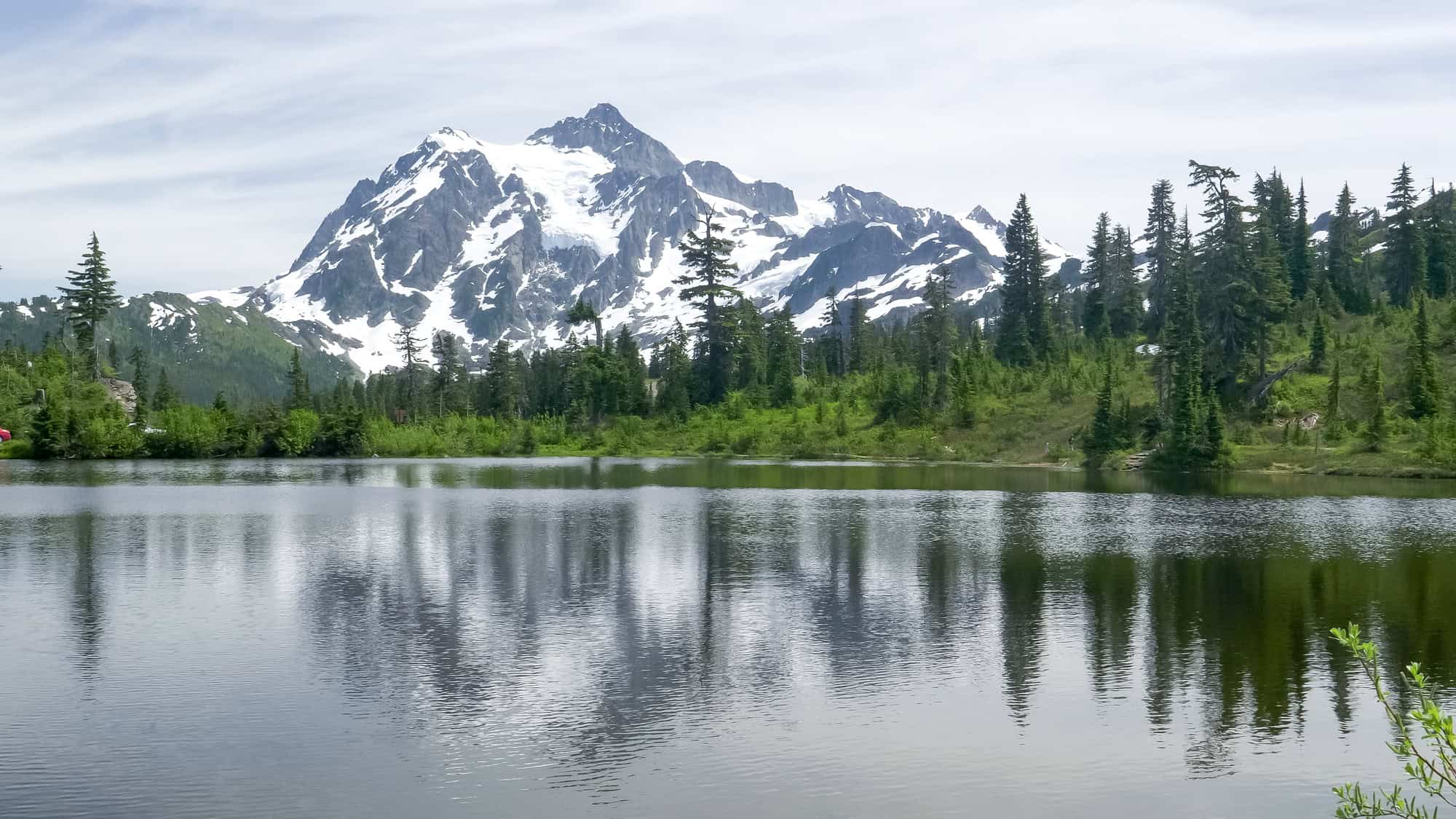
The designation of critical habitats is crucial for the survival of endangered species. These areas are essential for providing the necessary food, water, and shelter that rare animals need to thrive. By protecting these spaces, we ensure numerous species’ long-term survival and our environment’s overall health.
The Florida Everglades Hunters of the Marsh

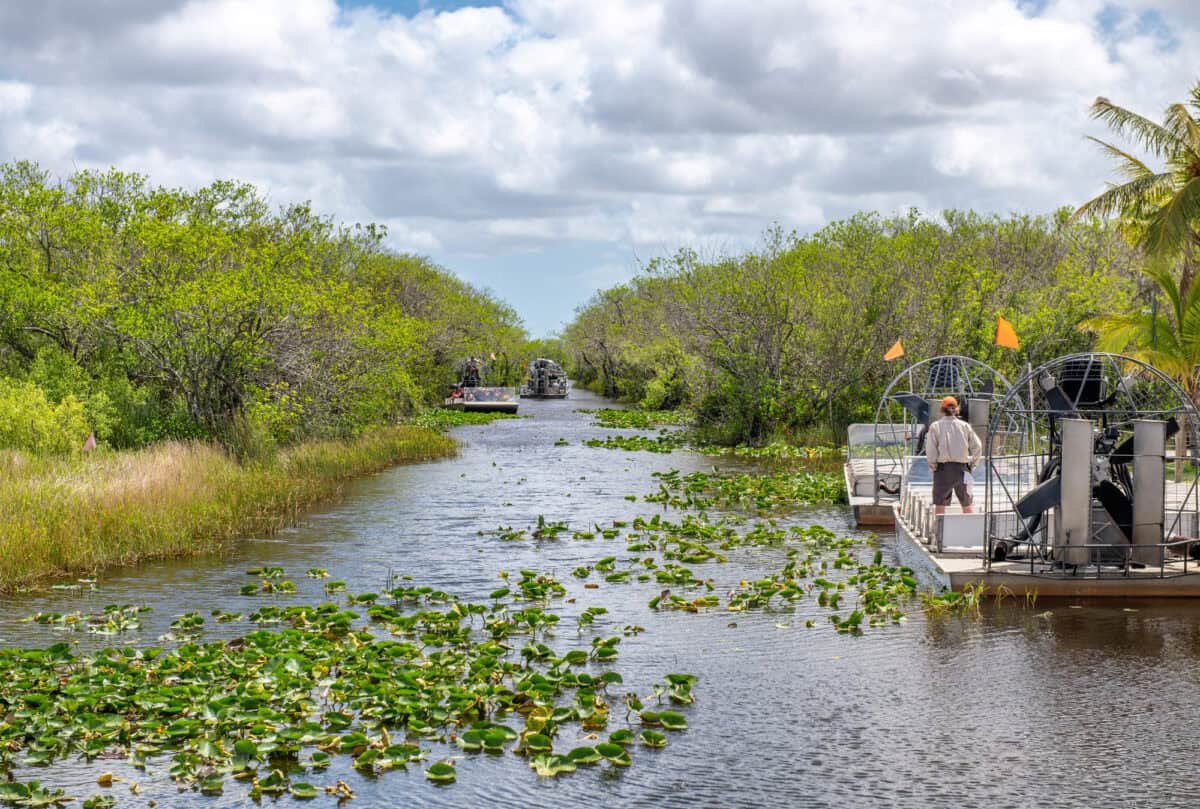
The Florida Everglades is a sprawling wetland ecosystem crucial for the American crocodile and the endangered Florida panther. These marshlands are rich in biodiversity and act as a natural water filtration system for southern Florida. Conservation efforts focus on restoring natural water flow and curbing urban encroachment.
The Great Plains A Prairie Dog’s Life
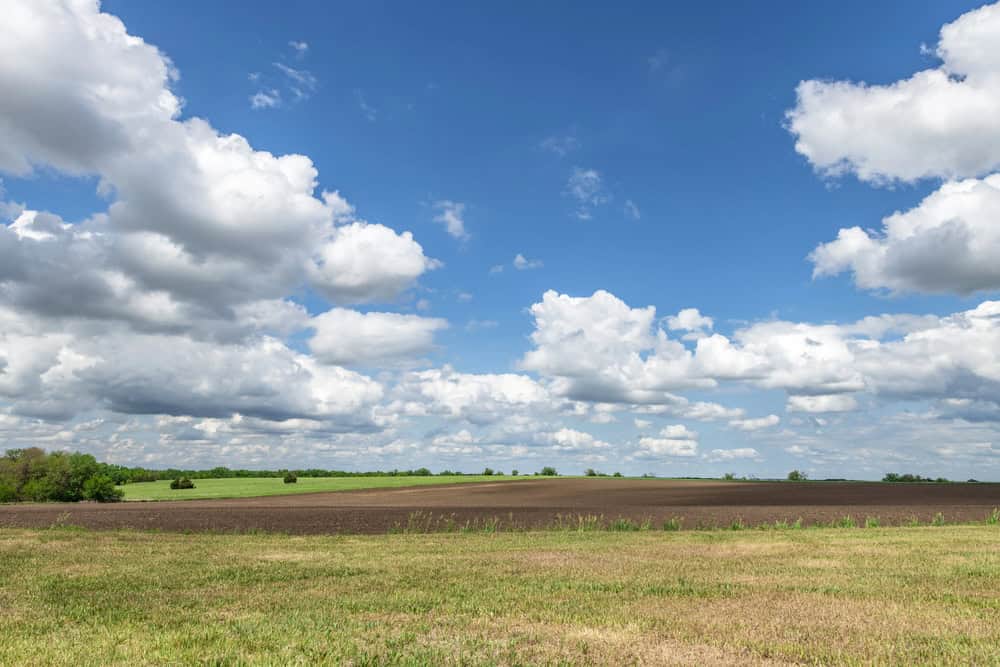
The Great Plains, once an endless expanse of grasslands, support numerous rare species like the black-footed ferret and the swift fox. These grasslands act as carbon sinks and provide habitat for many species of birds and insects. Restoration projects aim to reestablish native plant species and control agricultural expansion to protect these fragile ecosystems.
The Appalachian Mountains Canopy Dwellers

Home to the rare Appalachian bog turtle, these ancient mountains are a mosaic of diverse habitats. Efforts to conserve this region focus on protecting the mountain streams and curbing deforestation, which threatens to diminish the natural habitats of several endemic species.
The Pacific Northwest Giants of the Rainforest
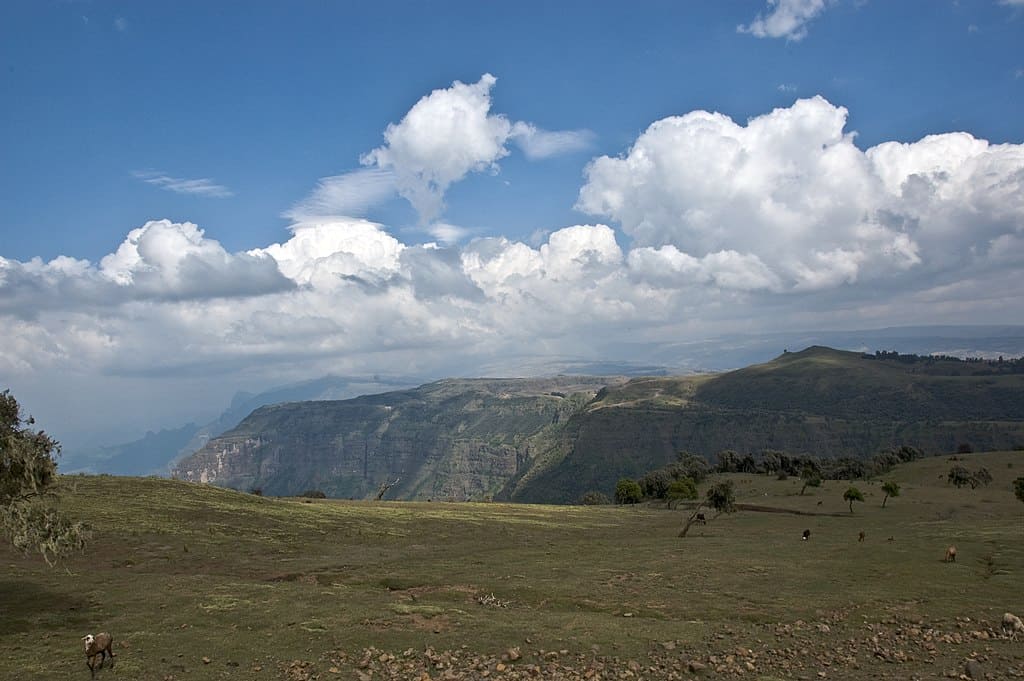
This region houses towering ancient forests that are home to the endangered Northern spotted owl and the marbled murrelet. Conservationists work to curb logging, restore old-growth forests, and protect critical nesting sites to maintain the ecological balance of this area.
The Mojave Desert Resilient Survivors
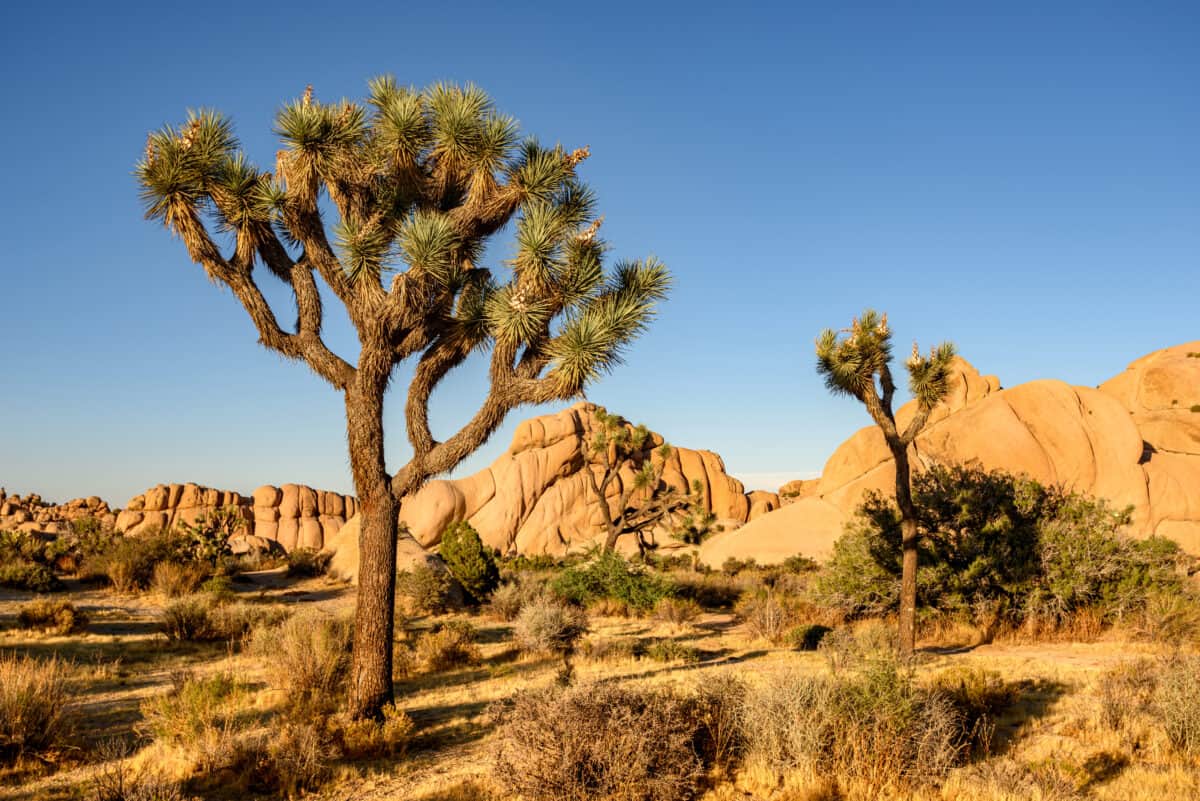
In the harsh conditions of the Mojave Desert, the desert tortoise and the bighorn sheep find refuge. Their survival hinges on habitat preservation efforts, targeting invasive species removal and water resource management to reduce human-wildlife conflicts in this arid climate.
The Southern Swamps A Frog’s Symphony
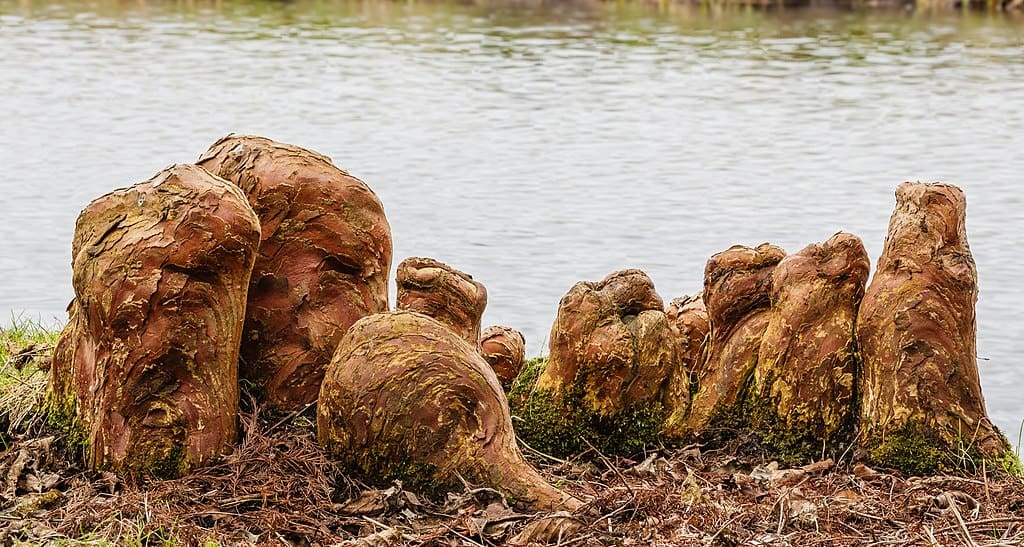
These wetland ecosystems harbor the rare dusky gopher frog and red-cockaded woodpecker. Protecting these swamps includes wetland restoration and prescribed burns to maintain the open forest habitats that these species rely on for breeding and feeding.
The Alaskan Wilderness Polar Predators

The expansive Alaskan wilderness is integral to the survival of polar bears and the Steller sea lion. Melting ice habitats due to climate change present the primary threat, prompting conservation actions focused on climate mitigation and adaptive management strategies.
The Gulf Coast Coastal Guardians

The rich estuarine environments of the Gulf Coast support the Kemp’s Ridley sea turtle and the whooping crane. Bathing in biodiversity, efforts here are directed toward restoring marshland ecosystems and enhancing nesting habitats to boost species recovery.
The Redwood Forests Towering Homes

The magnificent redwoods provide a sanctuary for the rare marbled murrelet and the northern spotted owl. Preservation tactics include protecting the old-growth canopy and facilitating sustainable forestry practices to ensure that these trees can continue to flourish.
The Mississippi River Delta Aquatic Sanctuaries

This delta provides critical habitat for the West Indian manatee and the piping plover. Efforts are channeled towards controlling pollution and rejuvenating wetlands to create sustainable environments for these water-loving species.
The Colorado River Basin Vital Water Sources

The Colorado River acts as a lifeblood for species such as the humpback chub and the razorback sucker. Conservation initiatives are primarily focused on restoring river flows and habitat conservation to support diverse aquatic life.
Conclusion: A Call to Preserve America’s Natural Heritage
The conservation of these critical habitats is essential for the survival of America’s rarest animals. By strengthening protection efforts and raising awareness about the importance of these ecosystems, we can contribute to preserving the rich biodiversity that defines Earth’s natural tapestry. As stewards of the environment, it is our responsibility to ensure that these habitats—and the animals that depend on them—continue to thrive for future generations.

As a little kid, I fell in love with nature, wildlife, and animals. Living in the USA, South Africa, Italy, China and Germany gave me the opportunity to discover the world's Wildlife. My favorite animals are Mountain Gorillas, Siberian Tigers, and Great White Sharks.
I'm a certified PADI Open Water Diver, went to Everest Base Camp and Trekked Gorillas in Uganda. I hold a Master of Science in Economics and Finance.
Please send any feedback to feedback@animalsaroundtheglobe.com
- 10 Facts About Hammerhead Sharks That Will Blow Your Mind - July 24, 2026
- 11 Deadliest Hunters in the Ocean (Hint Its Not Sharks) - July 24, 2026
- 12 Prehistoric Predators That Would Terrorize Todays Earth - July 24, 2026
Leave a comment
You must be logged in to post a comment.