
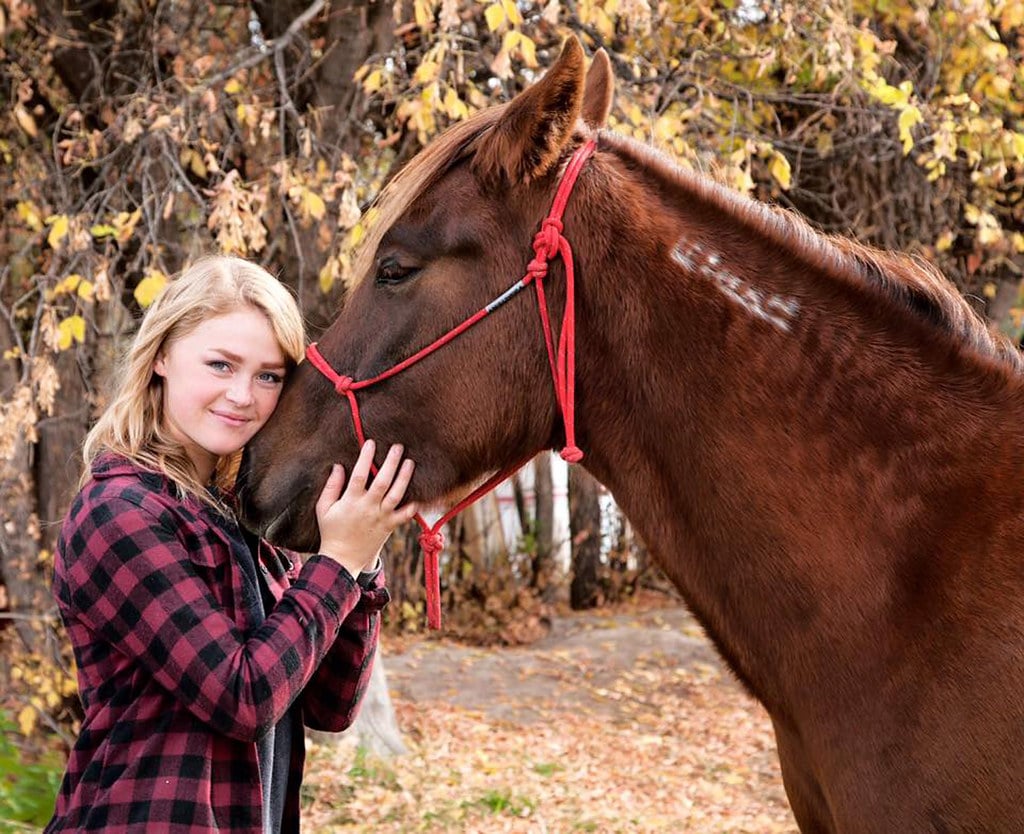
Every barn has that one horse who nickers for literally anyone holding a bucket. Riders love to call that “bonding.” It isn’t. That’s snack negotiation, and horses are shameless about it.
Real bonding looks stranger, quieter, and honestly a little uncomfortable once you know what to look for. It’s not the nose nudge for a treat – it’s the horse who goes still and searches the driveway for your specific truck, long after everyone else has stopped caring that you left. Behaviorists and lifelong horse people say most owners walk right past the real signs, mistaking them for bad manners, anxiety, or “just a quirky horse.” Here’s the countdown, starting with the sign that’s easiest to miss and ending with the one that’s impossible to unsee.
#15 – They Track You, Not the Herd
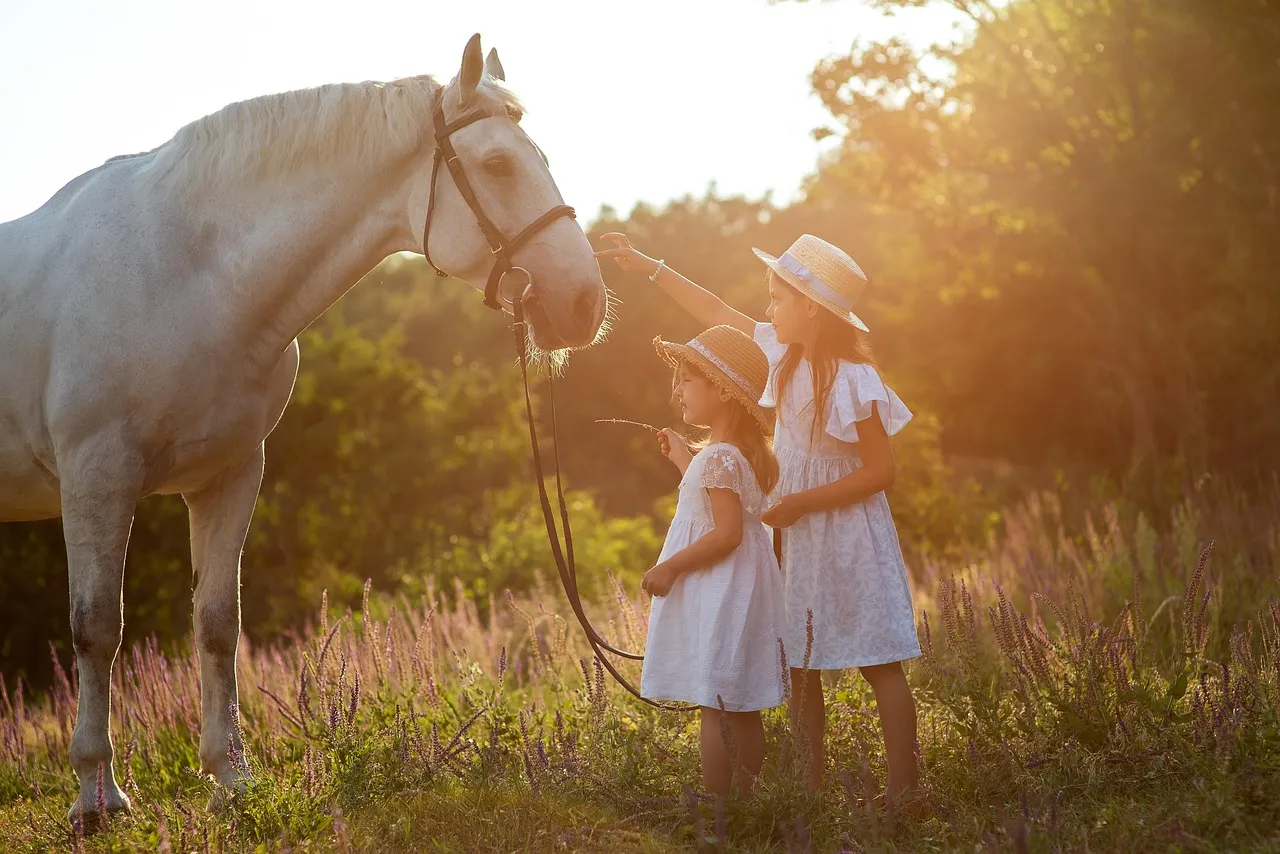
Watch a horse in turnout long enough and you’ll notice something odd: some of them barely watch the herd at all. A strongly bonded horse treats you like a herd of one. Even surrounded by buddies, their ears and eyes keep flicking back to wherever you happen to be standing.
They’ll shadow you along the fence line, angle their body to face you, and visibly exhale when you step into their space. Plenty of horses perk up for anyone dragging a hay cart, but a bonded horse is choosier than that.
- They recognize your car or truck specifically, not just “a vehicle.”
- They walk to the gate the second they spot you, before you’ve even called their name.
Leave, and some of them will keep staring down the driveway long after your tires have crunched out of sight.
#14 – They Show “Lost” Behavior When You Leave
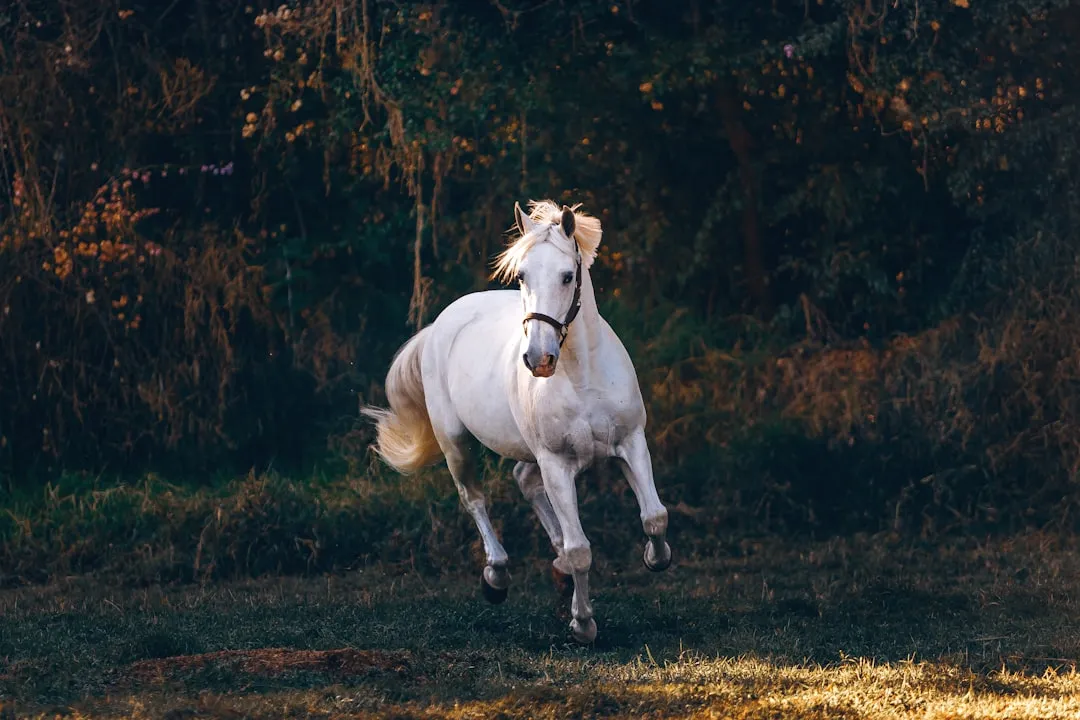
Most barns write this off as “buddy sour” or spoiled. That’s not always fair. When a horse is bonded to one specific person, you sometimes see a mild, focused kind of distress that only shows up when you vanish – not when other people come and go all day.
They might pace a stretch of fence, call once or twice toward the direction you walked, or keep circling the spot where you usually appear. The tell isn’t a dramatic meltdown. It’s a search. They’re not panicking – they’re looking for their missing herd member.
Worth Knowing
- Buddy sour horses fuss over almost any departure – a stablemate, a stranger, even an empty trailer pulling out.
- A horse bonded to one person reacts only when that specific person leaves, not when others come and go.
- The behavior usually settles fast once you’re back in sight, unlike generalized separation anxiety.
Some horses will even refuse to settle for another handler right after you leave, fidgeting and half-listening until you’re back in view. It gets labeled “needy” a lot. Behaviorists increasingly call it something closer to genuine attachment, especially when it repeats for months, not days.
#13 – Their Entire Body Softens Only for You
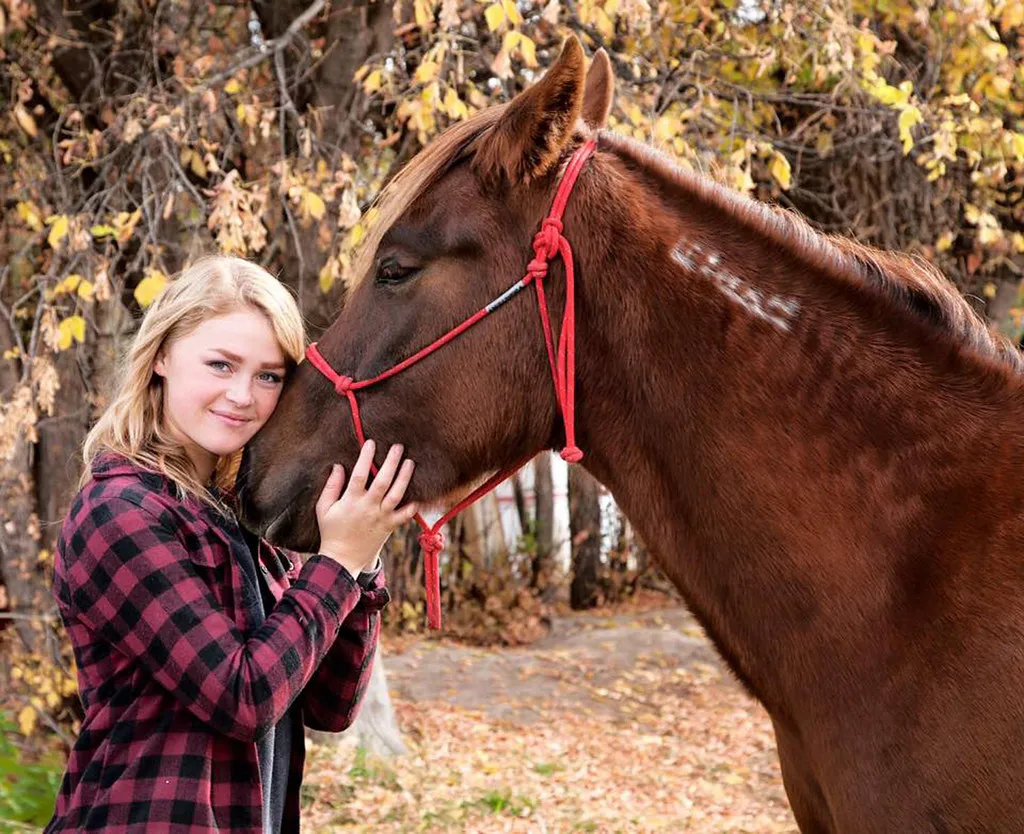
Pay attention to what happens the instant you step into their space. A horse bonded to you alone often flips from alert to loose-limbed in seconds – soft eyes, a lowered head, breathing that visibly slows the moment you touch them.
Muscles around the poll, jaw, and shoulders seem to melt. With everyone else, that same horse might stay braced, tight, or politely cautious. Watch the small stuff:
- Ears shift from stiff and scanning to a slow, easy swivel as you talk.
- The mouth loosens – lips soften, sometimes with a quiet chew or a long sigh.
Trainers see this constantly and mistake it for good manners. It isn’t manners. It’s a nervous system finding its off-switch, and you’re the switch.
#12 – They Ignore Treats to Stay Near You
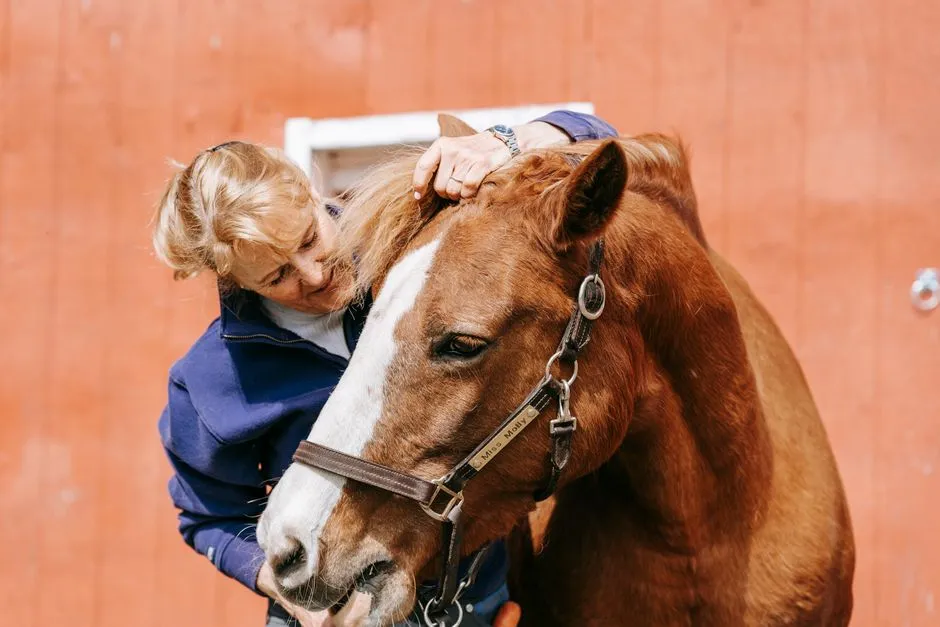
Food is currency to a horse, full stop. So when a horse walks away from hay or treats just to stand next to a person, that’s not ordinary barn behavior – that’s a horse doing math and choosing you.
A truly bonded horse will sometimes pick proximity over food, especially after a day apart. They’ll sniff the treat, maybe take it, then drift right back to your shoulder instead of diving into the pile.
It shows up in small moments: you turn them loose and instead of trotting for the round bale, they follow the fence line beside you. Someone else shakes a grain bucket, and they hesitate, glancing between you and the food like they’re weighing whether leaving your side is worth it. Riders love bragging about “food-motivated” horses. People who’ve actually watched a deep bond know that quiet hesitation says more.
#11 – They Tune Out Everyone Else’s Cues
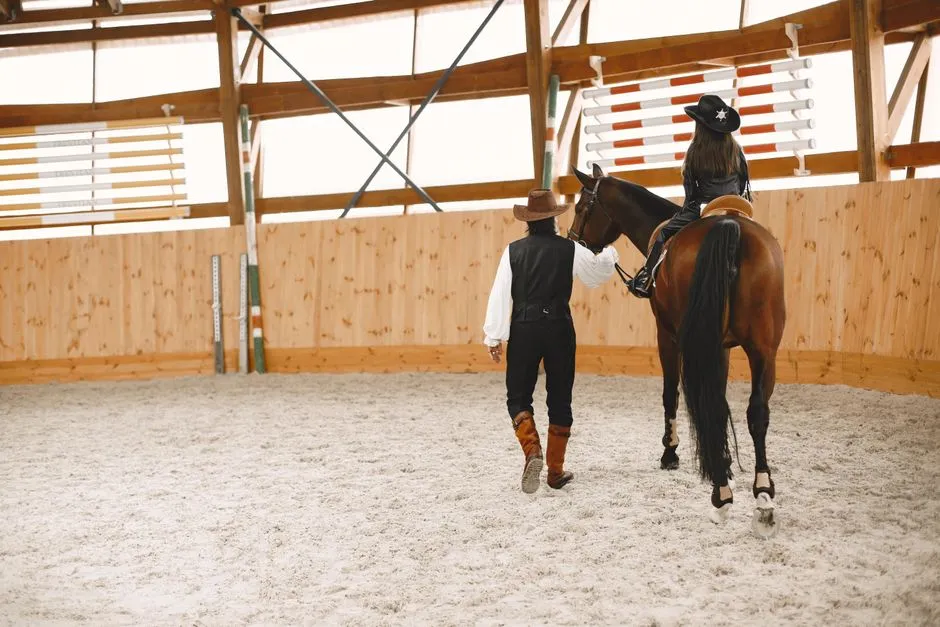
Here’s the one that ruffles feathers. Most riders want a “universal” horse anyone can hop on and ride well. A seriously bonded horse doesn’t cooperate with that plan – they often get noticeably flatter and less responsive under other riders’ hands.
For you, they step under themselves, seek the contact, and hand over that extra ten percent of effort. For everyone else, they just… comply. Watch closely in the arena and you’ll catch it:
- They hesitate when a new rider asks for something unfamiliar.
- They keep glancing toward you for confirmation, even with someone else holding the reins.
Some trainers flag this as a training problem and call it a “one-person horse.” Others admit, quietly, that it’s just deep trust and pattern recognition doing exactly what it’s supposed to do.
#10 – They Still Come to You Even When They’re “Over It”
Any horse will trot up when they’re bored and you’re the day’s entertainment. The real test happens on the bad days – cold, muddy, miserable ones where nothing sounds appealing.
A truly bonded horse will still choose you even tired, cranky, or flat-out done with the world. They might stand at the far end of the field looking unbothered – until they realize it’s your voice calling. Then the head lifts, the sigh comes out, and they trudge over anyway.
At a Glance
- Unbonded horse on a bad day: ears pinned, ignores calls, stays put until bribed.
- Bonded horse on a bad day: head lifts at your voice, sighs, and eventually plods over anyway.
- The difference isn’t obedience – it’s whether they’ve linked you with comfort, not just chores.
This isn’t push-button obedience. Watch the face: ears flick toward your voice, eyes soften, and there’s none of that dead “fine, whatever” look some horses give when they associate people only with work. A bonded horse has linked you with comfort, not just chores, so even a foul mood doesn’t cancel the pull toward you.
#9 – They Use You as Their “Safe Object” in New Places
Drop a bonded horse into a strange arena or an unfamiliar trail and watch what happens. Their heart rate spikes, their eyes go wide – but they keep checking back with you, physically and mentally, like you’re the only solid thing in a spinning room.
They might lean into your leg, angle their body to keep you in view, or repeatedly reach back to bump your boot with their nose. Behaviorists call this “secure base” behavior, and it’s a very specific pattern:
- Look at the scary thing, then come back to you.
- Snort at it, then pause to check your reaction before deciding how big a deal it is.
This isn’t the same as buddy sour behavior. They’re not hunting for another horse to herd up with – they’re scanning for their person. Dismount and start walking, and plenty of these horses will glue themselves to your shoulder like a foal shadowing its dam.
#8 – They Recover From a Scare Faster Once You Step In
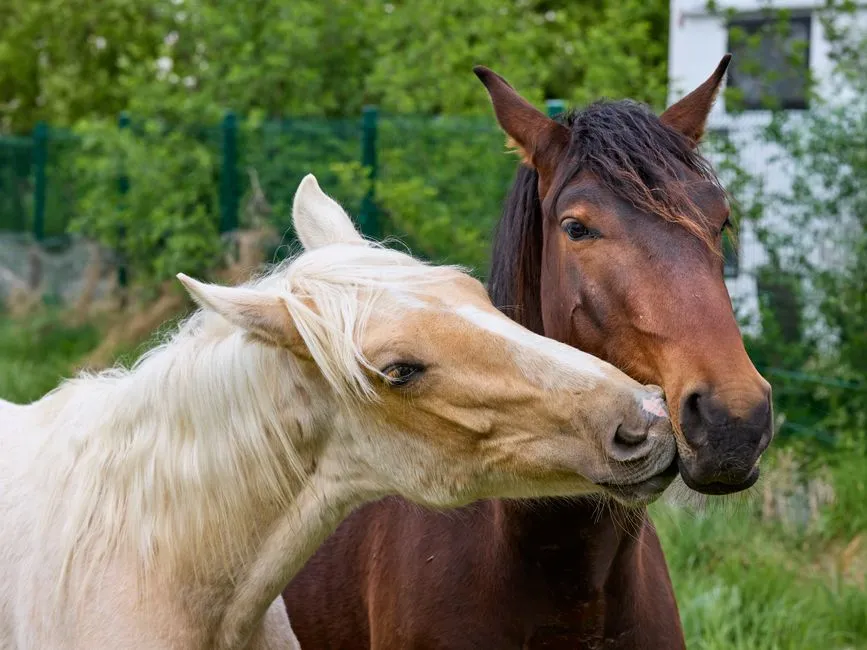
Every horse spooks. The difference with a bonded horse is how fast they come back down – and specifically, how much faster it happens once you get involved.
You’ll see the spin, the jump, the frozen stare… and then a visible shift the moment they hear your voice or feel your hand on their neck. Breathing slows. The head drops. Ears swing back toward you instead of staying locked on whatever spooked them.
Riders chalk this up to good desensitizing, but notice the pattern: barn staff can’t settle them nearly as fast, and a friend trying the same thing gets nowhere. Then you show up, say their name, maybe rub their neck, and they let out that big rattling sigh. That’s not training kicking in – that’s trust doing the heavy lifting.
#7 – They Mirror Your Mood, Not Just Your Movements
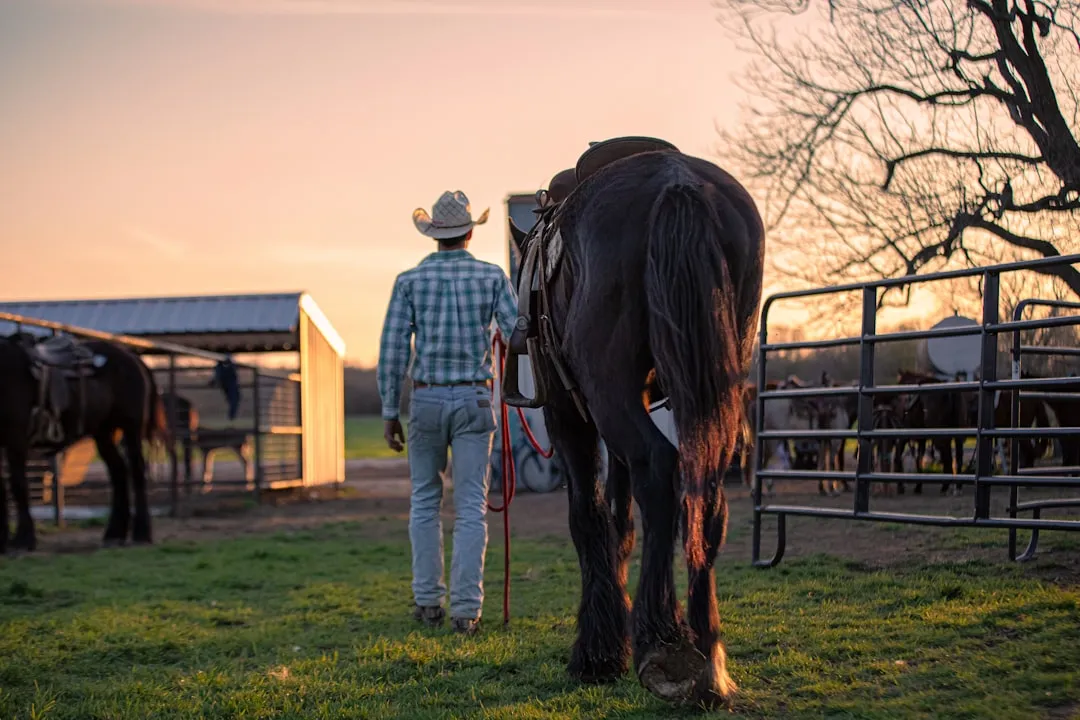
Some horses go beyond copying body language – they start matching your emotional weather. Show up stressed and rushed, and suddenly they’re hot, fidgety, reactive. Show up calm and grounded, and they decompress right alongside you.
Over time, a bonded horse seems to sync to your internal tempo, almost like a four-legged biofeedback machine. Watch for it over weeks, not one afternoon:
- On the days you’re low, they stand quietly and just breathe with you.
- On the days you’re confident, they offer braver tries under saddle, out of nowhere.
Horses read body language in general, sure. But with their person specifically, it gets eerily precise. Plenty of old-school horsemen quietly lean on this on their hardest days, because the horse hands them back exactly what they walked in carrying.
#6 – They Guard Your Space Without Ever Being Taught To
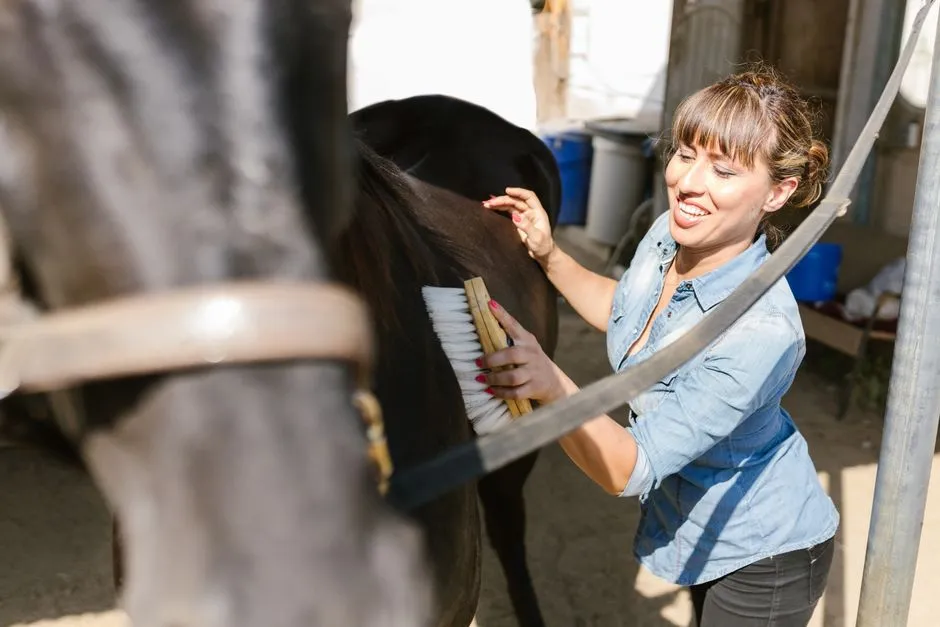
This one makes some trainers visibly uncomfortable, but it shows up again and again in bonded horses. A horse deeply attached to one person will sometimes quietly block other horses – or people – from crowding that person, without anyone ever training the behavior in.
It’s rarely pinned ears and lunging. More often it’s subtle: a shoulder swung between you and a pushy pasture mate, a small step forward when a stranger gets too close for their comfort.
Fast Facts
- Protective positioning is usually subtle: a shoulder swing, a small step forward, not pinned ears or lunging.
- The horse’s focus stays locked on you, not on the “threat” – a key sign it’s about proximity, not aggression.
- Most owners notice it happens only with one specific person, never with random handlers.
The key difference from real aggression is where their focus stays. It stays on you, not on picking a fight. They’re managing space, not hunting drama. Safety-minded trainers will warn you not to humanize it. People with decades in the saddle recognize it for what it looks like – a low-level protective instinct, reserved for exactly one person.
#5 – They’re Visibly Disappointed When You Pass Them By
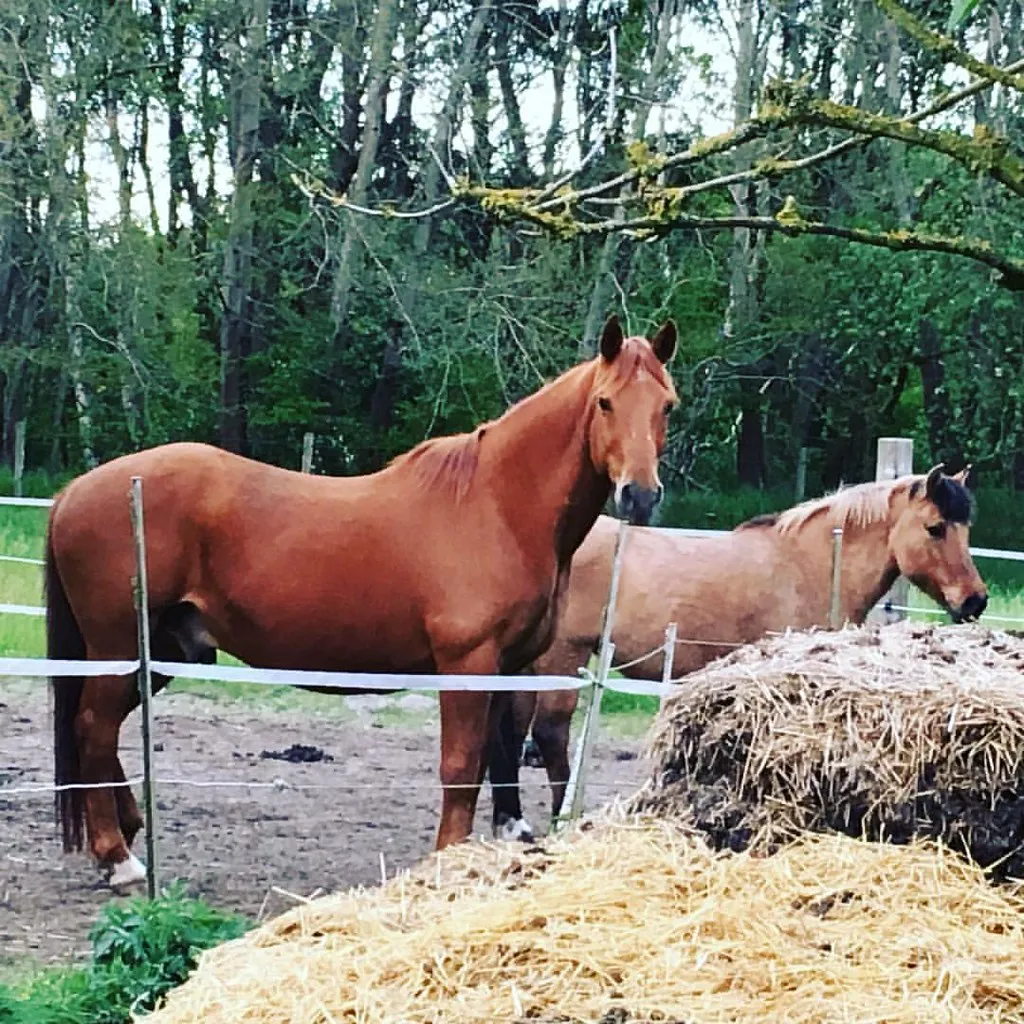
Walk down a barn aisle and actually watch faces instead of just haltering. A bonded horse doesn’t nicker for anyone carrying a halter – they track you specifically, and something small crashes when you keep walking past their stall.
Ears drop from forward to neutral. The head lowers a fraction. Sometimes they even step back from the door, as if to say, “Oh. Not today.” The pattern gives it away:
- Strangers get a sniff and instant loss of interest.
- Regular staff get a response, but a flat, businesslike one.
For you, it’s different. They perk up at the sound of your footsteps or your voice, then visibly sag if you stop at another stall first. It’s subtle enough to miss on a busy day, but anyone who’s watched it happen once never misses it again.
#4 – They Rest Deeply Only When You’re Nearby
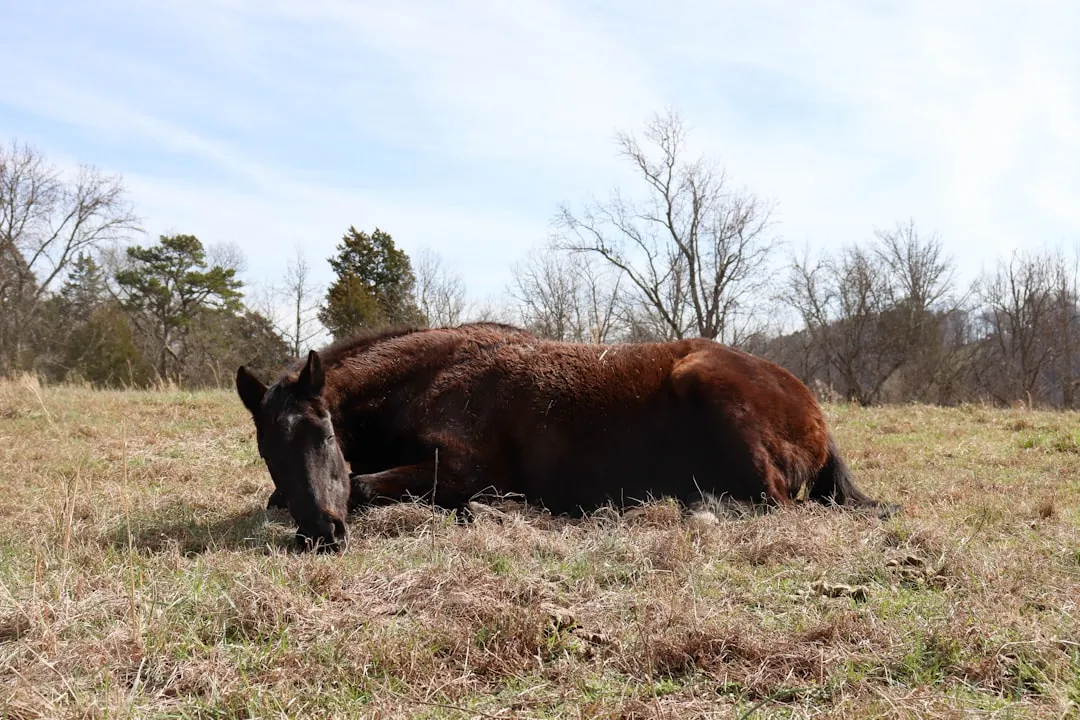
Horses are prey animals, which means deep, flat-out sleep is a genuine vulnerability for them. When a horse chooses to lie down and fully relax with you around, that’s not a small thing – it’s a vote of confidence most people underestimate completely.
Bonded horses get caught totally asleep, legs stretched out, while their person sits nearby scrolling a phone or cleaning tack, even in a noisy, busy barn. Watch for:
- Lying down more often specifically when you’re hanging around the pasture.
- Dozing that turns into real, twitching REM sleep once you pull up a chair.
Sleep research on horses shows they need to feel genuinely safe before they’ll drop into that state. When you’re the safety factor, that’s trust at the most primal level available to a prey animal – you watch, they sleep. Pull that person away suddenly, and plenty of these horses go restless and pace for days.
#3 – They Search for You When You’re Suddenly Gone
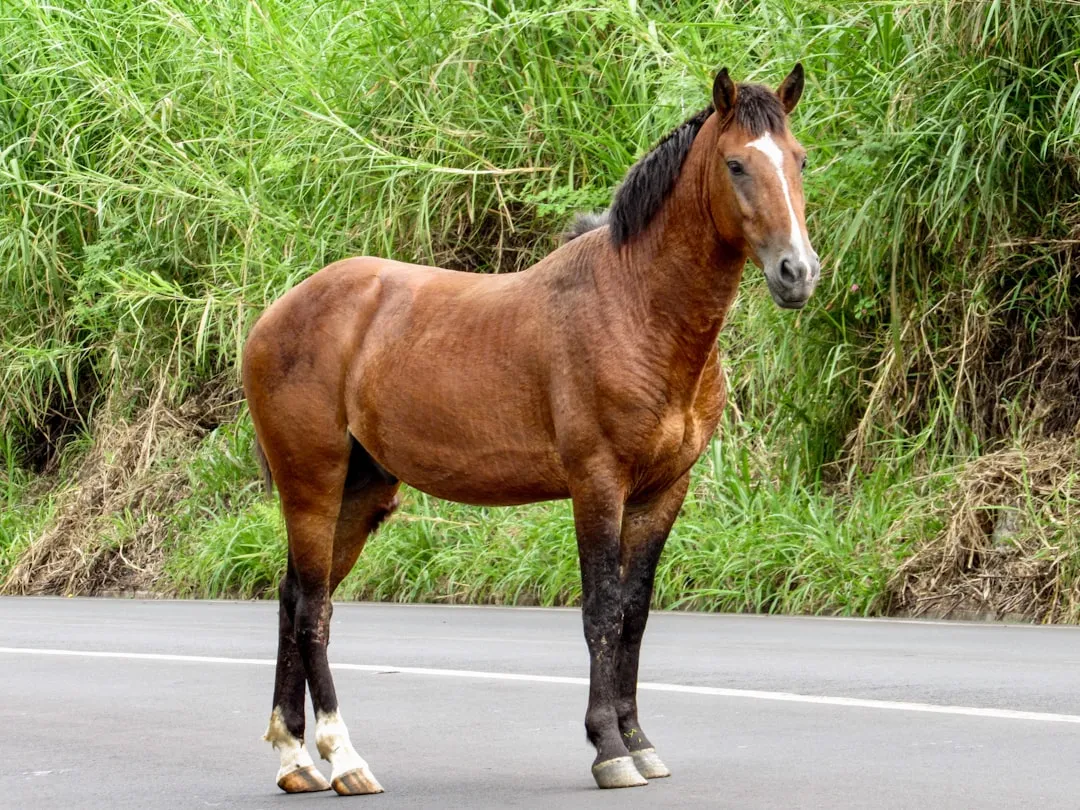
This is where things stop being cute and start being real pining. Horses with one strong human bond often search systematically for that person the moment routines change without warning.
They stare at the usual arrival point. They swing their head toward every engine that sounds close enough to yours. Some will call once or twice at the exact time you’d normally show up, then go quiet and just watch the gate. Caregivers who track this closely report:
- A noticeable dip in interest and appetite when you’re gone for longer trips.
- Slower eating or more pacing right around your usual visiting hours.
This isn’t every horse, and it’s rarely dramatic. But when it starts within a day or two of your absence and disappears the week you’re back, that’s not random barn behavior. That’s specific longing for one missing herd member.
#2 – They Struggle to Transfer That Bond to Anyone Else
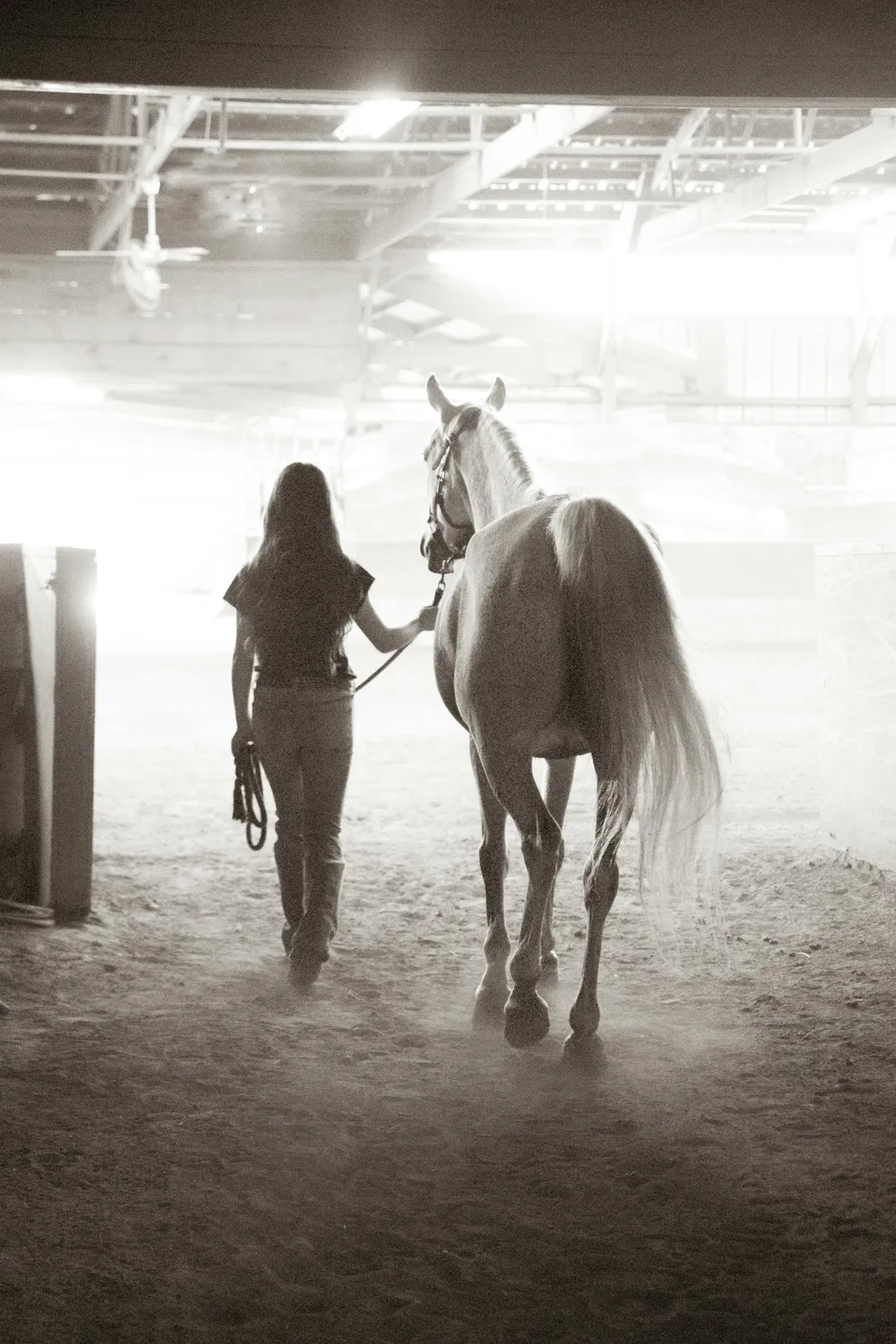
Here’s the hard truth nobody likes hearing: some horses don’t “rehome” emotionally the way we hope they will. A horse that has truly bonded to one person can take months, years, or forever to build the same depth of attachment with someone new.
They may be polite. They may be rideable, even successful in the show ring. But something in their eye stays reserved, held back. New owners feel it before they can even explain it:
- “He does everything I ask, but I feel like I’m borrowing someone else’s horse.”
- “She’s fine, but she doesn’t light up for me the way she clearly did for her old rider.”
Meanwhile barn staff quietly notice the horse still pricks its ears at any truck that sounds like the old owner’s. That resistance to transferring the bond is one of the clearest proofs the original attachment went far past convenience.
#1 – Their Grief Is Obvious When You Disappear From Their Life
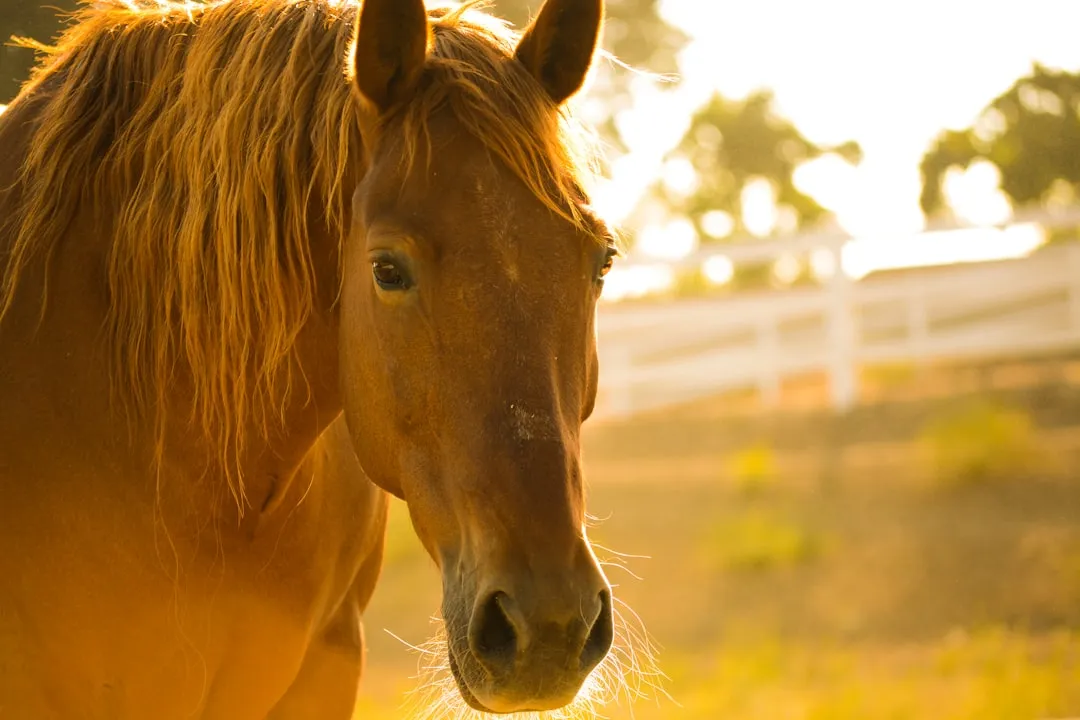
The hardest sign usually surfaces only after you’re really gone – sold, moved away, unable to visit anymore. Some horses adjust fine. Others show persistent, specific grief that doesn’t fully fade until, or unless, they find another true person. Sometimes it never fully lifts at all.
They may go off feed for a few days. They may stand at the gate during your old visiting hours out of pure habit, staring at nothing. Work they used to love suddenly holds no interest.
Quick Compare
- Adjusting horse: eats normally within days, settles into a new routine, greets new caretakers with curiosity.
- Grieving horse: goes off feed, stands at old visiting spots out of habit, shows a dull, distant eye for weeks or months.
Experienced barn managers have watched it play out too many times to call it a coincidence: the horse who used to gallop the length of the field for one specific person now shuffles in slowly, or doesn’t bother coming in at all. The new owner can do everything right and still get a dull, distant eye for months. Not every horse pines like this. But when they do, there’s no mistaking it for anything else. They didn’t just like their person. They lost a member of their chosen herd.
The Bottom Line
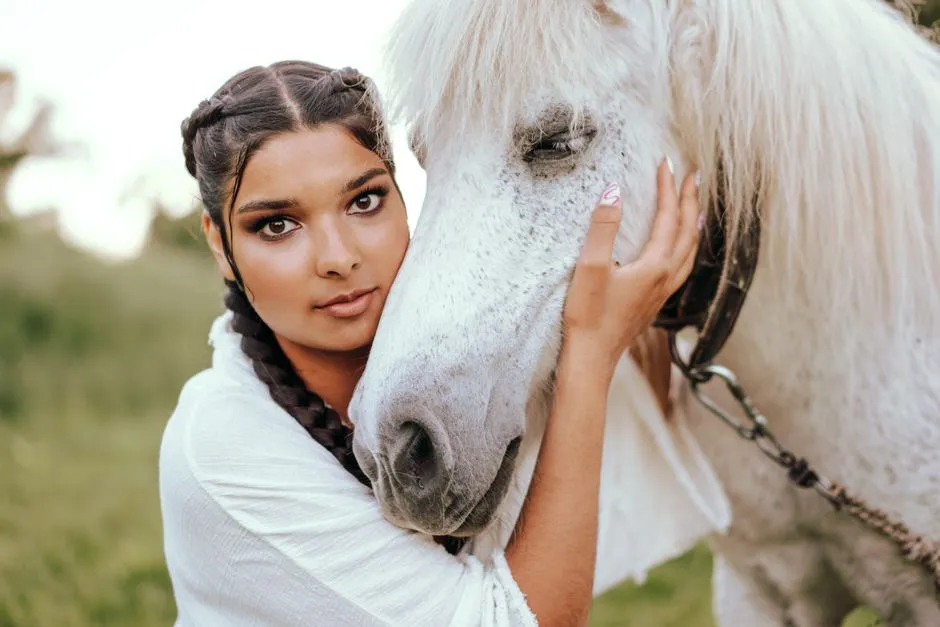
Most people think bonding looks like nickers and cute selfies at the fence. It doesn’t. The real signs a horse has attached to you alone are quieter, more inconvenient, and honestly sometimes heartbreaking to sit with.
They track you over the herd. They only fully settle once you step in. They rest deeper with you nearby and falter, silently, the moment you vanish from the routine. That quiet pacing at your usual arrival time says more than a hundred treat-motivated whinnies ever could.
Some people will insist horses don’t “pine,” they just adapt. Anyone who’s actually watched a one-person horse go glassy-eyed after a sale knows that’s wishful thinking dressed up as science. If you’ve seen even half these signs in your own horse, you’re not just a rider to them. You’re their safe place on four legs, and that’s not a small thing to be handed by a prey animal wired to trust almost no one completely.
The real question isn’t whether horses bond this hard. It’s whether we’re willing to admit it, even when it’s inconvenient, even when it means we owe them more than we thought. Did we miss a sign you’ve seen in your own horse? Say it in the comments.
