


America’s vast and hidden cave systems hold remarkable secrets, mysteries waiting to be unravelled. These subterranean worlds are more than just dark, echoing caverns; they are treasure troves of natural wonders and scientific revelations. From rare geological formations to ancient artifacts, the enigmatic depths continue to astound explorers and scientists alike. Join us as we delve into the ten most astonishing discoveries that have emerged from America’s deep caves.
Exceptional Biodiversity

Deep within the subterranean labyrinths, biodiverse ecosystems thrive in isolation from the outside world. These caves host extraordinary species that have adapted to life without sunlight, such as blind fish and albino crustaceans. In Texas’s Edwards Plateau, for instance, biologists have documented a myriad of unique species, including the endangered Texas blind salamander. Such discoveries not only enrich our understanding of evolutionary biology but also emphasize the ecological importance of preserving these fragile habitats.
Stunning Geological Formations

Caves in America are renowned for their stunning geological formations that have formed over millions of years. The Marble Caves in California boast brilliant stalactites and stalagmites that glisten under the play of light. Meanwhile, Kentucky’s Mammoth Cave, the world’s longest cave system, presents awe-inspiring formations like Frozen Niagara, a flowstone cascade resembling its namesake. These natural sculptures are not merely beautiful; they provide valuable insight into the Earth’s geological history.
Prehistoric Artifacts and Fossils
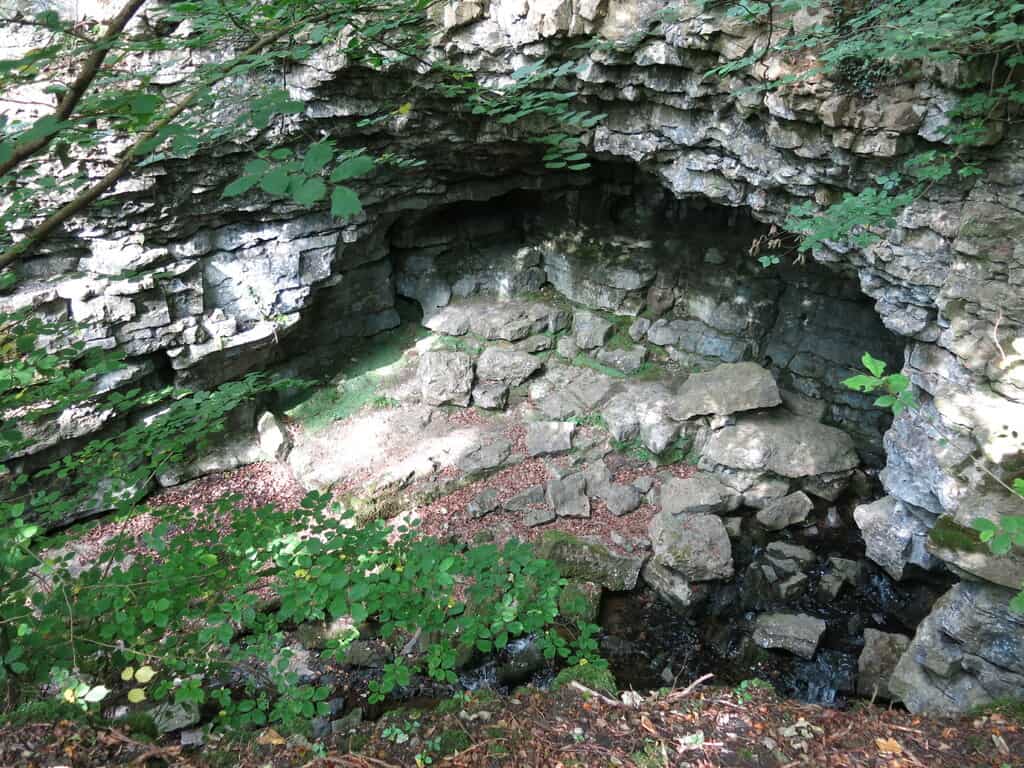
Caves act as time capsules, preserving artifacts and fossils from epochs long past. Excavations in some of the nation’s caves have unearthed tools and art from ancient civilizations, offering glimpses into the lives of early humans. For example, in Utah’s Danger Cave, researchers found textiles, sandals, and arrow points dating back over 9,000 years. Additionally, fossilized remains of Ice Age creatures like the saber-toothed cat have been discovered, painting a picture of prehistoric fauna once roaming the continent.
Underwater Caves and Ancient Ecosystems

America’s underwater caves, such as those in Florida’s springs, reveal submerged landscapes frozen in time. These submerged networks chronicle past climatic shifts, with layers of sediment unveiling the Earth’s ancient environmental changes. Divers exploring these sunken labyrinths have documented preserved microcosms, including rare fauna and flora, which illuminate our understanding of ancient ecosystems.
Unique Mineral Deposits

Many American caves are home to extraordinary mineral deposits, with rare elements crystallizing in their depths. The Cave of Crystals in New Mexico dazzles with selenite crystals, some towering over 30 feet. These mineral formations are more than just eye candy; they serve as a crucial resource for studying mineralogy and the geological processes that shape our planet.
Ancient Human Remains
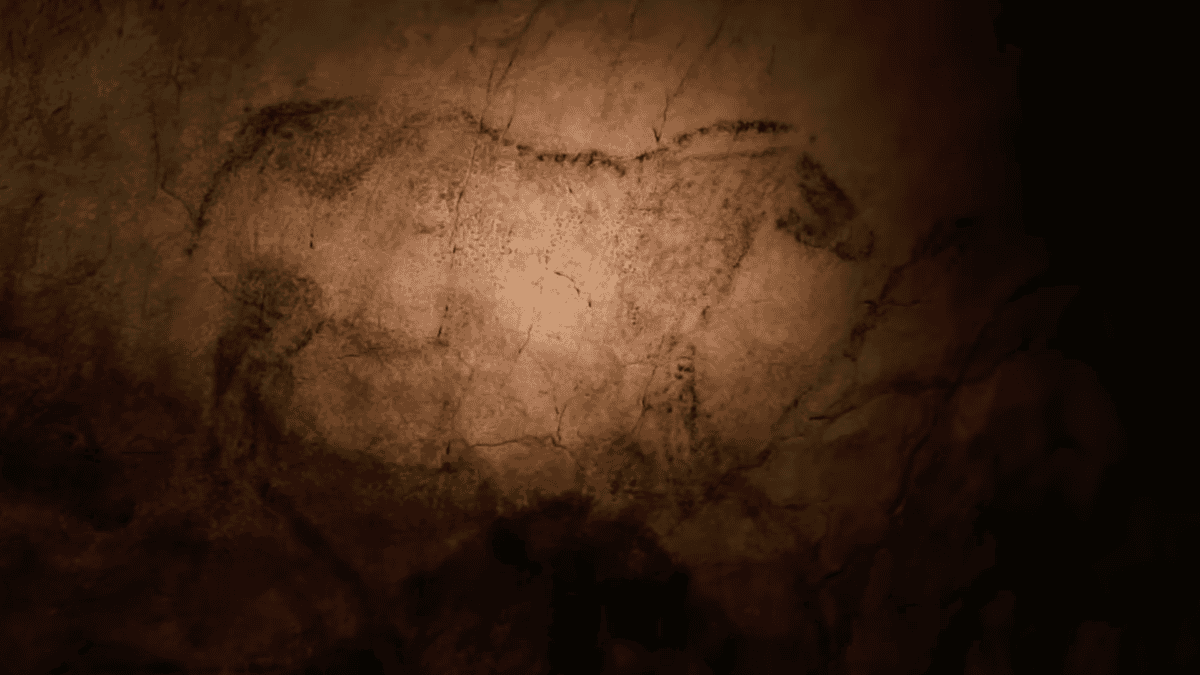
The arid conditions of certain cave environments often result in the remarkable preservation of human remains, lending invaluable insight into past customs and traditions. In Nevada’s Spirit Cave, the remains of a man who lived approximately 10,600 years ago were discovered, making him one of the oldest naturally mummified humans ever found in North America. Such findings continue to inform anthropologists about early human migration patterns and life.
Mysterious Cave Networks

America is home to extensive, mysterious cave networks that captivate spelunkers and scientists alike. Explorations in the Lechuguilla Cave, New Mexico, have uncovered a 150-mile underground maze, known for its unique speleothems and untouched geological features. Discoveries within these networks not only thrill cave enthusiasts but also contribute to the study of geology, hydrology, and cave ecology.
Ephemeral Ice Formations

Some caves present a stark contrast to their dark, rocky surroundings—by hosting mesmerizing ice formations. In certain high-altitude caves, like the ones found in Glacier National Park, transient ice sculptures form from melted snow, captivated in perpetual frost. These temporary phenomena, though they come and go with seasonal changes, offer insight into climatic conditions and theories of ice cave dynamics.
Underground Rivers
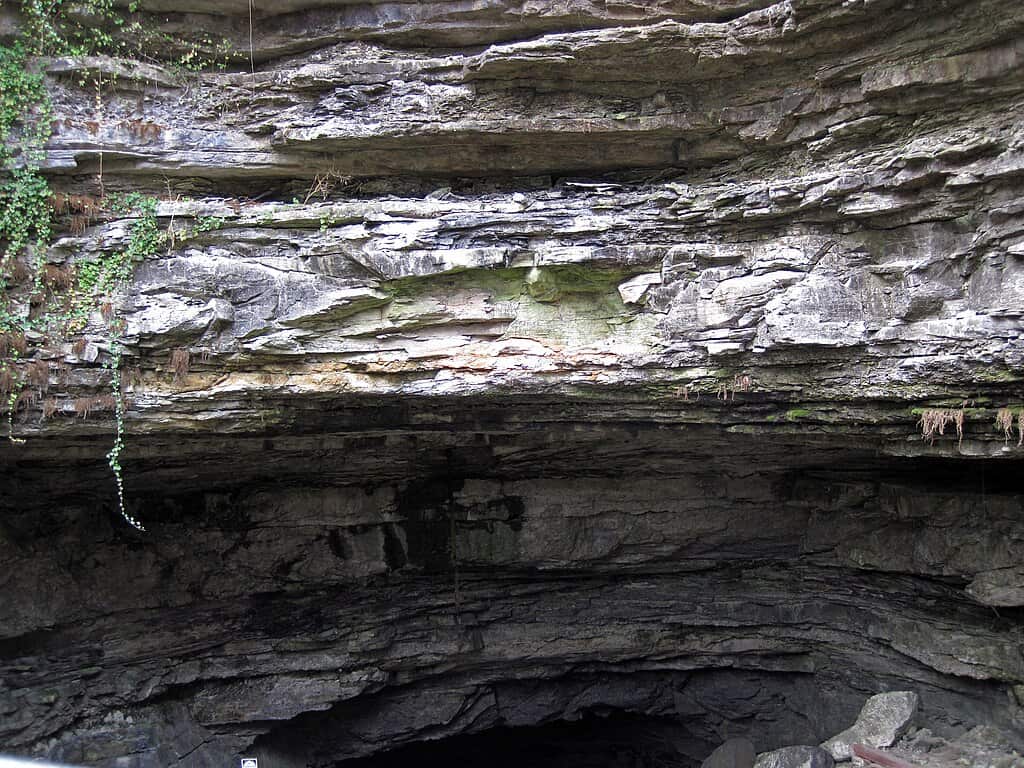
Hidden rivers snake through many of the nation’s caves, creating complex aquatic systems unseen by the sun. For example, the Lost River Cave in Kentucky hosts an underground river that has carved through limestone over millennia, forming a labyrinthine waterway. Such underwater pathways are essential to understanding hydrological cycles and groundwater systems, which are pivotal for natural and human life alike.
Paleoclimate and Ice Age Clues
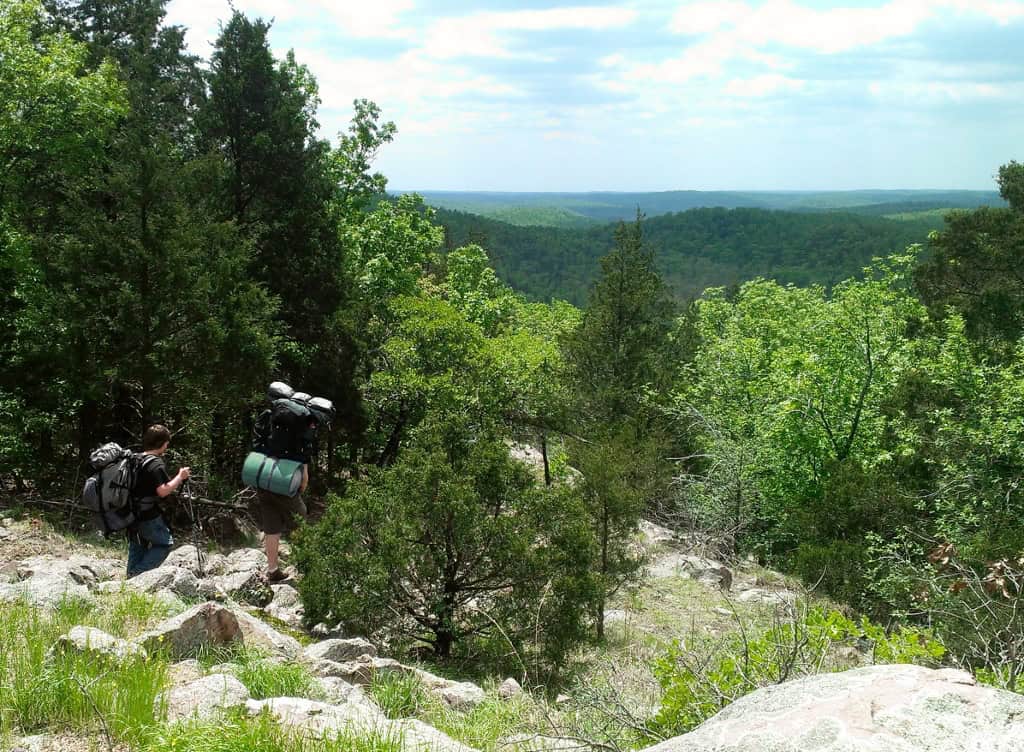
Stalagmites and stalactites within caves serve as climatic diaries, recording historical weather patterns. Analysis of these formations in Missouri’s Ozark Mountains, for instance, has provided evidence of climatic shifts during the last Ice Age. Geologists can examine growth rings much like trees, revealing patterns of droughts and floods over centuries. Such data is crucial for predicting future climate scenarios and understanding the Earth’s climatic past.
Rare Airborne Microbes
Caves also contain rich microbial life, with air surveys revealing bacteria and fungi previously unknown to science. In a Tennessee cave, researchers identified air-dwelling microbes that could potentially contribute to biotechnological advancements. The discovery of such organisms expands our comprehension of microbiology and raises questions about life in extreme conditions, both on Earth and potentially on other planets.
Scientific and Cultural Significance

The treasures found within America’s caves offer incalculable scientific and cultural value. Discoveries of prehistoric artifacts contribute to our understanding of ancient human history, while the unique ecosystems within these caves inform biology and ecology. As much as they are sites of spectacular beauty and wonder, caves are also crucial for studying geology and climate history, providing a natural laboratory where many scientific fields converge.
Conclusion

America’s deep caves are more than dark, enigmatic crevices hidden beneath the Earth. They are repositories of natural wonders and ancient secrets, offering unparalleled insights into our planet’s geological history, biodiversity, and past human cultures. As we continue to explore these subterranean marvels, it is imperative to protect these fragile ecosystems for future generations and maintain their wonders for all of humanity to appreciate.

As a little kid, I fell in love with nature, wildlife, and animals. Living in the USA, South Africa, Italy, China and Germany gave me the opportunity to discover the world's Wildlife. My favorite animals are Mountain Gorillas, Siberian Tigers, and Great White Sharks.
I'm a certified PADI Open Water Diver, went to Everest Base Camp and Trekked Gorillas in Uganda. I hold a Master of Science in Economics and Finance.
Please send any feedback to feedback@animalsaroundtheglobe.com
- 25 Loyal Dog Breeds That Will Protect You With Their Life - July 21, 2026
- 11 Monkey Antics That Prove They are Our Wildest Relatives - July 21, 2026
- 15 Animals That Plan Their Actions - July 21, 2026