


In recent years, America’s backyards have become unexpected battlegrounds. Not against neighbors or construction mishaps, but against an array of sneaky invaders. These uninvited guests, ranging from plants to animals, slip unnoticed into gardens and lawns, posing a subtle yet significant threat to local ecosystems. Understanding who these invaders are and how they operate is the first step in reclaiming our greenspaces.
The Silent Spread of Invasive Plants

Invasive plants are often the first culprits to go unnoticed as they silently weave through gardens and lawns. Species like kudzu, with its rapid growth rate, can smother native plants, trees, and even structures if left unchecked. These plants often have no natural predators in their new environments, allowing them to spread unchecked and outcompete native species for resources.
The Rampaging Rodents

While squirrels may seem charming with their playful antics, some species, such as the Eastern gray squirrel, can wreak havoc. They tend to dominate food sources, leaving little for native fauna. More destructive cousins like the nutria damage plant life and compromise waterway banks through their burrowing.
Birds Beyond Borders

A variety of bird species have found new roosts in American backyards. However, not all are beneficial. The European starling, introduced in the late 19th century, competes fiercely with native bird species for nesting sites and food, often driving them away. These aggressive flocks can create ecological imbalances that persist for years.
Insidious Insect Invasions

Insects like the emerald ash borer have laid siege to America’s ash trees, ravaging landscapes and disrupting local ecosystems. These insects tunnel through tree trunks, impeding water and nutrient flow, ultimately leading to tree death. Their tiny size belies their enormous impact on vegetation.
The Amphibious Assault

The American Bullfrog, although native to parts of the United States, has invaded many other areas, outcompeting local amphibians. Their voracious appetite means they consume anything that fits in their mouths, including insects, fish, and even other frogs, altering aquatic ecosystems significantly.
Aquatic Menaces

Invasive species aren’t limited to land. The zebra mussel is a notorious waterborne invader, clogging waterways and outcompeting native shellfish. They filter out plankton, disrupting food webs and causing ecological and economic harm to affected water bodies.
Reptilian Rogues
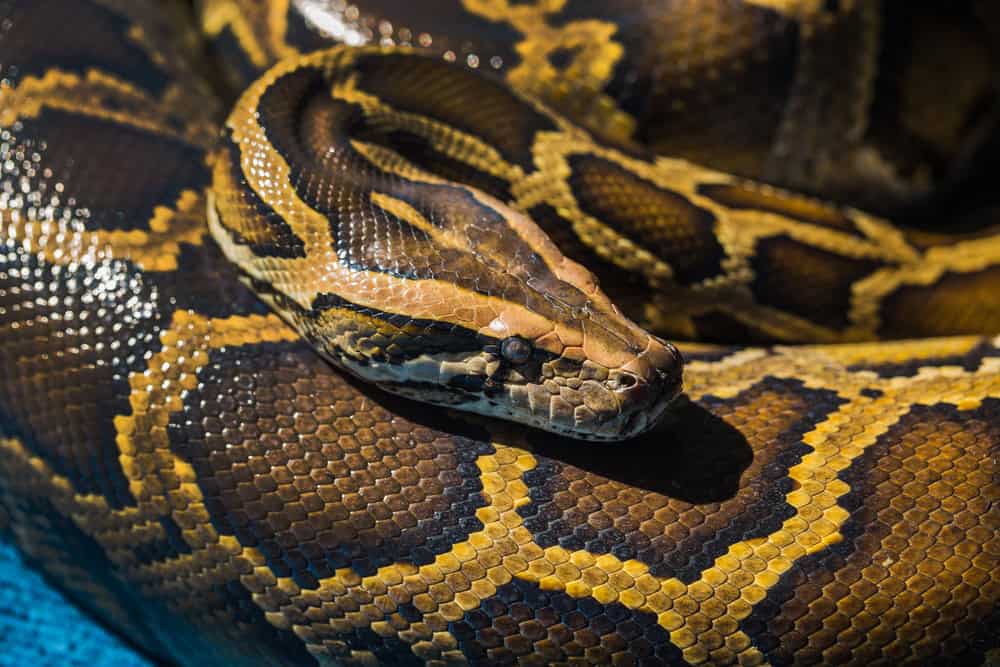
The Burmese python, once popular as a pet, has become a significant predator in the Florida Everglades. Released by pet owners, these enormous snakes have decimated local wildlife populations, posing risks to both the ecological balance and human safety in the region. Their rapid reproduction and lack of natural predators make them formidable invaders.
Furry Foes The Domestic Cat

While beloved as pets, domestic cats can pose serious risks when allowed to roam free. They are skilled hunters and pose threats to local bird and small mammal populations. Efforts to manage feral cat populations continue, but their impact on biodiversity is a pressing concern in many neighborhoods.
The Herbivorous Hinderers
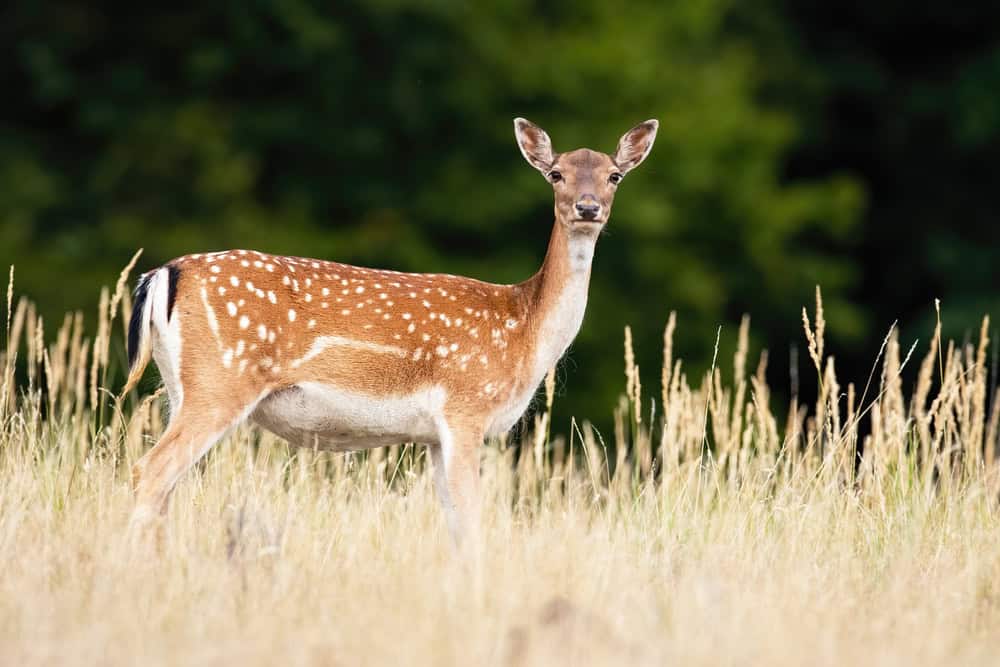
Deer, such as the white-tailed variety, have proliferated in suburban areas due to a lack of predators. Their browsing habits can decimate gardens, and they often become road hazards. Their growing populations require careful management to balance their presence with local ecological health.
Viral Invaders Pests and Pathogens

Beyond visible fauna and flora, pathogens and diseases can also invade ecosystems. For instance, the spread of diseases like Dutch elm disease and sudden oak death have been devastating to native tree populations, underscoring the importance of monitoring and controlling plant pathogens.
Strategies for Backyard Defense

Effective management of invasive species often begins at home. Homeowners can start by planting native species, removing invasive plants, and being cautious about pet and plant introductions to their yards. Awareness and proactive measures play a crucial role in maintaining ecological balance.
The Role of Community and Policy

Communities and local governments must join forces to tackle invasive species. Education programs, regulatory measures, and coordinated efforts at removal are essential tools in the fight. By staying informed and working together, it’s possible to protect local environments from the infiltration of these uninvited guests.
Conclusion

Through heightened awareness and concerted community efforts, we can all play a part in safeguarding our backyards. As stewards of the land, recognizing and responding to these hidden invaders is pivotal in restoring harmony to our natural habitats.

As a little kid, I fell in love with nature, wildlife, and animals. Living in the USA, South Africa, Italy, China and Germany gave me the opportunity to discover the world's Wildlife. My favorite animals are Mountain Gorillas, Siberian Tigers, and Great White Sharks.
I'm a certified PADI Open Water Diver, went to Everest Base Camp and Trekked Gorillas in Uganda. I hold a Master of Science in Economics and Finance.
Please send any feedback to feedback@animalsaroundtheglobe.com
- 13 Common Birdwatching Mistakes and How to Fix Them - July 11, 2026
- 12 Most Affectionate Cat Breeds - July 11, 2026
- 12 Forest Creatures That Disappeared From Parts of the U.S. - July 11, 2026