
Tornadoes are among the most dramatic and fearsome natural phenomena, boasting the power to devastate everything in their path. While capable of wreaking havoc, they are also a testament to the unpredictable forces of nature. In the rich history of American weather, one tornado outbreak stands out as the most unpredictable, leaving meteorologists, researchers, and the public in awe of its sheer scale and intensity.
Historical Context of Tornado Outbreaks

Tornado outbreaks occur regularly in the United States, with Tornado Alley—an area covering parts of Texas, Oklahoma, Kansas, and Nebraska—claiming a notorious reputation for these violent storms. Historically, these events have varied in frequency and intensity, but some outbreaks have been particularly devastating, capturing scientific and public attention due to their unpredictability and destruction.
What Defines a Tornado Outbreak?

A tornado outbreak is defined by the occurrence of multiple tornadoes spawned by the same weather system. While the exact number can vary, an outbreak often involves ten or more tornadoes within a single day or a series of days, contributing to widespread damage over large geographical areas.
The Anatomy of a Tornado

Tornadoes form in volatile atmospheric conditions where warm, moist air collides with cold, dry air. This collision creates instability, leading to strong thunderstorms. The thunderstorm’s updrafts and wind shear ultimately give birth to rotating columns of air, known as tornadoes. This process can be incredibly complex, making prediction challenging.
The Evolution of Tornado Prediction
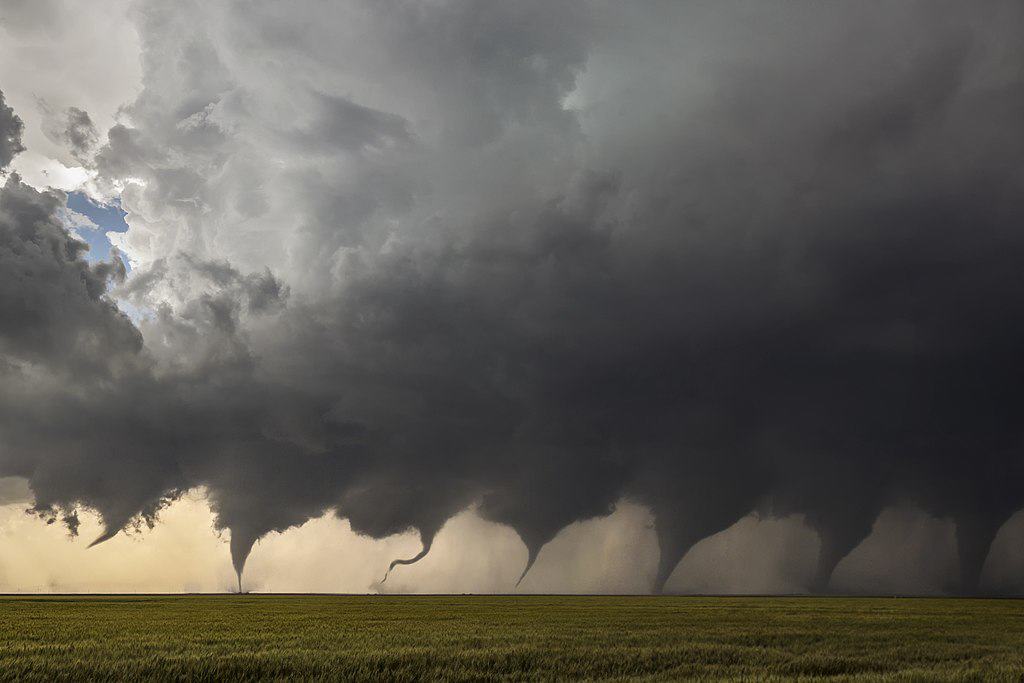
Advancements in meteorology have significantly enhanced our ability to forecast tornadoes. With radar technology, computer modeling, and storm chasing reports, predicting the conditions conducive to tornado formation has improved. However, despite these advancements, some outbreaks still defy expectations due to their sheer unpredictability and intensity.
The 2011 Super Outbreak: An Overview
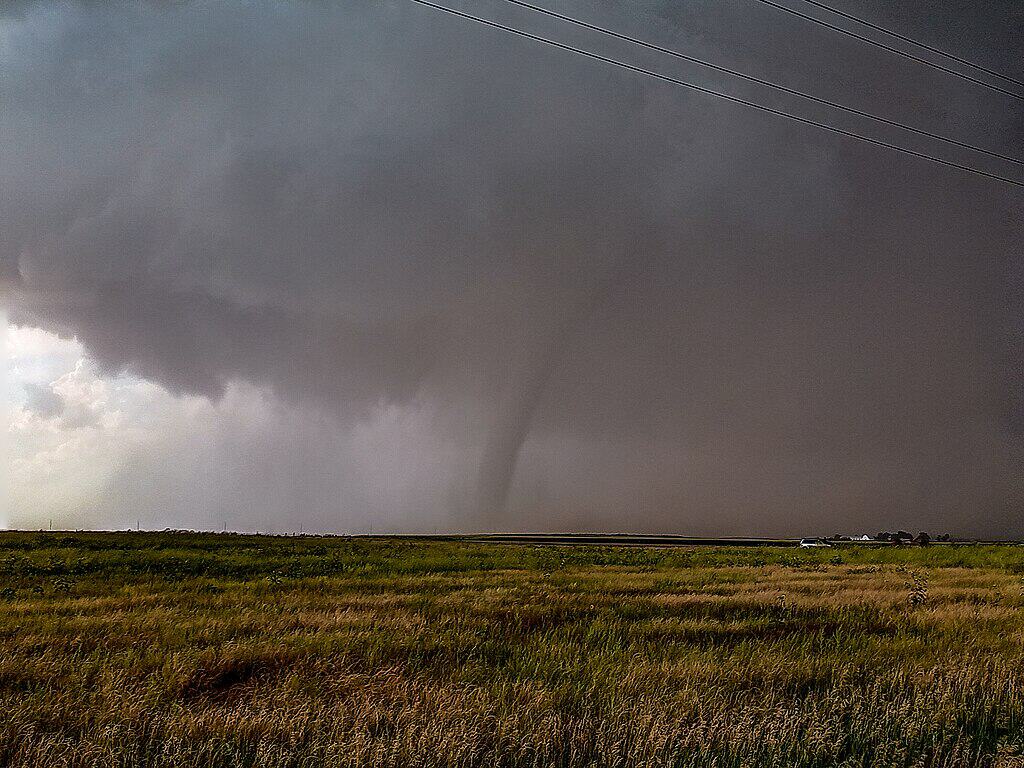
The April 2011 Super Outbreak remains one of the most unpredictable and catastrophic tornado events in U.S. history. Over a span of three days, from April 25-28, 2011, a series of powerful storms struck the southern, central, and eastern United States. This outbreak produced an unprecedented 360 tornadoes, culminating in numerous fatalities and widespread devastation.
Unprecedented Scale and Devastation
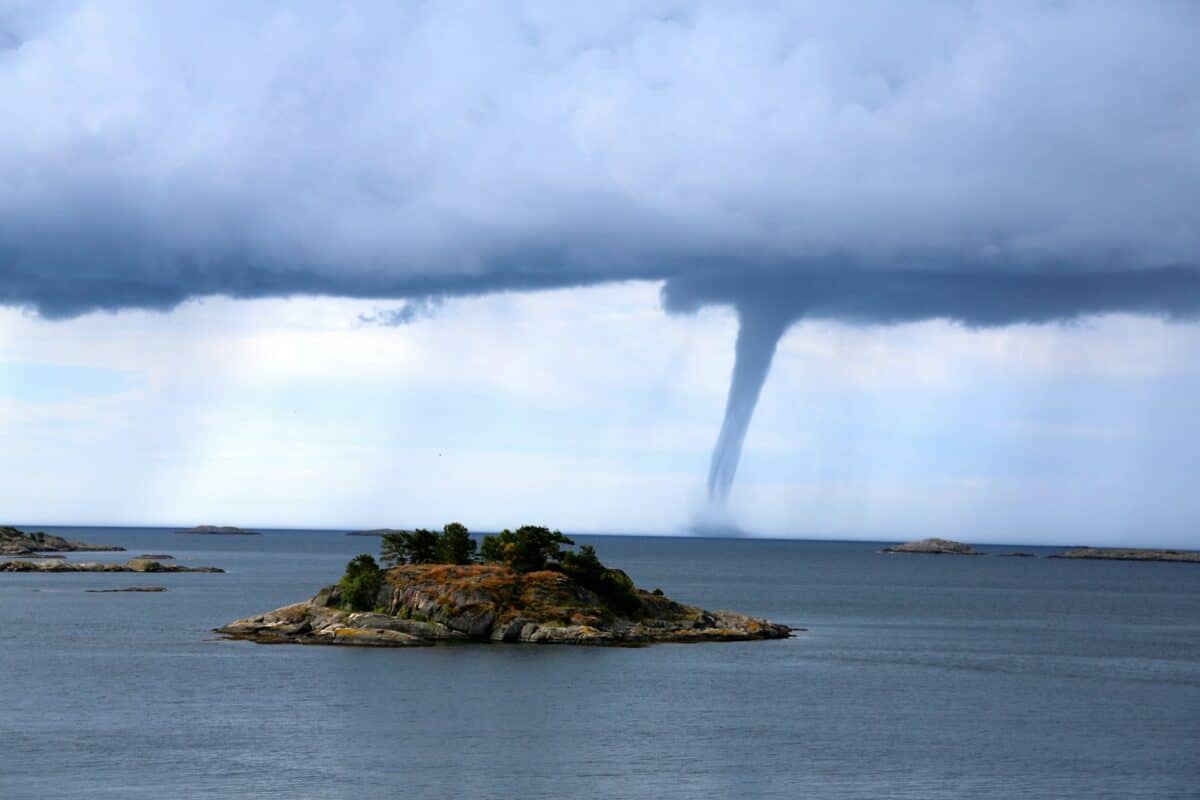
The scale of the 2011 outbreak surpassed all expectations, with Alabama being particularly hard hit. Among the numerous tornadoes, the EF5 tornado that struck Hackleburg, Alabama, was one of the deadliest and most devastating. With winds exceeding 200 mph, it reduced homes to rubble and left a trail of destruction stretching over 100 miles.
Impact on Communities and Individuals

The human impact of the 2011 outbreak was profound. Communities across several states were left to rebuild from scratch. The material destruction was estimated to be billions of dollars, but the emotional toll on survivors and victims’ families was incalculable. Stories of heroism, tragedy, and survival emerged, painting a vivid picture of both human vulnerability and resilience.
The Role of Emergency Services

In the aftermath of the outbreak, emergency services played a crucial role. From rescuing trapped individuals to providing shelter and supplies for those displaced, their efforts were vital in managing the immediate fallout. The coordination between local, state, and federal agencies demonstrated the importance of preparedness and quick response in mitigating the disaster’s impact.
Meteorological Lessons Learned
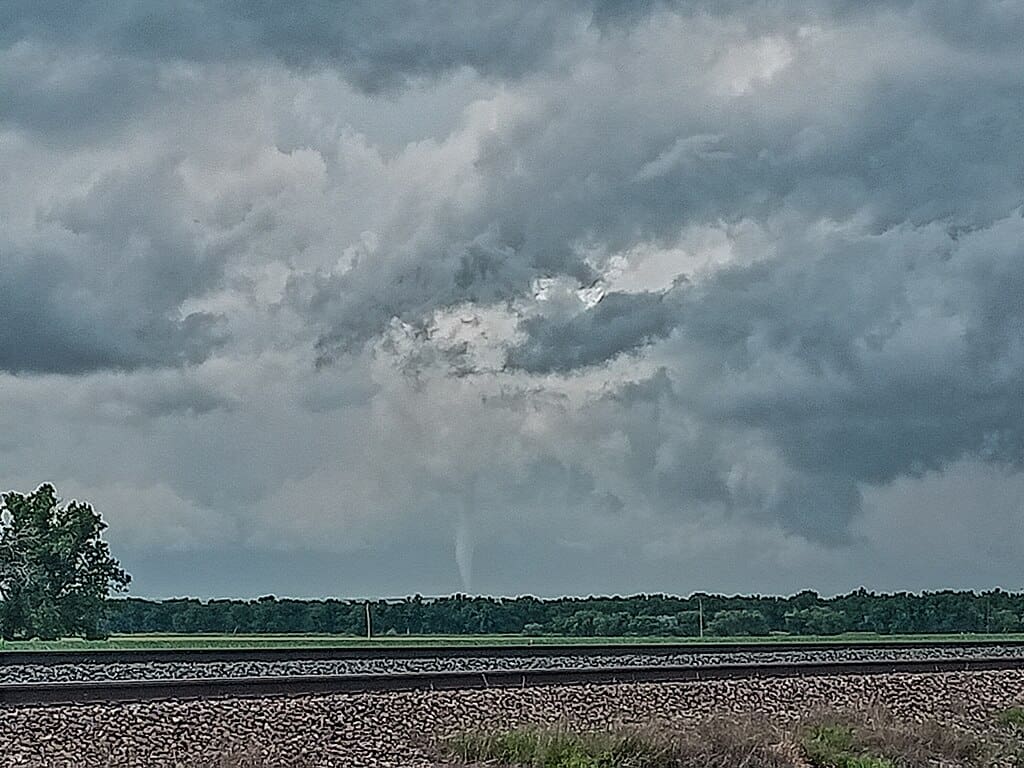
The unpredictability of the 2011 outbreak provided valuable insights for meteorologists. Analysis of the event led to a deeper understanding of tornado formation and behavior, influencing subsequent research and forecasting methods. It underscored the need for continuous improvement in prediction technologies and community preparedness.
Advancements in Technology Since 2011

Since the 2011 outbreak, technological advancements have continued to improve tornado forecasting. Enhanced radar technology and more sophisticated computer models now offer better predictions, allowing for more precise warnings and potentially saving lives. Despite these improvements, the inherent unpredictability of nature remains a formidable challenge.
Community Preparedness and Resilience

Communities in tornado-prone areas have become increasingly aware of the importance of preparedness. Educational programs, drills, and infrastructure improvements are part of a broader effort to enhance resilience against future outbreaks. The lessons from past tragedies have cultivated a culture of readiness and adaptability.
Conclusion: Nature’s Unpredictable Fury
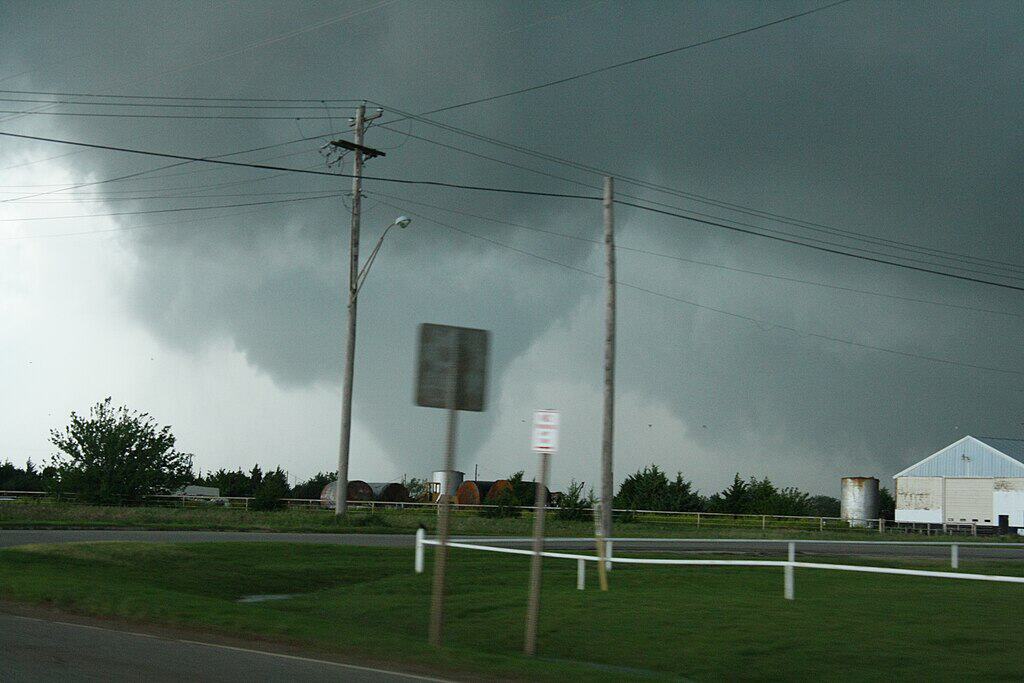
The most unpredictable tornado outbreak in U.S. records serves as a sobering reminder of nature’s power and unpredictability. While advancements in science and technology continue to improve our understanding and response, there remains an essential need for preparedness and resilience. As we continue to learn from these fierce displays of nature, it is crucial to foster collaboration between scientists, emergency services, and communities to safeguard against future outbreaks.

- This Tiny Insect Can Survive in Outer Space—Here’s How - July 21, 2026
- Could the Tasmanian Tiger Be Brought Back to Life? - July 21, 2026
- Why You Should Never Approach a Sleeping Hippo - July 21, 2026