

Eagles, often symbolizing strength and freedom, have been admired for their formidable presence and remarkable flying capabilities. Across the vast expanse of American skies, several species of eagles reign supreme, each with unique characteristics and behaviors that capture the imagination of bird enthusiasts and nature lovers alike. This article delves into the world of these majestic birds, exploring their habitats, behaviors, and the roles they play in ensuring ecological balance.
Introduction to Eagles in America

Eagles are among the most powerful birds of prey, commanding awe with their keen eyesight, incredible flying skills, and predatory instincts. In America, these birds hold a special place, not only as national symbols but also as integral parts of the ecosystem. Beyond the revered Bald Eagle, several other species contribute to the biodiversity of the continent.
The Iconic Bald Eagle

The Bald Eagle is perhaps the most famous raptor in the United States, thanks to its status as the national bird. Recognized by their striking white head and tail against a dark brown body, bald eagles are formidable hunters, primarily feeding on fish. They inhabit areas close to large bodies of open water and build enormous nests that serve as home bases for raising their young.
Golden Eagles: Masters of Mountainous Regions

Golden Eagles are among the largest raptors in North America. Preferring high-altitude habitats, these powerful hunters can often be found soaring over mountains and open terrains. Known for their impressive hunting skills, golden eagles primarily prey on mammals, showcasing extraordinary agility and strength in the process.
The Migratory Patterns of Eagles

Many eagle species migrate seasonally, traversing long distances. Bald Eagles, for instance, may journey thousands of miles from breeding grounds in North America to wintering areas in the south. These migratory patterns are influenced by food availability and climate, highlighting their remarkable adaptability.
Eagle Vision: A Superpower of Sight

Eagles possess one of the keenest senses of sight in the animal kingdom, allowing them to spot prey from a distance of up to two miles. This exceptional visual acuity is a critical survival trait, enabling them to hunt efficiently and navigate vast landscapes.
Conservation Efforts and Successes

Eagles once faced significant threats from habitat destruction and pesticide use, leading to drastic population declines. However, concerted conservation efforts, legal protection, and environmental awareness have facilitated remarkable recoveries, especially for the Bald Eagle, symbolizing a conservation success story.
Dietary Habits and Hunting Techniques

Eagles are primarily carnivorous, with diets varying based on species and available prey. While fish constitutes a large part of the Bald Eagle’s diet, others, like the Golden Eagle, focus on mammals. Their hunting techniques are characterized by precision and power, often involving dynamic dives to capture prey.
Nesting Habits and Parental Care
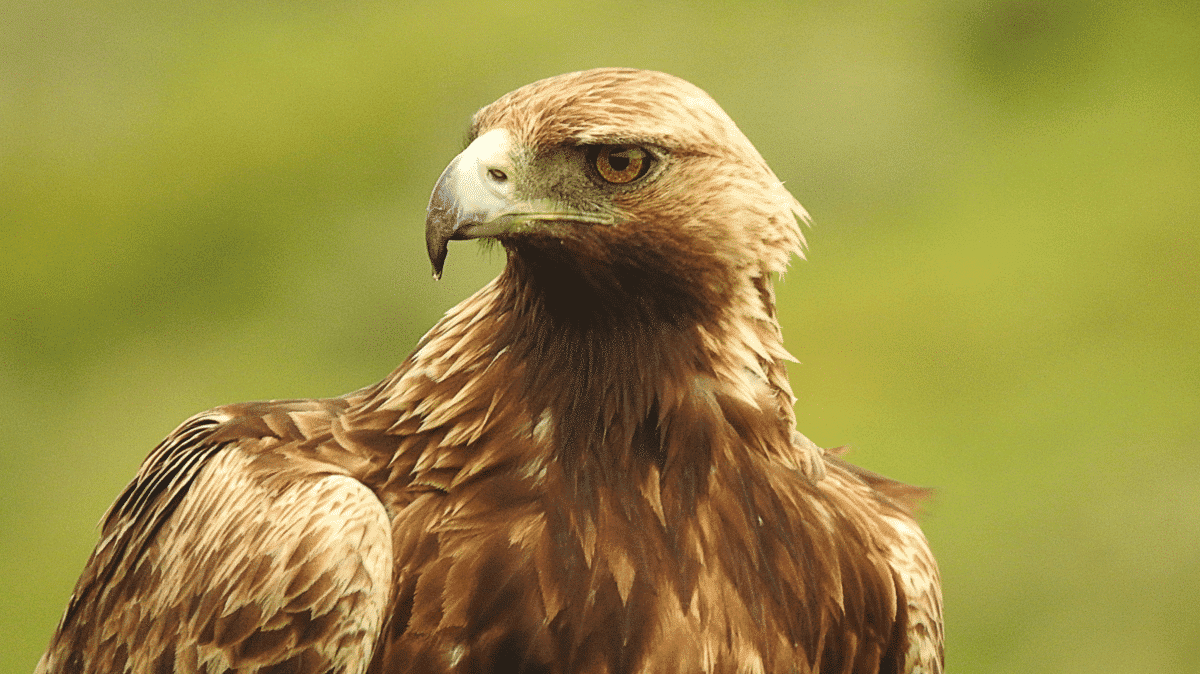
Eagles are known for constructing massive nests called eyries, often positioned high in trees or on cliffs. These structures are not just shelters but also symbols of eagle resilience and engineering. Both eagle parents participate in raising the young, ensuring that eaglets are well-fed and protected until they can fend for themselves.
Symbolism and Cultural Significance

Eagles have held symbolic significance across cultures, representing power, vision, and freedom. In Native American traditions, these birds are revered as spiritual messengers, embodying a connection between the Earth and the sky. Their majestic presence continues to inspire art, literature, and national identity.
Challenges Facing Eagles Today

Despite conservation successes, eagles still face threats from habitat fragmentation, climate change, and illegal poaching. Continued public awareness and conservation initiatives are crucial to mitigating these challenges and ensuring the long-term survival of eagle populations across the continent.
Eagles and Ecological Balance

Eagles play a vital role in maintaining ecological balance, acting as top predators in their ecosystems. By controlling prey populations, they contribute to the health of ecosystems, ultimately supporting biodiversity and environmental stability.
Conclusion: A Continual Legacy of Majesty

Eagles remain emblematic figures of both natural beauty and ecological function. As they soar across the American skies, they remind us of the importance of protecting the natural world and preserving these magnificent creatures for future generations. Through ongoing conservation efforts and a commitment to sustainable practices, we can ensure that eagles continue to thrive and inspire awe for years to come.

- This Tiny Insect Can Survive in Outer Space—Here’s How - July 21, 2026
- Could the Tasmanian Tiger Be Brought Back to Life? - July 21, 2026
- Why You Should Never Approach a Sleeping Hippo - July 21, 2026