
Nature never ceases to amaze us with its grandeur and complexity, and nowhere is this more evident than in the fascinating variety of mating rituals observed across the animal kingdom. While some courtships are predictable dances or simple displays of plumage, others are astonishingly eccentric. From risky behaviors to elaborate performances, these rituals ensure that species continue their lineages, often leaving us humans both bewildered and mesmerized. Let’s embark on an exploration of these peculiar yet ingenious reproductive strategies.
The Dance of the Peacock Spider
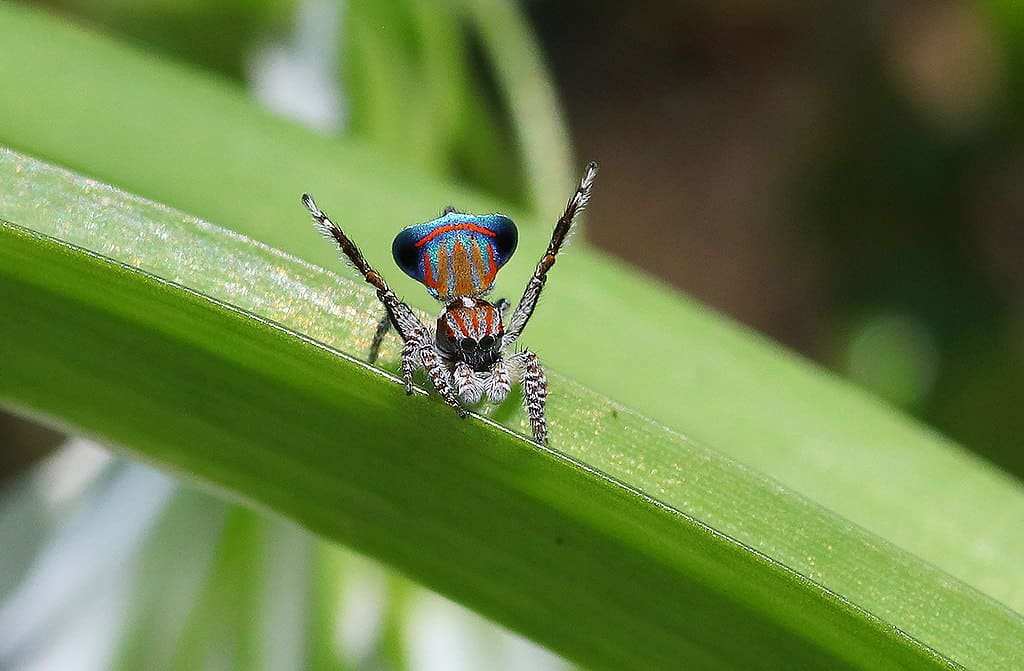
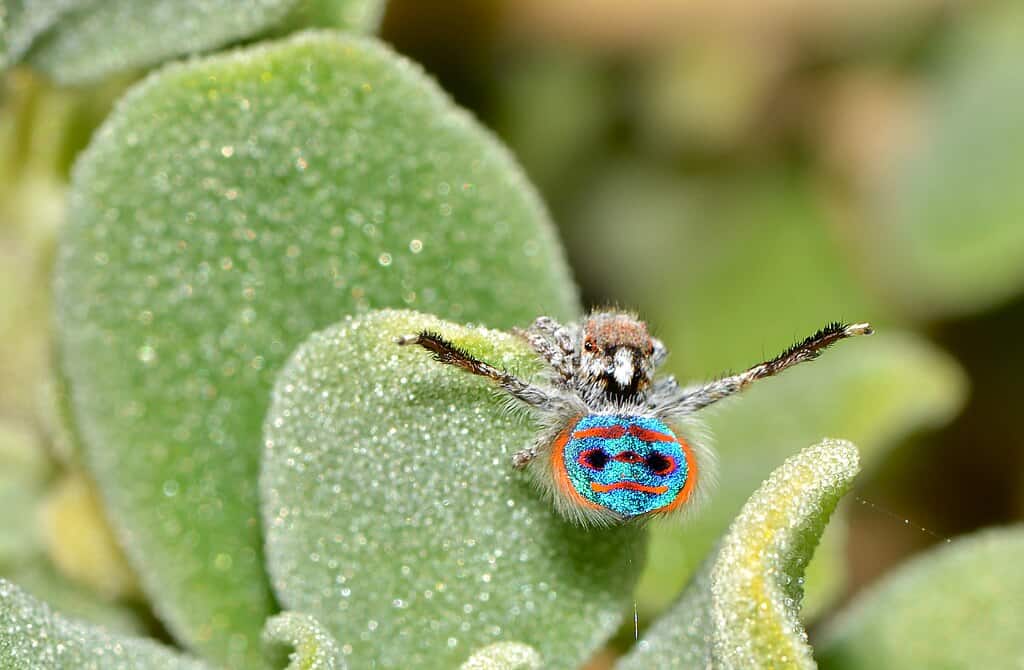
The peacock spider, native to Australia, is renowned for its stunning mating display, reminiscent of a kaleidoscopic dance. During courtship, the male spider raises and vibrates his brilliant, colorful abdomen while performing an intricate dance that includes leg twitches and abdomen shakes. These movements are not just for show; they are essential to capture the female’s attention. If he impresses her, he has a chance at mating. However, if he fails, she might devour him, making the stakes of his performance exceptionally high.
Bowerbird’s Artistic Innovations

Bowerbirds, found across Australia and New Guinea, are the Picassos of the animal kingdom. Males build intricate structures called bowers, meticulously decorated with vibrant objects like berries, flowers, and even man-made items such as bottle caps. These structures serve as a stage for their courtship displays. The female inspects the bower and its ornaments to determine the suitability of the male as a mate. A well-crafted bower directly correlates with the male’s resourcefulness and genetic fitness.
Seahorses: A Role Reversal
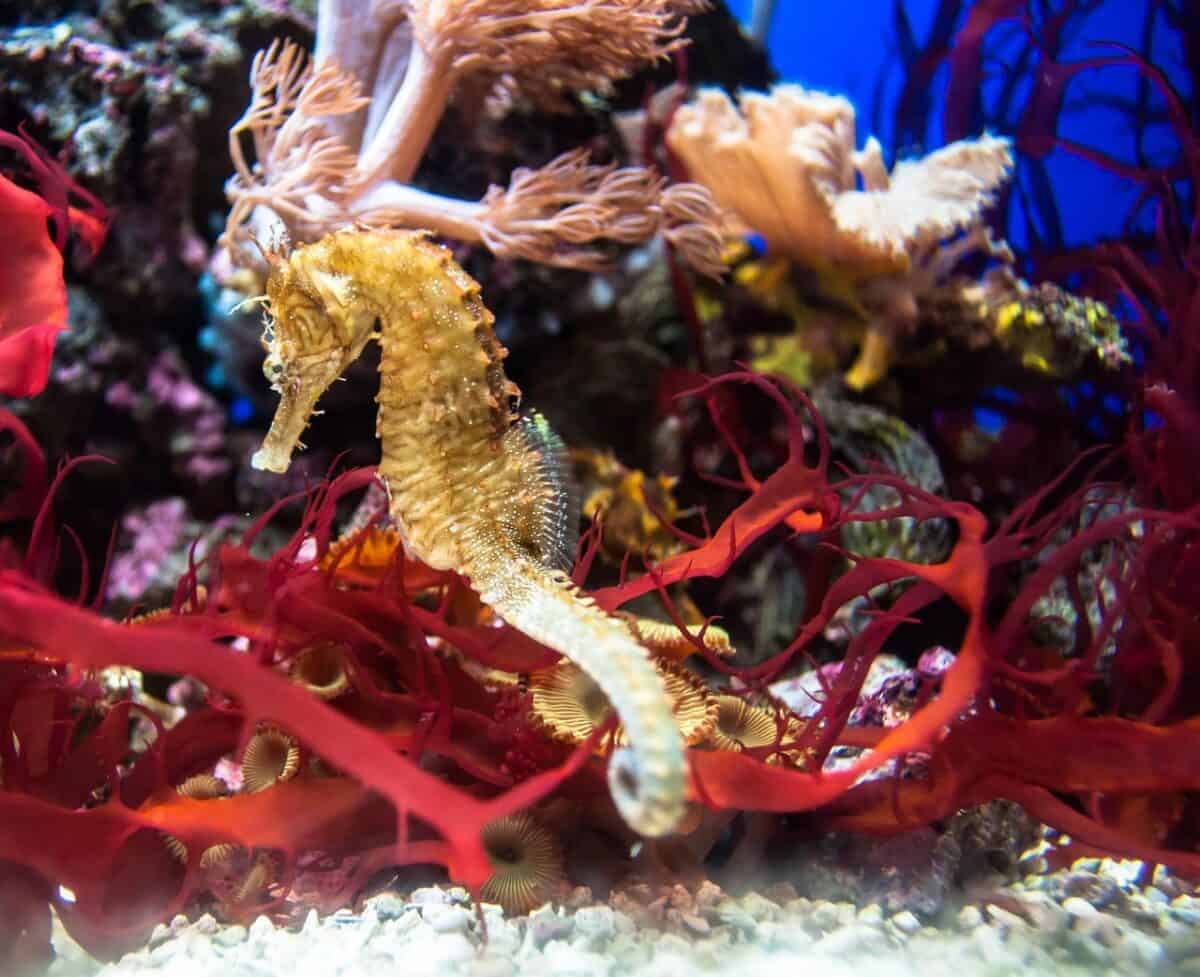
In the world of seahorses, it’s the males that experience pregnancy. These unique marine creatures engage in an elaborate courtship dance that involves swimming side by side with entwined tails while changing color. Once a pairing is formed, the female transfers her eggs into the male’s brood pouch, where he fertilizes and carries them until birth. This role reversal highlights an extraordinary adaptation in the realm of reproduction.
The Mysterious Lek of the Sage Grouse

The sage grouse, known for its expansive dancing grounds called leks, hosts one of nature’s most ostentatious courtships. Males gather in communal areas to perform synchronized displays that include puffing their chests, fanning their tails, and emitting a unique series of booming sounds. These performances aim to win over females, who observe the displays from the periphery before selecting the most impressive male for mating.
Fiddler Crabs and Their Signal Claws
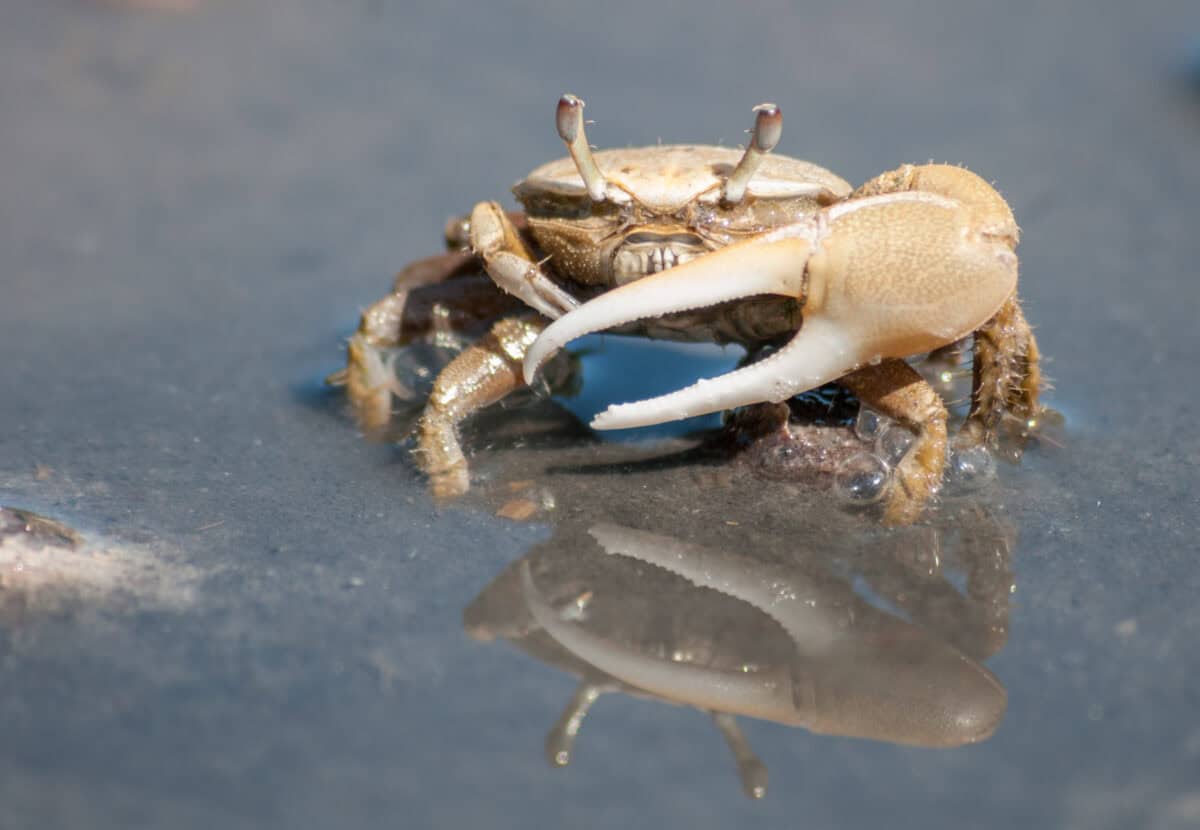
Fiddler crabs are aptly named for their exaggeratedly large claw, which males use to communicate and attract females. The males wave their oversized claws in a rhythmic pattern, signaling their presence and fitness to potential mates. Additionally, the size and quality of the burrow contribute to a male’s success, providing security and a safe breeding environment.
Lustrous Lanternfish Love Displays

The deep-sea lanternfish utilize bioluminescence in a captivating mating ritual. Males emit light from specialized organs to attract females in the pitch-black depths where they reside. This luminescent display not only lures mates but also communicates readiness and health, as only the fittest males can produce the most vivid light.
The Wooing Worlds of the Bonobos
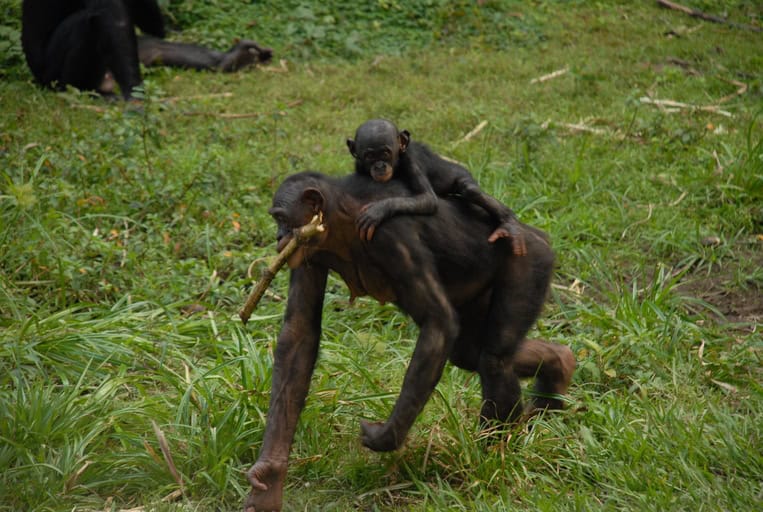
Known for their peaceful nature and complex social structures, bonobos use affectionate behaviors to strengthen community and form bonds. Their socio-sexual interactions, including grooming and genital rubbing, play a critical role in reinforcing pair bonds and maintaining harmony within the group, making their mating rituals notably collaborative and communal.
Explosive Tikus-Tikus Embrace
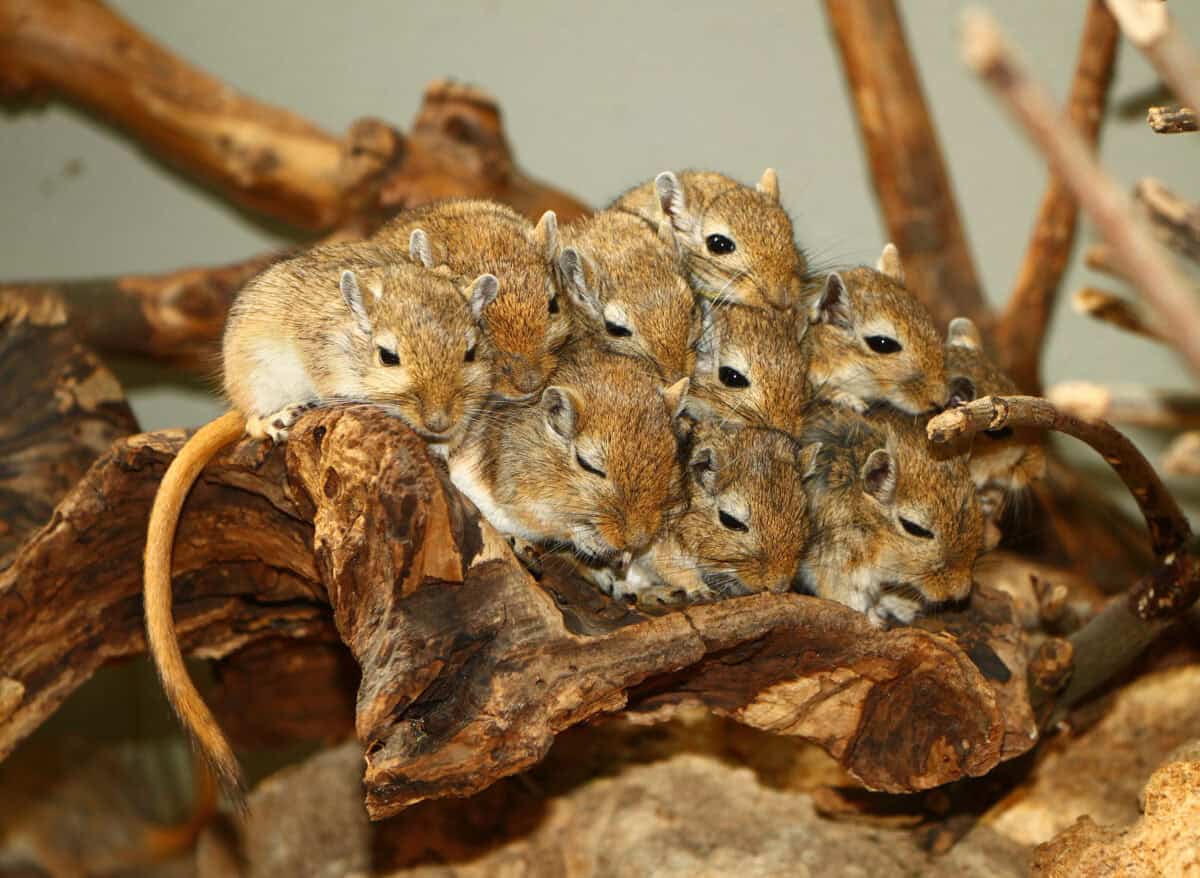
The annual mating event of tikus-tikus, a species of marsupial native to Australia, is as fervent as it is fatal. These small creatures engage in frantic bouts of mating that can last up to 14 hours. The intensity of this reproductive phase takes such a toll on the males that it often leads to their demise shortly after. The extreme nature of their breeding strategies emphasizes the lengths to which nature will go to ensure survival.
The Enticing Opera of the Lyrebird

The lyrebird of Australia is revered for its impressive vocal mimicry. During mating season, males sing elaborate songs that incorporate a medley of sounds from their environment, including chainsaws and car alarms, alongside their natural tune. With tail feathers fanned out like a lyre, they perform intricate dances, capturing the attention of female lyrebirds.
Love Play of the Pufferfish
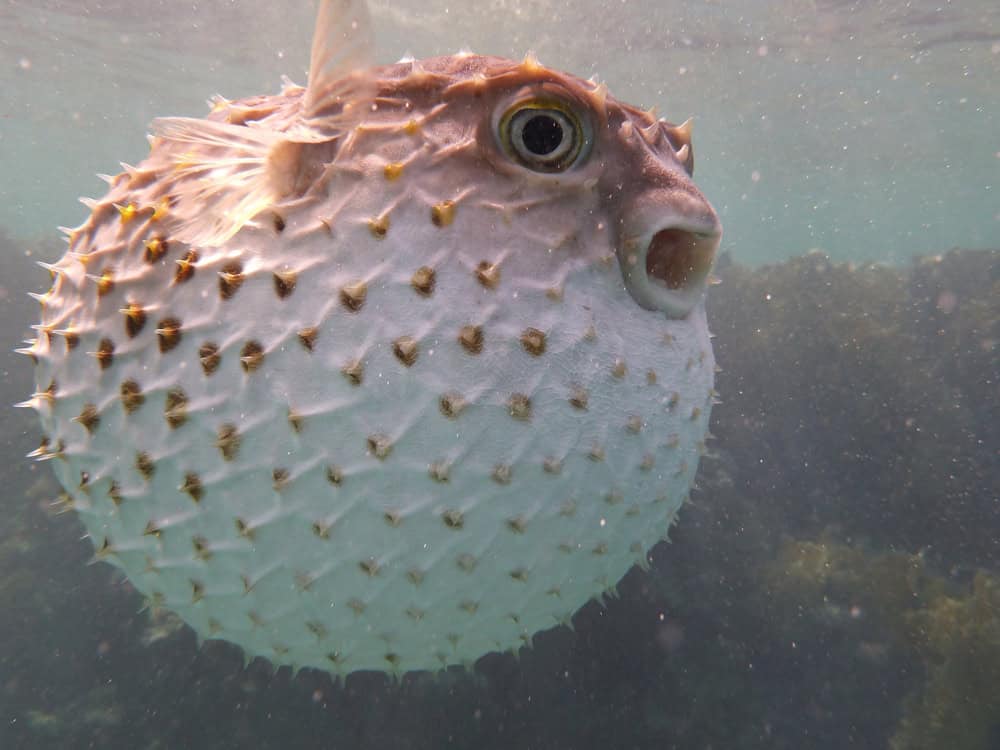
Pufferfish deploy amazing engineering skills to attract mates. The male creates intricate, large-scale geometric patterns in the sand on the ocean floor, which serve as both a stage and a signal of his suitability as a mate. These sublime constructs act as nests, protecting the fertilized eggs and showcasing the males’ dexterity and vigor to prospective partners.
Cicada Serenades: A Masterpiece of Timing

Periodical cicadas emerge en masse every 13 or 17 years, creating a cacophony of noise that is part of their complex mating ritual. Males produce high-pitched songs to attract females, synchronizing their emergence and serenades to perfection. This mass emergence is not only to maximize mating opportunities but also to overwhelm predators through sheer numbers, ensuring that a significant portion survives to reproduce.
The Entwined Ballet of Snakes

Snakes, particularly in the species of garter snakes, participate in an enigmatic courtship ritual known as the mating ball. During this time, many males converge around a female, entwining with her in a writhing mass as they vie for mating success. This spectacle, though competitive, is crucial for gene dispersion and the perpetuation of the species, underscoring nature’s raw, unfiltered beauty.
The diversity of mating rituals in the animal world highlights the extraordinary lengths to which nature goes to ensure the survival and continuation of species. From dazzling displays and death-defying acts to collaborative engagements and intricate constructions, these rituals illustrate the vast spectrum of life and its relentless drive to perpetuate itself. As we observe these eccentricities, we gain deeper insight into the delicate balance and interconnectedness that define our natural world, fostering appreciation and prompting protection of these incredible ecosystems.

- Beginner’s Guide to Ethical Wildlife Safaris - July 19, 2026
- The Truth About Dolphins and Human Friendships - July 19, 2026
- The Smallest Bird in the World Is So Tiny It Can Fit in a Teaspoon - July 19, 2026