


Butterflies, with their vibrant colours and delicate beauty, have always captured our imaginations. Recently, however, these enchanting insects have been emerging earlier than expected across America, raising questions and concerns among scientists and nature enthusiasts alike. Understanding the reasons behind this shift is crucial not just for the preservation of these beautiful creatures but also for the broader implications on our ecosystems.
Changing Climate: The Primary Culprit

One of the most significant factors contributing to the early blooming of butterflies is climate change. Warmer temperatures alter natural cycles, causing butterflies to emerge earlier in the year. As temperatures rise, so does the likelihood of disruptively early flowering times. This premature timing can lead to mismatches between butterflies and their food sources, impacting their survival and reproduction.
Warmer Winters Influence Life Cycles
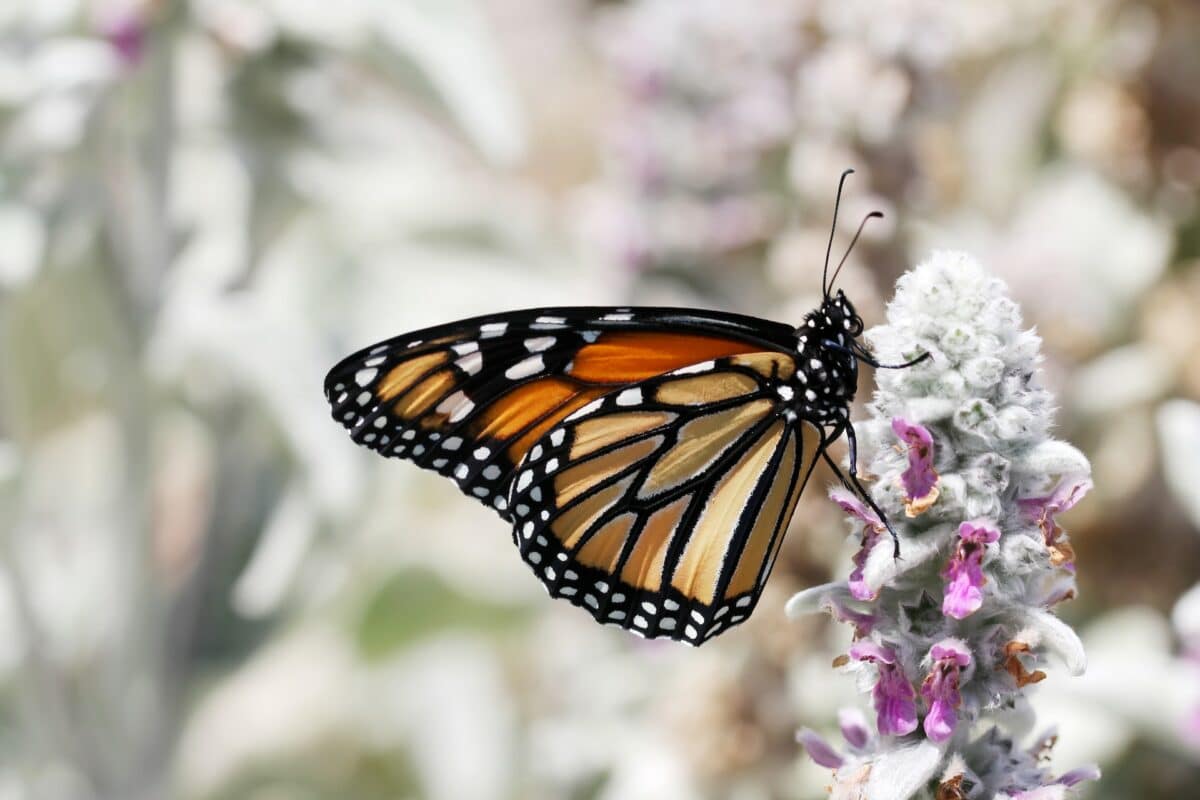
Winters that are shorter and milder can prompt butterflies to awaken from their winter dormancy sooner. This shift can affect species that rely on specific temperature cues to regulate their life cycles. For example, overwintering species may emerge weeks ahead of schedule, disrupting not only their lifecycle but that of the plants and animals that depend on them.
Altered Migration Patterns
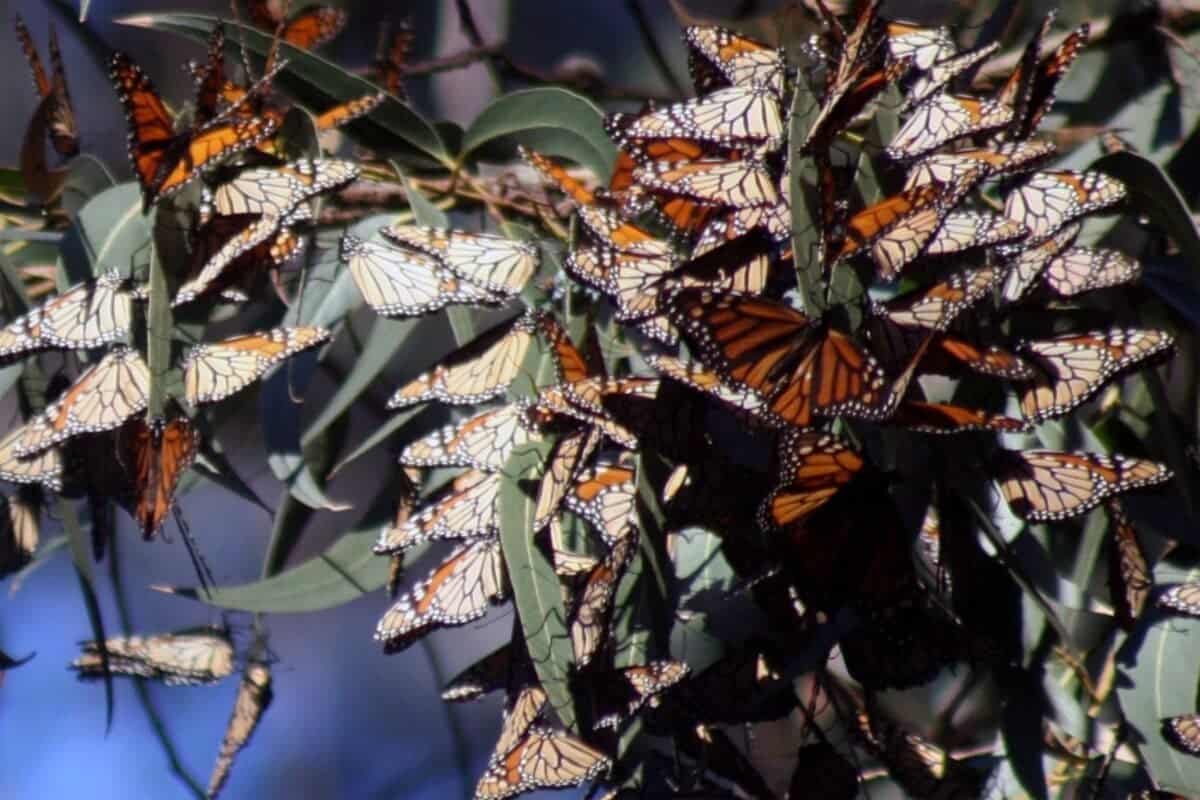
Butterflies are known for their migratory behavior, yet climate change is influencing when and where they move. Earlier springs may cause butterflies to begin their migrations sooner, altering their interaction with ecosystems at both ends of their journeys. This can have cascading effects on pollination and food webs along migration routes.
Impact on Pollination

Butterflies play a vital role in pollinating many plant species. When their emergence times change, it can lead to a dissonance between their active periods and the blooming of the plants they pollinate. This mismatch can result in decreased plant reproduction and ultimately disrupt entire ecosystems that rely on those plants.
Adjustments in Host Plants

Butterflies depend on specific plants for laying eggs and feeding their caterpillars. As butterflies emerge earlier, these plants may not be available, or their growth may not coincide with the butterflies’ needs. This can lead to diminished survival rates for butterfly larvae and, consequently, a decline in butterfly populations.
Adaptive Responses by Butterflies

While the challenges are significant, butterflies have also shown remarkable adaptability. Some species are adjusting their emergence times naturally, potentially allowing them to sync better with altered plant blooming cycles. However, the rate of climate change may exceed the adaptability for many species, demanding urgent conservation efforts.
Effects on Butterfly Species Distribution

As climate patterns change, so do the habitats suitable for various butterfly species. This can lead to shifts in geographic distribution as butterflies seek new areas with favourable conditions. Such migration can affect local biodiversity, as butterflies move out of traditional habitats and into new territories.
Role of Urbanization

Urban environments can amplify the effects of climate change on butterflies by creating ‘heat islands,’ areas that are significantly warmer than surrounding rural areas. This can lead to earlier emergence of butterflies in cities compared to their rural counterparts, complicating urban conservation efforts.
Scientific Monitoring and Research

Scientists are closely monitoring these shifts, using tools like citizen science projects and data from long-term studies to track changes in butterfly populations and behaviors. Such research is crucial for developing conservation strategies that can help butterflies adapt to changing conditions.
Importance of Biodiversity Conservation

The early emergence of butterflies underscores the need for comprehensive biodiversity conservation plans. Protecting natural habitats and mitigating climate change impacts are essential steps to ensure the survival of butterfly species and the ecosystems that depend on them.
Role of Citizens and Communities
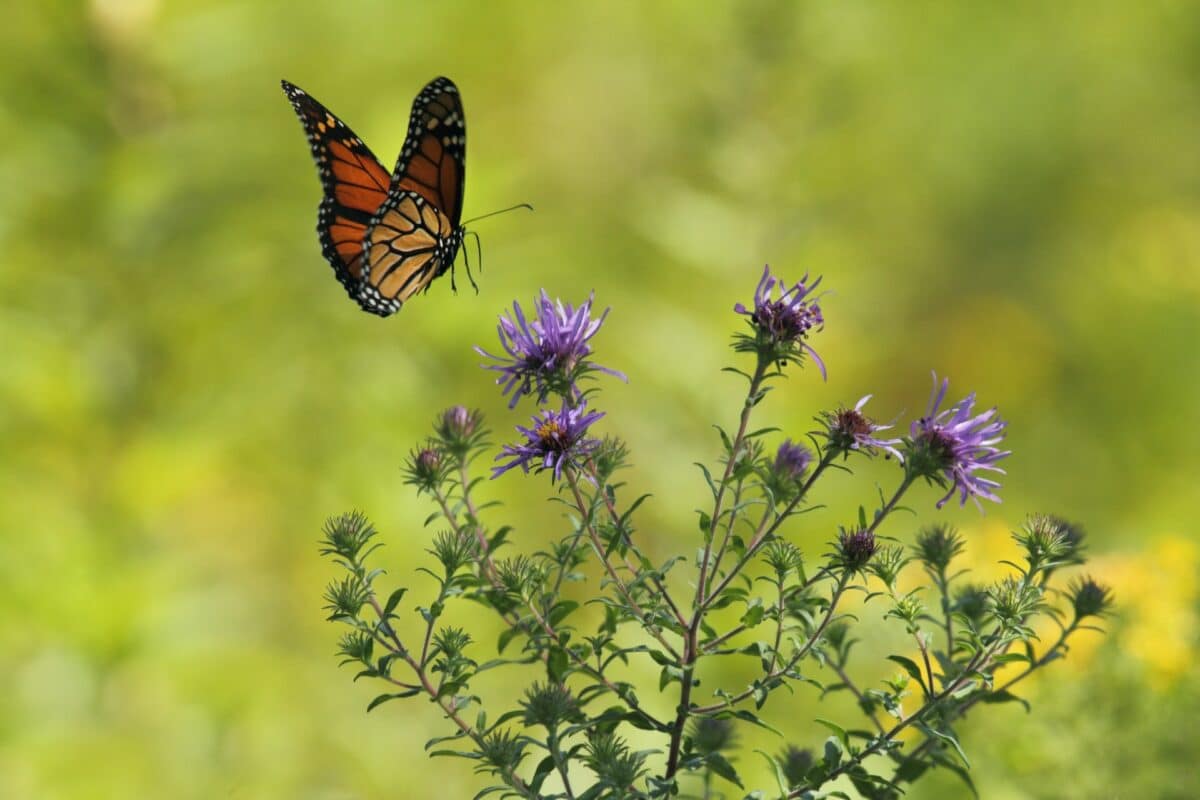
Individuals and communities can play a significant role in butterfly conservation by creating butterfly-friendly spaces. Planting native plants and reducing pesticide use can provide safe habitats for butterflies and promote biodiversity in local areas.
Policy and Conservation Efforts
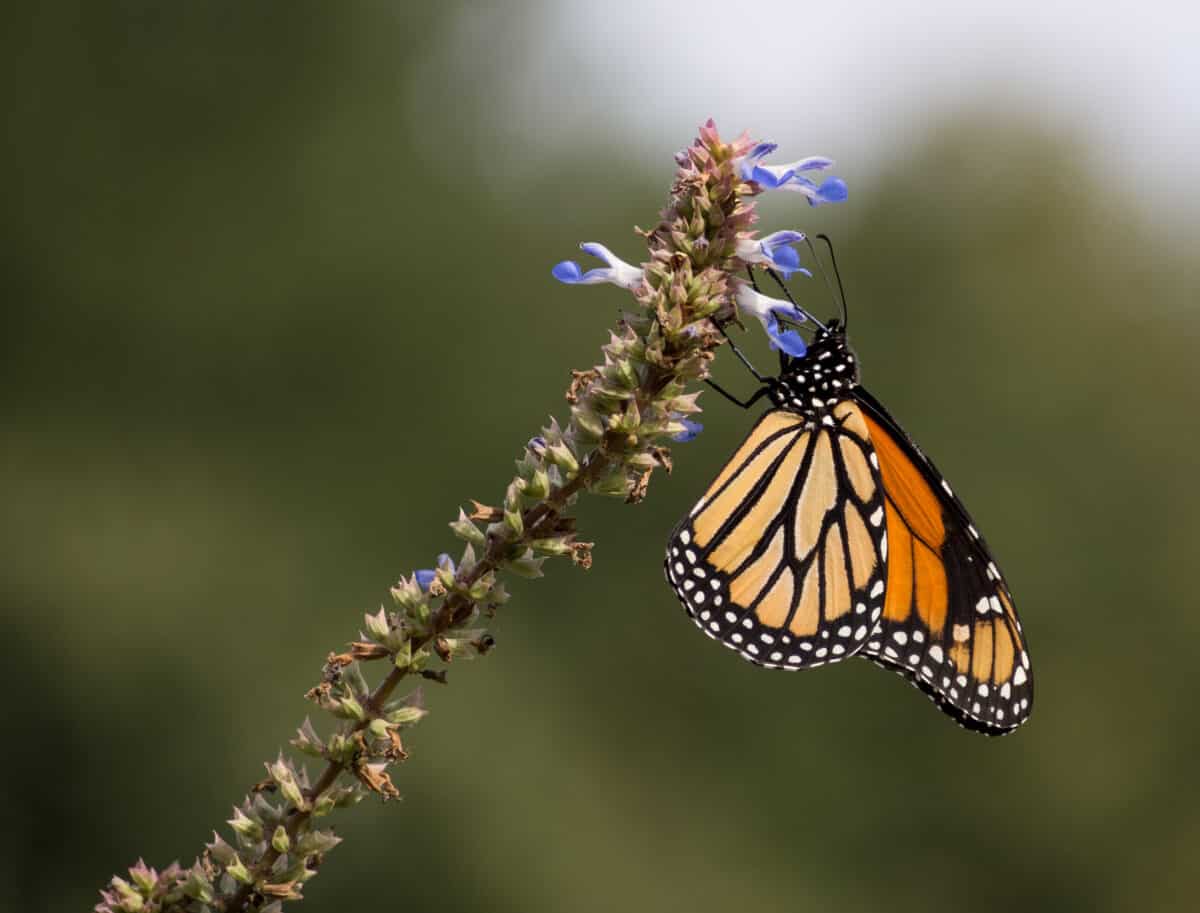
Governmental policies and conservation efforts aimed at addressing climate change and habitat destruction are critical to safeguarding butterflies. Supporting policies that reduce greenhouse gas emissions and protect natural habitats can help mitigate the challenges faced by these delicate creatures.
The earlier blooming of butterflies across America is a compelling indicator of the broader impact of climate change on our natural world. While the challenges are significant, there are opportunities to adapt and enact measures that can help preserve these beautiful and essential pollinators. By understanding and addressing the factors driving these changes, we can work towards a future where butterflies continue to thrive in harmony with the ecosystems they support.

- The Cultural Significance of Red Pandas in Nepal and China - July 22, 2026
- How Penguins Use Pebbles as Part of Their Courtship Ritual - July 22, 2026
- Did You Know Red Pandas Are More Closely Related to Raccoons Than Bears? - July 22, 2026