


From mysterious migrations to baffling social structures, the animal kingdom is filled with behaviors that continue to puzzle even the most seasoned researchers. These curious actions not only capture our imagination but also provide valuable insights into the complexities of life on Earth. Let’s venture into this wild world and discover some of the most intriguing animal behaviors that have left scientists scratching their heads.
Unexplained Migrations of Monarch Butterflies

Every year, millions of monarch butterflies embark on a remarkable journey, traveling over 3,000 miles from North America to central Mexico. What mystifies scientists is how these insects navigate such vast distances without any prior experience. Despite extensive studies, the cues and internal mechanisms guiding them remain largely elusive, though magnetic fields and environmental factors are suspected to play a role.
The Enigmatic Dance of Honeybees

Honeybees perform a “waggle dance” to inform fellow members of the hive about the location of food sources. While the basic understanding of this dance involves the direction and distance to pollen, the precise communication method and its evolution remain a complex puzzle. Researchers continue to study how bees interpret these signals so accurately, despite the simplicity of their brains.
Complex Communication of Dolphins
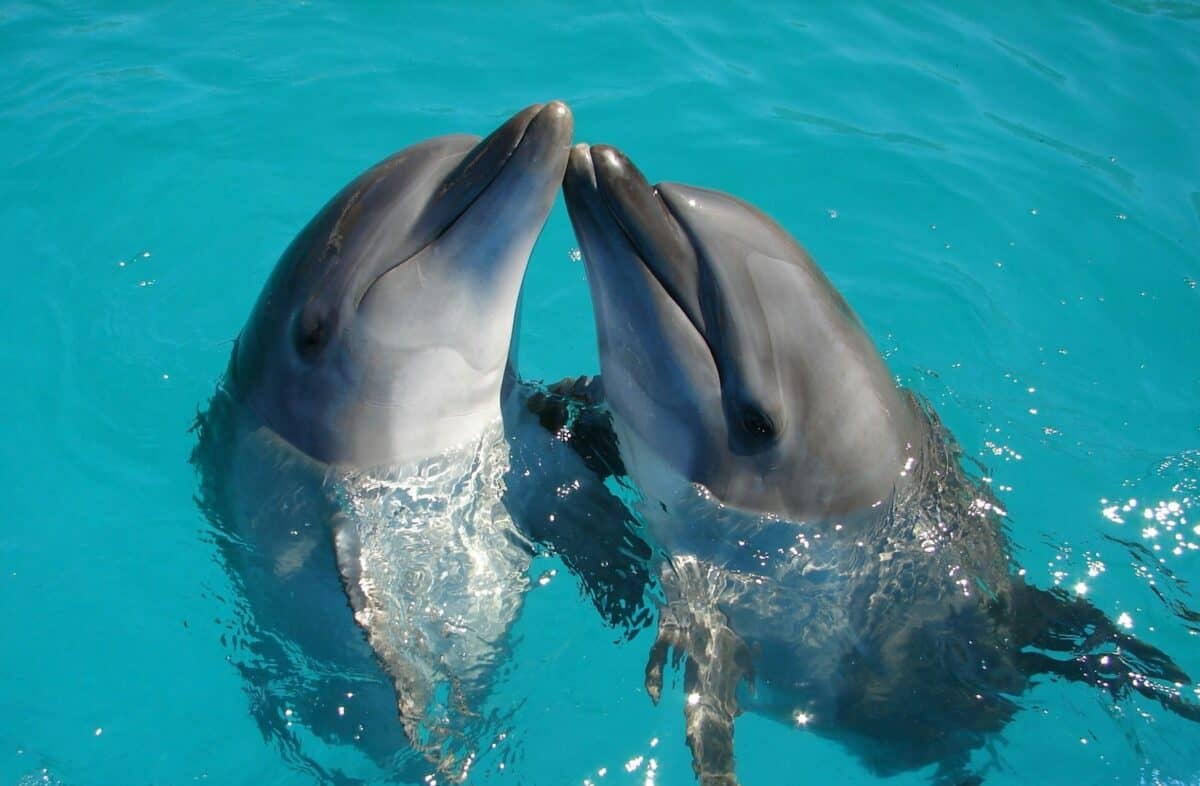
Dolphins are known for their intelligence, and their communication skills are equally impressive. They use a variety of clicks, whistles, and body language to convey messages. However, scientists are still unraveling the depth and structure of their social interactions, which may be more sophisticated than previously thought. Understanding dolphin language could unlock secrets about their behavior and social structures.
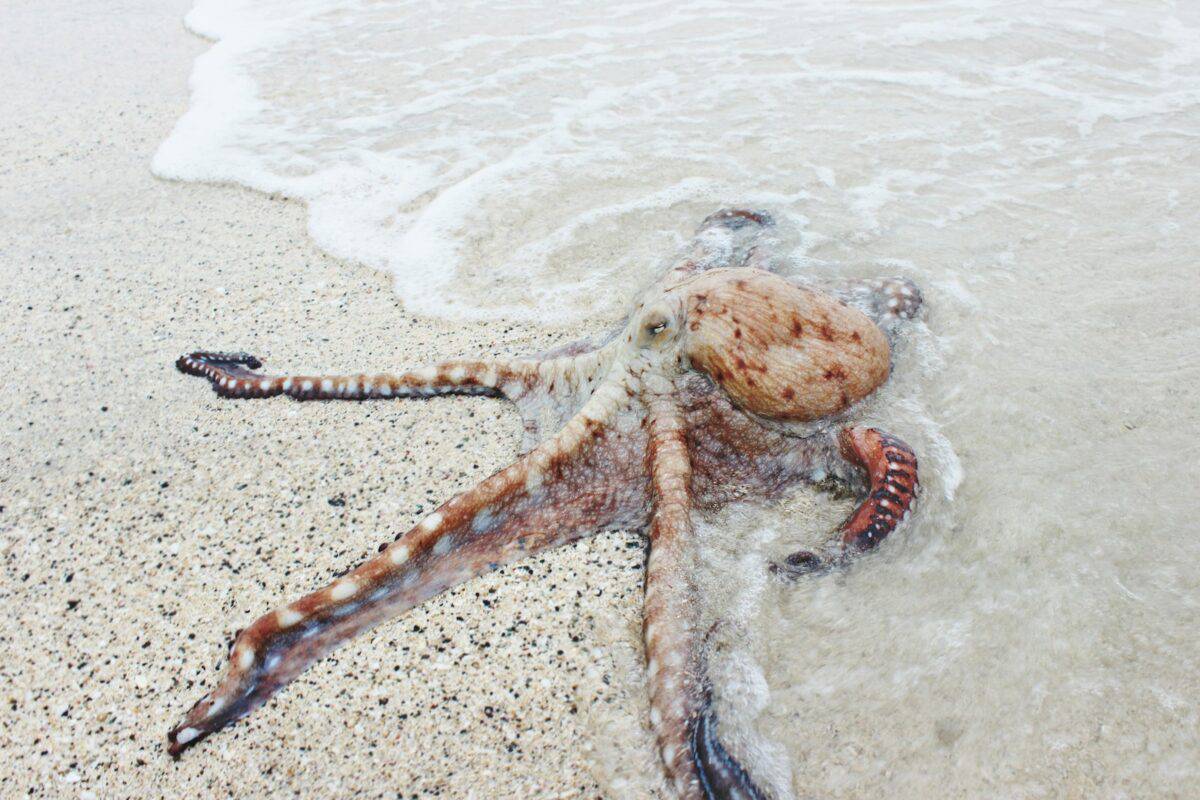
Octopus Intelligence and Problem Solving

Octopuses are invertebrates renowned for their problem-solving abilities and intelligence. From using tools to escaping enclosures, their behaviors are not only surprising but also perplexing to experts. The question of how these creatures developed such advanced cognitive skills without a central nervous system like mammals remains a fascinating area of study.
The Mystery of Seahorse Monogamy
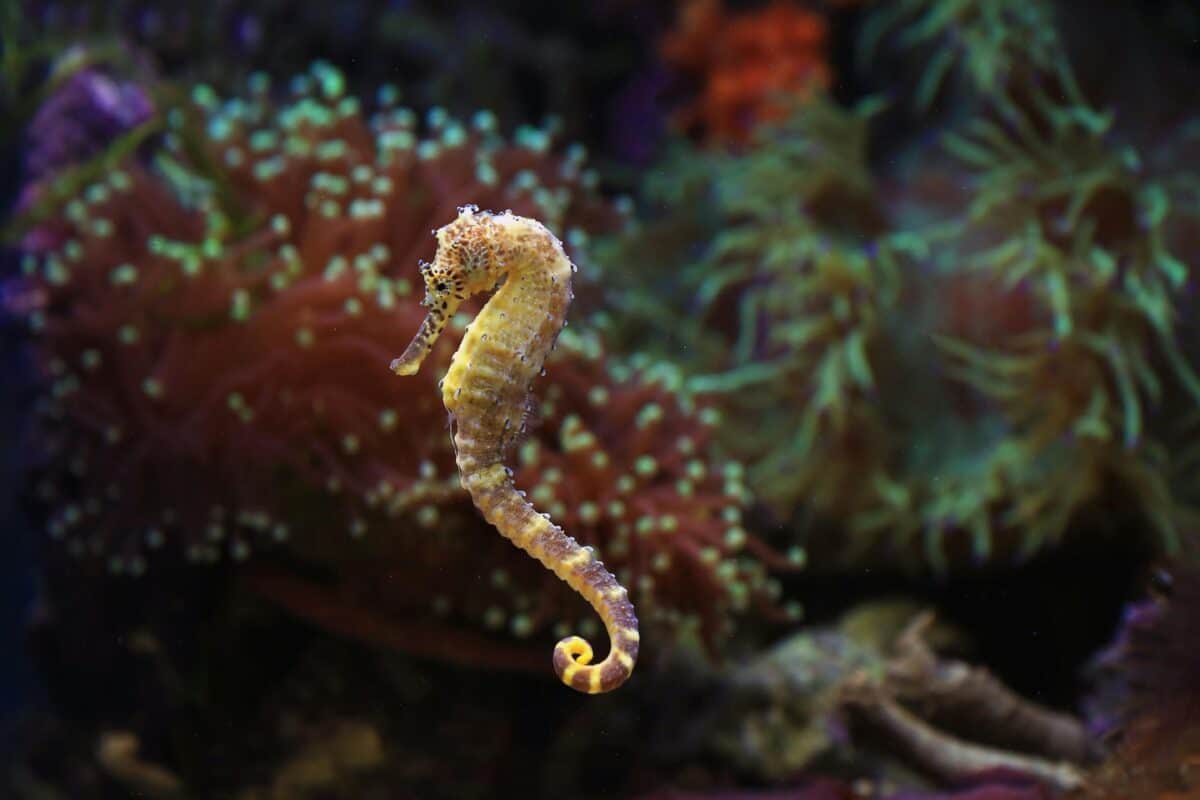
Seahorses are unique among marine creatures for their monogamous pair bonds, which often last through a breeding season. What makes this behavior intriguing is the rarity of monogamy in the animal world, especially in fish. Scientists are investigating the evolutionary advantages of this pairing, including enhanced offspring survival rates and improved reproductive success.
Lemmings and Their Misunderstood Mass Migrations
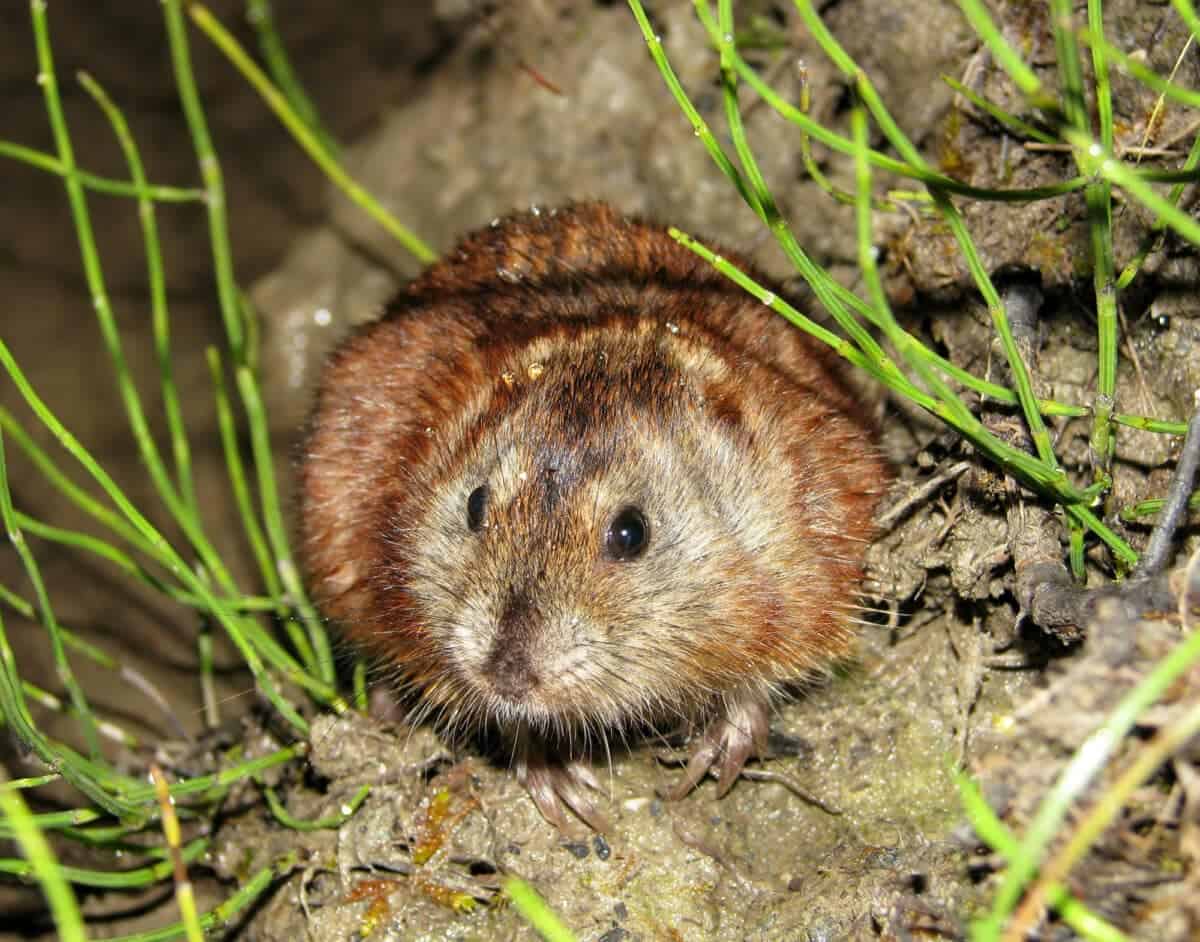
The legend of lemmings committing mass suicide is more myth than reality, but the truth behind their migrations is equally perplexing. These small rodents embark on large-scale movements, yet the triggers for these events, such as population density or food availability, are not fully understood. Researchers aim to clarify these behaviors to help with conservation and management.
Collective Intelligence of Ant Colonies

Ants demonstrate remarkable collective behavior, capable of building intricate nests and finding the shortest foraging routes. The way they achieve such efficiency without centralized control is a topic of extensive research. Scientists explore how simple rules and interactions at the individual level can result in complex societal structures.
Bioluminescent Communication in Fireflies

Fireflies use bioluminescence for mating signals, yet the intricacies of this behavior continue to puzzle scientists. The synchronization of their flashes and the evolutionary purposes behind it hold clues to understanding communication and mating strategies across species. Research into this phenomenon could reveal new insights into ecological adaptations.
Social Hierarchies of Hyenas
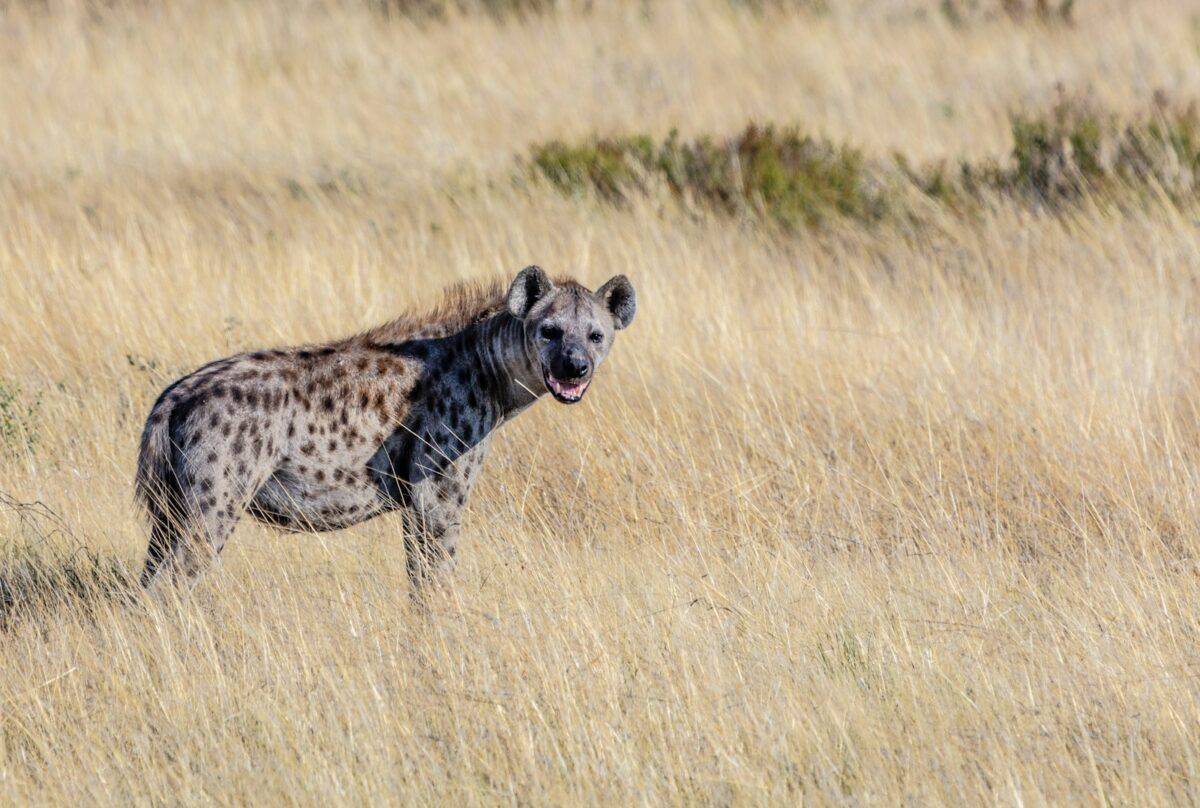
Spotted hyenas exhibit strange social hierarchies, dominated by females who are larger and more aggressive than males. The dynamics of their clans and the hormonal influences on these structures are still under investigation. Understanding their social order provides a glimpse into the evolutionary paths that drive animal societies.
The Cooperative Hunting of African Wild Dogs
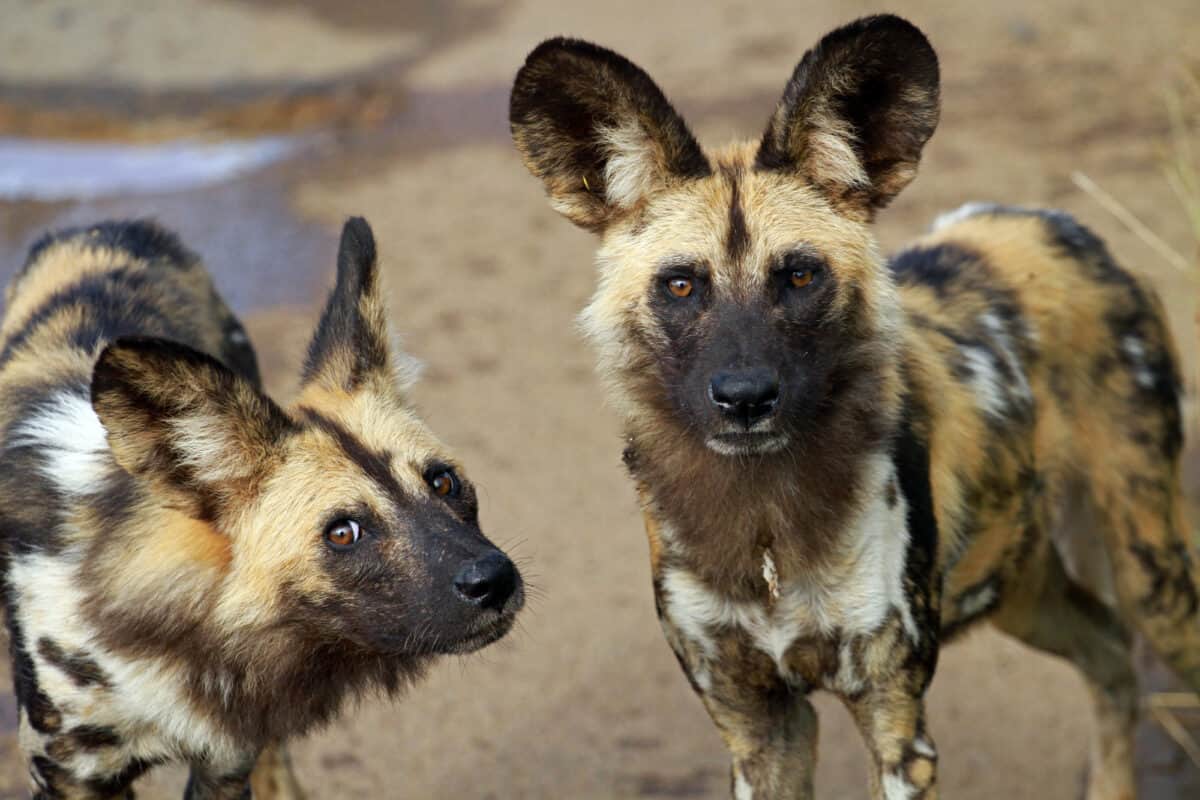
African wild dogs are known for their highly cooperative hunting techniques, relying on teamwork and strategy to capture prey. The coordination and communication required for these hunts are an intriguing field of study. Insights from these social behaviors may illuminate the evolutionary advantages of cooperation within packs.
Bizarre Brooding Habits of the Male Seahorse
In a fascinating reversal of traditional roles, it is the male seahorse that carries and nurtures the young. This role reversal raises questions about the evolutionary pressures that led to such unique parental care. Researchers examine how these behaviors impact reproductive success and survival chances, offering insights into gender roles across species.
The Puzzle of Penguin Homing Instincts
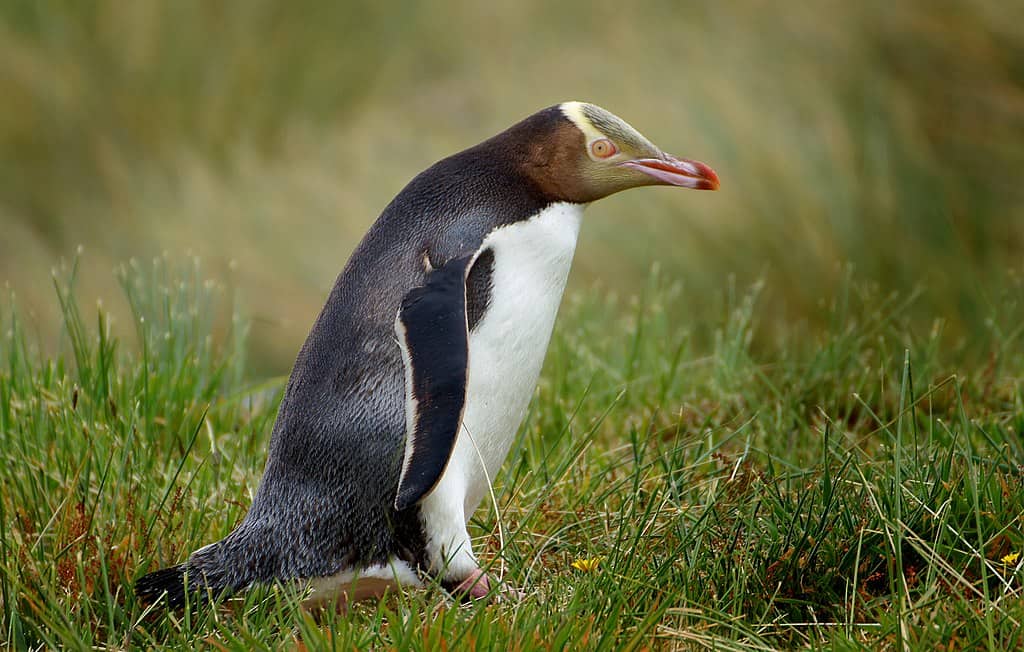
Penguins display a remarkable ability to return to their nesting sites after months at sea. The mechanisms behind their homing instincts are largely unknown, sparking studies into their use of environmental cues or magnetic navigation. Understanding these patterns could help conserve these species by identifying critical environmental needs.
Conclusion:
The animal kingdom is a treasure trove of curious behaviors, each one offering a glimpse into the intricate tapestry of nature’s design. From the cooperative hunts of African wild dogs to the mysterious migrations of monarch butterflies, these phenomena challenge our understanding and inspire a sense of wonder. By investigating these behaviors, scientists not only unravel the mysteries of evolution and adaptation but also contribute to the preservation of biodiversity. As we continue to explore these captivating enigmas, we gain a deeper appreciation of the complex world we share with these marvelous creatures.

As a little kid, I fell in love with nature, wildlife, and animals. Living in the USA, South Africa, Italy, China and Germany gave me the opportunity to discover the world's Wildlife. My favorite animals are Mountain Gorillas, Siberian Tigers, and Great White Sharks.
I'm a certified PADI Open Water Diver, went to Everest Base Camp and Trekked Gorillas in Uganda. I hold a Master of Science in Economics and Finance.
Please send any feedback to feedback@animalsaroundtheglobe.com
- 13 Reasons You Should not Approach a Wild Bison - July 19, 2026
- 14 Animals That Call Deserts Home - July 19, 2026
- The 11 Toughest Cat Breeds That Can Survive Anything - July 19, 2026