


In the realms of agriculture, the prosperity of crops plays a crucial role in shaping the economy and ensuring food security. However, lurking amidst these essential plants are tiny, yet formidable insects capable of wreaking havoc on entire harvests. This article explores the world of the most destructive bugs ever to infest American farms – a pressing issue for farmers, scientists, and policymakers alike. We will delve into the characteristics, origins, and impacts of these pestilent creatures, shedding light on both the challenges they pose and the strategies employed to combat their devastation.
Introduction to Agricultural Pests

The agricultural sector in the United States is a powerhouse of production, supplying billions of dollars worth of crops every year. However, it is also a battleground against an array of insect pests. These bugs are not just nuisances but significant threats that can drastically affect crop yields and, consequently, economic stability and food availability.
The Ubiquitous Corn Rootworm

The corn rootworm is often dubbed the “billion-dollar bug” due to its immense impact on corn crops across the Midwest. This cunning insect, whose larvae munch on corn roots, weakens the plant’s ability to absorb nutrients and water, often leading to stunted growth and significant losses. Despite its size, the corn rootworm has adapted over time, even overcoming crop rotations that were once effective at controlling it.
The Voracious Boll Weevil

No discussion on destructive agricultural pests is complete without mentioning the boll weevil. This small beetle devastated cotton crops in the U.S. throughout the 20th century, leading to significant economic losses and driving innovations in pest control methods. The boll weevil attacks the cotton bolls, where it lays eggs, and its larvae consume the developing cotton, leading to ruinous harvests.
The Menace of the European Corn Borer

Another major pest, the European corn borer, originally hails from Europe but has made its mark across the U.S. since the early 20th century. The larvae of this moth bore into the stems of corn plants, weakening the structural integrity and leading to plant breakage. This pest not only affects corn but also has a taste for other crops, making it a concerning threat for farmers.
The Silent Dagger: Hessian Fly

The Hessian fly, named after the Hessian soldiers during the American Revolutionary War, primarily targets wheat crops. Its larval stage is particularly destructive as it feeds on the plant, leading to stunted growth and reduced grain yield. Over the years, farmers have employed numerous tactics, including resistant wheat varieties, to try to withstand this small yet devastating invader.
The Asian Citrus Psyllid Problem

This insect has widely affected citrus growers, particularly in Florida and California. The Asian citrus psyllid is a tiny insect that spreads a lethal bacterial disease known as Huanglongbing (HLB) or citrus greening, which causes citrus trees to produce bitter and malformed fruits. The disease is incurable, and infected trees eventually die, posing a severe threat to the citrus industry.
The Threat of the Western Corn Rootworm

Closely related to its eastern counterpart, the Western corn rootworm is another significant agricultural pest in the Corn Belt. This pest has adapted to overcome various control measures, including engineered resistance traits in genetically modified crops. Its adaptability makes it a perpetual problem for corn farmers striving to maintain healthy yields.
The Devastating Impact of the Fall Armyworm

Originating from the Americas, the Fall armyworm is a major pest that has recently expanded its reach due to climate change, affecting crops such as corn, rice, sorghum, and more. The larvae cause extensive defoliation, leading to massive yield losses. Its rapid spread poses new challenges, as farmers and scientists work to implement control measures.
The Destructive Potential of the Brown Marmorated Stink Bug

Initially an unwelcome guest from Asia, the brown marmorated stink bug has established itself across much of the U.S. It affects a wide variety of crops, including fruits and vegetables, by feeding on plant juices and causing deformities. Its resilience and lack of natural predators make it a difficult pest to control.
The Tough Kudzu Bug

The kudzu bug, another invasive species, is problematic for soybean farmers. It feeds on the stem and leaves of soybean plants, leading to reduced yields. Originally from Asia, this pest has rapidly spread across the southeastern U.S., prompting researchers to explore biological control methods to manage its population.
The Resilient Colorado Potato Beetle

The Colorado potato beetle is infamous for its ability to rapidly develop resistance to chemical pesticides. Targeting potato crops, this beetle can defoliate entire plants, leading to significant crop loss. Integrated pest management strategies, including crop rotation and biological controls, are essential in managing its impact.
Efforts and Innovations in Pest Control
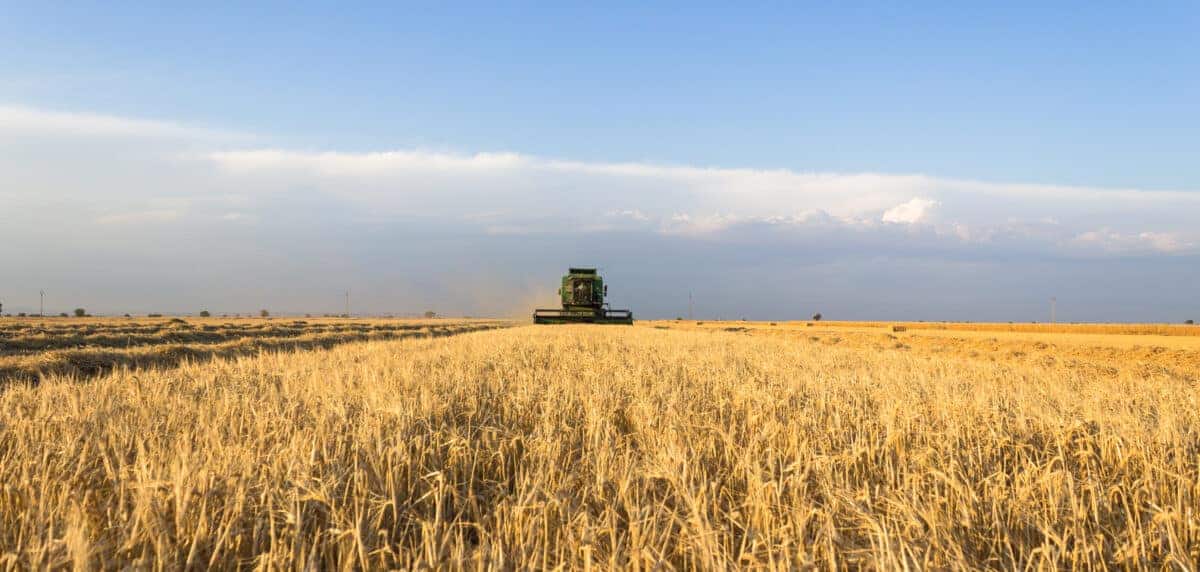
Fighting agricultural pests involves a combination of traditional methods and modern innovations. Integrated pest management (IPM) is an environment-friendly approach that combines biological, cultural, mechanical, and chemical practices to manage pest populations sustainably. Furthermore, advances in biotechnology, such as genetically modified crops and pheromone traps, offer promising solutions to reduce pest impacts without further harming the environment.
Conclusion: Rising to the Challenge
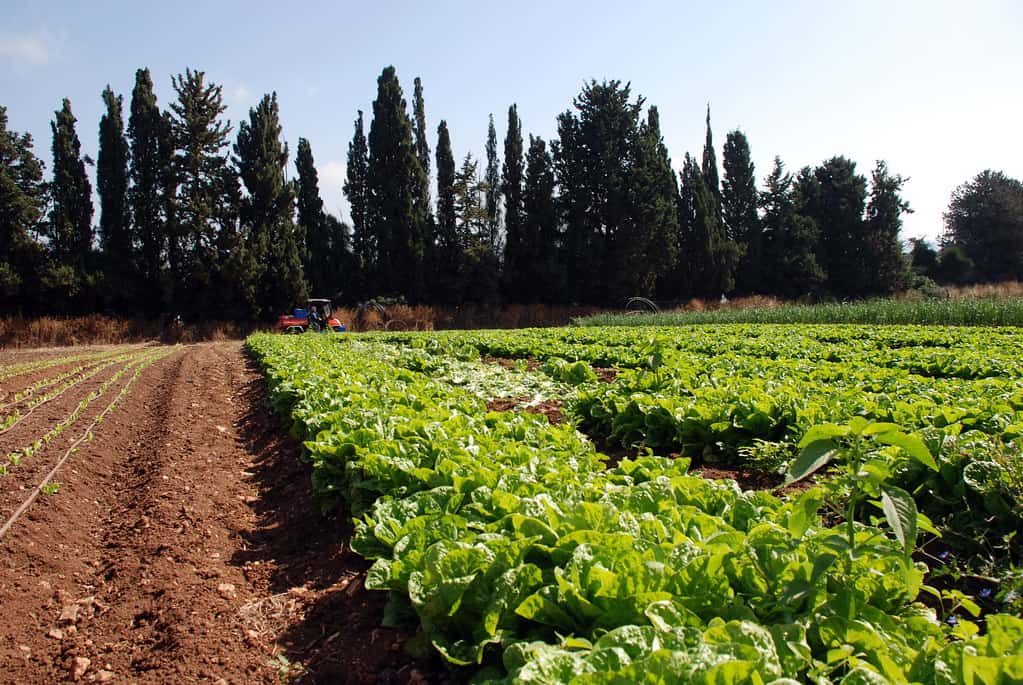
The battle against agricultural pests is ongoing and demands continuous adaptation and innovation. By understanding the characteristics and threats posed by these insects, stakeholders can develop better strategies to protect crops and secure America’s agricultural future. The resilience of farmers, combined with scientific advancements, is crucial in overcoming the challenges presented by these destructive bugs, ensuring the stability and prosperity of the agricultural landscape.

From exploring the marine wonders in the Azores and witnessing the vast savannas of Kenya, to delving deep into the rich biodiversity of South Africa and traversing iconic landscapes in Australia and the US like Yellowstone, Chris's experiences are vast.
With a penchant for diving alongside sharks, the ocean holds a special place in his heart.
Through his academic insights, he champions wildlife conservation, striving with 'Animals Around The Globe' to cultivate a profound connection between humans and animals, enhancing our mutual appreciation.
Connect with him at Feedback@animalsaroundtheglobe.com.
- This Monkey Has a Mustache - July 21, 2026
- How Steve Irwin Changed the World’s View of Wildlife - July 21, 2026
- The Catfish That Caused Earthquakes in Japanese Folklore - July 21, 2026