

The West Coast of the United States is no stranger to dry spells, but the recent prolonged drought has brought unprecedented challenges to the region. This article delves into the intricate causes, far-reaching impacts, and potential solutions for the longest drought ever to grip the West Coast.
Understanding the Roots of Drought

The West Coast’s climate is naturally varied, but this drought’s severity has been exacerbated by climate change. Typically, the region experiences wet winters, storing precious snowpack in the mountains. However, increased temperatures and erratic precipitation patterns are disrupting this cycle. As atmospheric conditions warm, they shift, altering the jet streams that bring moisture into the area.
The Role of Climate Change

Climate change acts as a catalyst, intensifying natural drought cycles. Rising global temperatures result in more evaporation and reduced snowpack. The drier conditions feed back into themselves, creating a vicious cycle that amplifies the drought’s effects.
Historical Context of Droughts

Historically, droughts have been a recurring theme in the West Coast’s climate narrative. However, the current drought has surpassed historical records in terms of duration and severity. The region has been experiencing serious drought conditions for over two decades, making it the most prolonged drought in recorded history.
The Drought’s Impact on Agriculture
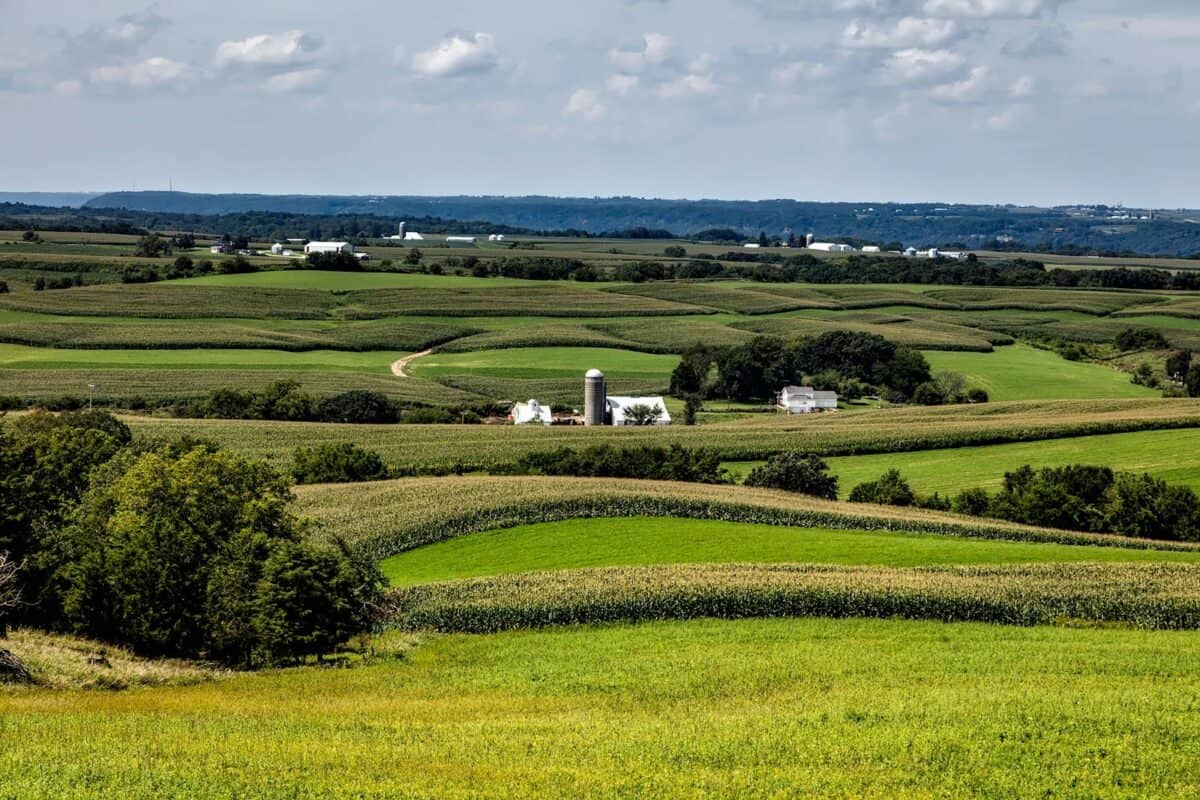
Agriculture, a cornerstone of the West Coast’s economy, faces dire consequences due to the drought. Water-intensive crops such as almonds, grapes, and tomatoes are particularly vulnerable. Farmers are forced to fallow land and invest in expensive water rights, driving up prices and threatening the livelihoods of those dependent on farming.
Consequences for Water Supply

The West Coast relies heavily on a complex network of reservoirs and aqueducts to supply water for its populous cities and agriculture. Persistent drought conditions strain these systems, leading to water use restrictions, higher prices, and increased competition for what has become a dwindling resource.
The Toll on Wildlife and Ecosystems
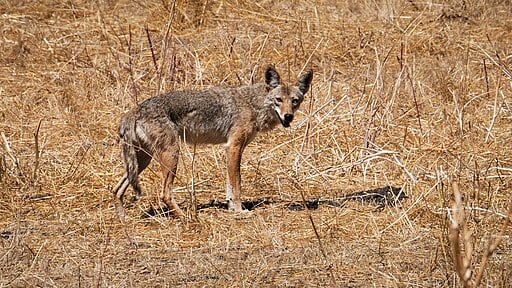
The natural ecosystems of the West Coast, from lush coastal forests to arid deserts, are profoundly impacted by the drought. Many native plant and animal species are endangered as water sources dry up, leading to habitat loss and increased competition for resources.
Fire Risks and Their Aftermath

The drought’s grip intensifies wildfire risks, creating a prolonged fire season with devastating consequences. Depleted forests and dry brush become tinder for massive blazes, threatening communities and ecosystems alike. The ash and pollutants from fires further impact air quality and water security.
Economic Ramifications
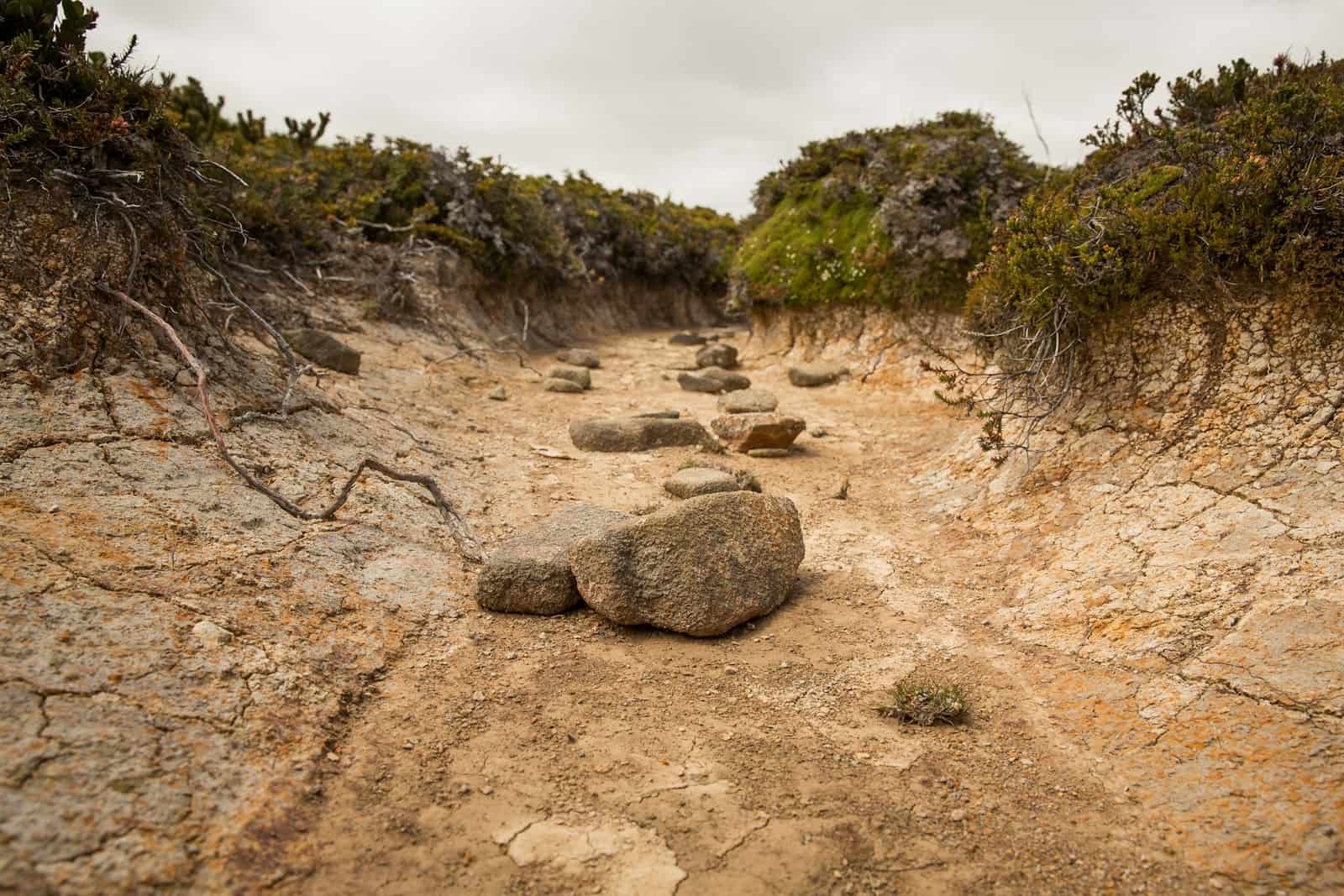
The drought has substantial economic implications beyond agriculture. Hydroelectric power generation is reduced, increasing energy costs. Tourism and fisheries also suffer as drought effects diminish the natural beauty and resources tourists and aquatic industries rely upon.
Solutions and Mitigation Efforts
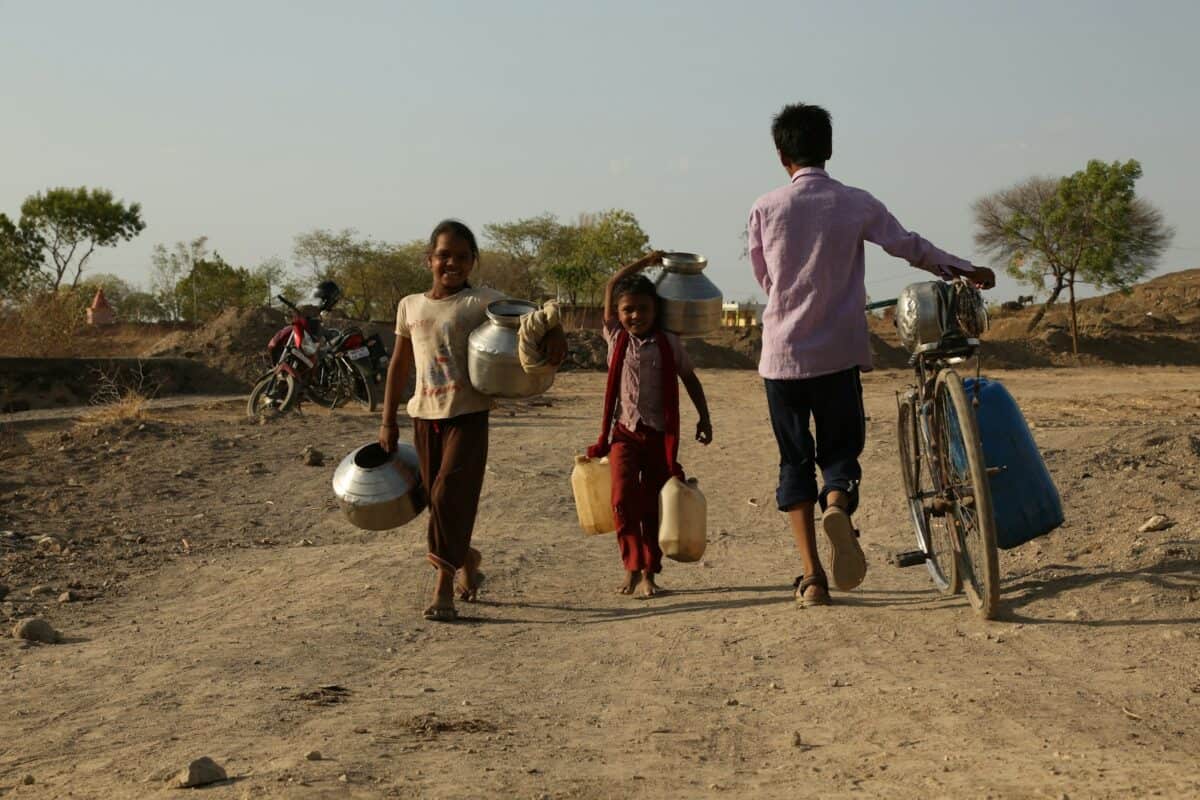
Efforts to mitigate drought impacts are multi-faceted. Improved water management practices, investment in water recycling technologies, and the development of drought-resistant crop varieties are crucial strategies. Policymakers are urging a move towards sustainable water usage to ensure long-term resilience.
Exploring Desalination as a Solution
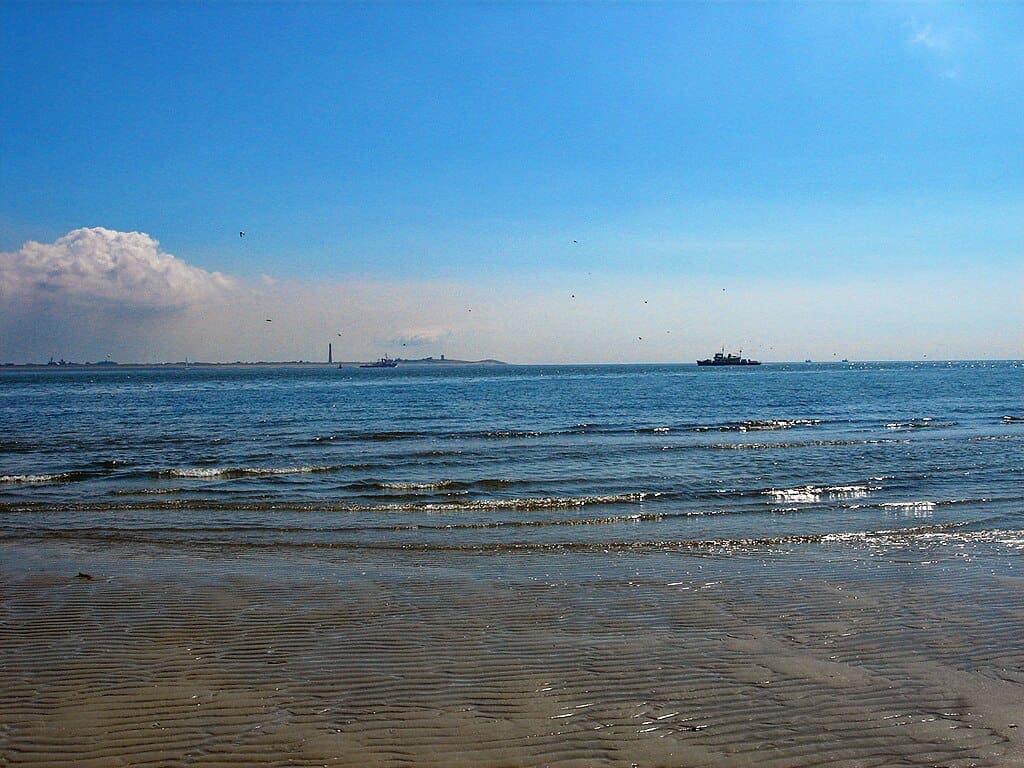
Desalination offers a potential solution to the water scarcity problem by converting seawater into potable water. While costly and energy-intensive, advances in technology could make desalination a more feasible option, providing a reliable source of water for the drought-stricken region.
The Human Element
Communities across the West Coast are adapting to the new norm of drought through conservation efforts and resilience planning. Public awareness campaigns and local initiatives encourage water-saving practices, helping individuals and communities prepare and respond more effectively to drought conditions.
A Look into the Future
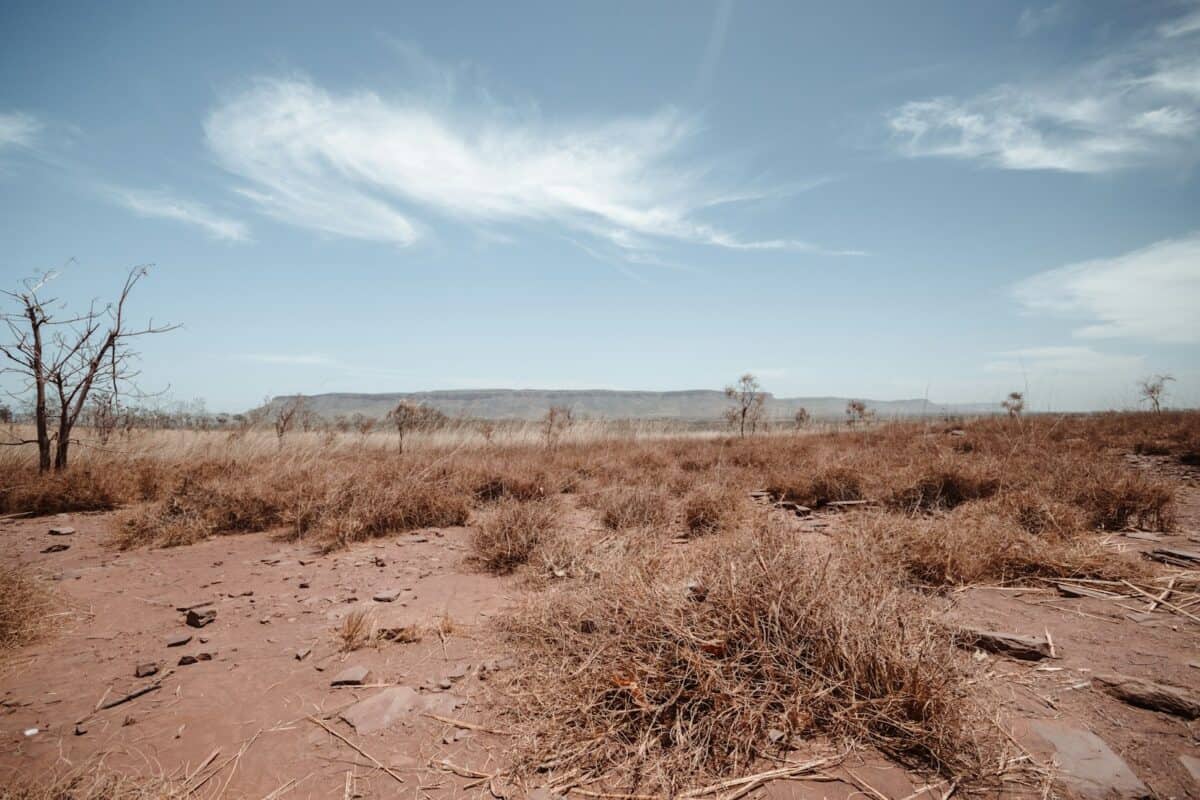
As the West Coast contends with this historic drought, the path forward requires a collective effort to address climate change and implement water-saving strategies. Continued research and innovation are essential to mitigate the long-lasting effects of drought and adapt to the evolving challenges it presents.
Conclusion: Navigating an Uncertain Future
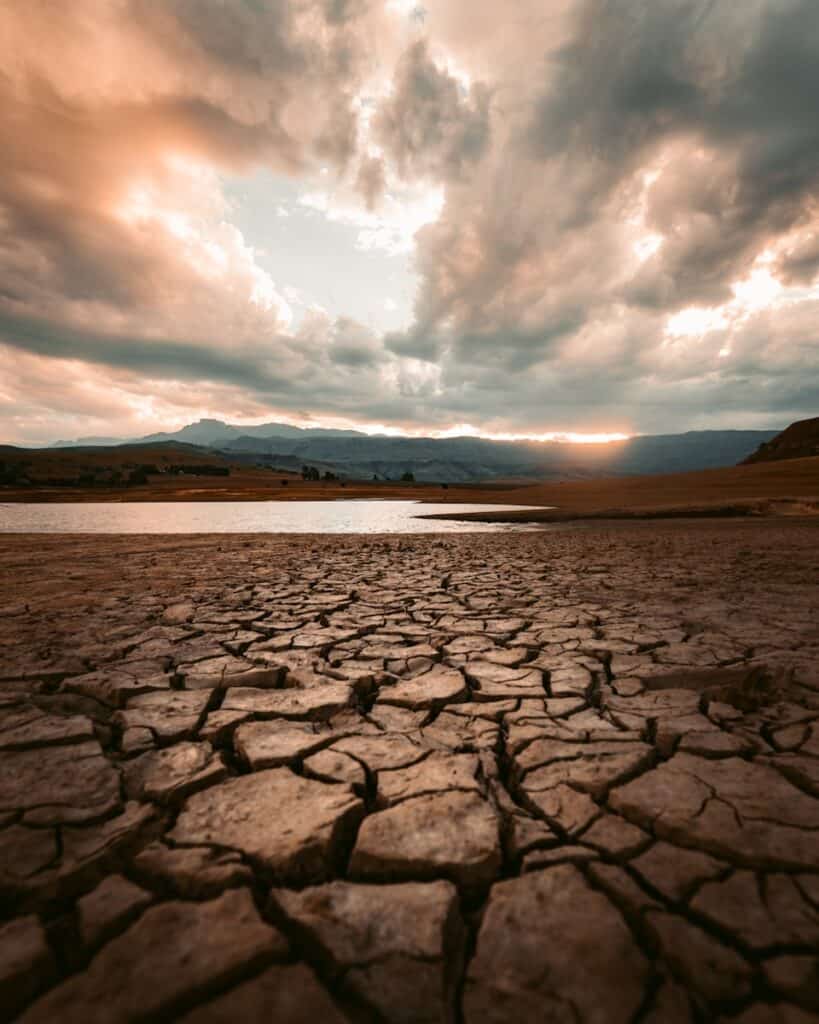
The longest drought to grip the West Coast presents a formidable challenge, but it is not insurmountable. Through a combination of scientific innovation, policy changes, and community engagement, there is hope for a sustainable future. As we navigate these uncertain waters, the lessons learned and actions taken today will shape the resilience and adaptability of the region for generations to come.

- The Most Powerful Earthquake Ever Felt in the U.S. - July 19, 2026
- How Rhinoceros Males Compete for Mating Rights in the Wild - July 18, 2026
- 13 Spider Species Thriving in Changing Environments - July 18, 2026