

Every year, billions of animals set off on journeys that defy easy explanation. They cross oceans, traverse entire continents, and navigate with a precision that puts human GPS technology to shame. No maps. No instructions. No mentor pointing the way. Just raw, inexplicable instinct.
What’s most fascinating, honestly, is not just the sheer distances involved. It’s how little we actually understand about the “how.” We live in an era of satellites, genetic sequencing, and quantum biology, yet some of nature’s greatest navigation feats remain stubbornly unsolved. The closer science looks, the more mysterious these journeys become. Let’s dive in.
The Monarch Butterfly: A Multi-Generational Mystery No Single Butterfly Lives to Solve
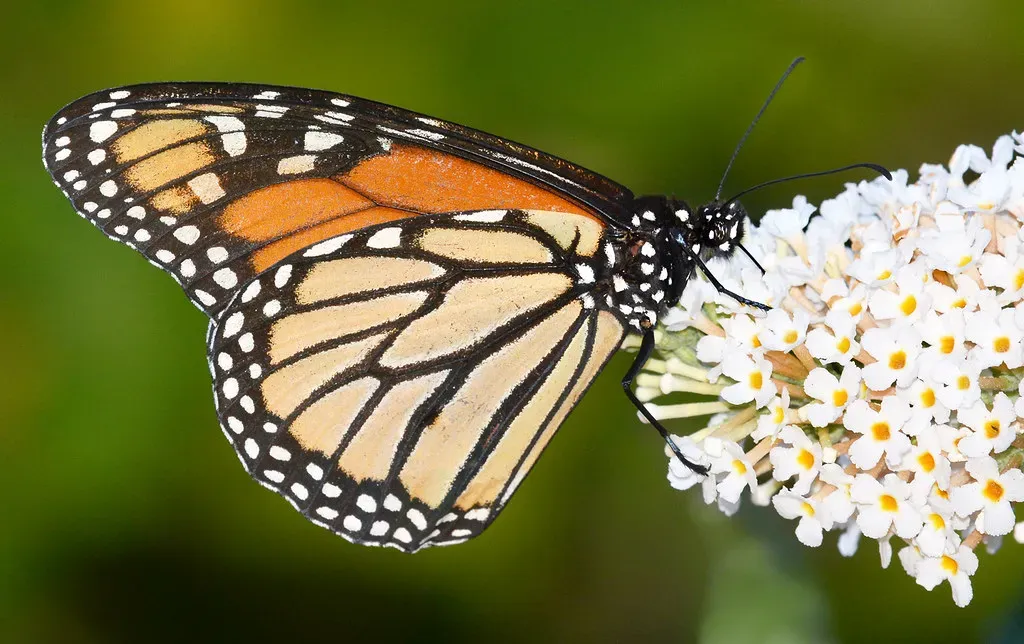
Here’s a puzzle that sounds almost impossible: how do you complete a journey that will outlast your own life? That’s precisely what the monarch butterfly does. Beautiful monarch butterflies migrate up to 4,000 kilometers, from the U.S. and Canada all the way to Mexico, every single year. The kicker? No individual butterfly makes the full round trip.
The round trip from Canada to Mexico and back takes longer than the butterflies’ maximum lifespan. The migration is actually made up of four to five generations; along the way, female butterflies lay eggs on milkweed plants, the eggs hatch, the caterpillars eat, and then the mature butterflies continue on the trip started by their parents and grandparents. Think about that for a second. It’s like a relay race where no runner ever sees the finish line.
Scientists still don’t know exactly how the butterflies know where to go, especially those who are born along the way. They might navigate using the position of the sun or the Earth’s magnetic field. Researchers have found that monarchs navigate using a sun compass that includes time compensation to account for the movement of the sun, with the circadian clock embedded within the butterfly’s antennae. Comparisons of migratory monarch genomes with those of non-migratory monarchs has revealed that more than five hundred genes are involved in migratory behavior.
Still, a deep mystery remains. If monarch migration depends on the visible position of the sun, how do the butterflies navigate on overcast days? Still a mystery. Researchers think the insects might have a sort of magnetic compass in their brains. Five hundred genes. A solar compass in the antennae. Possibly a magnetic backup system. All inherited by butterflies that have never once been to Mexico. I think that’s one of the most quietly mind-blowing facts in all of biology.
The European Eel: A Spawning Event No Human Has Ever Witnessed
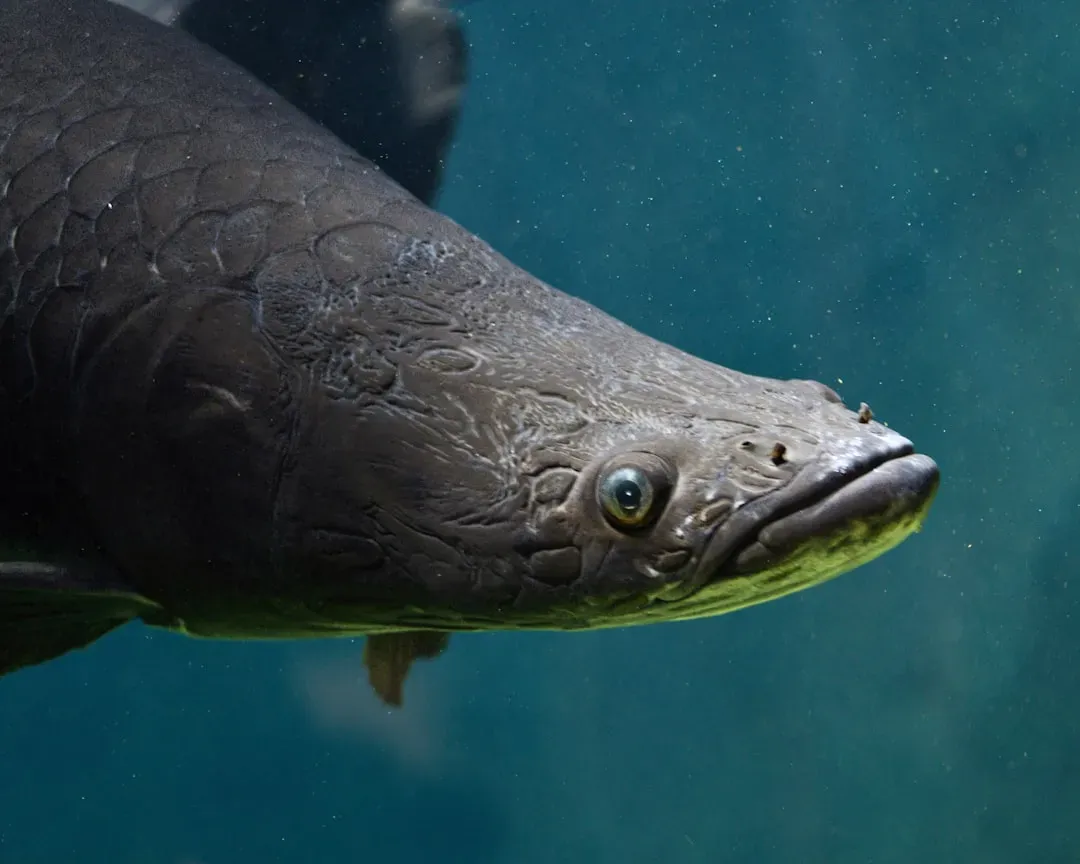
Let’s be real, the European eel might be the most quietly bizarre creature on the planet. European eels are born in the mysterious Sargasso Sea, near Bermuda. These eels hatch in the Sargasso Sea, then migrate over 5,000 kilometers to the rivers of Europe, where they live for 10 to 20 years in freshwater. When they’re ready to reproduce, they leave the rivers and return, somehow, to the exact region in the Sargasso Sea to spawn.
Here’s the mystery: no human has ever seen European eels spawn. We know they go back, but the spawning has never been directly observed. The larvae drift back toward Europe on ocean currents, completing the cycle. We have documented nearly every corner of this planet. We have robots on Mars. Yet somehow, no scientist has ever witnessed this animal reproduce.
The starting point of the European eel’s migration is the Sargasso Sea, an area of the north-west Atlantic known for its brown sargassum seaweed, where adults spawn and then die. Tiny eel larvae drift slowly east on ocean currents for one to three years, before the next stage of their life. Off the coasts of the UK and mainland Europe, they transform into transparent eels and enter estuaries and freshwater rivers, and here they grow and mature over a period of up to 20 years. When the time comes, they respond to their instincts and begin the 5,000 to 6,000km journey back to the Sargasso Sea. Something is calling them back, though science still cannot fully explain what that something is.
The Globe Skimmer Dragonfly: A Tiny Insect Crossing an Entire Ocean
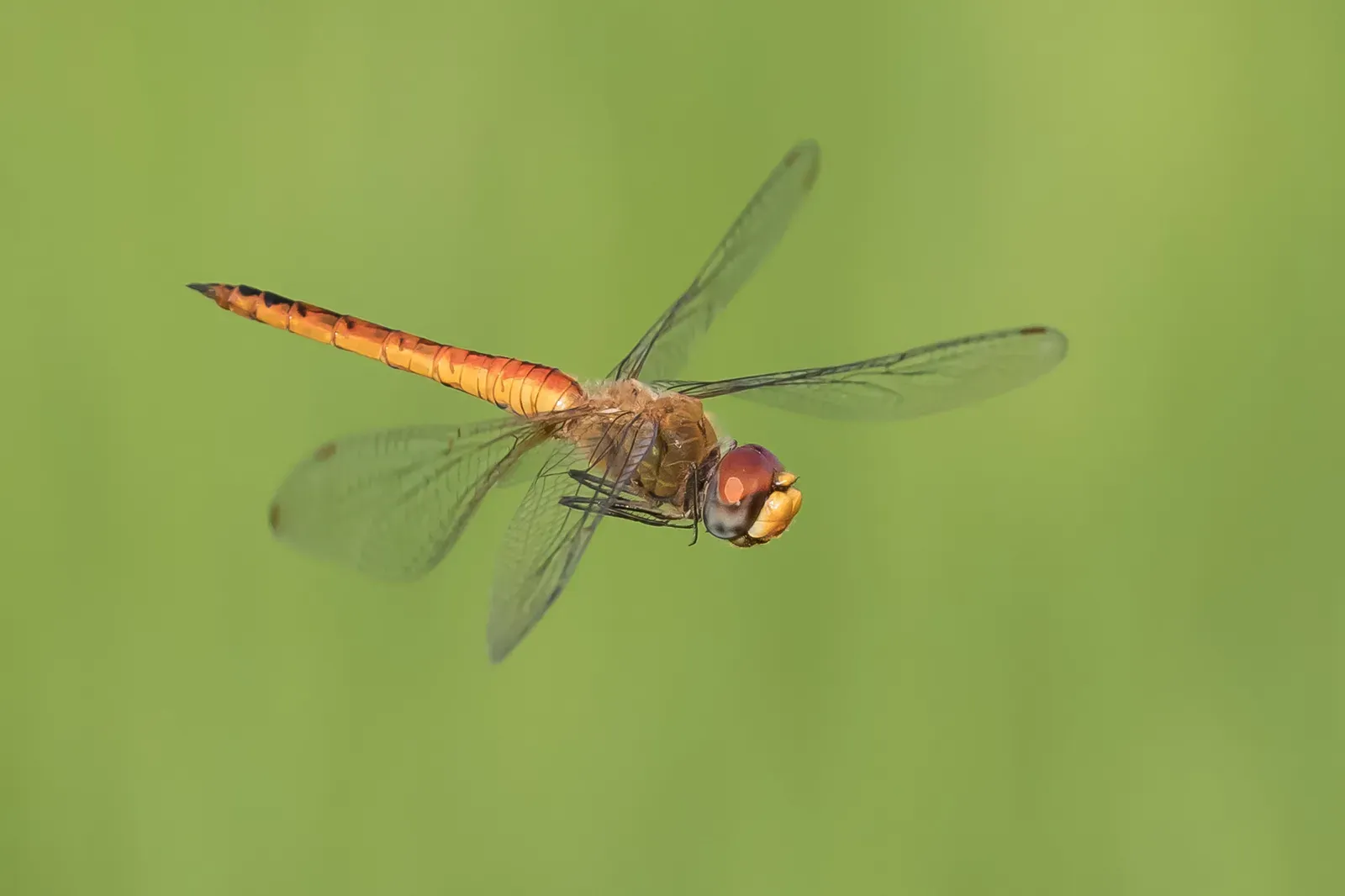
Imagine crossing the Indian Ocean. Now imagine doing it with wings the size of a postage stamp. That’s the globe skimmer dragonfly for you. The 5 cm long dragonflies possibly fly non-stop across the Indian Ocean from India to Africa, making it the world’s longest non-stop transoceanic migration. The word “possibly” is doing a lot of heavy lifting there, and that itself is the mystery.
On their journey, these dragonflies make a multigenerational migration of 18,000 kilometres in a year, with a single individual flying over 6,000 kilometres. Like the monarch, this is a relay race across generations. While the migration of monarch butterflies is well studied, relatively little is known about the annual migratory cycle of the globe skimmer dragonfly.
The findings reveal that globe skimmers cannot cross the Indian Ocean relying solely on their own power, as they will quickly deplete their energy reserves before making it across. Even by using a mixed strategy of gliding and active flapping, the globe skimmer can only complete the Indian Ocean crossing at the shortest distance with an exceptionally high gliding speed and little headwinds. Since this scenario is unlikely, favorable tailwinds are crucial to transport them across the ocean.
The duration and altitude of migratory dragonflies’ flights, specific routes and frequency of stops along the way are still a mystery, although there is some evidence of stepwise migrations over the ocean. A creature weighing less than a paper clip may be completing the most impressive transoceanic journey on Earth. Science is still scrambling to confirm it.
The Leatherback Sea Turtle: Returning to a Beach It Hasn’t Seen in Decades
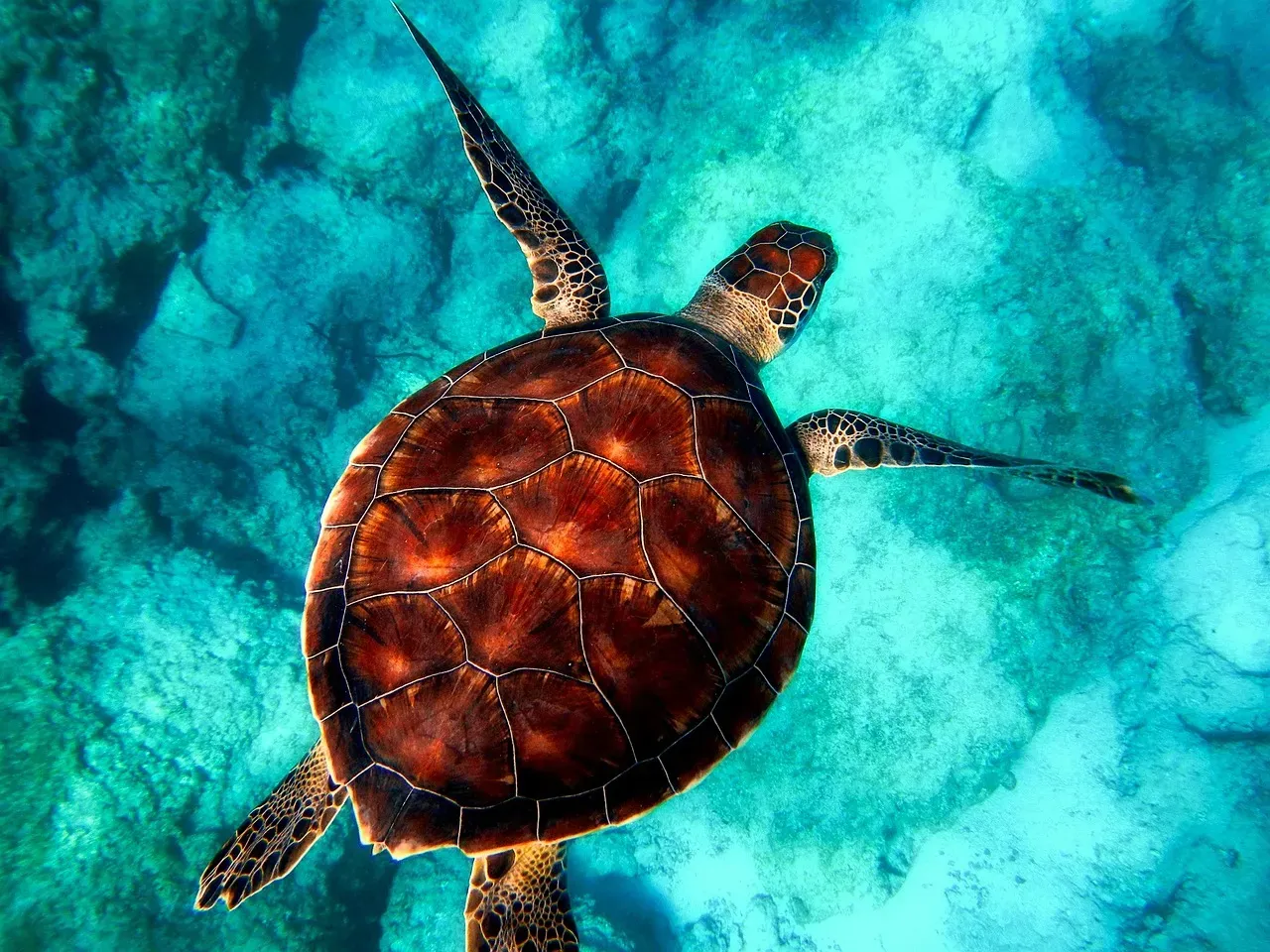
There is something deeply emotional about this one, honestly. A sea turtle hatches on a specific beach, crawls into the ocean, disappears for two or three decades, and then returns to lay its eggs on precisely the same stretch of sand. This migration can span thousands of kilometers across the ocean, and no one teaches them where to go. Turtles use the Earth’s magnetic field like a natural GPS, but scientists still don’t know how they store or “remember” their birthplace. In some cases, they return within a few meters of the spot they first emerged, after 20 to 30 years.
Like sea turtles, they’ll hatch from eggs, with no parents anywhere around, and nobody is going to lead them, and they swim off to the exact right island. The precision is almost unreal. Loggerhead turtles that hatch on the coast of Florida are the most impressive magnetic navigators, because the tiny little hatchlings perform an extraordinary journey, getting caught up in the north-flowing Gulf Stream and then taken right the way around the entire North Atlantic Ocean using ocean currents. In order to do that, they need to know which way they’re facing.
What’s still unknown: how do they recognize their birthplace after decades in the open sea? Some researchers think the turtles imprint on the unique magnetic signature of their birth beach while still hatchlings, essentially memorizing the coordinates of home before they’ve even reached the water. It’s a beautiful theory. It’s also, as of today, still just a theory.
The Arctic Tern: A Bird That Chases Endless Summer Across the Entire Planet
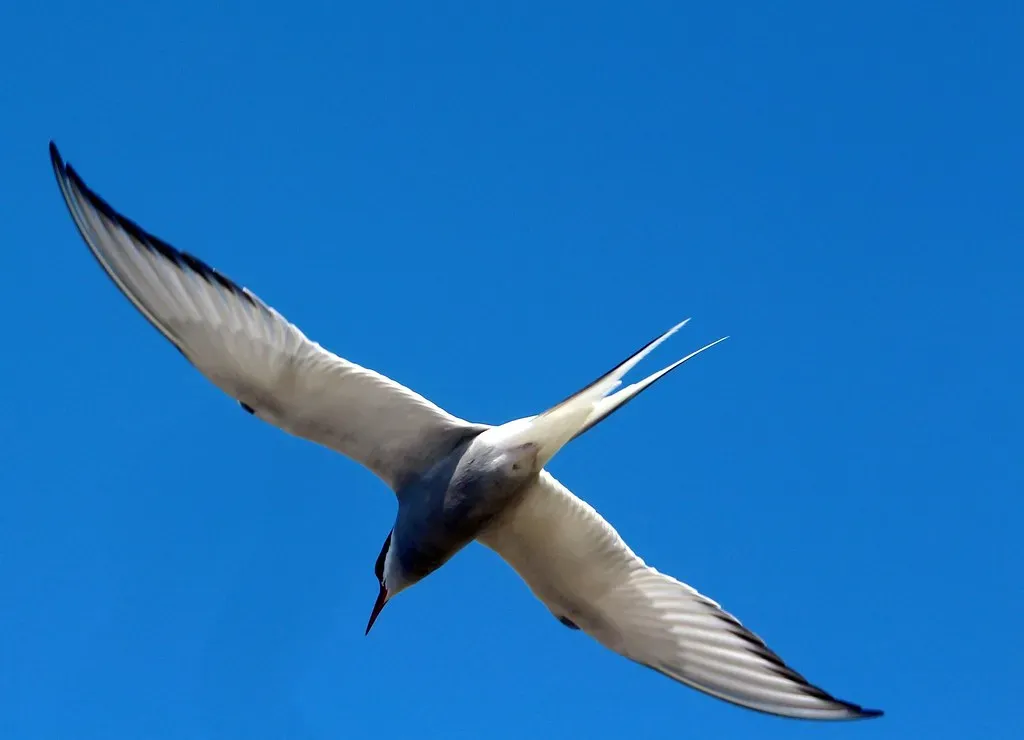
The Arctic tern is the undisputed champion of distance. A seabird known as the Arctic tern makes the longest migration of any animal, nearly from the top of our planet to the bottom. An Arctic tern flies around 25,000 miles per year on average, with some individuals flying up to 44,000 miles, as it travels from Greenland to Antarctica and back. To put that in perspective, that’s roughly the same as flying to the moon and back.
If a tern reaches its maximum lifespan of 30 years, it will have flown more than 1 million miles in migration. That’s a staggering number for a bird that weighs barely four ounces. It’s the aerodynamic equivalent of a feather crossing oceans twice a year for three decades.
What remains puzzling is the sheer precision of how these birds navigate across such colossal distances. Birds, especially, are believed to use the stars and sun to guide them. But how do they account for cloud cover? Or learn to adjust mid-route? The fact that they fly a different outbound and return route, taking advantage of global wind patterns, hints at a level of atmospheric intelligence that science has barely begun to decode. These birds appear to read the sky itself as a highway map, and somehow, they always take the fastest lane.
The Emperor Penguin: Navigating a Featureless Frozen Desert With Pinpoint Accuracy
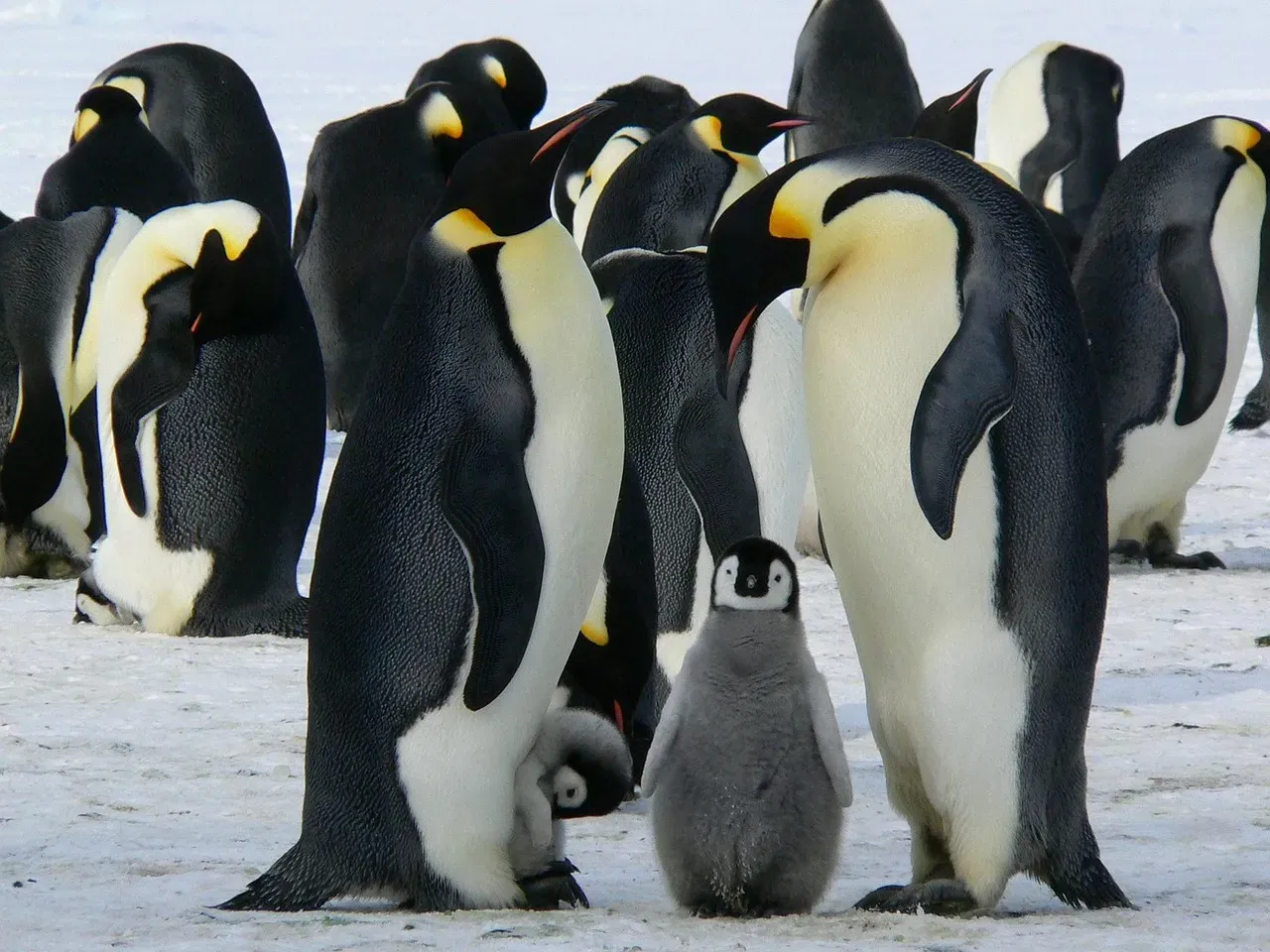
Most migrations involve moving toward warmth and food. Emperor penguins do the opposite. In the coldest place on Earth, emperor penguins make an annual trek of up to 100 kilometers inland to reach traditional breeding grounds. The migration begins just as winter tightens its grip on Antarctica. Battling blizzards and freezing temperatures, the penguins march together, with males incubating the eggs while females return to the sea to feed.
What science cannot figure out is how they find the same spot year after year. They remember their nesting sites with pinpoint accuracy, despite a featureless landscape of snow and ice. There are no trees. No landmarks. No rivers to follow. The Antarctic interior is essentially a blank white void with howling winds that erases any tracks within minutes. Yet the penguins march unerringly toward the same ancestral breeding grounds, generation after generation.
Many animals are thought to detect the Earth’s magnetic field, but scientists still don’t know what biological structure is responsible or how accurate it really is. The penguins may be using this magnetic sense, combined with celestial cues on the rare clear nights. They might even use infrasound or subtle topographical memory that humans simply cannot perceive. The honest answer is: we don’t fully know. What we do know is that these birds walk into a frozen hell, on purpose, every winter, and they find the right place every single time.
The Wandering Glider and the Ocean of Unanswered Questions: What Migration Tells Us About Nature’s Hidden Intelligence
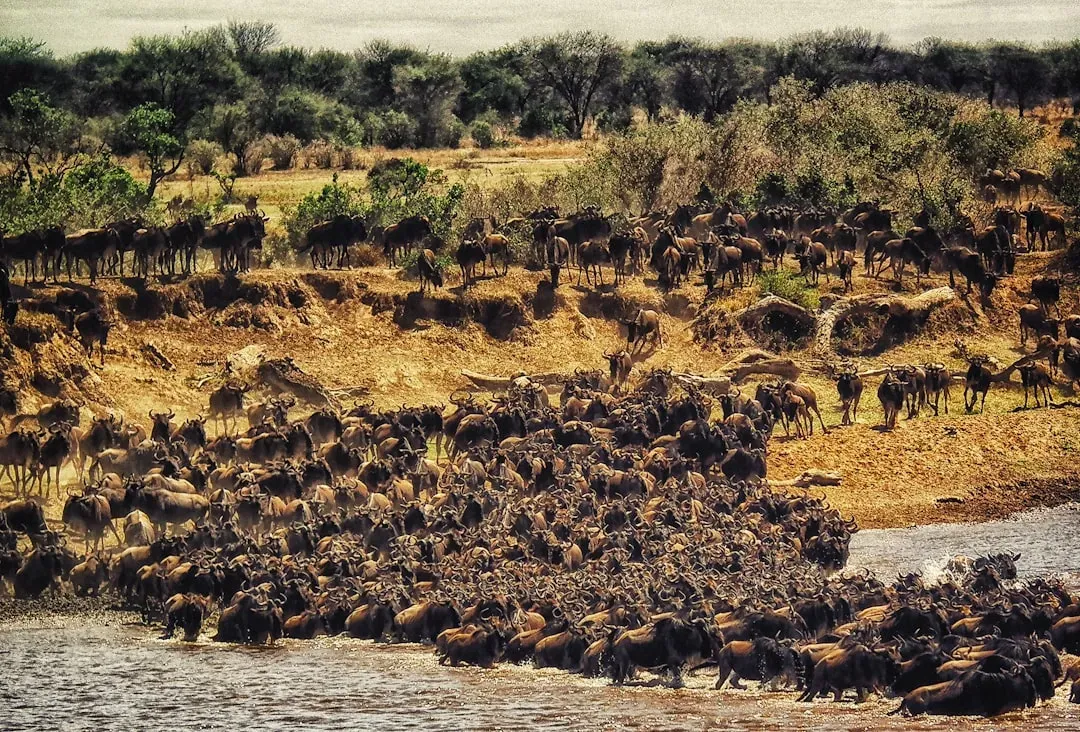
Step back from any one of these seven creatures, and a bigger, stranger picture emerges. We’re in a golden age of animal tracking, but somehow, the more we discover, the more mysterious animal migration seems. Satellites, GPS tags, isotope analysis, and genetic sequencing have all added pieces to the puzzle. Yet somehow the puzzle keeps getting larger.
In species like butterflies or turtles, the migration route is somehow encoded into their genes, yet we don’t know how that data is stored, passed on, or activated. Think of it like a USB drive loaded with a map of the entire planet, implanted at birth, that only switches on at precisely the right moment. Magnetoreception, an animal’s ability to sense Earth’s magnetic field, remains one of the most intriguing mysteries in biology.
What makes these migrations so humbling is not just that we can’t explain them. It’s that the animals don’t need us to. Animal migrations are more than just movement. They are living mysteries, stories of survival, instinct, and trust in something we humans still can’t fully understand. And in the age of artificial intelligence and quantum computing, nature’s navigation still beats anything we have engineered.
Conclusion: The Maps We Haven’t Drawn Yet
What unites all seven of these migrations is a single, humbling truth: the animals don’t wait for science to catch up. The monarch butterflies keep flying to a forest they’ve never seen. The eels keep vanishing into the deep. The terns keep chasing summer to the ends of the Earth. They do it perfectly, relentlessly, and entirely without our understanding.
There is something deeply inspiring about that. As technology improves, scientists are learning more about which species are migrating and why, as well as what happens along the way. CRISPR gene editing, miniaturized satellite tags, and AI-driven pattern analysis are all closing the gap. Yet the gap remains real and wide.
Honestly, I think that’s a good thing. A world where every question has been answered would be a poorer one. These migrations remind us that nature carries secrets older than human civilization, and that the most profound journeys on this planet still belong to creatures that have no idea how astonishing they truly are.
Which of these migrations surprised you the most? Drop your thoughts in the comments below.

- What It Means When Your Cat Stares at the Same Empty Corner at the Same Time Every Night – and the Three Explanations Competing for It - July 19, 2026
- What It Means When a Snake Crosses Your Path From Left to Right According to Every Southern Appalachian Tradition That Recorded It - July 19, 2026
- What It Means When Deer Stop Coming to an Area They Have Visited for Years – and What Wildlife Biologists Say They Are Detecting - July 19, 2026