

The animal kingdom is a vast and mysterious domain that has long intrigued scientists and animal enthusiasts alike. Over the years, many puzzling mysteries surrounding animal behavior and phenomena have emerged, prompting countless hours of investigation. In the United States, researchers have made significant strides in unraveling some of these enigmas. Here, we delve into ten of the most fascinating animal mysteries that were solved, shedding light on the wonders of wildlife.
The Enigmatic Monarch Migration

Every year, millions of monarch butterflies undertake a remarkable journey from North America to central Mexico. This incredible migration puzzled scientists for decades. How did these delicate creatures travel thousands of miles to the same destination annually? Research unveiled that monarchs are guided by a combination of genetic memory and environmental cues like the sun’s position. This revelation was akin to solving a nature-based jigsaw puzzle, showing the intricate balance of instinct and nature in the animal world.
Mystery of the Vanishing Honey Bees

The sudden disappearance of honey bees, known as Colony Collapse Disorder (CCD), alarmed beekeepers and environmentalists across the U.S. The decline threatened not only the bees but also the agricultural sectors dependent on their pollination. After extensive research, scientists identified a combination of factors including pesticides, parasites, and habitat loss. This understanding helped shape conservation strategies, emphasizing the delicate interdependence between human activities and wildlife.
The Curious Case of the Bison’s Return

Once teetering on the brink of extinction, the American bison’s comeback is a testament to successful conservation efforts. Historians and ecologists were puzzled by how the bison populations, once decimated, could rebound. The answer lay in a combination of protective legislation, relocation programs, and public awareness. This mystery’s resolution highlights the potential for human intervention to positively impact wildlife recovery.
The Secret Behind Birdsong Dialects

Birdsong is a melodious marvel, but the variations in dialects among the same species puzzled ornithologists. Why did birds in different regions sing differently? Studies revealed that young birds learn songs from their surroundings, adapting to local variations much like human accents. This finding illuminated the complex social structures and communication methods within avian communities, showcasing nature’s creativity.
Unraveling the Florida Panther’s Genetic Puzzle

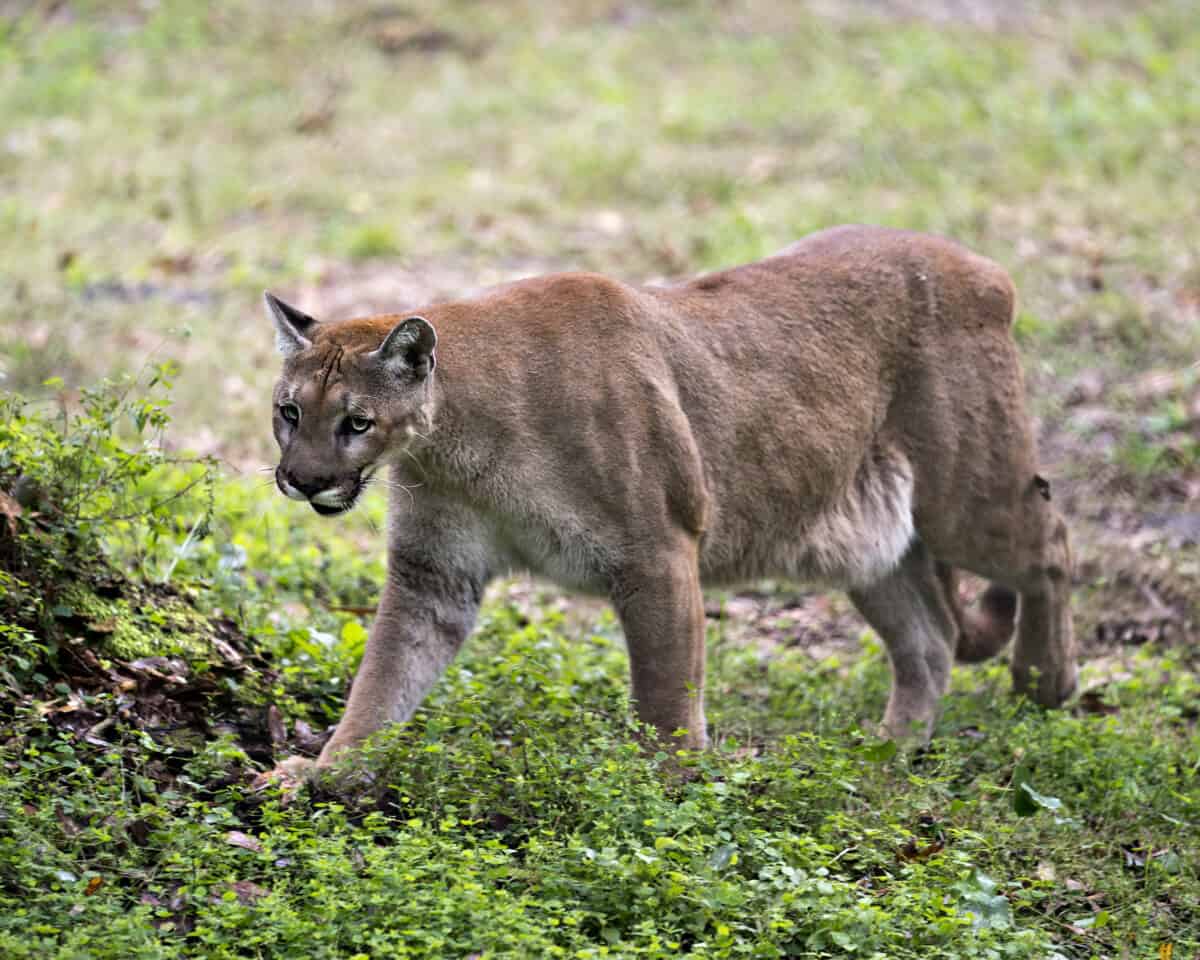
The Florida panther, a subspecies of the cougar, faced genetic decline due to inbreeding. Conservationists were stumped on how to address this genetic bottleneck. The introduction of Texas cougars brought new genetic diversity, revitalizing the population. This strategy demonstrated the importance of genetic management in conservation, proving that sometimes, the solution to a mystery lies in thinking outside the box.
The Dolphin’s Echolocation Enigma

Dolphins are known for their intelligence, but their ability to navigate and hunt using echolocation was a mystery. How did they use sound to “see” underwater? Researchers discovered that dolphins emit sound waves that bounce off objects, returning echoes that their brains interpret as images. This revelation not only highlighted dolphins’ cognitive prowess but also inspired technological advancements in sonar systems.
The Case of the Disappearing Salamanders

Appalachian salamanders began declining mysteriously, raising alarms among herpetologists. What was causing this decline in such a biodiverse region? After careful study, researchers pinpointed climate change and habitat destruction as key factors. This understanding underscored the broader impacts of environmental changes on species, emphasizing the need for sustainable practices to preserve biodiversity.
Solving the Bat White-Nose Syndrome

White-nose syndrome devastated bat populations across the U.S., leaving biologists perplexed. What caused this deadly affliction? The answer lay in a cold-loving fungus that thrived in hibernation sites. By identifying the fungus, scientists could develop management strategies to protect bats. This revelation was crucial for maintaining ecological balance, as bats play essential roles in pest control.
The Legend of the Lake Iliamna Monster

Myths of a Loch Ness-like creature in Alaska’s Lake Iliamna intrigued cryptozoologists and locals alike. What was behind these sightings? Investigations revealed that the “monster” was likely a large sturgeon or sleeper shark, a species known to inhabit the lake. This conclusion brought a scientific perspective to a local legend, blending folklore with biological understanding.
Decoding the Gray Whale’s Migration Patterns

Gray whales undertake one of the longest migrations of any mammal, traveling from the Arctic to the Mexican lagoons. The mystery of their precise navigation puzzled marine biologists. Studies showed that whales use the Earth’s magnetic field, ocean currents, and the sun’s position as navigation tools. This insight highlights the sophistication of marine mammals and the interconnectedness of natural systems.
The Puzzle of the Urban Coyote

Coyotes have adapted to urban environments across the U.S., but their presence confounds city dwellers. How do these wild animals thrive in cities? Research revealed that coyotes are highly adaptable, shifting their diet and behavior to coexist with humans. This adaptability offers a glimpse into the resilience of nature, reminding us of the evolving dynamics between wildlife and urban landscapes.
Deciphering the Alligator’s Vocal Language

Alligators are known for their intimidating presence, but their vocalizations remain a mystery. What do their growls and bellows mean? Studies found that these sounds play a crucial role in communication, territory defense, and mating. Understanding alligator vocalizations provided insights into their social behaviors, showcasing the complexity of communication in reptilian species.
The Mystery of the Humpback Whale’s Songs

Humpback whales are famous for their haunting songs, but their purpose baffled marine biologists. Why do they sing? Research uncovered that these songs serve as mating calls and communication between pods. The complexity of whale songs reflects their social structures and intelligence, offering a window into the enigmatic world of ocean giants.
Understanding the Elk’s Mysterious Movements

Elk migrations across the Rocky Mountains were once a mystery. How did they navigate such vast terrains? GPS tracking revealed that elk follow traditional routes, passing knowledge through generations. This discovery emphasized the importance of migratory corridors and the impact of human development on wildlife movement patterns.
Cracking the Secret of the Red Fox’s Leap

The red fox’s ability to catch prey with precision leaps puzzled wildlife observers. How do they achieve such accuracy? Studies found that foxes use the Earth’s magnetic field to align their jumps, enhancing their hunting success. This astonishing discovery showcased the hidden tools animals use, deepening our appreciation for nature’s ingenuity.
The Riddle of the Appalachian Owl’s Call

The unique calls of Appalachian owls intrigued birdwatchers and ornithologists. What did these sounds signify? Research revealed that owl calls serve as territorial markers and mating signals, varying by region and individual. Understanding these vocalizations unraveled the social dynamics of owls, highlighting the rich tapestry of avian communication.
Conclusion

The resolution of these animal mysteries not only enriches our understanding of the natural world but also underscores the importance of continued research and conservation efforts. As we continue to explore and learn, these stories inspire awe and respect for the intricate and wondrous tapestry of life on Earth.

As a little kid, I fell in love with nature, wildlife, and animals. Living in the USA, South Africa, Italy, China and Germany gave me the opportunity to discover the world's Wildlife. My favorite animals are Mountain Gorillas, Siberian Tigers, and Great White Sharks.
I'm a certified PADI Open Water Diver, went to Everest Base Camp and Trekked Gorillas in Uganda. I hold a Master of Science in Economics and Finance.
Please send any feedback to feedback@animalsaroundtheglobe.com
- 13 Cat Breeds That Get Along with Dogs - July 20, 2026
- The 12 Largest Dog Breeds That Still Love to Cuddle - July 20, 2026
- 12 Pet Habits That Secretly Mean They Love You - July 20, 2026