


America is home to an incredible array of wildlife, with its vast landscapes offering a sanctuary for many unique species. However, some of these species are facing alarming threats, pushing them closer to extinction. While this is concerning, there is still hope and opportunity for wildlife enthusiasts to witness these magnificent creatures in their natural habitats. Let’s explore 13 of the most threatened species you can still see in America.
The Majestic Florida Panther

The Florida Panther is a rare and beautiful creature, found primarily in the swamps and forests of southern Florida. With fewer than 200 individuals left in the wild, they are a symbol of hope and resilience. These panthers are a subspecies of the cougar and are recognized by their tawny coat and long tail. Unfortunately, habitat loss and vehicle collisions are significant threats to their survival. Conservation efforts are underway to protect their habitat and reduce human-wildlife conflicts, giving this species a fighting chance.
Graceful Whooping Crane

Whooping Cranes are among the tallest birds in North America and are known for their striking white plumage with black wingtips. Once on the brink of extinction, with only 15 individuals in the 1940s, conservation programs have helped increase their numbers. These cranes migrate between Canada and the southern U.S., offering birdwatchers a chance to witness their majestic flights. Despite these efforts, habitat destruction and climate change continue to threaten their survival, making ongoing conservation crucial.
Red Wolf A Symbol of Endurance

The Red Wolf, native to the southeastern United States, is one of the world’s most endangered canids. With a population of only about 20 individuals in the wild, they face challenges from habitat loss and hybridization with coyotes. The Red Wolf Recovery Program aims to increase their numbers through captive breeding and reintroduction into the wild. Despite these efforts, the road to recovery is fraught with obstacles, but seeing a Red Wolf in its natural habitat is an unforgettable experience.
Elusive Jaguar of the Southwest

Jaguars, once roaming freely across the southwestern United States, are now primarily found in Central and South America. However, a few individuals have been spotted in the border regions of Arizona and New Mexico. These powerful predators are threatened by habitat destruction and illegal poaching. Their presence in the U.S. is a testament to the interconnectedness of ecosystems across borders. Protecting their habitat is essential for their survival and the preservation of biodiversity.
Hawaiian Monk Seal Guardian of the Isles

The Hawaiian Monk Seal is a unique species, found only in the Hawaiian Islands. With a population of around 1,400 individuals, they are one of the most endangered marine mammals. These seals face threats from entanglement in fishing gear, habitat degradation, and disease. Conservation efforts, including habitat protection and public awareness campaigns, are vital to their survival. Seeing a Hawaiian Monk Seal basking on a sandy beach is a rare and special sight.
Western Bumblebee A Pollinator in Peril

The Western Bumblebee, known for its distinctive black and yellow stripes, plays a crucial role in pollination. However, their populations have declined significantly due to habitat loss, pesticide use, and disease. These bees are vital for the pollination of many crops, making their conservation essential for agriculture. Efforts to restore native habitats and reduce pesticide use are crucial steps in ensuring the survival of this important pollinator.
California Condor A Soaring Success Story

The California Condor, the largest bird in North America, is an incredible conservation success story. Once numbering only 27 individuals in the 1980s, intensive captive breeding programs have increased their population to over 400. These majestic birds can be seen soaring over the Grand Canyon and California’s coastal mountains. Lead poisoning from ingested hunting ammunition remains a significant threat, but ongoing efforts to reduce this risk are vital for their continued recovery.
Snail Darter A Fish of Controversy

The Snail Darter is a small fish that gained fame in the 1970s due to a legal battle over its habitat in the Tennessee River. This tiny fish became a symbol of the Endangered Species Act’s power to protect biodiversity. While it has been reintroduced to other rivers, habitat destruction and water pollution remain threats. These challenges highlight the importance of protecting aquatic ecosystems for the survival of all species.
American Burying Beetle Nature’s Recycler
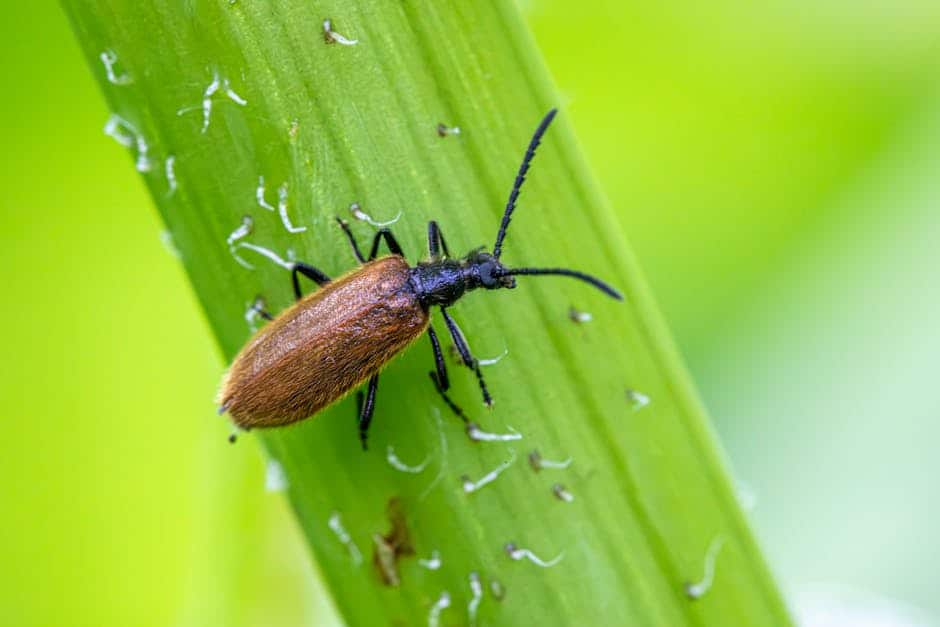
The American Burying Beetle, once found across much of the eastern U.S., is now limited to a few isolated populations. These beetles play a critical role in recycling nutrients by burying and consuming dead animals. Habitat loss and fragmentation are major threats to their survival. Conservation efforts, including habitat restoration and captive breeding, aim to bolster their populations. Protecting these beetles is essential for maintaining healthy ecosystems.
Loggerhead Sea Turtle Ocean Voyager
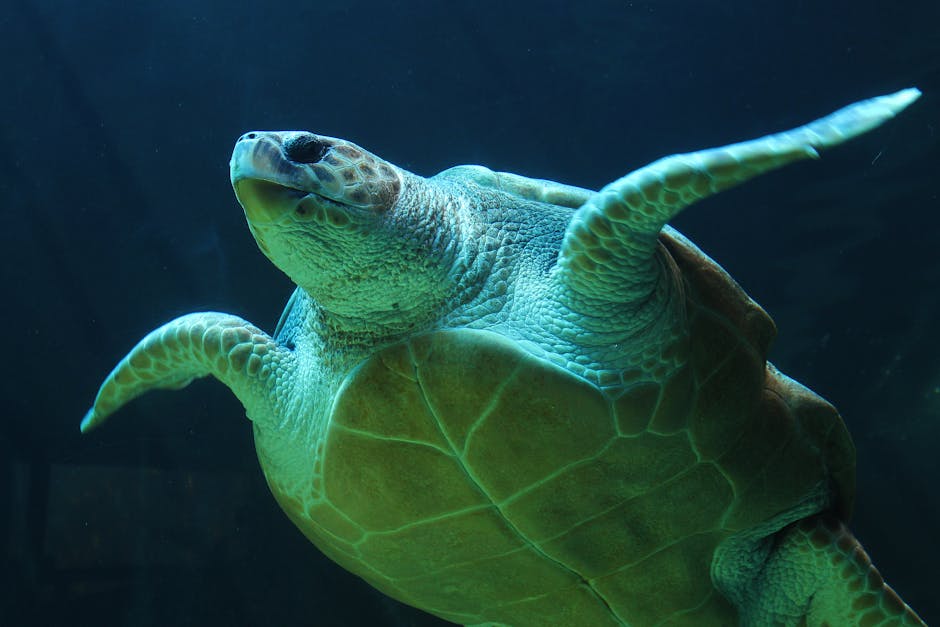
Loggerhead Sea Turtles are known for their long migrations across the oceans. They nest on beaches along the southeastern U.S. coastline, where they face threats from habitat loss, pollution, and climate change. Conservation efforts, such as protecting nesting sites and reducing bycatch in fishing gear, are crucial to their survival. Witnessing a Loggerhead hatchling make its way to the sea is a mesmerizing and hopeful event.
Ocelot A Feline of Mystery

The Ocelot, a beautiful and elusive wild cat, is found in the dense forests of South Texas. With its striking spotted coat, the Ocelot is a master of camouflage. Habitat loss due to agriculture and urban development is a significant threat to their survival. Efforts to protect and restore their habitat are essential for their conservation. Spotting an Ocelot in the wild is a rare and thrilling experience for any wildlife enthusiast.
Ivory-billed Woodpecker The Ghost Bird

The Ivory-billed Woodpecker, once thought to be extinct, has been the subject of intense searches in the southeastern U.S. This elusive bird, with its striking black and white plumage, is a symbol of hope and mystery. Habitat destruction and logging have decimated their populations, making sightings incredibly rare. Protecting old-growth forests is crucial for the possibility of their survival and rediscovery.
Gopher Tortoise A Keystone Engineer

The Gopher Tortoise, found in the southeastern U.S., is a keystone species, creating burrows that provide shelter for over 350 other species. Habitat loss and fragmentation due to development pose significant threats to their survival. Conservation efforts focus on protecting and restoring their natural habitats. These tortoises play a vital role in their ecosystems, making their conservation essential for biodiversity.
The Endangered Elkhorn Coral
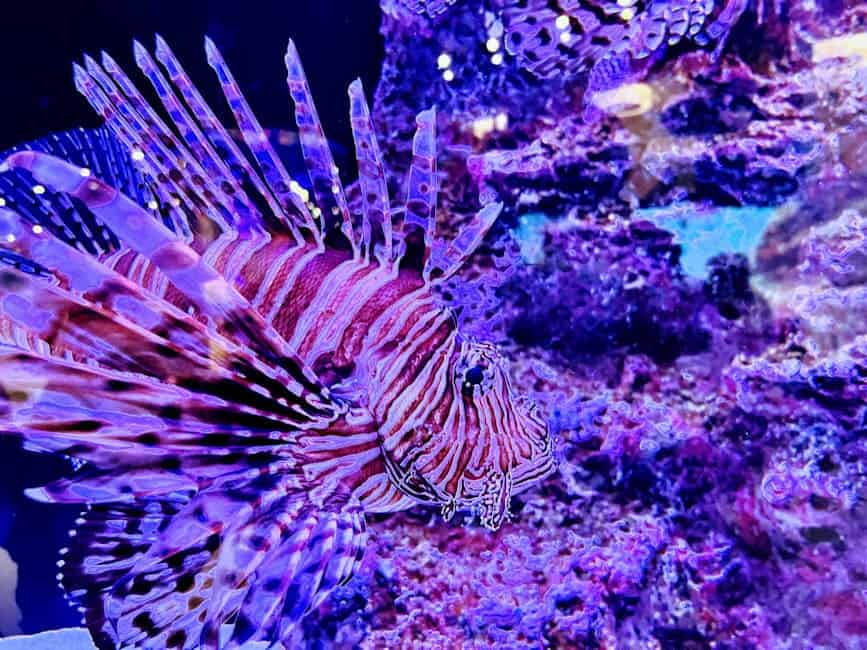
Elkhorn Coral, found in the Caribbean and the Florida Keys, is critical for reef-building and providing habitat for marine life. Threats from climate change, disease, and pollution have led to significant declines in their populations. Conservation efforts, including coral restoration and reducing pollution, are vital for their survival. Protecting Elkhorn Coral is essential for maintaining the health of coral reef ecosystems.
Piping Plover A Coastal Wanderer

The Piping Plover is a small shorebird found along the Atlantic Coast, Great Lakes, and Great Plains. Their sandy-colored plumage provides excellent camouflage on beaches. Habitat loss, human disturbance, and predation are significant threats to their survival. Conservation efforts focus on protecting nesting sites and minimizing human impact. Spotting a Piping Plover on a beach is a delightful experience for birdwatchers.
Conclusion

While these 13 species face significant challenges, ongoing conservation efforts provide hope for their survival. Witnessing these threatened creatures in their natural habitats is a reminder of the beauty and diversity of life on Earth. Protecting these species is essential for the health of ecosystems and the preservation of our natural heritage.

As a little kid, I fell in love with nature, wildlife, and animals. Living in the USA, South Africa, Italy, China and Germany gave me the opportunity to discover the world's Wildlife. My favorite animals are Mountain Gorillas, Siberian Tigers, and Great White Sharks.
I'm a certified PADI Open Water Diver, went to Everest Base Camp and Trekked Gorillas in Uganda. I hold a Master of Science in Economics and Finance.
Please send any feedback to feedback@animalsaroundtheglobe.com
- 13 Cat Breeds That Get Along with Dogs - July 20, 2026
- The 12 Largest Dog Breeds That Still Love to Cuddle - July 20, 2026
- 12 Pet Habits That Secretly Mean They Love You - July 20, 2026
Leave a comment
You must be logged in to post a comment.