

When torrential downpours sweep across the United States, they bring more than just floodwaters. These rains can displace wildlife, driving some of the most venomous snakes out of their natural habitats and into populated areas. Understanding these snakes and the threats they pose is crucial for ensuring safety. Here’s a guide to the 14 most dangerous snakes to watch out for after heavy rains in the US.
Cottonmouth (Water Moccasin)

Cottonmouths, also known as water moccasins, are frequently found near water. After significant rainfall, these snakes can be pushed out of their flooded homes, often into areas where people may unwittingly encounter them. Recognizable by their thick bodies and the distinctive white lining of their mouths, cottonmouths are venomous and can deliver painful bites.
Eastern Diamondback Rattlesnake

The Eastern Diamondback Rattlesnake, known for its diamond-like pattern along the back, is among the deadliest rattlesnakes in North America. Typically found in the southeastern US, heavy rains can propel these snakes into new territories. Their potent venom can cause severe symptoms, making them a significant concern for residents and hikers.
Western Diamondback Rattlesnake

Similar to its eastern cousin, the Western Diamondback Rattlesnake is pervasive across the southwestern US. They thrive in deserts but can be spotted in residential areas following heavy rainfall. The Western Diamondback’s warning rattle and bold, diamond patterns are key identifiers.
Copperhead

Copperheads are masters of camouflage, blending seamlessly into forest floors with their coppery, patterned skin. These snakes are particularly risky because their bites, though rarely fatal, can still cause significant harm. Heavy rains often disturb their habitats, leading to increased human encounters.
Texas Coral Snake
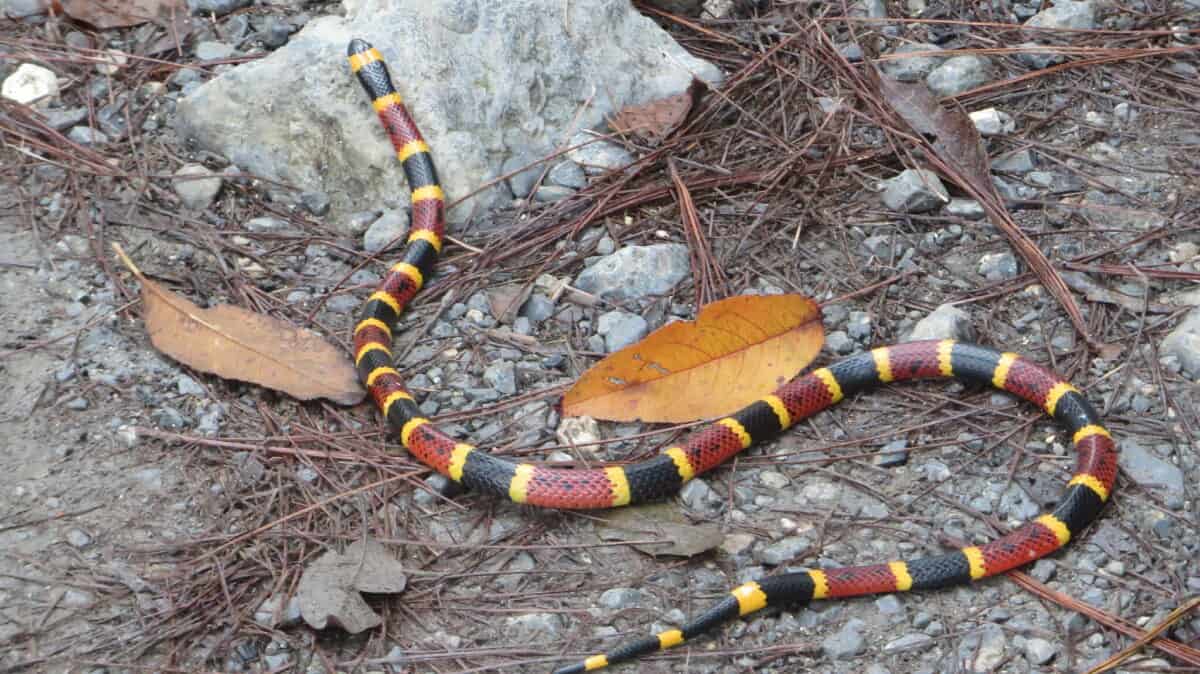
Boasting vibrant red, black, and yellow bands, the Texas Coral Snake is both beautiful and lethal. Found in wooded or marshy areas, these snakes might emerge after rains disrupt their environments. Their venom is highly toxic, and while bites are rare due to their reclusive nature, they require immediate medical attention when they occur.
Tiger Rattlesnake
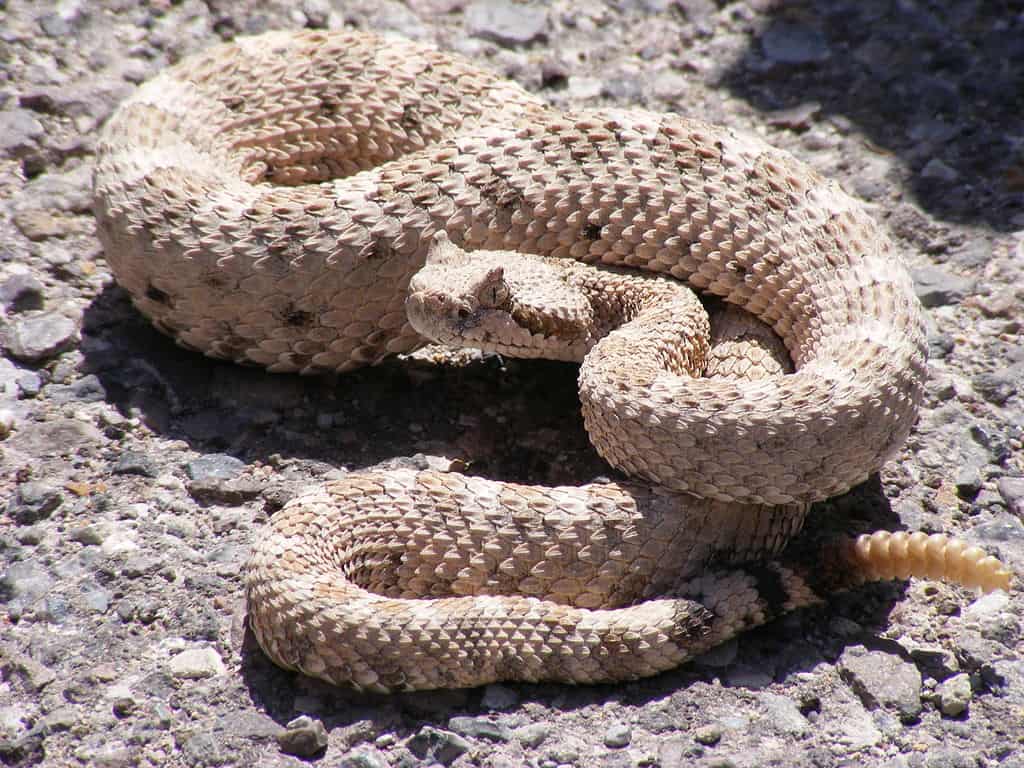
The Tiger Rattlesnake is a smaller, yet highly venomous species found in the southwestern United States. It inhabits arid environments that, after a deluge, might no longer be hospitable, pushing these snakes toward human habitats. Their strike is quick, and their venom potent, often resulting in severe reactions.
Mojave Rattlesnake

Regarded as one of the most venomous rattlesnakes, the Mojave Rattlesnake’s territory spans arid regions of the southwestern US. Recognizable by its greenish hue and white bands on its tail, this snake’s bite can affect the central nervous system, and survivors often suffer long-term consequences.
Canebrake Rattlesnake

The Canebrake Rattlesnake, a subspecies of the Timber Rattlesnake, inhabits the southeastern US. Following storms, these large and potentially aggressive snakes might be found far from their usual wooded environments. Their venom contains proteins that can damage tissue and impair blood clotting.
Pygmy Rattlesnake

While the Pygmy Rattlesnake is smaller in size, it should not be underestimated. Found in the southeastern United States, this snake’s bite can still deliver substantial pain and medical complications. After heavy rainfall, these snakes may appear in gardens or garages seeking shelter.
Eastern Coral Snake

The Eastern Coral Snake, with its bold striping of red, yellow, and black, is easily confused with non-venomous mimic species. However, its potent venom makes it far from harmless. During rainy seasons, these snakes may leave their homes in search of dry ground, often unknowingly invading human spaces.
Prairie Rattlesnake

Typically at home in the grasslands and prairies of the Western US, the Prairie Rattlesnake may venture into less familiar territories after storms. Their rattles’ distinctive sound is an audible warning of their presence, offering a chance to steer clear of danger.
Massasauga

The Massasauga is a relatively small rattlesnake that inhabits wetlands and grasslands. As rains burst riverbanks and flood these areas, these snakes are known to relocate, sometimes close to human habitation. Though they possess venom, their bite is less potent compared to larger species.
Timber Rattlesnake
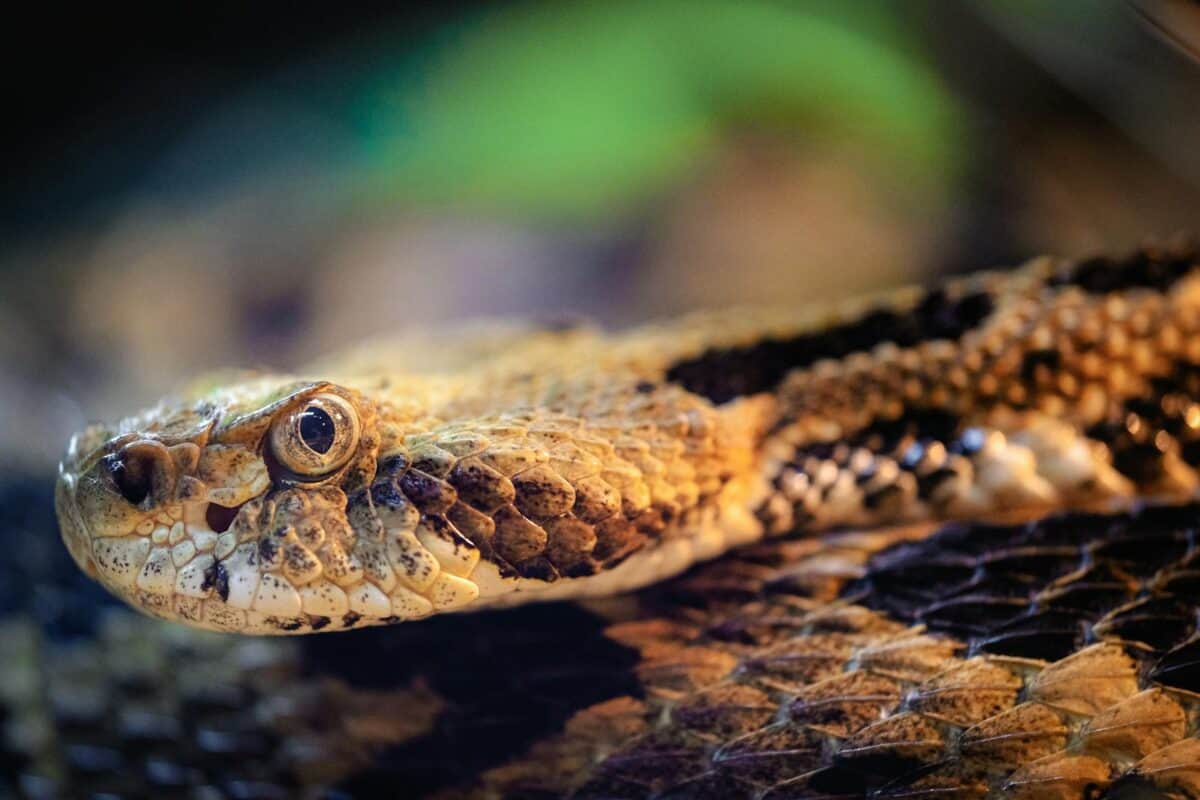
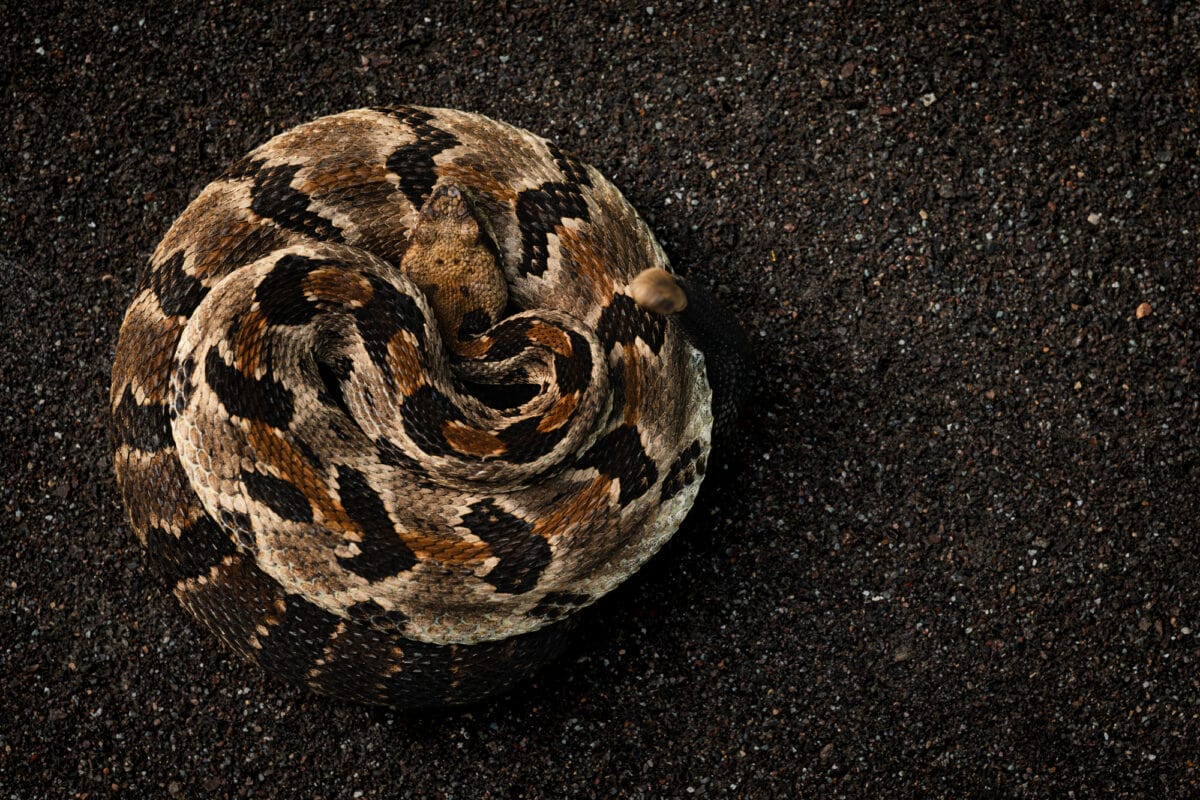
Inhabiting the eastern US, the Timber Rattlesnake is a large and robust species that can often be displaced by major weather disturbances. During such events, it may move to higher ground or seek cover in barns and sheds. Timber Rattlesnake venom is potent and necessitates prompt medical treatment.
Southeastern Garter Snake

Though not venomous like the other entries on this list, the Southeastern Garter Snake is nonetheless noteworthy after heavy rains due to its increased movements and visibility. While generally harmless, they can still deliver a defensive bite if threatened. When flooding occurs, they may retreat to drier areas including neighborhoods and gardens.
Conclusion
In conclusion, understanding the behavior and habitats of these snakes can help prevent unfortunate encounters. It’s vital to stay vigilant and educated, especially during heavy rains and subsequent floods, to protect both humans and the snakes themselves.

As a little kid, I fell in love with nature, wildlife, and animals. Living in the USA, South Africa, Italy, China and Germany gave me the opportunity to discover the world's Wildlife. My favorite animals are Mountain Gorillas, Siberian Tigers, and Great White Sharks.
I'm a certified PADI Open Water Diver, went to Everest Base Camp and Trekked Gorillas in Uganda. I hold a Master of Science in Economics and Finance.
Please send any feedback to feedback@animalsaroundtheglobe.com
- 10 Most Unique Reptiles You will See in the US - July 21, 2026
- 3 Dangerous Invasive Species the USA Must Eradicate - July 21, 2026
- 10 Things That Calm Cats And 4 That Make Them Nervous - July 21, 2026