


The natural world never ceases to amaze with its breathtaking beauty, intricate ecosystems, and the baffling behavior of its inhabitants. Among the myriad of creatures that call Earth home, some exhibit behaviors so bizarre that they challenge our understanding of biology itself. This article delves into the fascinating world of unusual animal behaviors, each one offering a unique glimpse into the mysteries of wildlife.
Interspecies Collaboration: The Honeyguide

One of the most astonishing examples of animal behavior is the cooperation between humans and greater honeyguides, birds native to Africa. These avians lead humans to beehives, waiting for them to collect honey and leaving behind the beeswax, which the birds consume. This mutualistic relationship showcases the remarkable ability of animals to engage in cross-species collaboration for survival.
Mimicry Masters: The Lyrebird

Known for its extraordinary vocal abilities, the lyrebird of Australia can mimic almost any sound it hears—from other bird calls to chainsaws. This talent for mimicry serves various purposes, including attracting mates and warding off predators. The lyrebird’s capacity to replicate sounds with precision highlights the evolution of complex communication strategies in birds
Tool Use in Unexpected Places: New Caledonian Crows

Not all tool users in the wild are primates. The New Caledonian crow crafts tools from twigs and leaves to extract insects from tree bark. This behavior demonstrates the high level of problem-solving skills and intelligence found in the avian world, challenging preconceived notions about brain size and cognitive ability.
Exploitative Symbiosis: The Cuckoo

Cuckoos are infamous for their brood parasitism. Female cuckoos lay eggs in the nests of other bird species, leaving the unsuspecting host to raise their chick. This exploitation of other species’ parental care is a marvel of evolutionary strategy, ensuring survival without the energy expenditure of raising young.
Communicating with Dance: The Honeybee

Honeybees communicate the location of food sources through a complex “waggle dance.” By varying the angle, duration, and intensity of their movements, bees convey essential information to hive mates about the distance and direction of nectar sources, exemplifying advanced social communication within insect communities.
Unseen Architects: The Pufferfish

In the ocean’s depths, male white-spotted pufferfish create geometric patterns on the seafloor to attract mates. These intricate circles, crafted using fins, demonstrate not only artistic ability but also complex behavior aimed at courtship and species propagation, adding layers of wonder to marine biology.
Night Lights: Bioluminescent Animals

Bioluminescence is a captivating behavior seen in various organisms, from deep-sea fish to fireflies. This natural light production, created through chemical reactions within an organism, serves multiple purposes: attracting mates, deterring predators, and luring prey. The mechanics behind bioluminescence continue to intrigue scientists and nature enthusiasts alike.
Protective Mimicking: The Mantis Shrimp

Known for their vibrant colors and incredibly fast strike, mantis shrimps exhibit a form of protective behavior known as ‘startle display.’ By showing vivid colors and rapid movements, they deter potential threats. Their remarkable weaponized claws can also crack open snail shells and shatter aquarium glass, illustrating an impressive evolutionary adaptation for both hunting and defense.
Smart Cephalopods: Octopus Tool Usage

Octopuses, known for their intelligence among invertebrates, have been observed using coconut shells and other objects for protection, carrying them across the ocean floor. This use of tools highlights their problem-solving skills and adaptability, comparable to that of higher vertebrates, offering insight into the evolution of intelligence in aquatic life.
Bizarre Mating Ritual: The Bowerbird
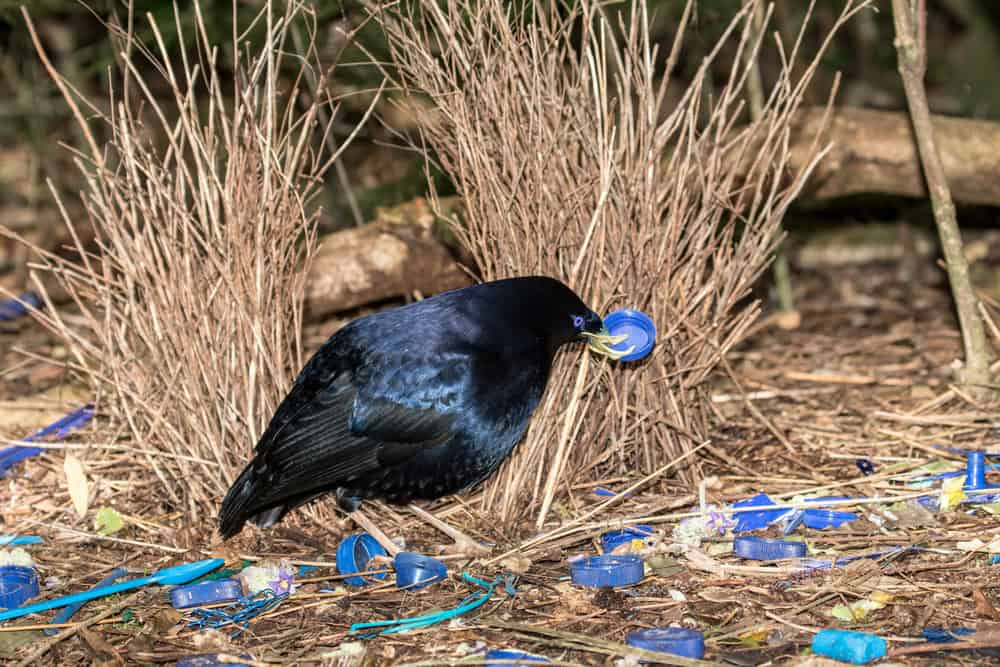
Males of several bowerbird species construct elaborate structures, or bowers, to entice potential mates. They decorate these bowers with colorful objects. This behavior underscores the role of aesthetics in animal mating rituals and raises questions about the origins and evolution of artistic expression in nature.
The Death March: Lemming Migration
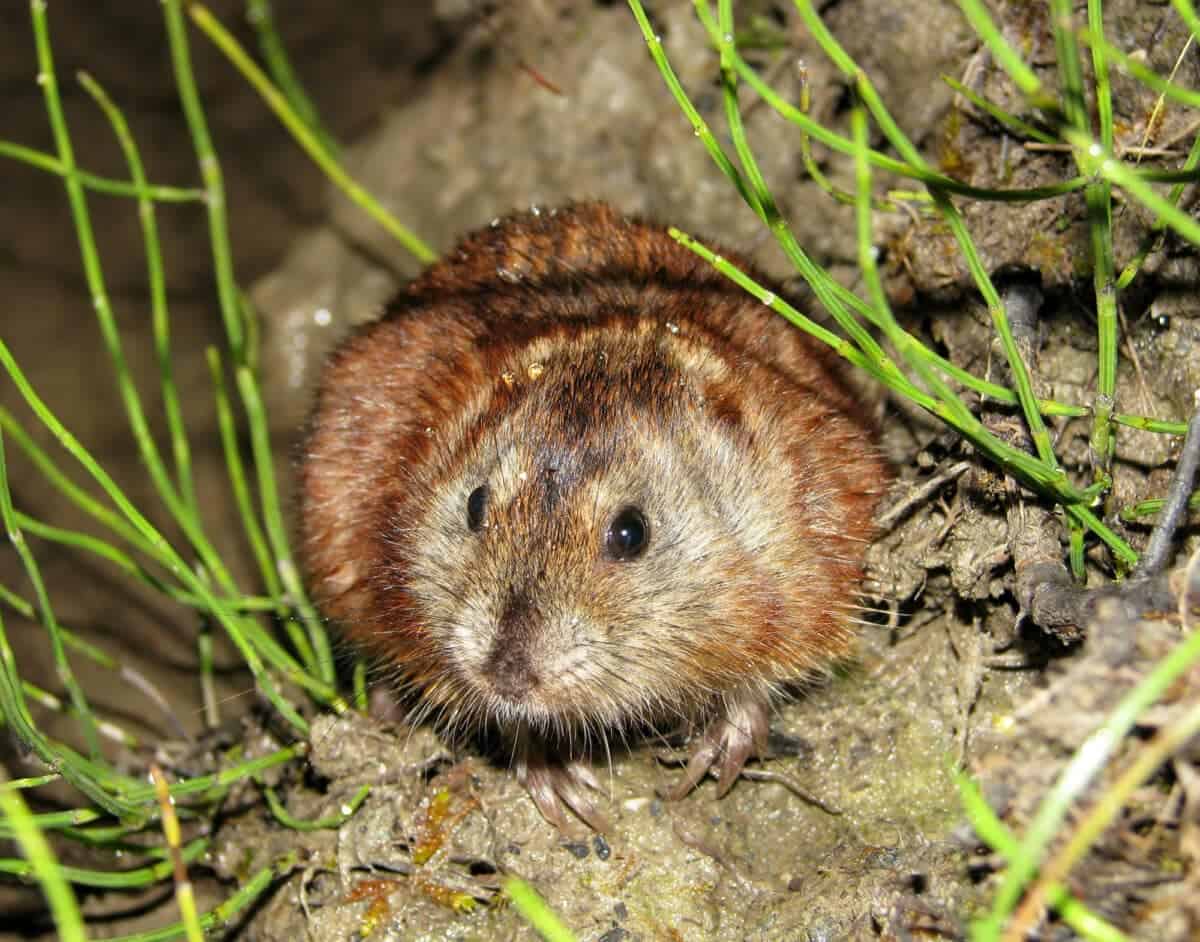
The mass migration of lemmings, often mythologized as mass suicide, is a natural response to population pressures and environmental conditions. While the notion of lemmings choosing to leap to their deaths is a myth, their instinctual drive to find new habitats occasionally leads them into precarious situations, such as crossing bodies of water.
Zombie Ants: Fungus-Induced Behaviors

The parasitic fungus Ophiocordyceps unilateralis targets ants, manipulating their behavior to climb vegetation where the fungus can optimally spread spores. This mind-control phenomenon is a disturbing yet fascinating example of how parasites can influence host behavior for their propagation, showcasing the complex interactions between hosts and parasites in nature.
Conclusion

Nature is a wonder, woven together with behaviors that often defy simple explanation. From interspecies communication to tool use, these remarkable behaviors not only showcase the diversity of life on Earth but also illuminate the complex evolutionary strategies that have enabled these species to thrive. By studying these strange animal behaviors, we gain valuable insights into the intricate balance and interconnectedness of our natural world.

From exploring the marine wonders in the Azores and witnessing the vast savannas of Kenya, to delving deep into the rich biodiversity of South Africa and traversing iconic landscapes in Australia and the US like Yellowstone, Chris's experiences are vast.
With a penchant for diving alongside sharks, the ocean holds a special place in his heart.
Through his academic insights, he champions wildlife conservation, striving with 'Animals Around The Globe' to cultivate a profound connection between humans and animals, enhancing our mutual appreciation.
Connect with him at Feedback@animalsaroundtheglobe.com.
- The Strangest Animal Behavior Ever Witnessed in the Wild - July 25, 2026
- Flying Fish Exist—and They Can Glide Longer Than You Think - July 25, 2026
- Did You Know Red Pandas Are Sometimes Called “Fire Foxes”? - July 25, 2026
Leave a comment
You must be logged in to post a comment.