
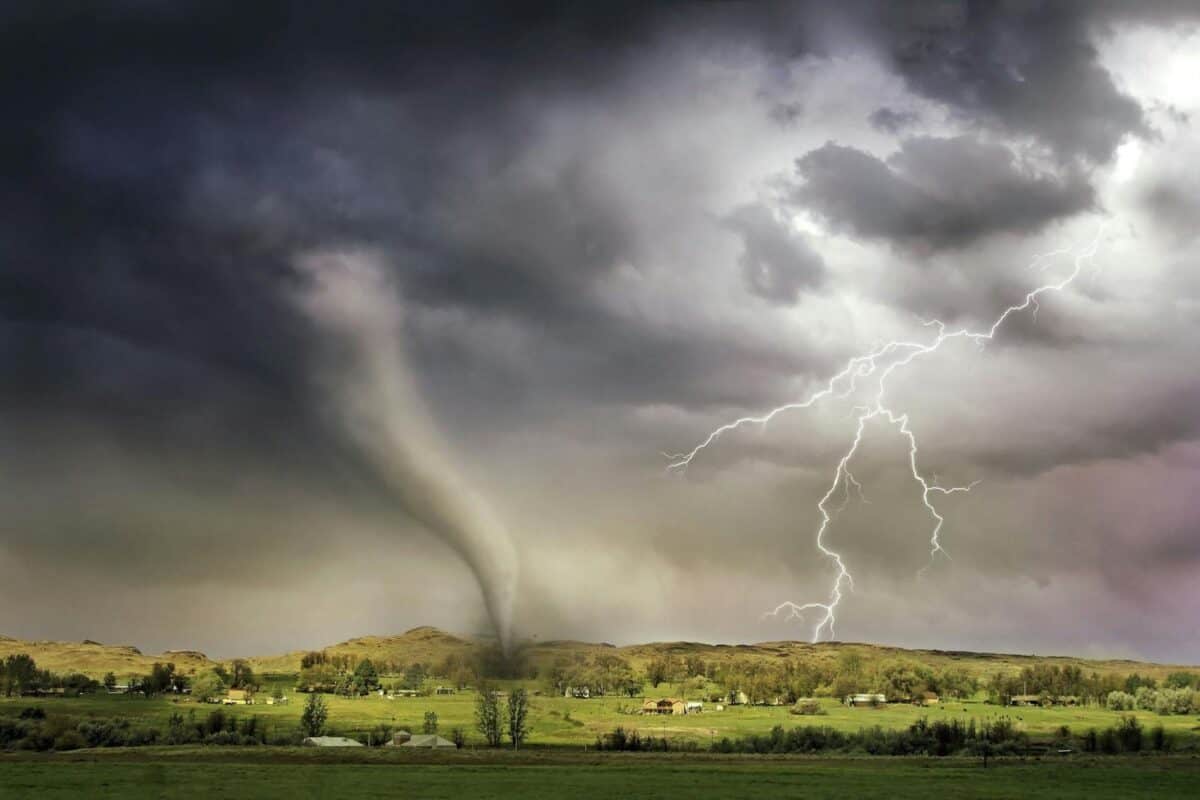
In the heartland of America, tornadoes are both feared and fiercely studied. The Midwest serves as a breeding ground for these powerful natural phenomena, turning vast stretches of land into a laboratory for meteorological research. Tornadoes, with their swirling fury and unpredictable paths, have long captivated both scientists and the general public. Among them, the fastest tornado ever recorded in the Midwest stands out as a remarkable testament to the power and unpredictability of nature.
A Glimpse into Tornado Formation

Tornadoes are the result of complex interactions between weather systems. Understanding their formation begins with supercells – large, rotating thunderstorms that often spawn tornadoes. When different wind speeds and directions align, a rotating wall cloud forms within the supercell, potentially leading to a tornado. These conditions are ripe in the Midwest due to the unique convergence of moist air from the Gulf of Mexico and dry air from the Rockies.
The Anatomy of a Tornado
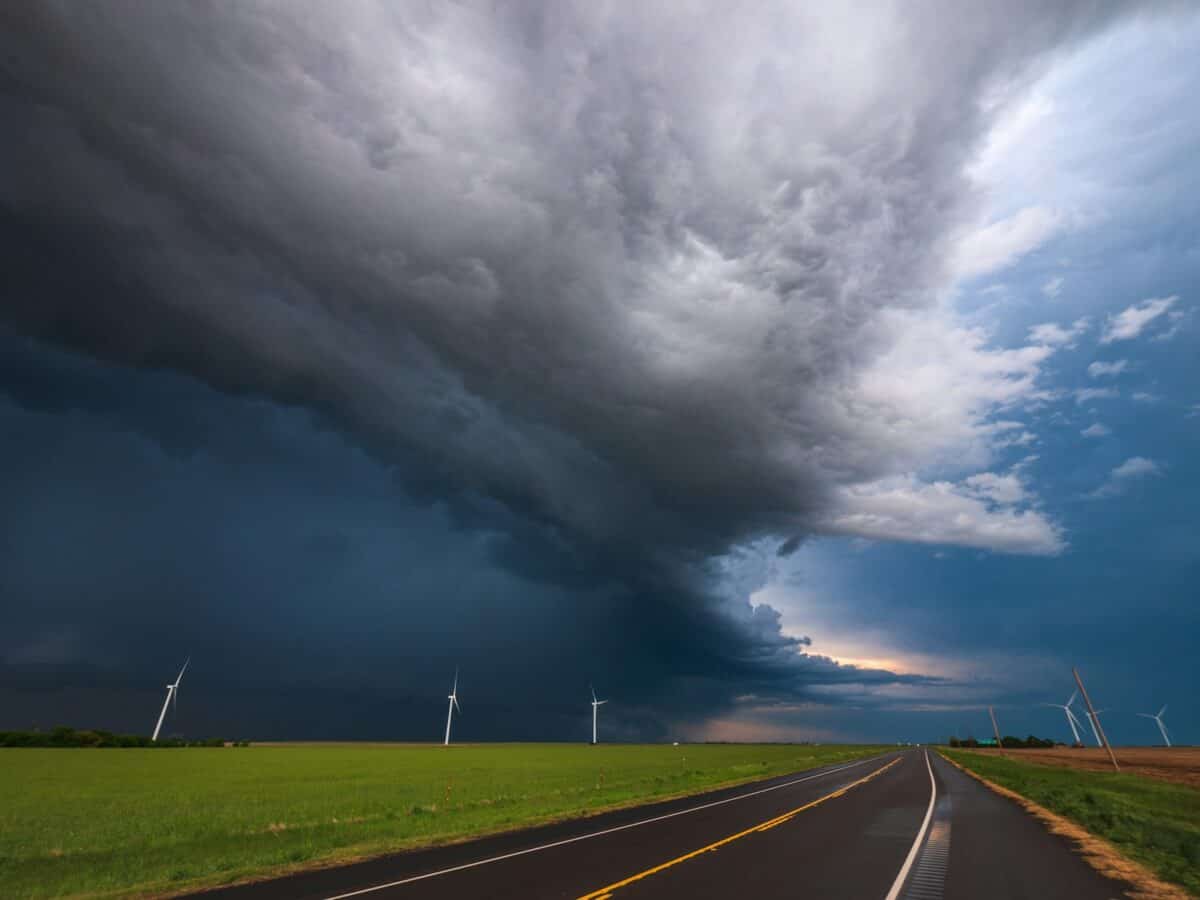
A tornado consists of a visible funnel cloud and an invisible updraft. The funnel appears as a towering column extending from the thunderstorm base, often marked by debris and dust. Inside, winds spiral at tremendous speeds, causing the destruction we often associate with tornado encounters. The fastest tornado recorded in the Midwest featured winds exceeding 300 miles per hour, demonstrating just how potent these forces can become.
The Record-Breaking Tornado Event

On May 3, 1999, the Midwest witnessed a tornado of unprecedented speed. Roughly spanning 85 minutes, this extreme weather event occurred in Oklahoma during the infamous Oklahoma tornado outbreak. The tornado reached wind speeds near 301 miles per hour, classified as an F5 on the Fujita scale, which at the time was the highest rating possible for a tornado’s destructive potential.
Understanding the Impact of High-Speed Tornadoes

Tornadoes of high velocity pose significant threats due to their increased ability to lift and hurl debris over long distances. This elevates the risk level for populations in their paths. The 1999 tornado in Oklahoma caused extensive damage to infrastructure, homes, and landscapes while highlighting the immense power of high-speed tornadoes in both urban and rural areas.
The Science Behind Measuring Tornado Speed

Technology plays a crucial role in understanding tornado dynamics. Advanced Doppler radar is instrumental in measuring wind speeds within a tornado. The 1999 Oklahoma tornado’s record speed was confirmed using mobile Doppler radar, which captured data at close range, offering groundbreaking insights into tornado mechanics.
Preparing for Tornado Emergencies
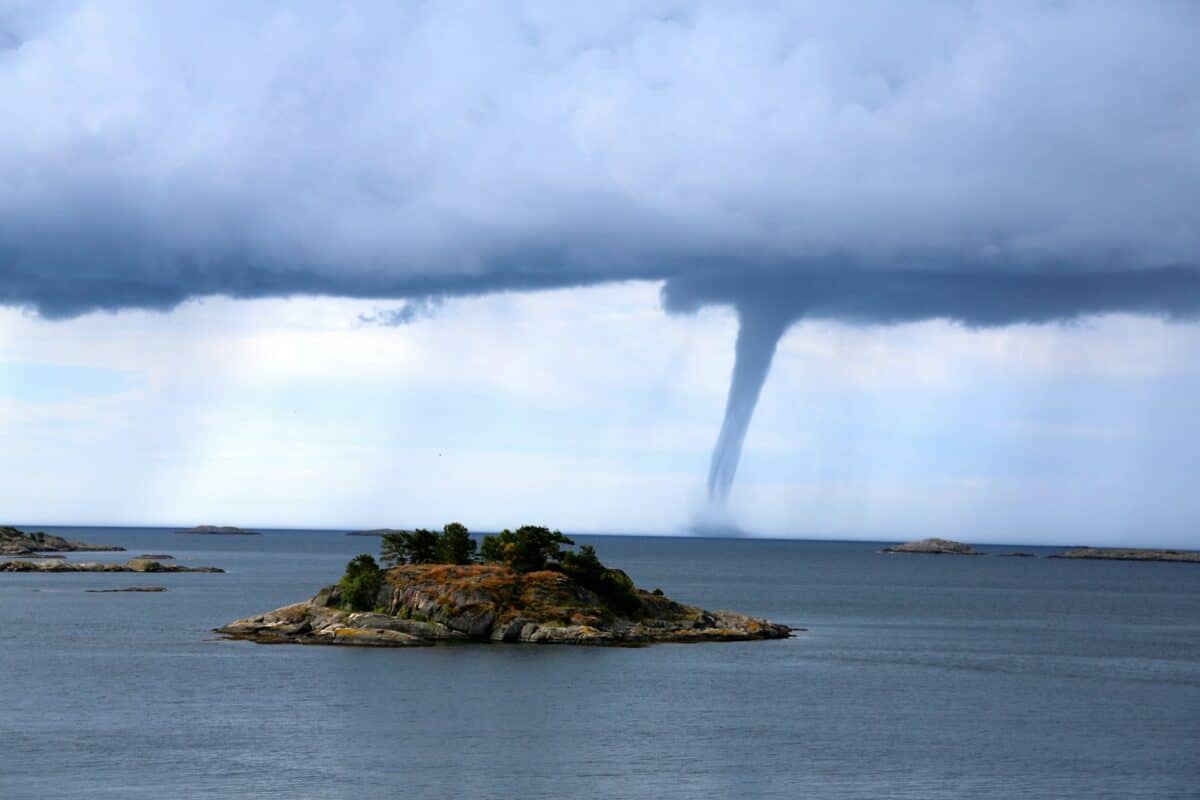
Knowledge and preparedness are critical for surviving tornado events. Areas in the Midwest, prone to these severe weather occurrences, regularly engage in community drills and education programs. By understanding warning signs and having an actionable emergency plan, residents can increase their chances of staying safe during severe tornadoes.
The Role of Storm Chasers in Tornado Research

Beyond the thrill, storm chasing provides valuable data for meteorological research. Professionals equipped with technology document tornado formation and behavior, contributing to scientific understanding. The data collected has helped improve forecasting models, ultimately aiding in early warning systems for potentially devastating storms like the 1999 tornado.
Advancements in Tornado Prediction
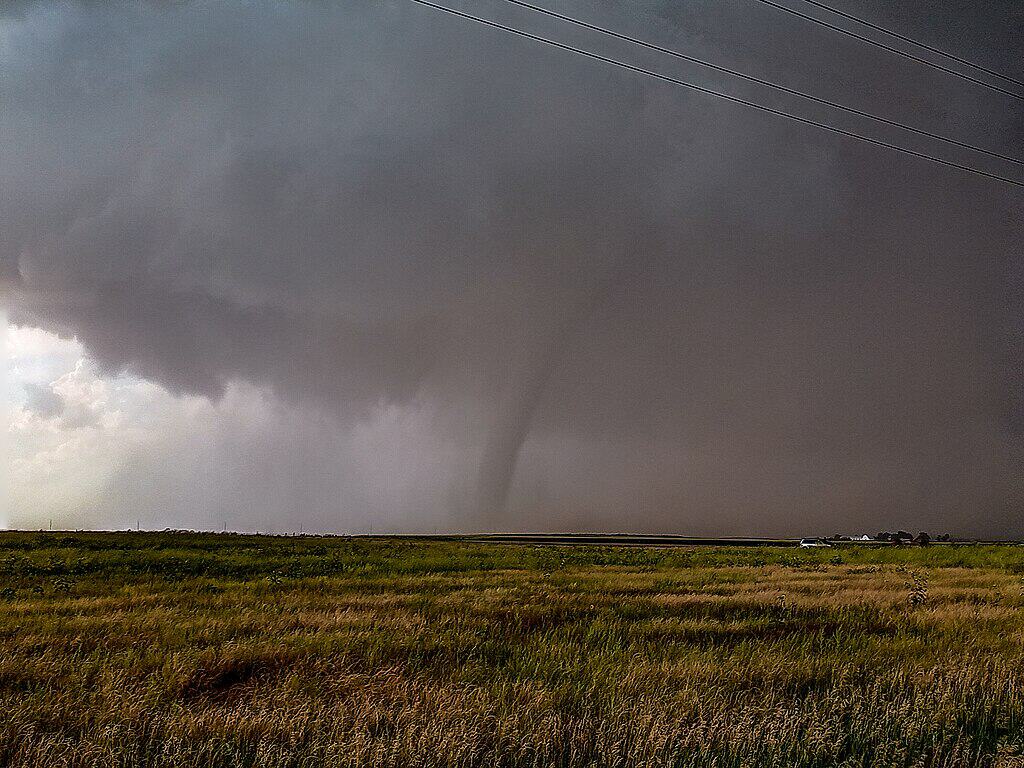
Tornado prediction has seen significant improvements over the years thanks to advances in technology and meteorological understanding. The precise tracking of weather systems has enabled earlier warnings, which are crucial for safety. Scientists continuously refine models to better anticipate conditions conducive to forming high-speed tornadoes, driven by such record-breaking events as the one experienced in 1999.
Community Resilience in Tornado-Prone Areas
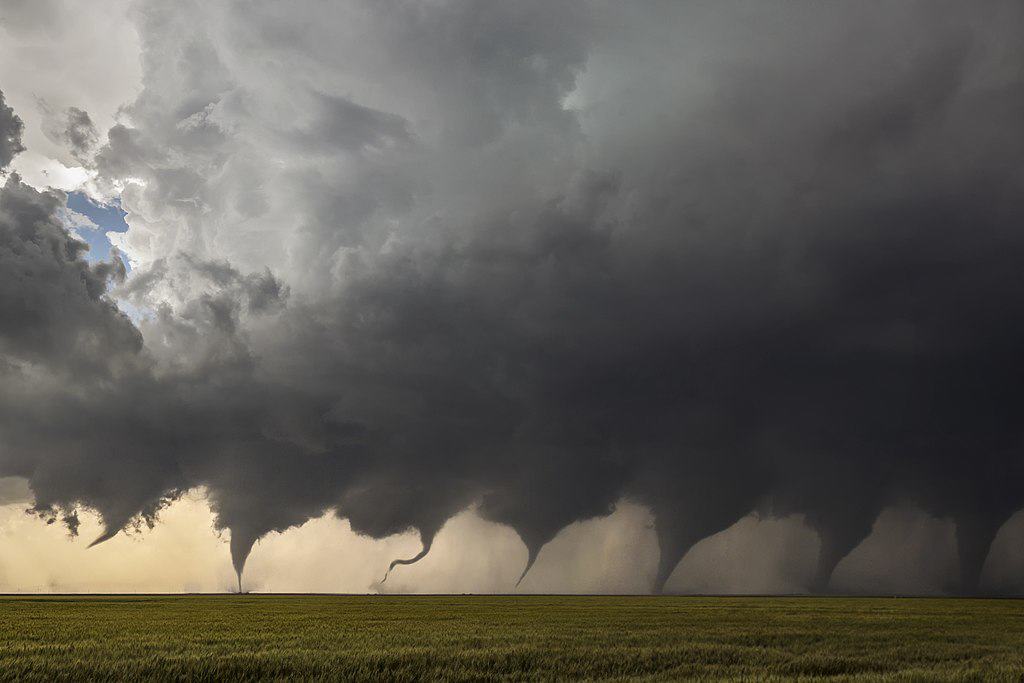
The aftermath of the 1999 tornado in Oklahoma showcased strong community resilience. Reconstruction efforts were swift, and community support played a crucial role in recovery. These efforts emphasize the importance of solidarity and preparedness in the face of natural disasters.
Lessons Learned from the Fastest Tornado

The record-breaking tornado emphasized the need for continued research and preparedness. It became a catalyst for advancements in early warning systems and highlighted the importance of community and governmental readiness. Understanding and planning for such events are essential to mitigate their inevitable effects.
Concluding Thoughts: Harnessing Knowledge Amidst Nature’s Fury

The fastest tornado in the Midwest remains a stark reminder of nature’s immense power. While we cannot prevent these events, we can learn from them, harness technology, and foster community preparedness. Through concerted efforts, the resilience of Midwesterners continues to shine, turning the fury of nature into opportunities for growth and knowledge.

- The Story of the Arctic Fox’s Incredible Seasonal Transformation - July 18, 2026
- 10 Most Venomous Snakes in US National Parks - July 18, 2026
- The Moth That Drinks Blood - July 18, 2026