

The changing landscape of our planet, driven by a whirlwind of environmental factors, continues to challenge the very ground beneath our feet. As we strive to understand these changes, scientists have highlighted new areas of concern, particularly focusing on urban centers that face the stark reality of sinking. Among them, a new city has recently garnered attention, ringing alarm bells about its susceptibility to this alarming trend. Let’s dive into this revealing exploration of the next U.S. city at risk of subsidence.
Understanding Urban Subsidence
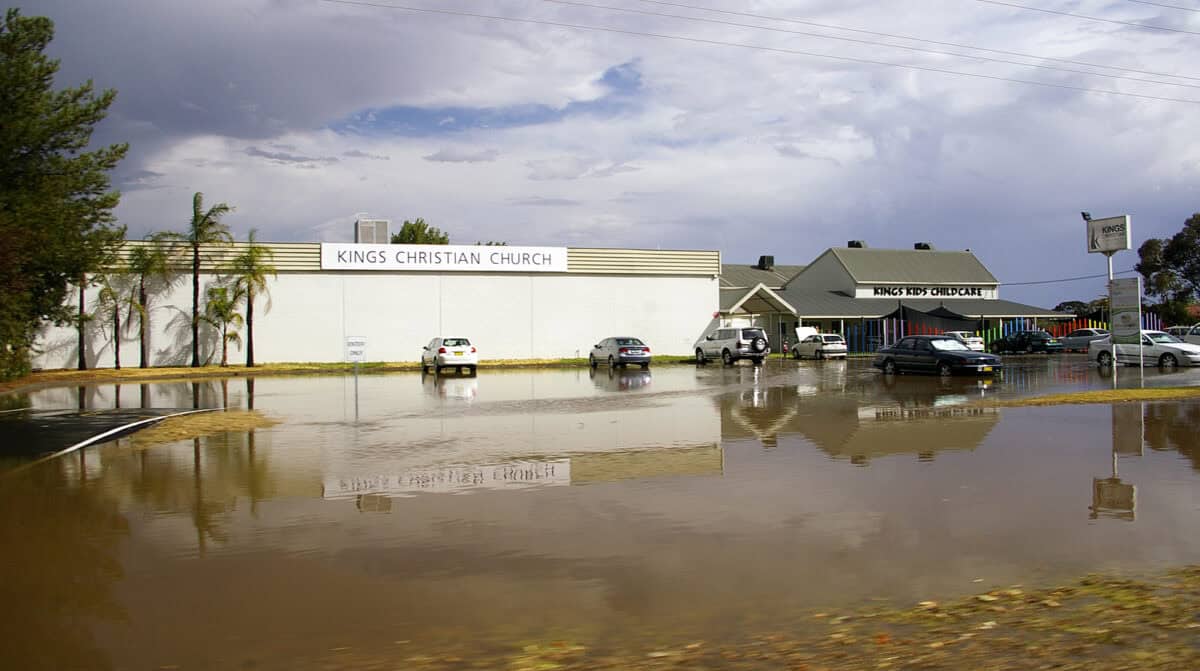
Urban subsidence refers to the gradual sinking or settling of the Earth’s surface in response to natural and human activities. This process can lead to significant infrastructural damage, posing immense challenges to city planners and communities alike. Factors contributing to subsidence include natural soil compaction, groundwater extraction, and tectonic activities.
The Role of Human Activities
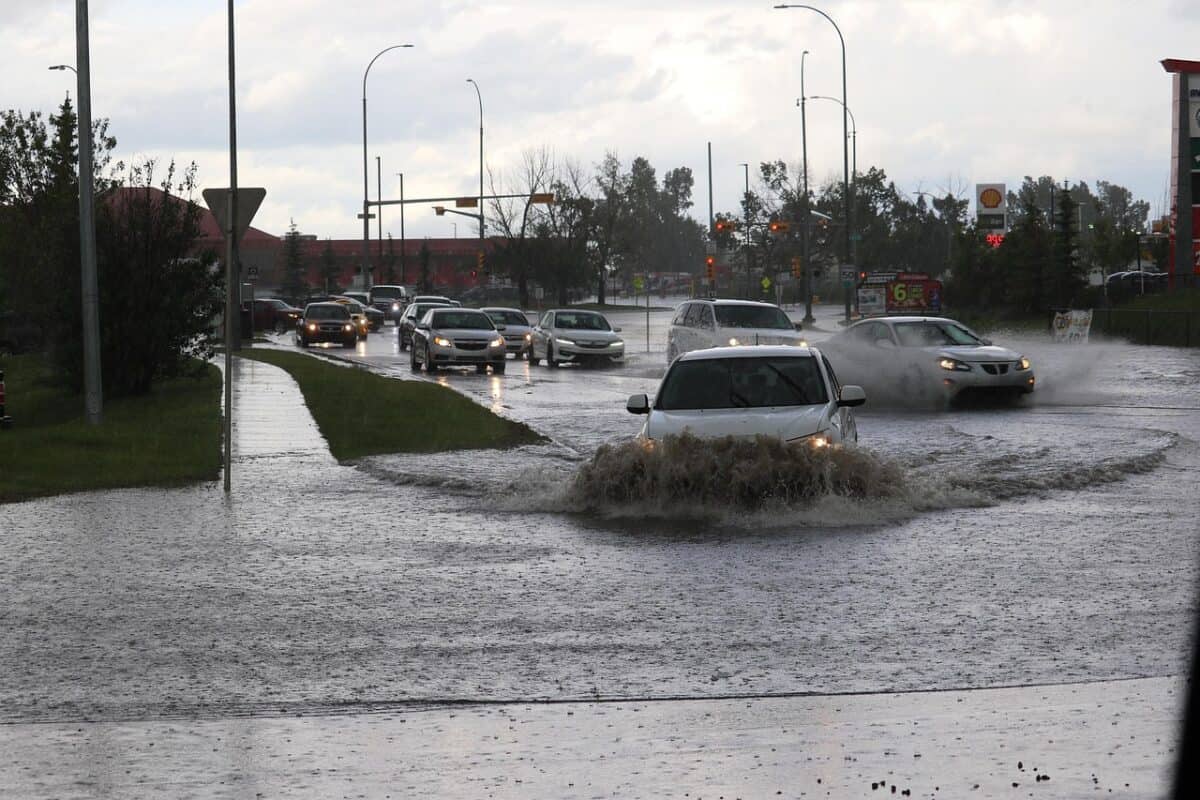
Human activities have dramatically affected the rate of subsidence in many urban areas. Over-extraction of groundwater for agricultural, industrial, and personal use is one of the primary contributors. When water is removed from underground aquifers at a faster rate than it can be replenished, it leads to a loss of support for the soil, causing it to settle or sink.
A Closer Look at Climate Change

Climate change exacerbates subsidence issues by increasing the frequency of extreme weather events and altering natural water cycles. Rising sea levels, coupled with more intense storms and flooding, can weaken the structural integrity of the ground, thus accelerating the sinking process in coastal areas.
A New City at Risk: Norfolk, Virginia

Recently, Norfolk, Virginia, has been identified as one of the next U.S. cities at significant risk of subsidence. Sitting at a low elevation and surrounded by water, Norfolk is particularly vulnerable to flooding and land sinking due to its geographical location and human-induced factors.
Why Norfolk is Vulnerable
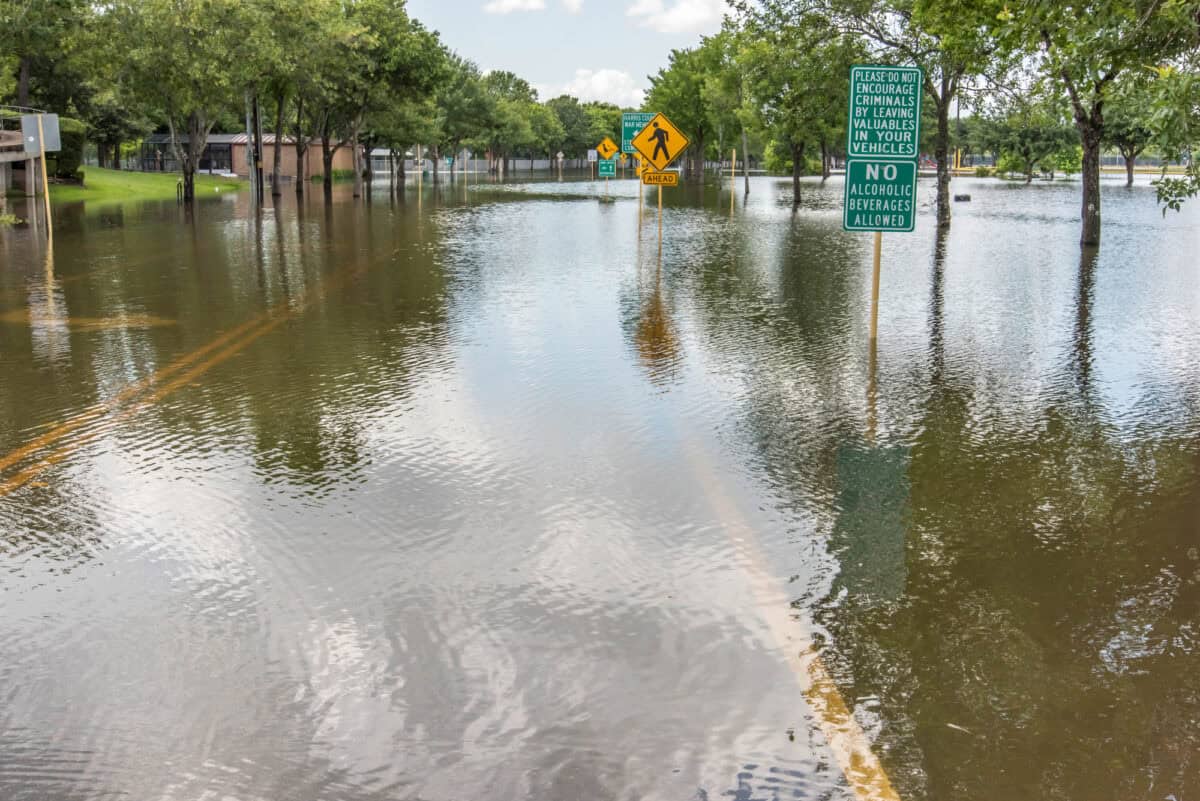
Norfolk’s vulnerability stems from a combination of natural and anthropogenic factors. Naturally, it’s located in a subsiding coastal plain that is also experiencing sea-level rise. Additionally, decades of groundwater extraction have aggravated the problem, further weakening its foundation.
Implications for Infrastructure

The threat of subsidence in Norfolk poses severe challenges to its infrastructure. Roads, bridges, and buildings may experience increased wear and damage, which can lead to costly repairs and upgrades. Moreover, the development of new infrastructure needs to consider the risk of subsidence to ensure sustainability and safety.
Economic Impact

The economic impact of subsidence can be significant, affecting property values and insurance costs. As the risk becomes more evident, homeowners and businesses may face higher insurance premiums, while the value of properties in high-risk areas could plummet.
The Human Element

Beyond economic and structural concerns, the sinking of Norfolk holds profound human implications. Communities may face displacement, and the increased threat of flooding could disrupt everyday life. Emergency services and disaster preparedness measures must adapt to ensure the safety and well-being of residents.
Signs of Hope: Mitigation Strategies

Fortunately, there are strategies to mitigate subsidence risks. Urban planners and scientists are collaborating to develop comprehensive approaches, including improved water management, the use of permeable materials in construction, and the implementation of advanced monitoring systems.
Adapting to a Sinking Reality

Adaptation is essential for regions like Norfolk facing subsidence. Implementing green infrastructure, restoring natural buffers like wetlands, and reevaluating current zoning laws can help reduce vulnerability, creating a more resilient urban landscape for future generations.
The Role of Technology
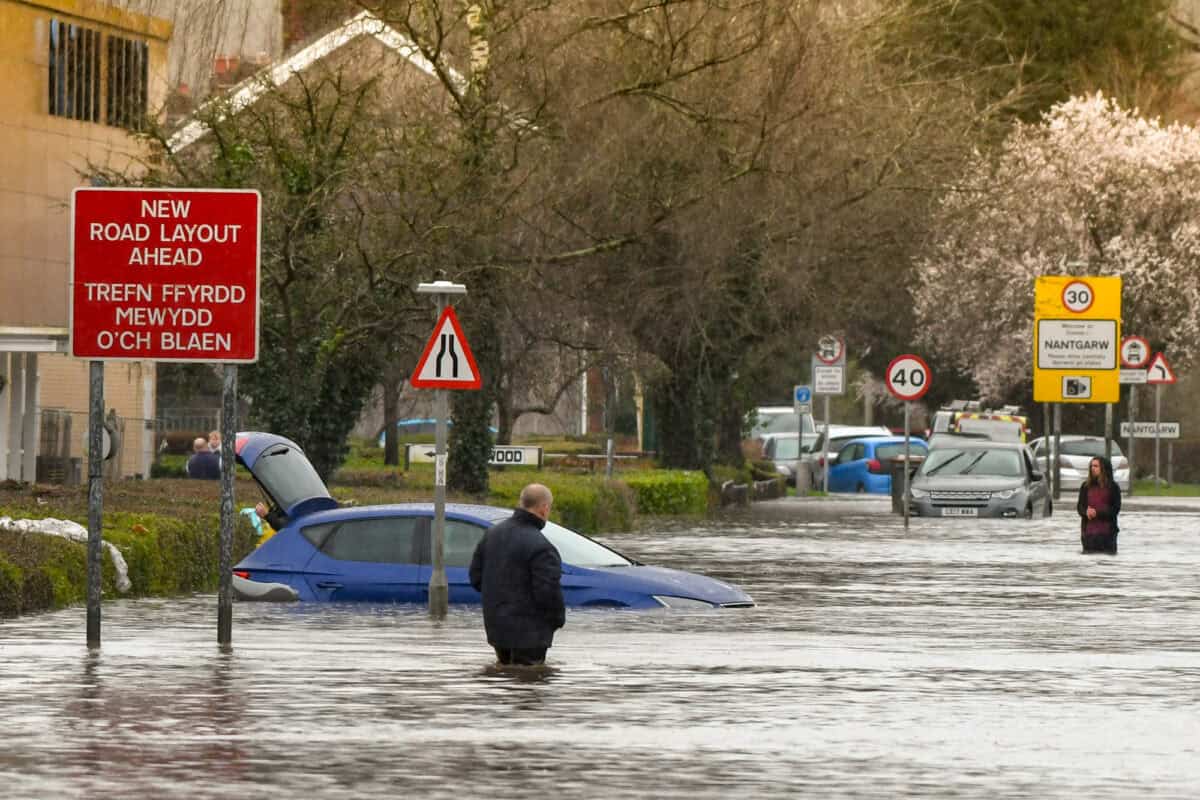
Advancements in technology provide powerful tools for understanding and combating subsidence. Satellite imagery, ground-penetrating radar, and computer modeling allow scientists to track subsidence patterns accurately and develop predictive models that help in efficient urban planning and disaster preparedness.
The Broader Picture
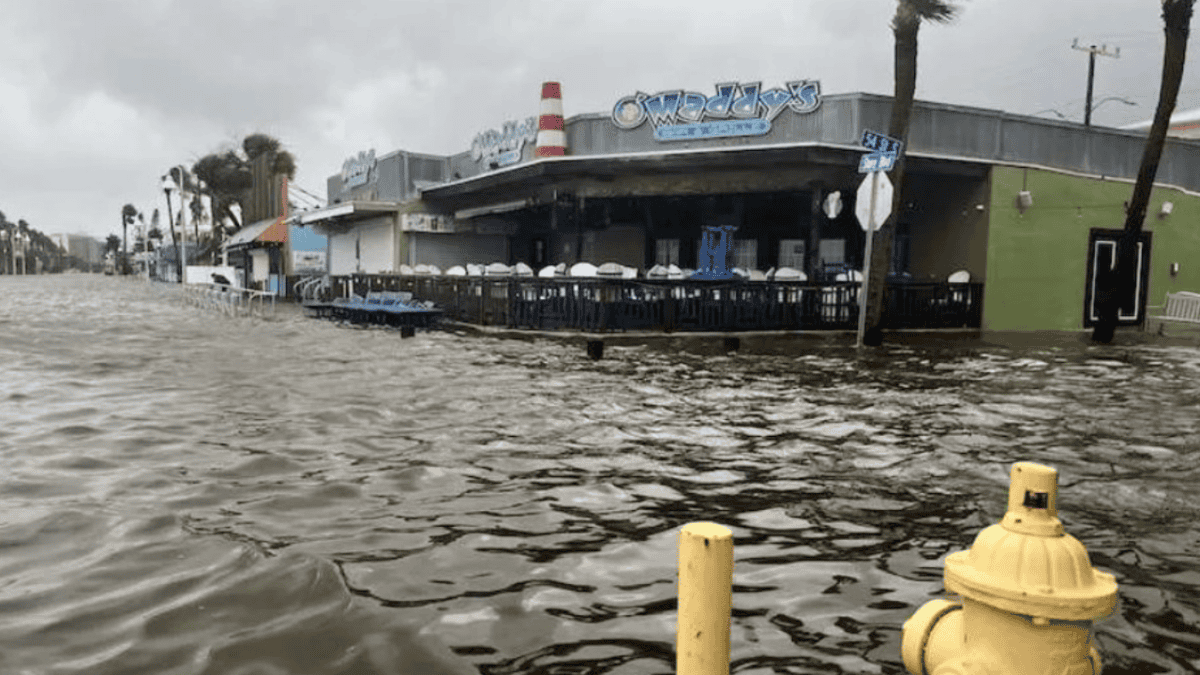
While Norfolk is currently in the spotlight, it serves as a cautionary tale for other cities facing similar threats. This situation underscores the urgent need for proactive measures and sustainable practices that address the root causes of subsidence while preparing communities for its impacts.
Conclusion: A Call to Action

The reality of sinking cities like Norfolk is a clarion call for both immediate action and long-term planning. Addressing the factors contributing to subsidence, investing in robust infrastructure, and fostering community resilience are crucial steps to safeguard the future of vulnerable cities. As these challenges continue to unfold, it becomes increasingly clear that a coordinated effort on local, national, and global scales is essential to tackle the sinking threat head-on.

- The Truth About Giraffes’ Silent Communication Skills - July 22, 2026
- 10 Fierce Animals That Match Elon Musk’s Fearless Ambition - July 22, 2026
- The Tortoise: A Symbol of Patience and Slow Movement - July 22, 2026