


When one thinks of dinosaur fossils, the arid landscapes of the Badlands or the vast plains of Montana often come to mind. However, the U.S. Midwest, known primarily for its rolling fields and agricultural depth, holds some of the most remarkable dinosaur discoveries that have surprised paleontologists and captivated public interest. From giant predators to rare herbivores, the Midwest’s fossil finds offer a glimpse into a prehistoric world that thrived millions of years ago. In this article, we explore some of the most astonishing dinosaur bones unearthed in this unexpected region.
The Mighty T. rex of South Dakota
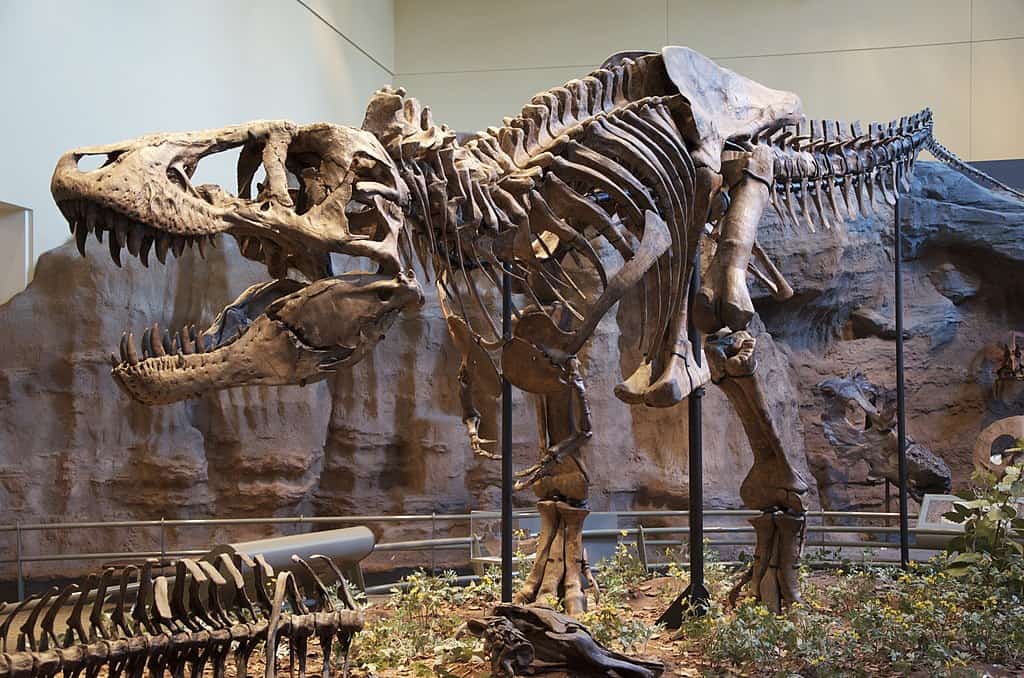
One of the most famous dinosaur finds in the Midwest is the Tyrannosaurus rex unearthed in the Black Hills of South Dakota. In 1990, Susan Hendrickson, a paleontologist, stumbled upon the remains of a T. rex that would later be named “Sue.” Remarkably, this discovery is one of the most complete T. rex skeletons ever found, with over 90% of its bones intact. The enormity and completeness of Sue provide invaluable insights into the physiology and lifestyle of these colossal predators.
The Duck-billed Dinosaur of Missouri

In the small town of Bollinger County, Missouri, a discovery made in 1942 turned out to be one of the most significant dinosaur finds in the state. The bones belonged to a Parrosaurus missouriensis, a species of hadrosaur or “duck-billed” dinosaur. These herbivorous dinosaurs roamed the lush landscapes of the region during the Late Cretaceous period. The Parrosaurus remains are notable not just for their size and completeness but also because they mark the first record of dinosaur bones discovered in Missouri.
Challenging the Classification with Dakota the Dinomummy
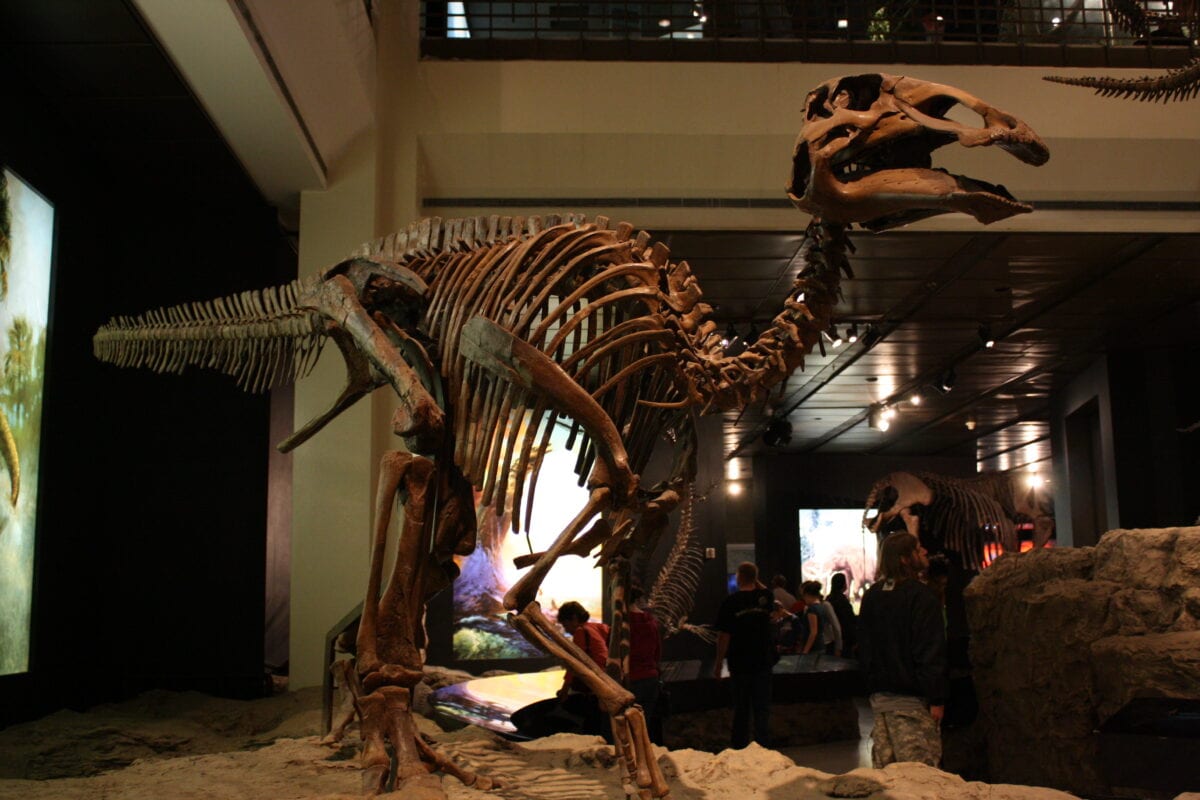
In 1999, a North Dakota teenage fossil hunter came across a rare find—a mummified hadrosaur that revealed skin impressions and possible muscle tissue. Nicknamed “Dakota,” this fossil forces scientists to reconsider the size, speed, and even the potential social behavior of hadrosaurs. Such exceptional preservation offers a rare opportunity to understand more than just bone structure. Dakota’s existence has provided new avenues of research into dinosaur connective tissues and external appearances.
Ohio’s Underwhelming yet Vital Crocodilian Find
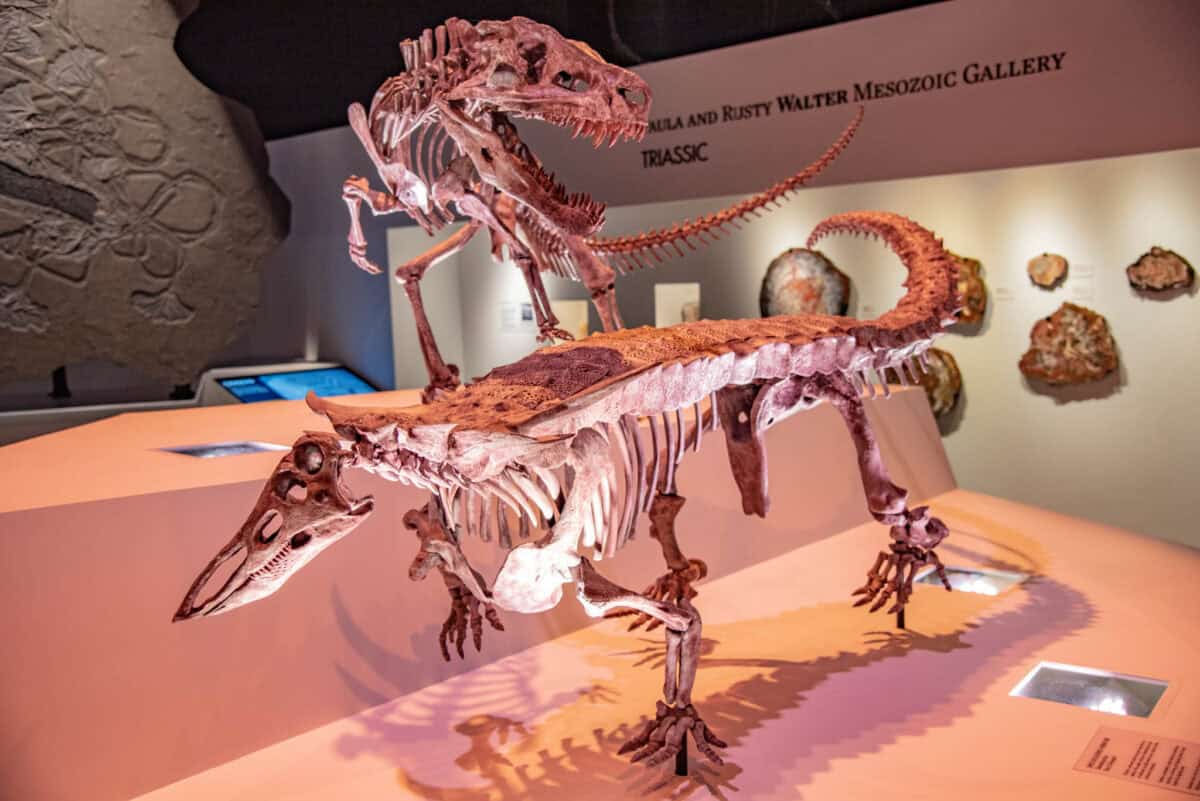
While not a dinosaur in the strictest sense, the Postosuchus from the Triassic period was a dominant predator similar to modern-day crocodiles. The discovery in Ohio of these remains is important for understanding the region’s transition from Triassic to Jurassic ecosystems. Though these finds may not have the sensational appeal of a towering dinosaur, they are crucial in piecing together the evolutionary history leading up to the age of dinosaurs.
Iowa’s Tiny Giant: The Nodosaur
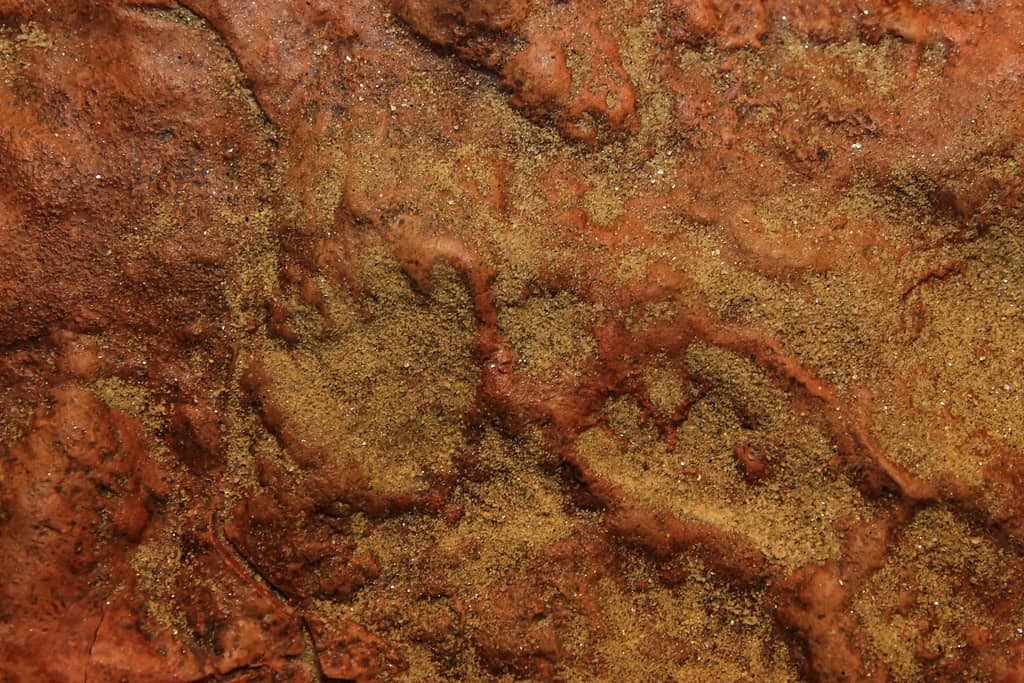
In 2002, a group of amateur fossil hunters in Iowa discovered the bones of a nodosaur, a heavily armored, tank-like dinosaur. While small compared to other dinosaur giants, this discovery was pivotal due to its rarity and the insights it provides about the ecosystem that once inhabited the American Midwest. Nodosaurs had armors of bony dermal plates and were known for their staunch defense mechanisms against predators.
Hidden Treasures in Kansas’s Chalk Beds
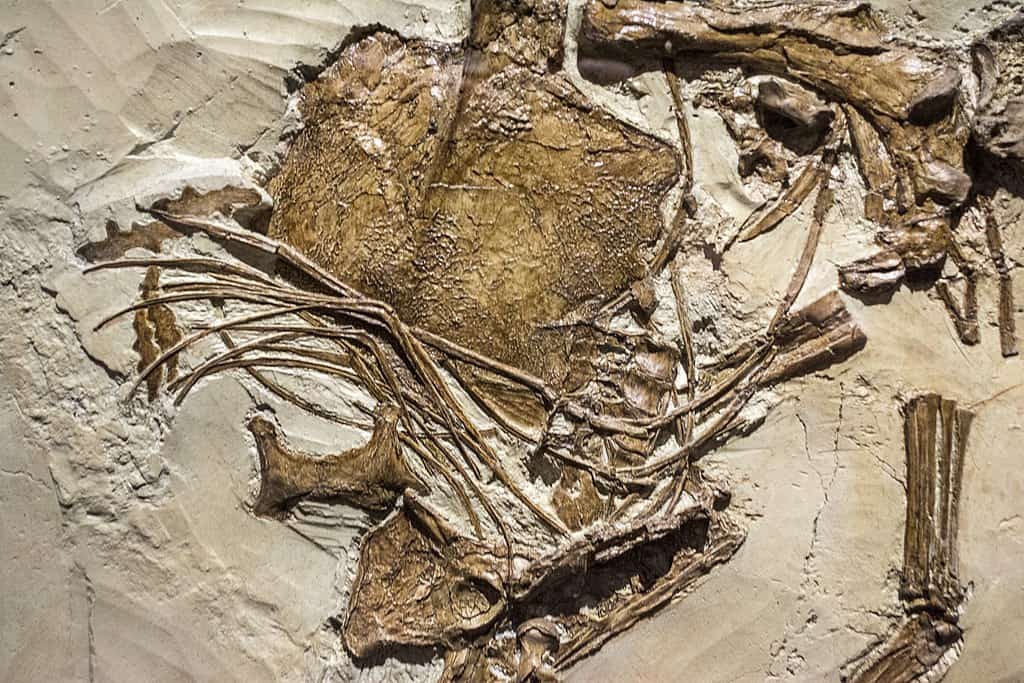
Though Kansas is usually associated with flat farmlands, it is home to spectacular Cretaceous deposits found in its chalk beds. Here, fossils of marine reptiles like mosasaurs and pterosaurs have been uncovered. The marine deposits shed light on the ancient inland seas and the dramatic environmental shifts that occurred as dinosaur species adapted to fluctuating ecosystems.
Michigan’s Mastodon Misunderstanding

While mastodons are mammals rather than dinosaurs, their frequent discovery in Michigan—and their initial confusion as dinosaur bones—deserves mention. These giant, prehistoric elephant-like creatures often found in the Midwest highlight how the confusion over the classification of fossils can happen, offering a humbling reminder of the complexities involved in paleontology.
Rare Fossil Finds in Nebraska’s Ashfall Beds

Nebraska’s Ashfall Fossil Beds offer a unique glimpse into a moment frozen in time due to a massive volcanic eruption. While not dinosaurs, the extensive array of prehistoric mammals encapsulated in volcanic ash, similar in process to discovering dinosaur bones, provides critical data on species evolution and extinction patterns. Finds here include three-toed horses and ancient rhinoceroses.
Discoveries in the Dinosaur Arbuckles of Indiana
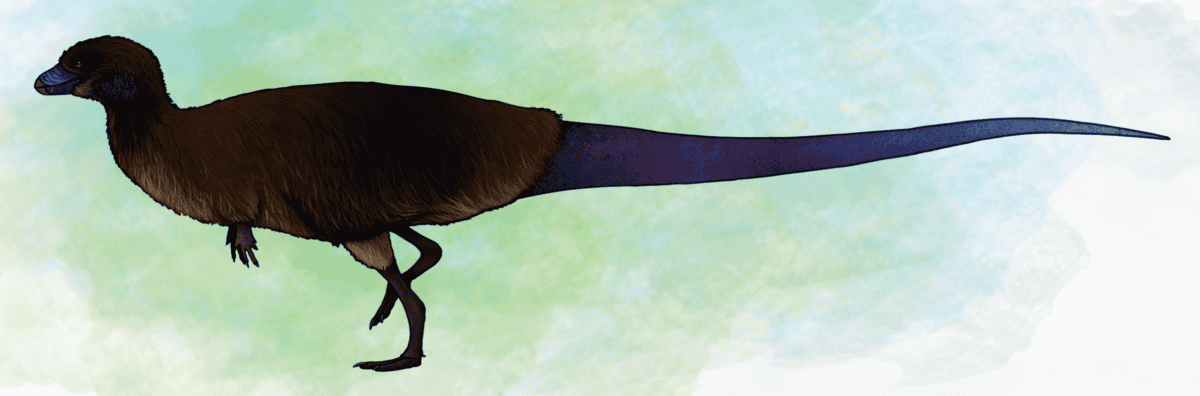
Indiana’s rare discovery of a lesothosaurus, a small, plant-eating dinosaur, sparks interest due to the rarity of such finds outside typical dinosaur fossil beds. Discovered in the substrata known as the Dinosaur Arbuckles, these small dinosaurs provide vital evidence of migration patterns and environmental changes spanning millions of years.
Minnesota’s Underestimated Bone Bed
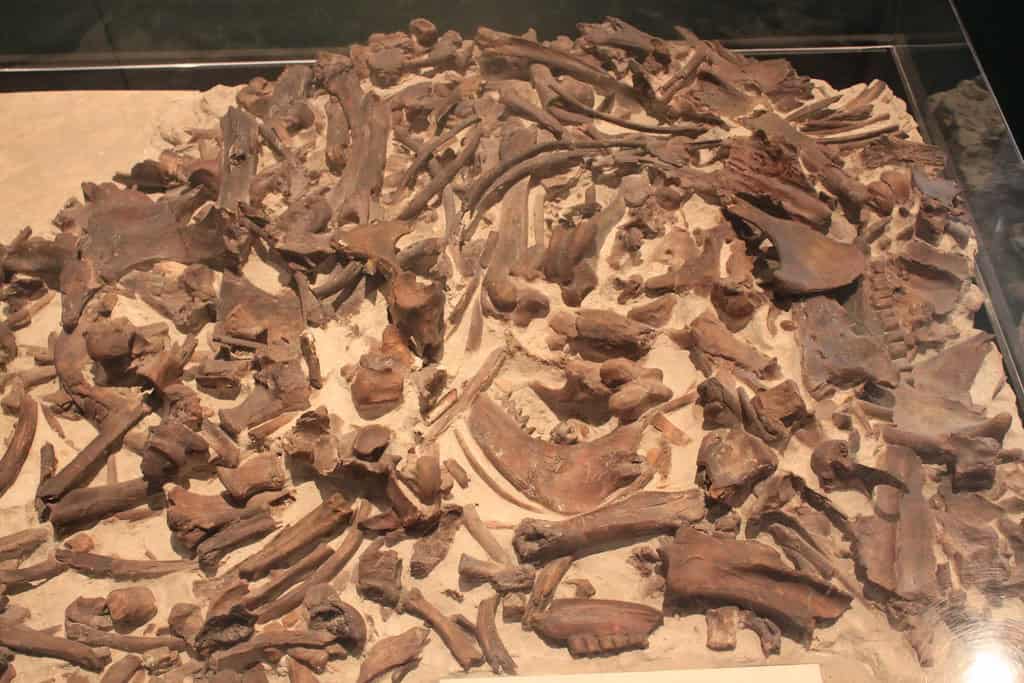
Minnesota is not typically viewed as a hub of dinosaur excavation, but smaller fossils have been discovered in recent years that potentially mark this state as a site for future significant finds. These uncoverings, mainly from late Cretaceous period layers, suggest hidden potential beneath the soil, encouraging fresh explorations.
Revolutionizing History with Illinois’s Carboniferous Creatures
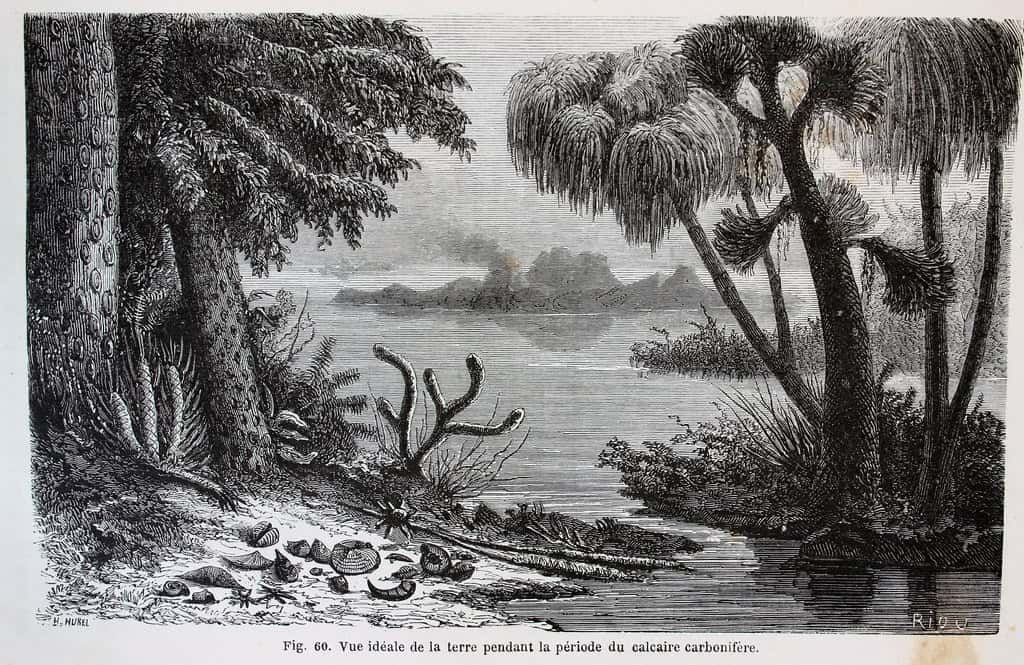
Fossils discovered in Illinois, spanning the late Carboniferous period, illuminate pre-dinosaur ecosystems. While primarily consisting of early amphibians and proto-reptilian creatures, these findings are vital for understanding the evolutionary precursors to the age of dinosaurs. Such discoveries remind us of the extensive history leading up to and following the dinosaurs’ reign.
Conclusion: A Midwest Full of Surprises

The dinosaur bones discovered across the Midwest carry tales of a bygone era when giant creatures roamed freely, morphing the landscapes we know today. These finds are not only fascinating relics of our past but also vital keys to unlocking Earth’s prehistoric mysteries. As paleontology progresses, there’s no telling what other remarkable findings may lie beneath the farmland and city streets of the Midwest, waiting to revolutionize our understanding of ancient life.

From exploring the marine wonders in the Azores and witnessing the vast savannas of Kenya, to delving deep into the rich biodiversity of South Africa and traversing iconic landscapes in Australia and the US like Yellowstone, Chris's experiences are vast.
With a penchant for diving alongside sharks, the ocean holds a special place in his heart.
Through his academic insights, he champions wildlife conservation, striving with 'Animals Around The Globe' to cultivate a profound connection between humans and animals, enhancing our mutual appreciation.
Connect with him at Feedback@animalsaroundtheglobe.com.
- Why Spiders Don’t Get Stuck in Their Own Webs - July 20, 2026
- What Scientists Found in a 10,000-Year-Old Beehive - July 20, 2026
- This Spider Builds Fake Decoys of Itself - July 20, 2026