
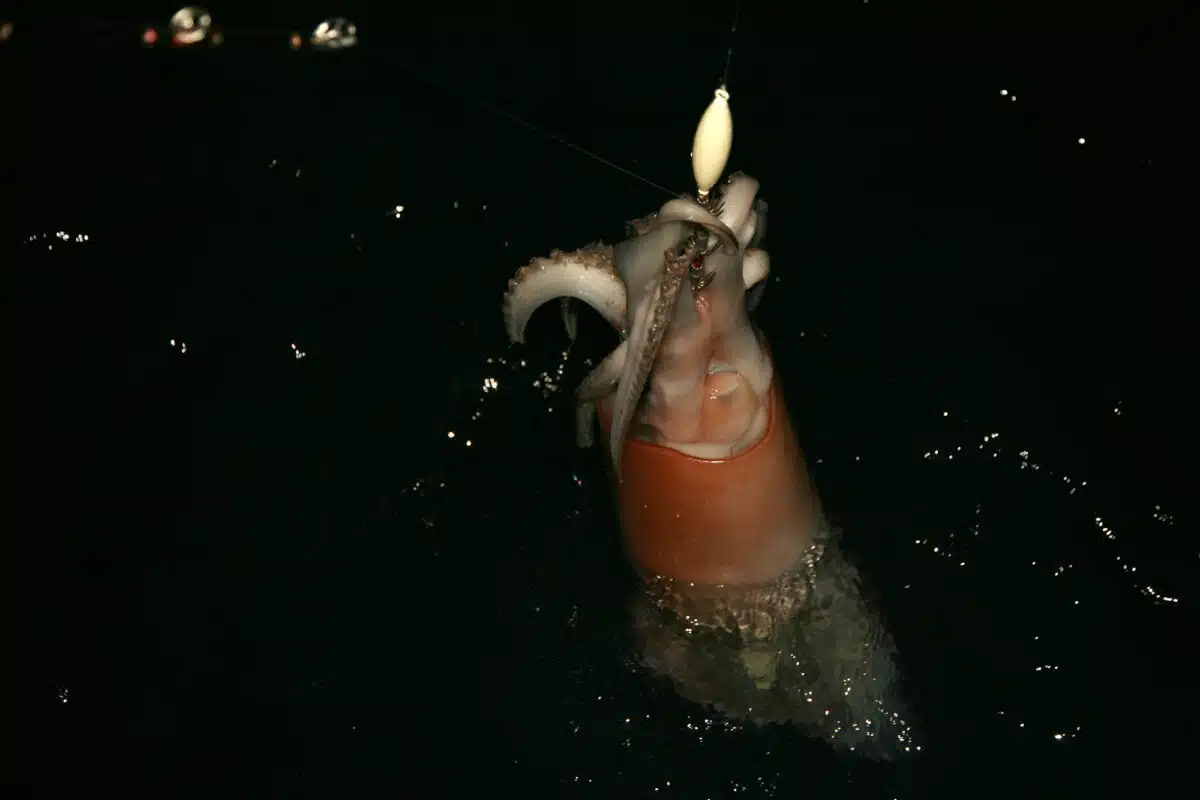
When it comes to wonders of the deep sea, few creatures capture human imagination quite like the colossal squid. Known for their immense size and elusive nature, these mysterious cephalopods continue to fascinate marine scientists and ocean enthusiasts alike. In the realm of American maritime history, one event stands out—the capture of the most colossal squid ever ensnared in U.S. nets. This article delves into every aspect of this extraordinary encounter, offering insights into the world of colossal squids and what their presence means for the scientific community.
The Discovery that Shook the Marine World

The capture of the gigantic squid in U.S. waters was a historic moment, drawing significant attention from both scientists and the general public. This impressive catch was a rare opportunity to study a creature that is notoriously hard to observe in its natural habitat. Caught off the coast of the United States, this specimen became a focal point for research, illuminating numerous aspects of deep-sea life and challenging previous assumptions about colossal squid behaviors.
Understanding the Colossal Squid

The colossal squid, scientifically known as Mesonychoteuthis hamiltoni, belongs to the family Cranchiidae. These creatures are native to the cold Antarctic waters, typically inhabiting depths where direct observation is challenging. They are distinct from their relatives, the giant squid (Architeuthis dux), both in physical characteristics and behaviors.
Size and Weight: Defining Colossal
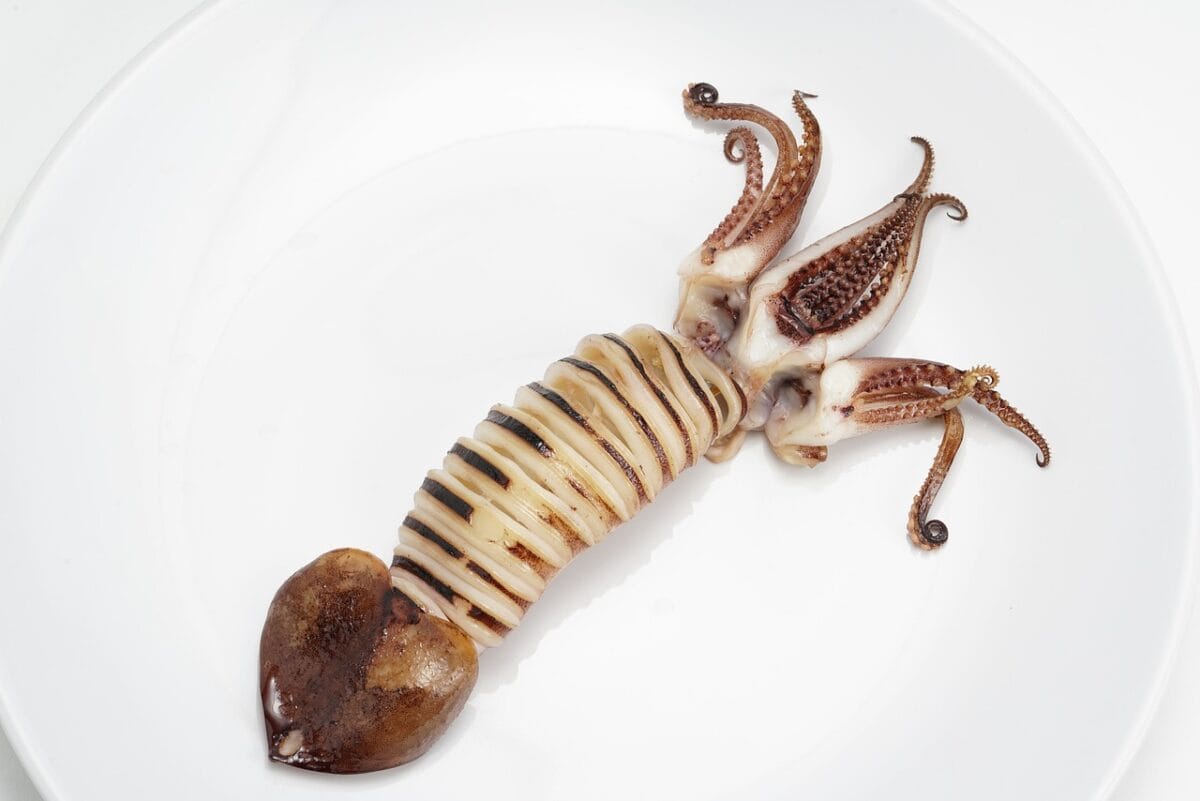
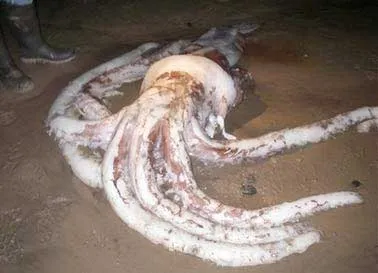
Measuring the colossal squid captured in U.S. nets revealed its significant dimensions; it reportedly stretched over 30 feet long and weighed nearly 1,000 pounds. This makes it not only the largest squid caught in the United States but also one of the largest on record globally. Such discoveries feed into scientific discussions about the maximum size potential of these creatures.
Distinct Features of the Colossal Squid

Distinct from other squids, the colossal squid possesses several unique features that set it apart. It has the largest eyes in the animal kingdom, an adaptation believed to be beneficial for spotting prey in the dark depths of the ocean. Its limbs are armed with rotating hooks, providing a formidable means of capturing prey.
The Life Beneath: Habitat and Behavior

Colossal squids are elusive dwellers of the deep ocean, primarily residing in the frigid waters surrounding Antarctica. They are believed to be ambush predators, lying in wait for prey such as fish and smaller squids. Observing their behavior in the wild remains a challenge, with much of the information gathered from rare captures and occasional videos.
Diet and Hunting Methods

The diet of the colossal squid primarily consists of deep-sea fish and smaller squids. They utilize their large eyes and bioluminescent capabilities to identify and ambush prey. The squid’s diet provides insight into the ecological interactions occurring in the deep sea and contributes to our understanding of marine food webs.
Challenges of Studying Deep-Sea Giants

Studying colossal squids presents numerous obstacles, not least of which is their deep-sea habitat. Research relies heavily on specimens accidentally caught by deep-sea trawlers, which limits the possibilities for observation and study in natural environments. Advances in technology, such as remote-operated vehicles, are beginning to offer hope for more in-depth studies of these elusive creatures.
The Importance of Colossal Squid Research

Understanding colossal squids contributes to a broader comprehension of marine ecosystems. These creatures play a vital role at various ocean levels, and their study can provide insights into the health and dynamics of ocean environments. Moreover, this research aids in identifying significant changes and potential threats to marine biodiversity.
Technological Advances in Marine Exploration

In recent years, technological advancements have significantly improved the ability to explore deep ocean environments. Innovations such as autonomous underwater vehicles and sophisticated imaging techniques are paving the way for more comprehensive research into deep-sea species like the colossal squid. These tools are crucial for obtaining clearer insights into the intricate web of life under the sea.
Conservation Efforts and Challenges
Protecting colossal squids and their habitat is increasingly essential amidst ongoing environmental challenges. Climate change, pollution, and overfishing pose significant threats to the squid’s icy habitat. Conservation efforts are therefore paramount to ensuring that these enigmatic giants continue to thrive in their natural environments.
The Role of Public Fascination

The sheer size and mystery surrounding the colossal squid have sparked public interest and fascination, leading to increased attention and funding for research initiatives. Education and advocacy can help foster support for the protection of marine ecosystems, encouraging more sustainable practices that benefit creatures ranging from the smallest plankton to the largest squids.
The Future of Colossal Squid Research

Looking ahead, researchers are hopeful for a future where technology increasingly allows for the study of colossal squids in their natural habitats. As understanding grows, it will fuel ongoing discussions about environmental stewardship and the importance of safeguarding our planet’s rich variety of life, ensuring that future generations can appreciate these remarkable creatures.
In conclusion, the capture of the most colossal squid ever caught in U.S. nets was an extraordinary event that highlighted the mysteries of deep-sea life. As researchers continue to explore these enigmatic creatures, they unravel more of the ocean’s secrets, enhancing our understanding of the complex ecosystems that lie beneath the waves. By embracing new technologies and conservation efforts, we can protect these magnificent marine giants and ensure the health of our oceans for generations to come.

- What Happens If a Whale Dies in the Ocean? - July 21, 2026
- Why You Should Stop Feeding Ducks at the Park - July 21, 2026
- The Secret Language of Dolphins Decoded by Researchers - July 20, 2026