


The ocean is a realm of mystery and wonder, a place where light fades and bizarre life forms thrive in the darkness. The deep sea, in particular, is home to creatures so strange and otherworldly that they seem to defy the rules of nature. In this article, we delve into the depths to discover ten deep-sea creatures that shouldn’t exist—though we’re incredibly glad they do.
Anglerfish The Lure of the Dark

The anglerfish is perhaps one of the most iconic deep-sea creatures, featuring a bioluminescent lure that dangles in front of its bizarre face. This glowing appendage is used to attract prey in the pitch-black depths where it resides. Beyond its terrifying appearance, the anglerfish exhibits incredible adaptations, such as extreme sexual dimorphism and a mostly cartilage-based body structure.
Gulper Eel The Vacuum of the Abyss

Known for its enormous mouth, the gulper eel can swallow prey much larger than itself by unhinging its jaw. Its tail ends in a bioluminescent organ, possibly used to lure prey. In the dark seas, its flexible, expandable stomach allows it to take advantage of scarce feeding opportunities.
Vampire Squid The Master of Disguise
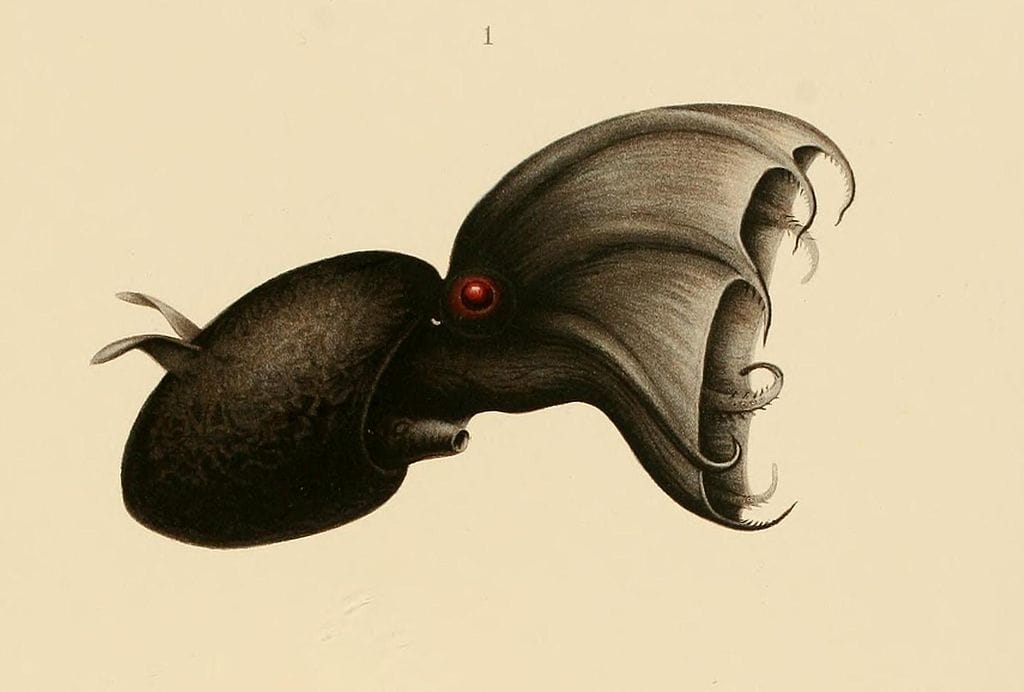
Don’t let the name scare you. The vampire squid isn’t bloodthirsty; rather, it’s an incredible example of adaptation. With its cloak-like webbing connecting the tentacles and the ability to turn itself inside out when threatened, it is equipped to survive harsh deep-sea conditions. Its deep red color and glowing photophores make it a stunning, yet ghostly resident of the deep.
Barreleye Fish The Transparent Marvel
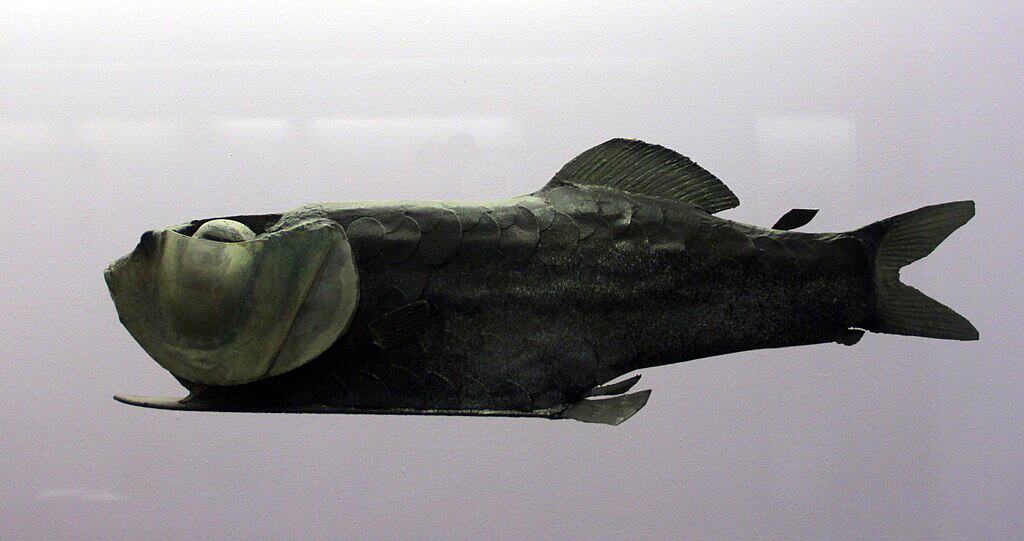
The barreleye fish boasts a transparent head, giving us a glimpse of its internal organs and eyes, which are encased in fluid-filled structures and can rotate upward. This adaptation allows it to detect the faint silhouettes of prey against the backdrop of dim light filtering from above.
Goblin Shark The Relic Predator

With a lineage stretching back 125 million years, the goblin shark is often likened to a “living fossil.” Its bizarre, elongated snout and protrusible jaws equipped with nail-like teeth make it both a fascinating and nightmarish predator. Found in the world’s deep and dark waters, the goblin shark’s appearance is nothing short of archaic.
Yeti Crab The Furry Deep-Dweller

Unlike any other crustacean, the yeti crab stands out with its “hairy” claws. Discovered near hydrothermal vents, it uses its setae—hair-like structures—to cultivate bacteria, which it then consumes. This creature exemplifies the unique adaptations necessary for life in such extreme environments.
Frilled Shark The Serpent of the Sea

Found in waters up to 1,500 meters deep, the frilled shark is another ancient species resembling an eel more than a shark. Its body is lined with frilly gills and equipped with backward-facing rows of sharp, trident-shaped teeth, allowing it to grasp slippery prey securely.
Dumbo Octopus The Adorable Anomaly
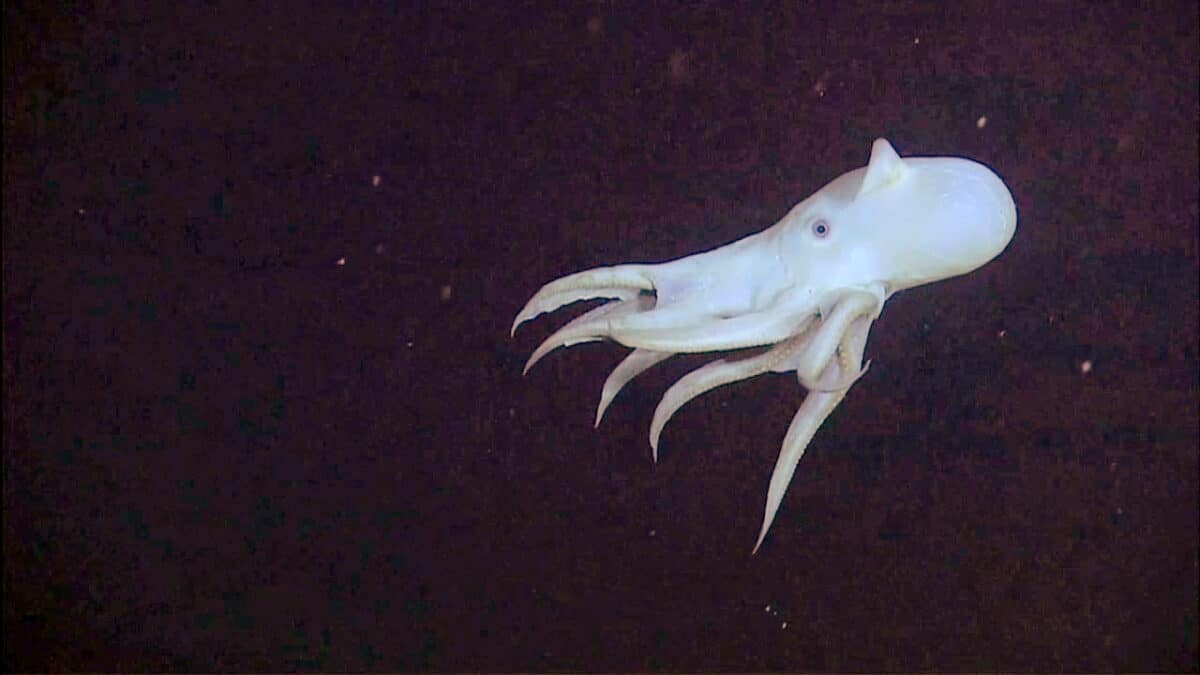
Named for its ear-like fins, reminiscent of Disney’s elephant character, the dumbo octopus can be found lurking at great depths. These creatures can live over 4,000 meters below the surface, and their unusual appearance makes them one of the cutest enigmas of the deep.
Dragonfish The Bioluminescent Predator
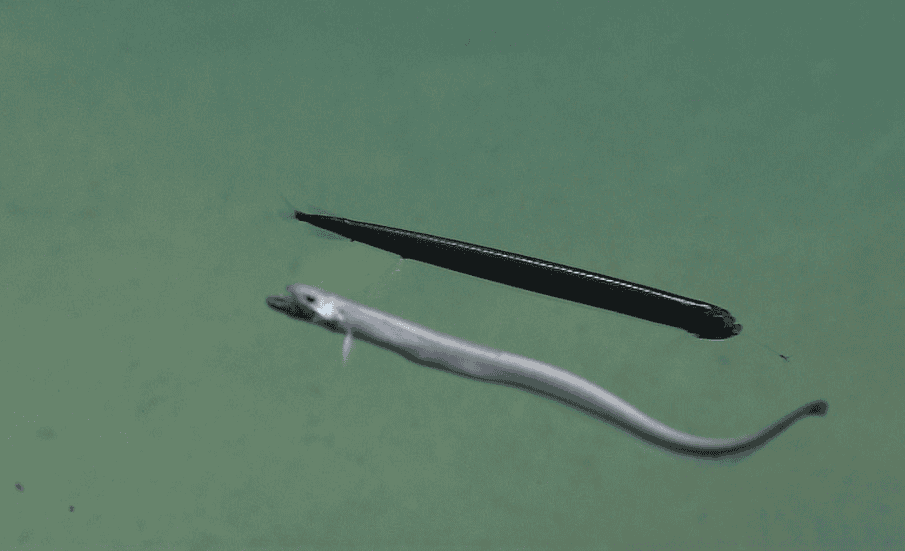
The dragonfish lurks in the deep sea with bioluminescent barbs and a unique ability to emit a red glow, a rare trait in the ocean. This ability allows it to see while being invisible to most prey, making it a successful hunter in the dark depths.
Sea Pen The Garden of the Depths
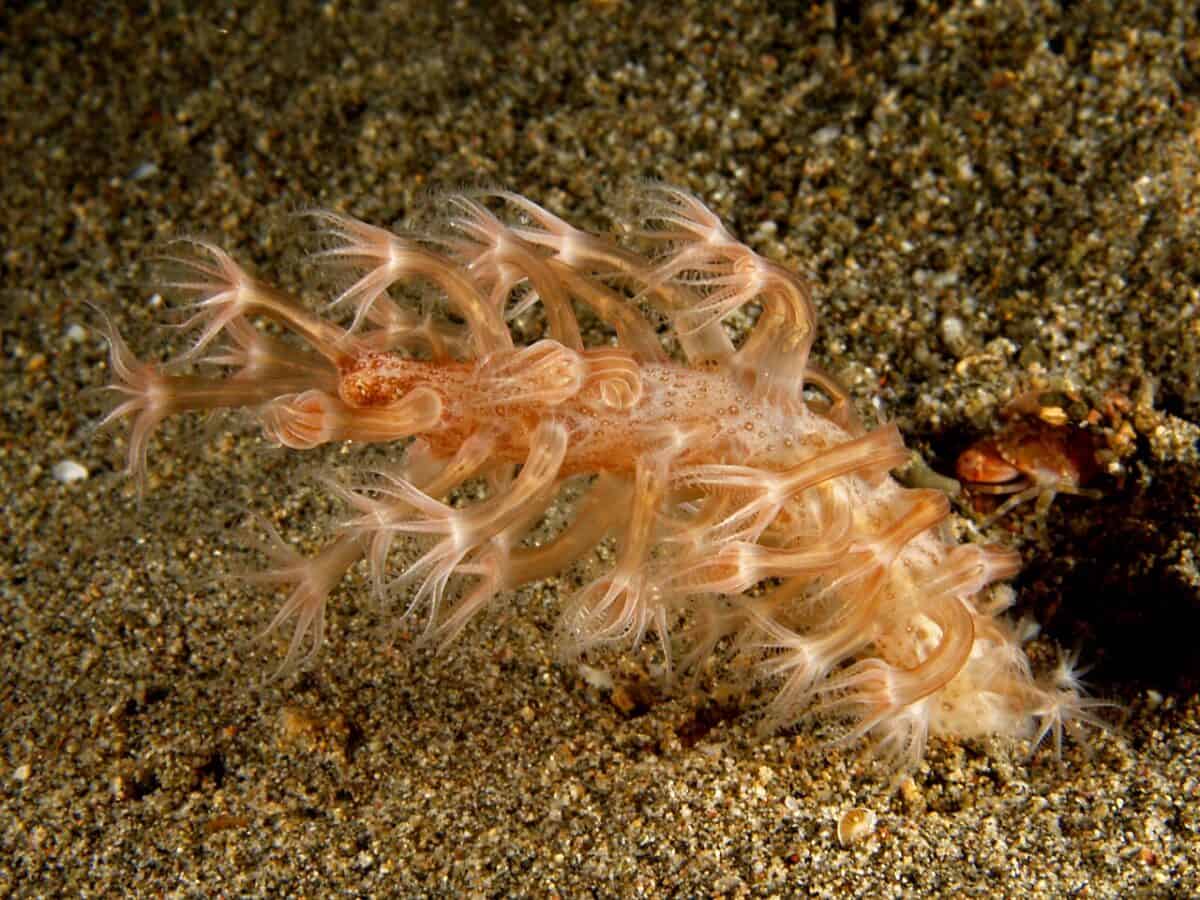
Resembling the quill of a pen, sea pens are soft corals that anchor themselves in the substrate of the ocean floor. Their feather-like branches harbor polyps that filter plankton, and when disturbed, they emit a ghostly green or blue light. This tranquil illumination reveals a hidden beauty in the ocean’s depths.
Cockatoo Squid The Transparent Traveler
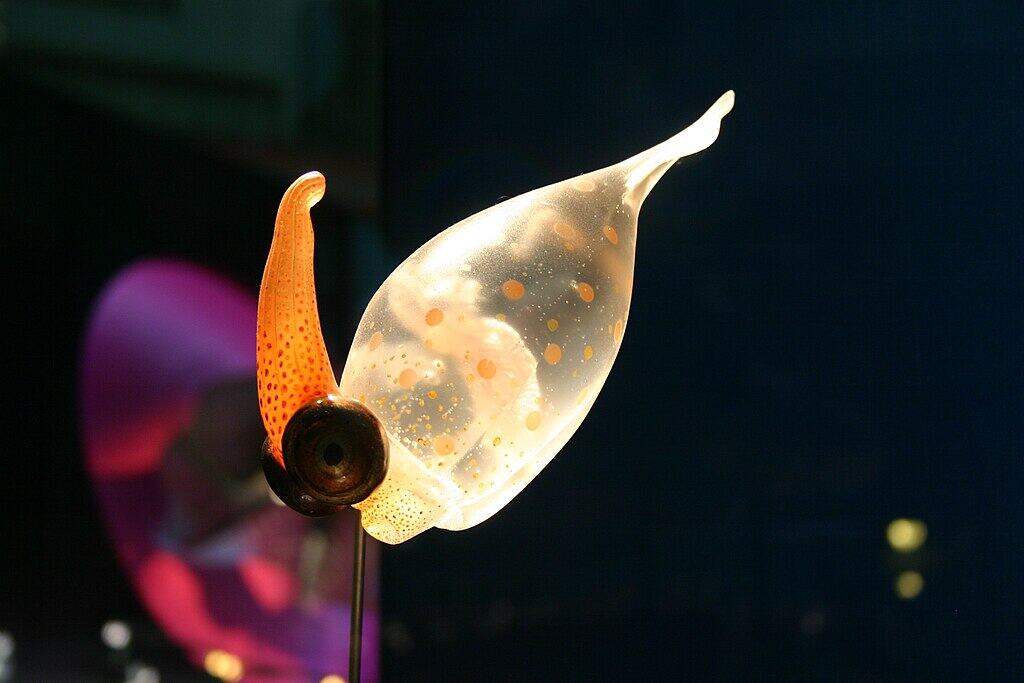
Also known as the glass squid, this unique creature is almost entirely translucent, which helps it avoid predators. It can fill its body with ammonia to aid buoyancy, allowing it to “hover” at different ocean depths. Its body shines with iridescent colors and patterns that are both mesmerizing and practical.
Conclusion: Hidden Wonders Beneath the Waves
The deep sea remains one of the last frontiers on Earth, with countless species waiting to be discovered. The creatures we’ve explored in this article are just a glimpse of the ocean’s vast and varied life forms, all uniquely adapted to their harsh environments. They might seem like something out of a science fiction tale, yet their existence is a testament to the incredible diversity and resilience of life. While these extraordinary beings might feel like they shouldn’t exist, their presence challenges and expands our understanding of biology and the possibilities of life on Earth.

As a little kid, I fell in love with nature, wildlife, and animals. Living in the USA, South Africa, Italy, China and Germany gave me the opportunity to discover the world's Wildlife. My favorite animals are Mountain Gorillas, Siberian Tigers, and Great White Sharks.
I'm a certified PADI Open Water Diver, went to Everest Base Camp and Trekked Gorillas in Uganda. I hold a Master of Science in Economics and Finance.
Please send any feedback to feedback@animalsaroundtheglobe.com
- 13 Cat Breeds That Get Along with Dogs - July 20, 2026
- The 12 Largest Dog Breeds That Still Love to Cuddle - July 20, 2026
- 12 Pet Habits That Secretly Mean They Love You - July 20, 2026