


The vast reaches of space have long captured human imagination, from the distant twinkling stars to the exploration of our planetary neighbors. However, alongside the marvels of space exploration comes a lesser-known, yet equally fascinating aspect: space debris. As humanity continues to venture beyond our home planet, pieces of defunct satellites, spent rocket stages, and other fragments occasionally make their way back to Earth. In this article, we will explore 12 notable instances when space debris fell to our planet, tracing the journey from the cosmos back to the soil, and offering insight into the consequences and implications of space junk reentry.
Skylab Crashes in Australia (1979)

One of the most famous incidents involving space debris was the Skylab crash in 1979. Skylab, America’s first space station, had served its purpose but eventually succumbed to the relentless pull of Earth’s gravity. As it re-entered the atmosphere, large parts of Skylab were not burned up and instead ended up scattered across the sparsely populated region of Western Australia. Fortunately, there were no injuries, but pieces of the station were found over a wide area, including a sizable chunk that landed near the town of Esperance.
Cosmos 954 and the Canadian Wilderness (1978)

The reentry of Cosmos 954, a Soviet reconnaissance satellite, was particularly concerning due to the nuclear reactor it carried on board. When contact was lost with the satellite, it spiraled back to Earth, spreading radioactive debris across the Northwest Territories of Canada. A large-scale cleanup operation was launched, which took months and cost millions. This incident underscored the dangers of nuclear technology in space and prompted changes in international policies regarding the use of nuclear power on satellites.
The Tiangong-1 Descent (2018)
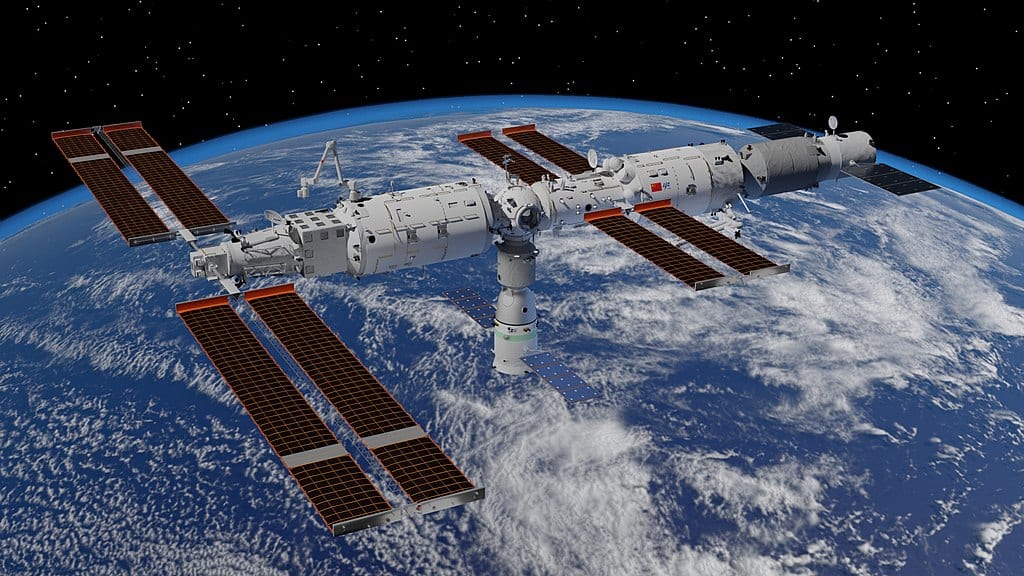
Tiangong-1, China’s first prototype space station, faced an uncontrolled reentry in 2018. After completing its mission, the station lost communication and began descending back to Earth. With a mass of about 8.5 metric tons, the debris was expected to fall somewhere in the South Pacific Ocean. Monitoring agencies across the globe kept a close watch, and ultimately, Tiangong-1 re-entered the atmosphere over the ocean, burning up with minimal effects on populated areas.
Fengyun-1C and Its Aftermath (2007)
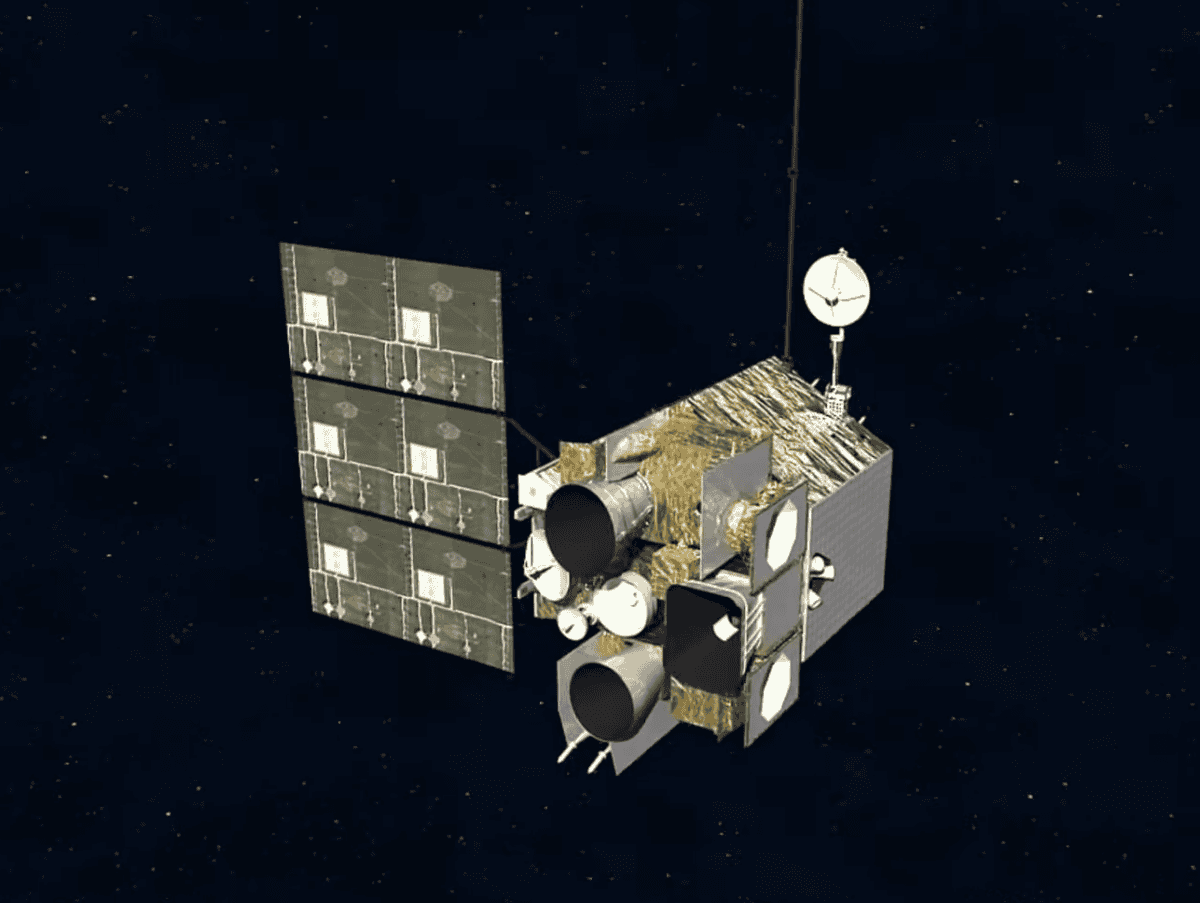
In 2007, China conducted an anti-satellite missile test on one of its own weather satellites, Fengyun-1C. The resulting explosion created over 3,000 pieces of sizable debris, many of which remained in orbit for years. Some of these pieces eventually fell to Earth, raising global concerns about the creation of space debris and its potential dangers. This event highlighted the need for international cooperation and responsible space practices.
UARS Satellite Reentry (2011)

NASA’s Upper Atmosphere Research Satellite (UARS) was launched in 1991 and decommissioned in 2005. In 2011, it made an uncontrolled reentry, with NASA estimating that about half its mass could survive reentry and reach the Earth’s surface. Fortunately, most of the satellite debris fell harmlessly into the Pacific Ocean, far from any populated areas, showcasing the randomness of space debris impacts.
GOCE’s Graceful Return (2013)
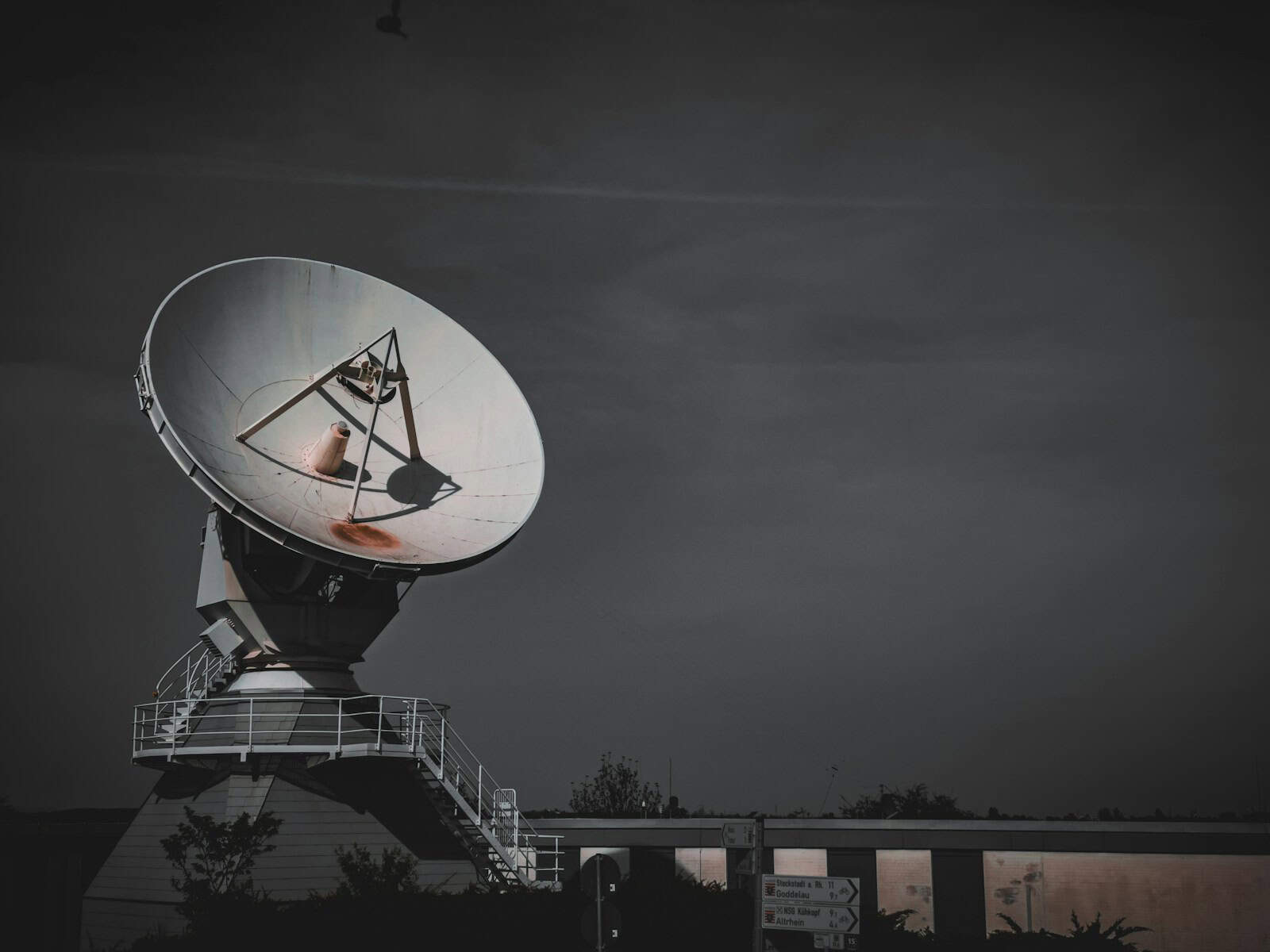
The Gravity Field and Steady-State Ocean Circulation Explorer (GOCE), launched by the European Space Agency, had an impressive and precise descent. Its mission ended in 2013, and despite lacking propulsion, GOCE’s aerodynamic design allowed it to enter the atmosphere smoothly, with debris disintegrating and posing no threat. This controlled demise was an example of effective end-of-mission planning.
Ariane 5 Rocket Stage (2000)

A part of an Ariane 5 rocket stage made headlines in January 2000 when it crashed into the African nation of Côte d’Ivoire. Weighing nearly a ton, the debris fell in a remote area, surprisingly causing no injuries or fatalities. This incident highlighted the unpredictable nature of space debris re-entry and prompted discussions around improving tracking technologies.
Meteor-3 and Its Spectacular Fall (2009)

In 2009, fragments of the Russian Meteor-3 weather satellite re-entered the atmosphere, creating a startling light show over Canada. The remains lit up the night sky as they disintegrated, marking another uncontrolled reentry of space debris. The incident was not only a visual spectacle but also emphasized the unpredictable nature of returning space hardware.
Malaysia Airlines Flight and Space Debris (2001)

In 2001, a commercial flight between Tokyo and Kuala Lumpur had a close encounter with space debris. The pilots witnessed bright objects resembling fiery trails entering the atmosphere, later identified as debris from a Russian rocket reentering the Earth’s atmosphere. This rare event illustrated the potential risks of space debris to aviation.
Cosmos 1402’s Nuclear Dangers (1983)

Another harrowing incident occurred in 1983 with the reentry of Cosmos 1402, a Soviet satellite with a nuclear reactor onboard. Fears of radioactive contamination loomed as it spiraled back to Earth. Although most of the satellite burned up over the South Atlantic Ocean, the remnants of its nuclear reactor raised global concerns about nuclear waste management in space missions.
Delta II Rocket Stage over Texas (1997)
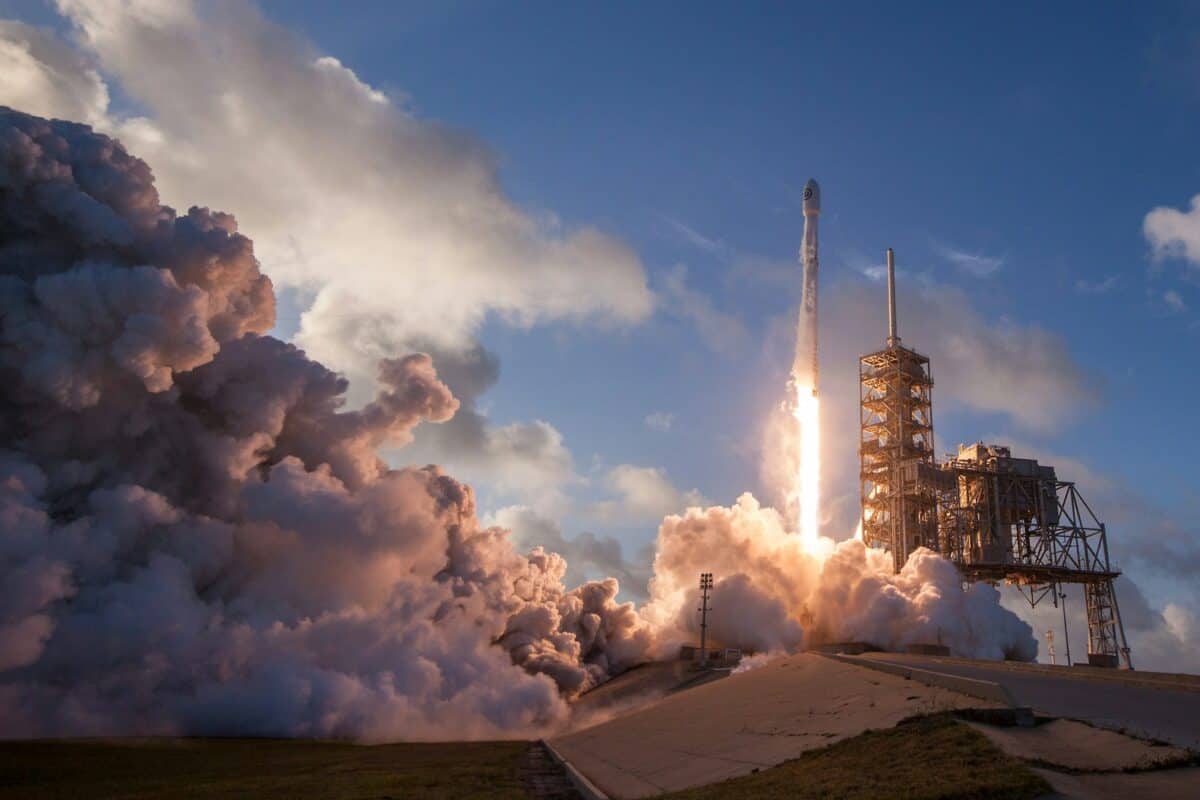
In January 1997, a spent Delta II rocket stage fell over Texas and Mexico, with a 570-pound piece landing just outside the town of Georgetown, Texas. The debris created a significant media buzz, particularly as it fell close to populated regions. This incident reinforced the importance of predicting and managing the reentry of space hardware.
Total Eclipse of the Russian Satellite (2012)
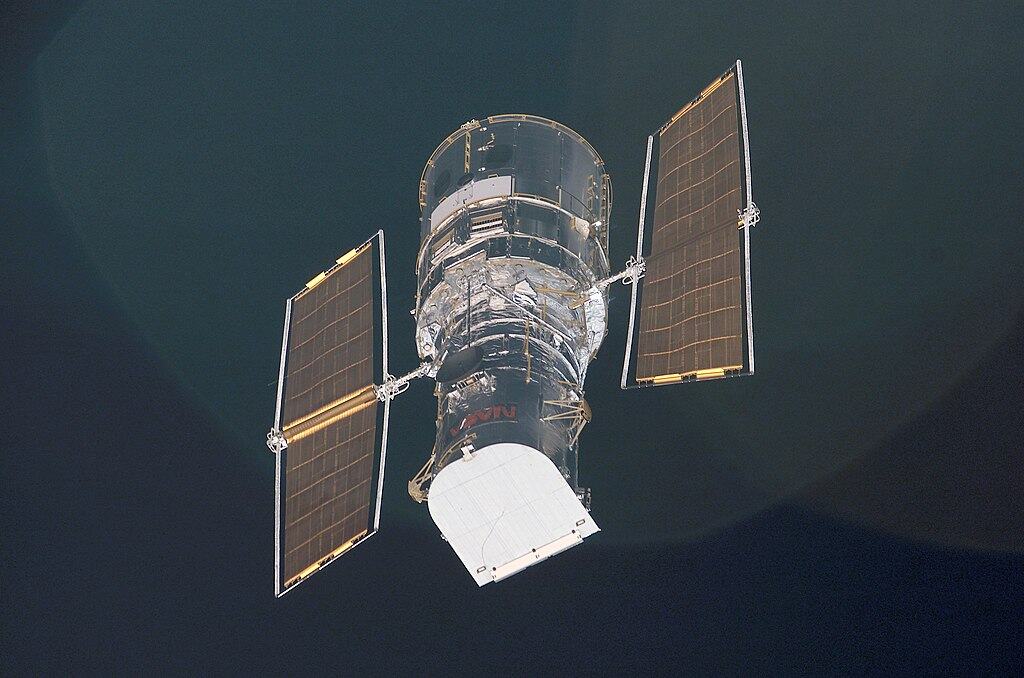
When the Russian communication satellite Meridian 5 failed shortly after its launch in 2012, it tragically and fatefully returned to Earth, with debris landing in a remote Siberian village. The dramatic fallout, as compared to the intended positioning of the satellite, underscored the challenges of launching and safely decommissioning orbital devices.
Conclusion:

Space debris reentry remains a pertinent issue in our ever-growing exploration of space. While most debris burns up upon reentry, sizable fragments that reach the Earth’s surface are frequent reminders of humanity’s reach into the cosmos. Protecting the tranquility of the skies demands close international collaboration and robust policy measures to ensure that space, the final frontier, does not become a debris-laden hazard.

As a little kid, I fell in love with nature, wildlife, and animals. Living in the USA, South Africa, Italy, China and Germany gave me the opportunity to discover the world's Wildlife. My favorite animals are Mountain Gorillas, Siberian Tigers, and Great White Sharks.
I'm a certified PADI Open Water Diver, went to Everest Base Camp and Trekked Gorillas in Uganda. I hold a Master of Science in Economics and Finance.
Please send any feedback to feedback@animalsaroundtheglobe.com
- 10 Quirky Cat Behaviors — And 2 That Signal Discomfort - July 13, 2026
- 13 Facts About Animal Migration That Will Amaze You - July 13, 2026
- 13 Survivors Animals That Lived Through the Impossible - July 13, 2026