
The recent flood that swept through parts of America was not just a natural disaster but a historic event, capturing the attention of the nation and the world. This flood deemed the deepest in a century, reshaped landscapes, disrupted lives, and highlighted the urgent need for effective climate change mitigation strategies. As we delve deeper into this unprecedented environmental phenomenon, we uncover the intricate interplay between natural forces and human response.
The Setting of the Historic Flood

The flood affected several regions in the United States, with the Midwest and Southeast experiencing the most severe impacts. Unseasonably heavy rains, coupled with saturated ground conditions from a wet preceding season, led to riverbanks bursting and vast areas being submerged. This disastrous scenario unfolded over several days, leaving residents in shock and awe.
Weather Patterns Leading to Calamity
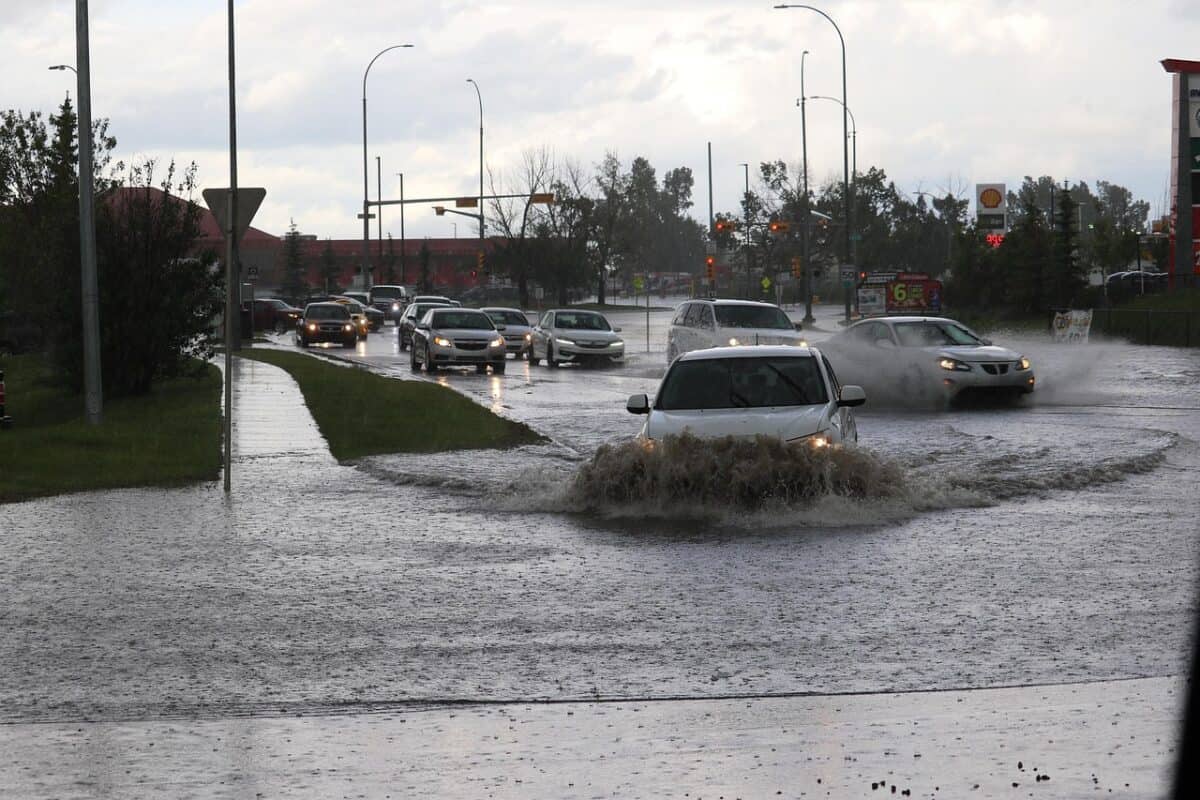
Several climatic factors aligned to create the perfect storm for this flood. A combination of atmospheric rivers, jet stream changes, and unusually high moisture levels contributed to the relentless rainfall. These weather systems, fed by climate change, intensified the severity of the flooding, marking this as an event of significant meteorological interest.
Comparisons to Past Floods

While America has encountered many floods over the last century, this one stood out in terms of depth and duration. Previously, the Great Mississippi Flood of 1927 held the record for devastation, but recent events have surpassed its impact, leading scientists and historians to reevaluate previous benchmarks of flood severity.
Impacts on Communities and Livelihoods
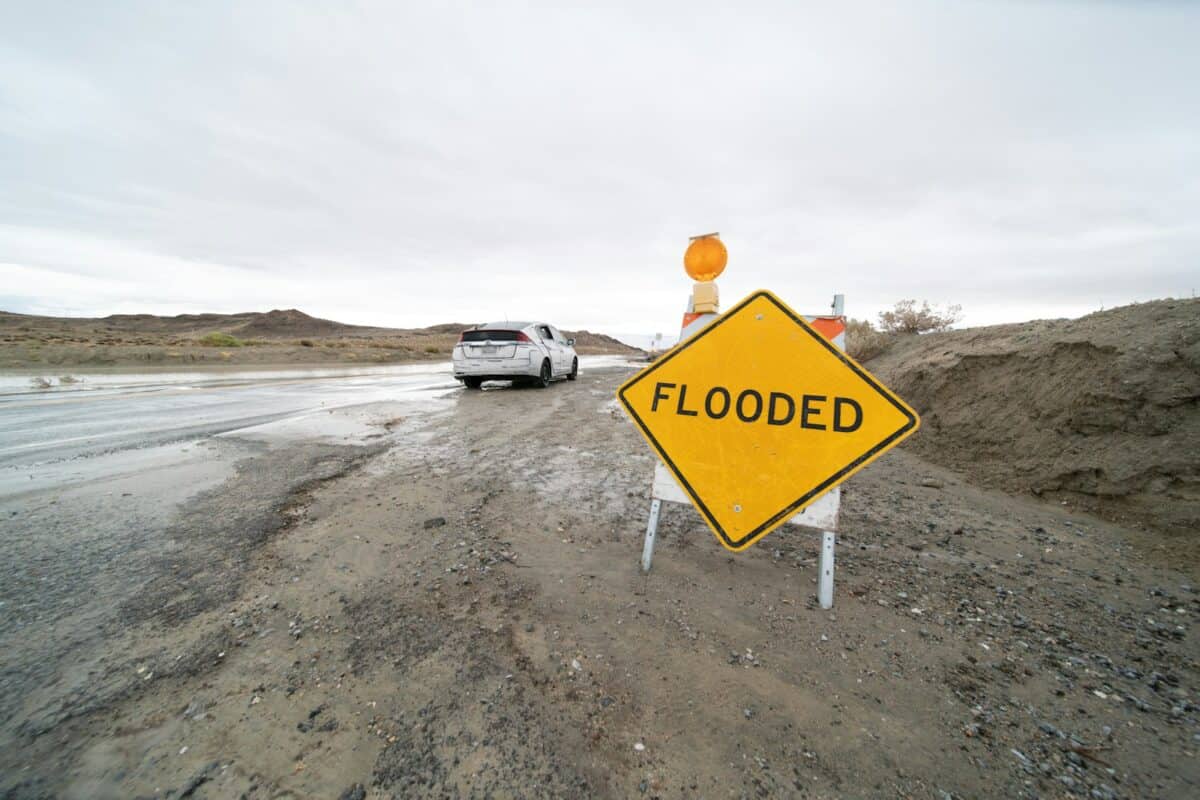
The human toll of the flood was substantial, with countless homes and businesses inundated. Community structures, including schools and hospitals, were severely affected, disrupting daily life and pointing to significant socioeconomic challenges ahead. As rescue operations commenced, stories of survival and loss highlighted the human spirit’s resilience.
Environmental and Ecological Consequences

Beyond human suffering, the flood had profound impacts on local ecosystems. Floodwaters altered landscapes, displaced wildlife, and introduced contaminants to soil and waterways. These ecological changes could have long-term effects on biodiversity and habitat recovery, making ongoing environmental monitoring crucial.
Role of Infrastructure and Urban Planning
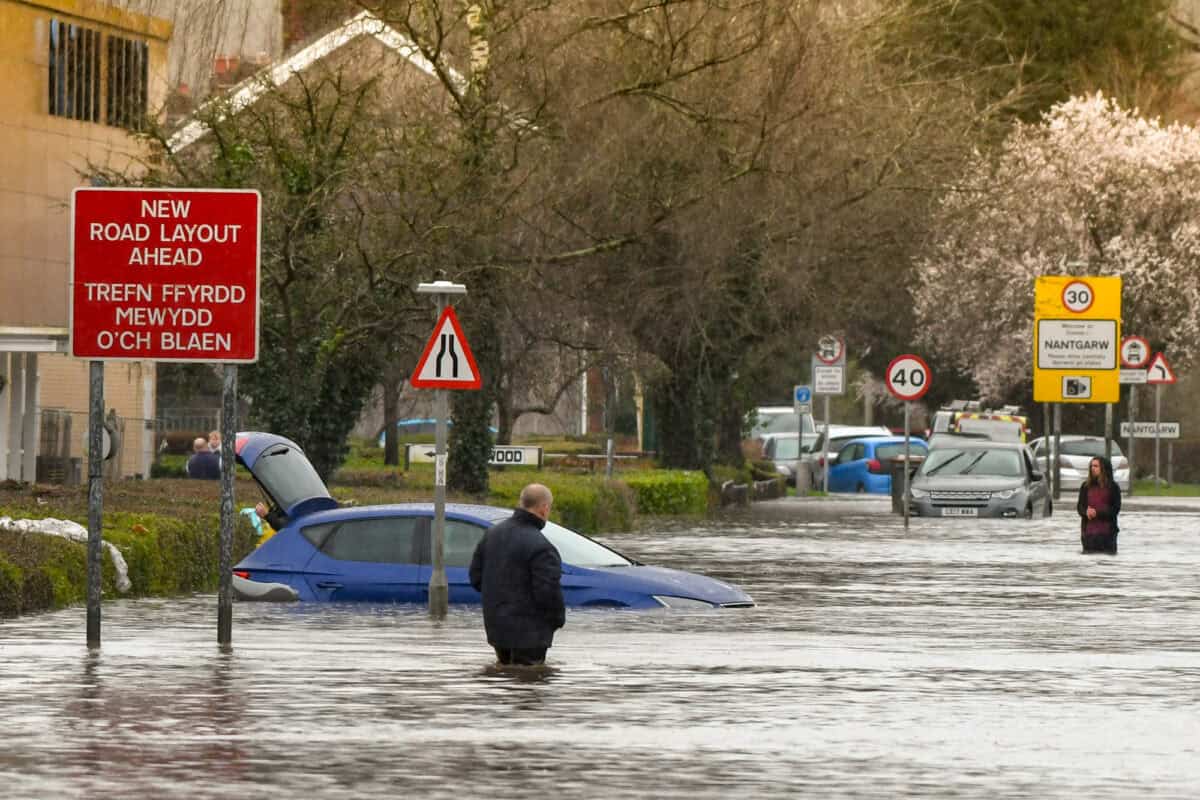
The flood exposed vulnerabilities in America’s infrastructure, raising questions about preparedness and resilience. Aging levees, bridges, and drainage systems failed under the pressure, prompting discussions on how urban planning must evolve to address such challenges in the future.
The Emotional Impact on Families

Beyond physical destruction, the flood exacted a substantial emotional toll on those affected. Families were displaced, and cherished memories washed away, leaving emotional scars that surpass the visible damage. Community support systems are now working to provide the psychological help needed to facilitate healing.
Government and Community Responses

In the wake of the flood, government agencies at federal, state, and local levels coordinated massive relief efforts. The National Guard and emergency services mobilized quickly, while charitable organizations and local communities came together, showcasing unity and resilience in times of crisis.
Technological Innovations in Flood Management
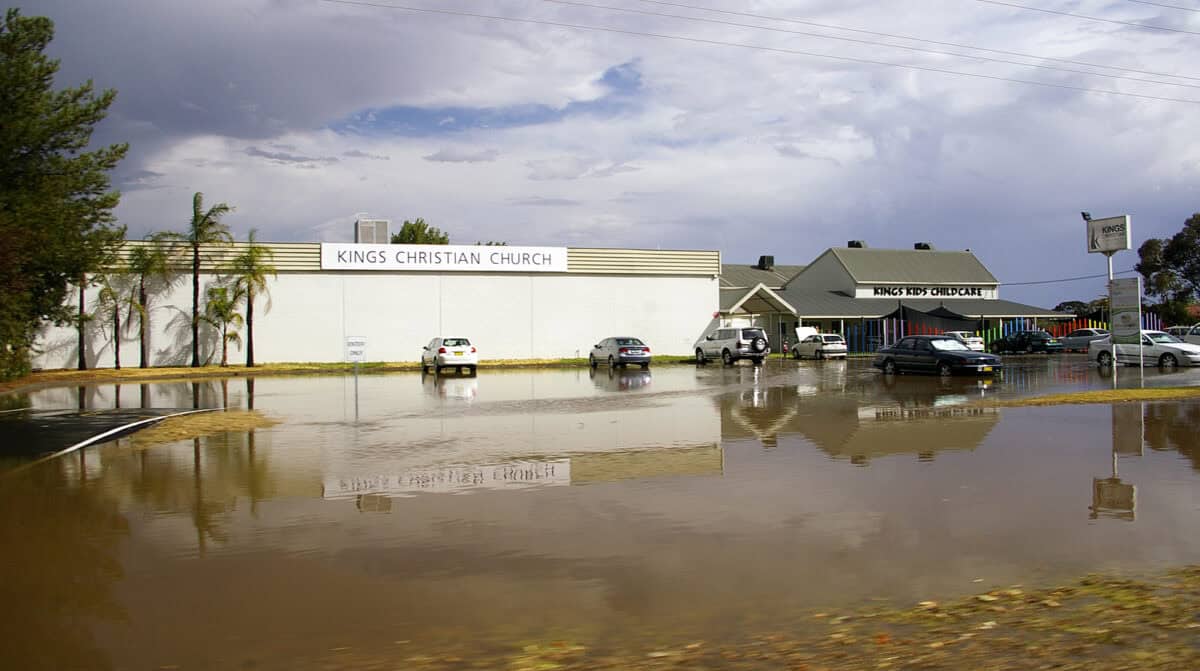
Technology played a crucial role in flood management and recovery. From advanced weather forecasting systems to the use of drones and GIS technology for damage assessment and relief planning, innovation proved vital in mitigating the flood’s impact and optimizing response efforts.
Lessons Learned for Future Preparedness

This flood serves as a stark reminder of the need for preparedness in the face of increasing climate-related events. Strategies such as improved forecasting, better infrastructure, and public education on emergency procedures will be vital in reducing the destructive potential of future floods.
Global Discussions on Climate Change

The flood has sparked renewed debates on climate change, emphasizing the urgent need to address global warming’s impacts on weather patterns. The phenomenon prompted international discussions, reinforcing the importance of global cooperation in combating climate challenges.
Moving Forward: A Path to Recovery

As affected regions embark on the path to recovery, rebuilding efforts are focusing on resilience and sustainability. This involves not only physical reconstruction but also addressing social and economic vulnerabilities, ensuring communities are better prepared for future natural events.
In conclusion, the deepest flood America has seen in a century provides a critical opportunity for reflection and action. It highlights the need for integrated approaches to climate resilience, conservation, and community preparedness. As we move forward, it is imperative that lessons learned from this disaster guide future policies and practices, ensuring a safer and more sustainable world for all.

- The Secret Language of Dolphins Decoded by Researchers - July 20, 2026
- 7 Animals That Can Survive Extreme Environments You Couldn’t - July 20, 2026
- The Longest Snake Ever Found in the U.S. - July 20, 2026