

Forests in the United States are teeming with diverse wildlife, but among the myriad of creatures, a recent concern has taken root: the infiltration of highly dangerous hornets. These formidable insects have made headlines for their perilous impact on ecosystems, agriculture, and even human safety. This article delves into the most dangerous hornets found in U.S. forests, examining their characteristics, behavior, and the threats they pose to both nature and people.
The Arrival of Asian Giant Hornets in the U.S.

One of the most alarming developments in recent years is the arrival of the Asian Giant Hornet (*Vespa mandarinia*), often dubbed “murder hornets.” Native to Asia, these hornets were first spotted in North America in late 2019. Their imposing size and aggressive nature make them a formidable foe to local wildlife and an unsettling presence to humans. With queens reaching up to two inches in length, they are the world’s largest hornets.
Identifying Characteristics of the Asian Giant Hornet
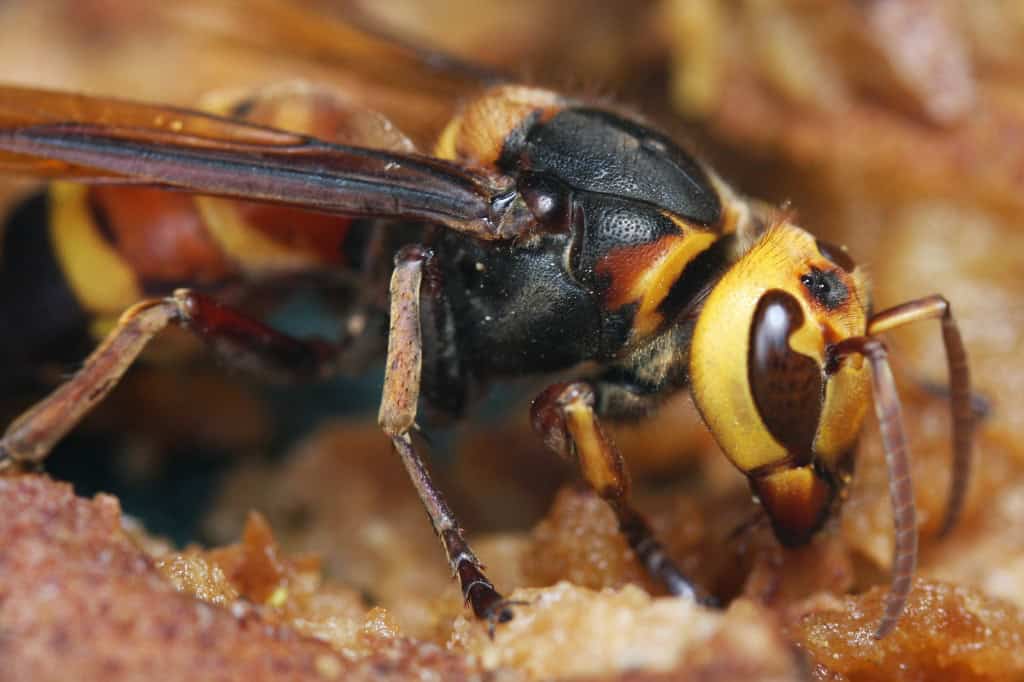
Asian Giant Hornets are distinguishable by their large, robust bodies, predominantly orange heads, and black-and-yellow striped abdomens. This striking appearance, coupled with their size, makes them relatively easy to spot. However, their intimidating looks are matched by a potent sting, which is known to cause allergic reactions and, in rare cases, can be fatal.
Behavior of Asian Giant Hornets
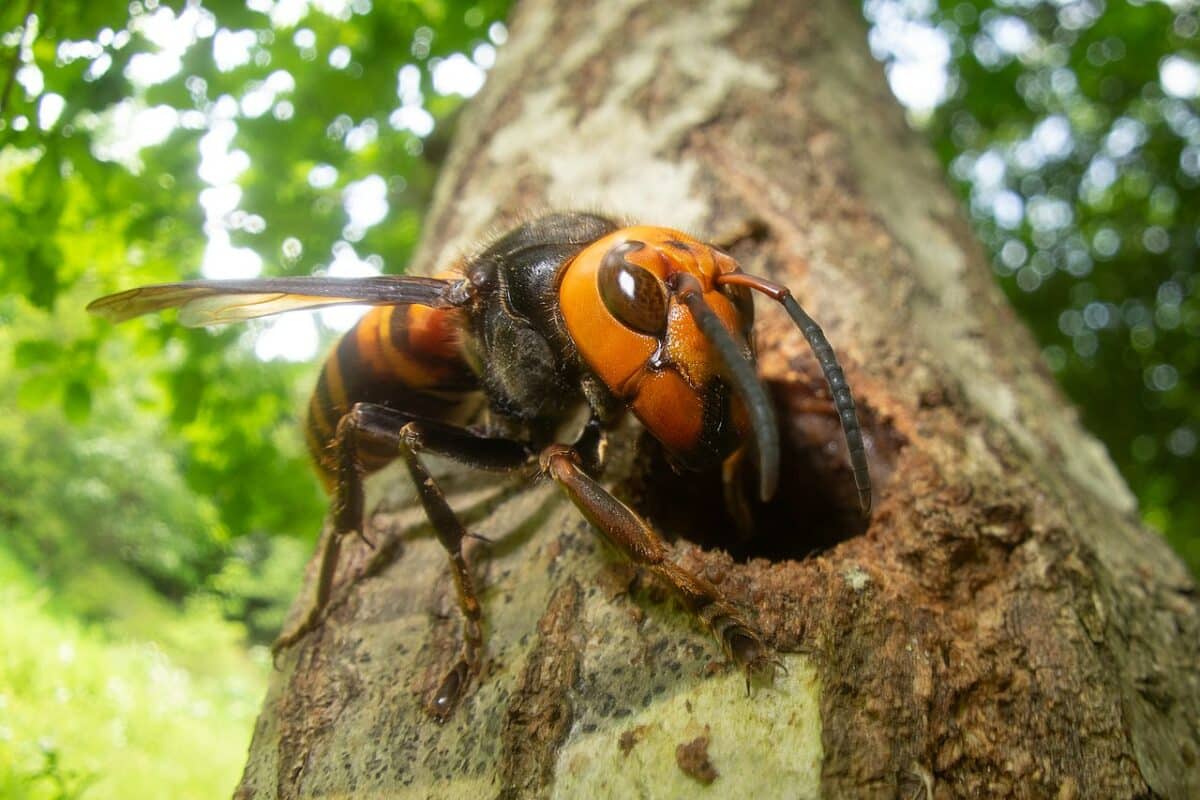
These hornets are notorious for their aggressive behavior, particularly when protecting their nests. They are social insects, living in large colonies that can number in the thousands. Asian Giant Hornets have a unique hunting style, primarily feeding on other insects, especially bees. They are capable of devastating entire honeybee hives, a behavior known as the “slaughter phase,” where they decapitate bees in large numbers before returning to their nests with the larvae.
Impact on Local Ecosystems
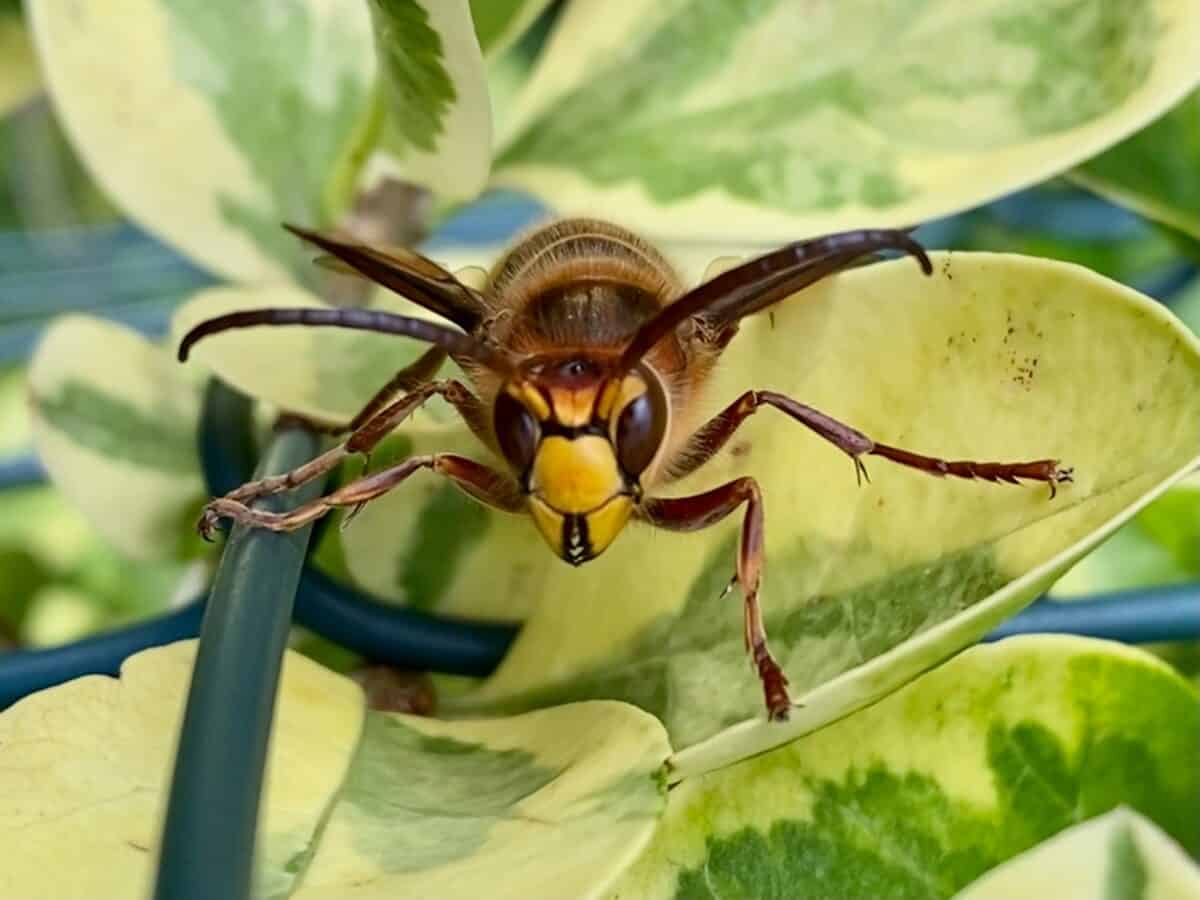
The introduction of Asian Giant Hornets poses a significant threat to local ecosystems. Their predation on bees is particularly concerning, as it impacts one of the most crucial pollinators in agriculture and natural ecosystems. The potential decline in bee populations could lead to a ripple effect across food production and biodiversity.
Pearl River Parasitoid Hornet
Another dangerous hornet recently discovered in U.S. forests is the Pearl River Parasitoid Hornet (*Megascolia azurea*). This lesser-known species was found in the southern regions of the United States. Unlike the Asian Giant Hornet, this parasitoid hornet targets specific insect hosts to lay its eggs, but fortunately, it poses a lesser threat to humans and ecosystems.
Distinguishing Features of the Pearl River Parasitoid Hornet

The Pearl River Parasitoid Hornet is relatively smaller than its Asian counterpart, typically around an inch in length. It features a blue-black body with distinctive yellow markings. These hornets are glossily beautiful, a trait that helps in distinguishing them from other local hornet species.
The Threat to Agricultural Interests
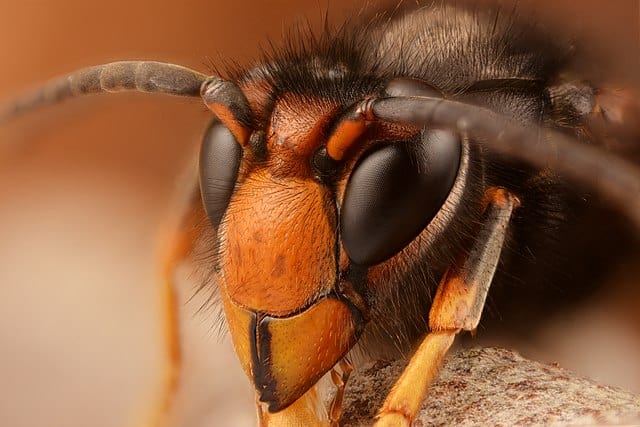
Hornets, particularly invasive ones, can pose a threat to agricultural activities by disrupting the balance of local ecosystems. Their predatory habits can decrease the number of beneficial insects, potentially leading to increased pest populations that affect crops. This balance is crucial for maintaining a healthy environment and supporting sustainable food production.
Human Safety Concerns

Human safety is another significant concern with the presence of these hornets. Asian Giant Hornets, in particular, have a painful sting that can be hazardous to individuals allergic to bee and hornet stings. Cases of multiple stings can lead to serious medical emergencies, necessitating quick response and treatment.
Preventative Measures and Public Awareness

Efforts are underway to manage and prevent the spread of these hornets in U.S. forests. Public awareness campaigns are crucial, informing communities about identifying these hornets and reporting sightings to local wildlife authorities. Education on avoiding nests and understanding hornet behavior can mitigate potential encounters and promote safety.
Control and Management Efforts
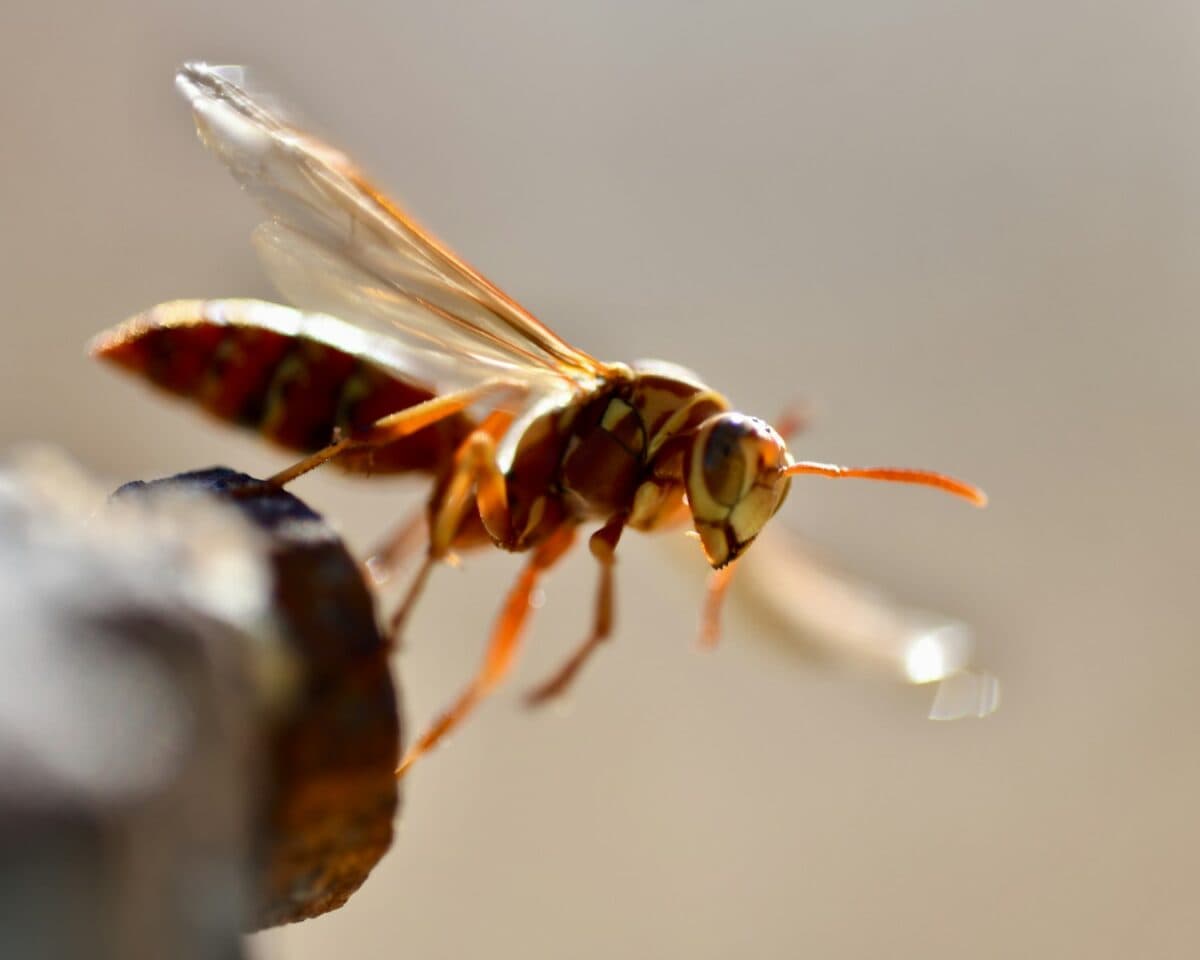
State and federal wildlife agencies have initiated control programs to manage the population of invasive hornets. These programs often involve tracking sightings, setting traps, and safely removing nests. The cooperation of citizens in early detection is vital to the success of these initiatives and the overall control of hornet populations.
Conclusion
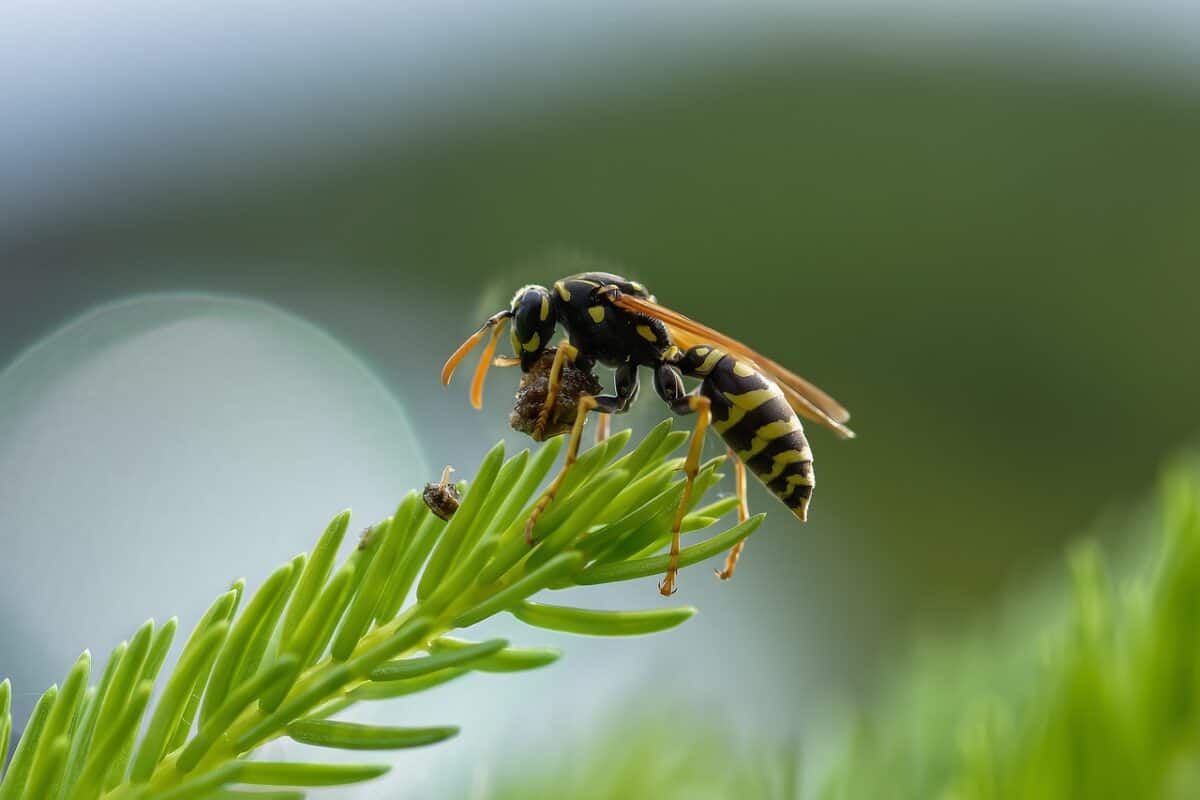
The infiltration of dangerous hornets into U.S. forests underscores the intricate balance required in managing ecosystems cohabited by both native and non-native species. The continued vigilance in monitoring, public education, and coordinated efforts offers hope in safeguarding both human and wildlife populations. Understanding these formidable insects and mitigating their threat is crucial for maintaining the delicate ecological harmony of America’s forests.

- Why Some Fish Can Walk on Land—And What That Means for Evolution - July 13, 2026
- Could Drought Turn the Mississippi Basin into a Dust Bowl? - July 13, 2026
- This U.S. Island Has More Wild Horses Than People - July 13, 2026