
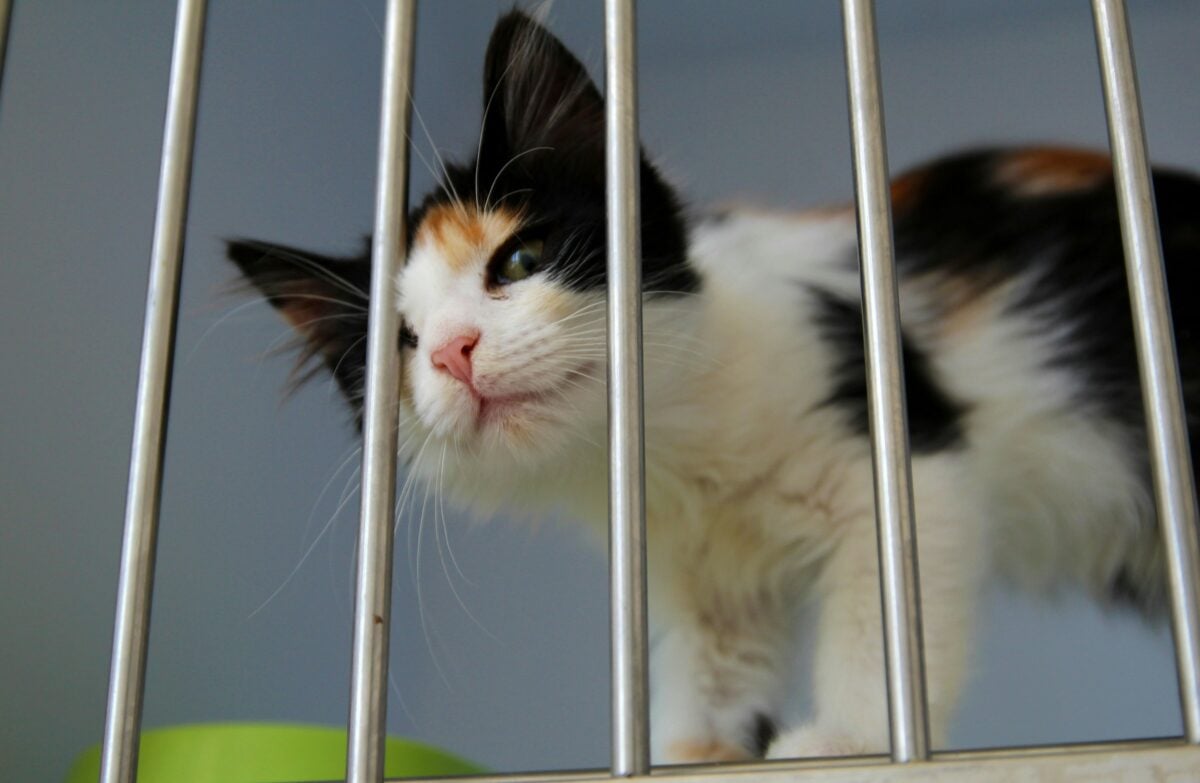
Walk into any shelter’s Instagram and you’ll see the same fantasy: wide-eyed kittens getting adopted within hours, tails held high, captions full of exclamation points. It feels like every cat gets its happy ending eventually. Rescue workers will tell you that’s not even close to the truth.
Behind the cute photos, there’s a quieter, sadder pattern that repeats in shelter after shelter. Certain cats get looked at, cooed over, and then walked past – not once, but for months, sometimes years. The reasons range from outdated superstition to a single bad photo, and once you see the pattern, you can’t unsee it. Here are the 21 cats rescue workers say get overlooked again and again, and why it’s almost never about the cat.
#21 – Black Cats Still Face the Oldest Bias in Shelters
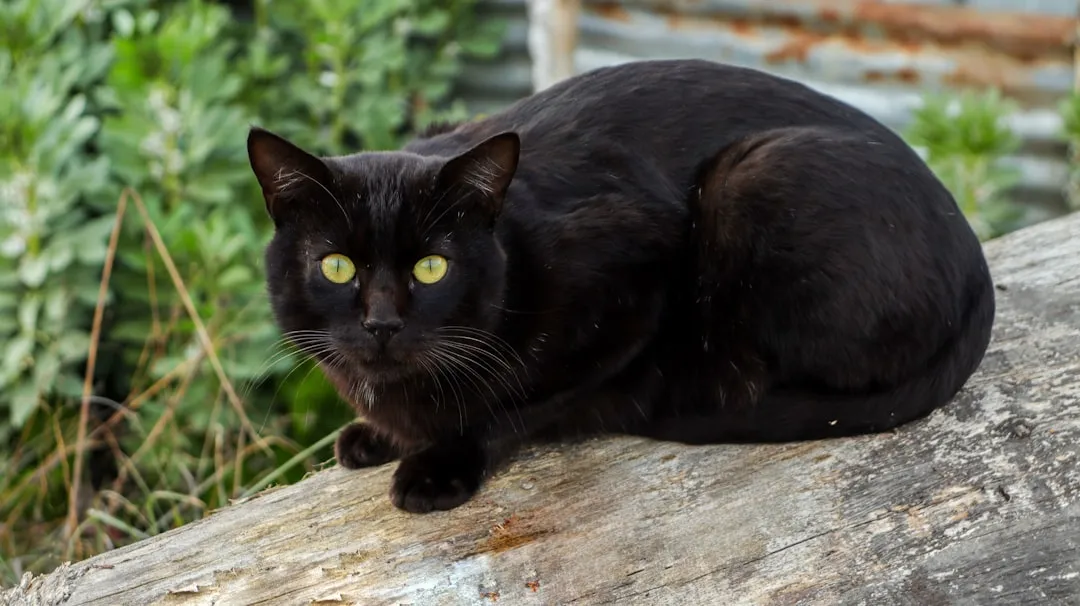
Rescue staff will tell you the same thing over and over: black cats sit the longest, even when they’re young, healthy, and practically throwing themselves at the glass for attention. One widely cited study found black cats had an adoption rate as low as 10 percent, paired with the highest euthanasia numbers of any coat color. It’s not just a Halloween-superstition problem anymore – it’s a habit visitors don’t even realize they have.
Shelter records show black cats often average more than 26 days to adoption, well behind lighter-colored cats, and plenty never make it out at all. Workers describe watching people walk straight past the friendliest cat in the entire room simply because the coat doesn’t photograph as “exciting.” Black cats are reportedly two-thirds less likely to be adopted than white cats across multiple datasets – a gap that has nothing to do with personality and everything to do with old habits nobody questions.
Fast Facts
- Black cats can have adoption rates as low as 10 percent in some shelter studies
- Average time to adoption for black cats often exceeds 26 days
- Black cats are up to two-thirds less likely to be adopted than white cats
- The bias shows up year-round, not just around Halloween
#20 – Senior Cats Get Labeled “Too Old” Before Anyone Meets Them
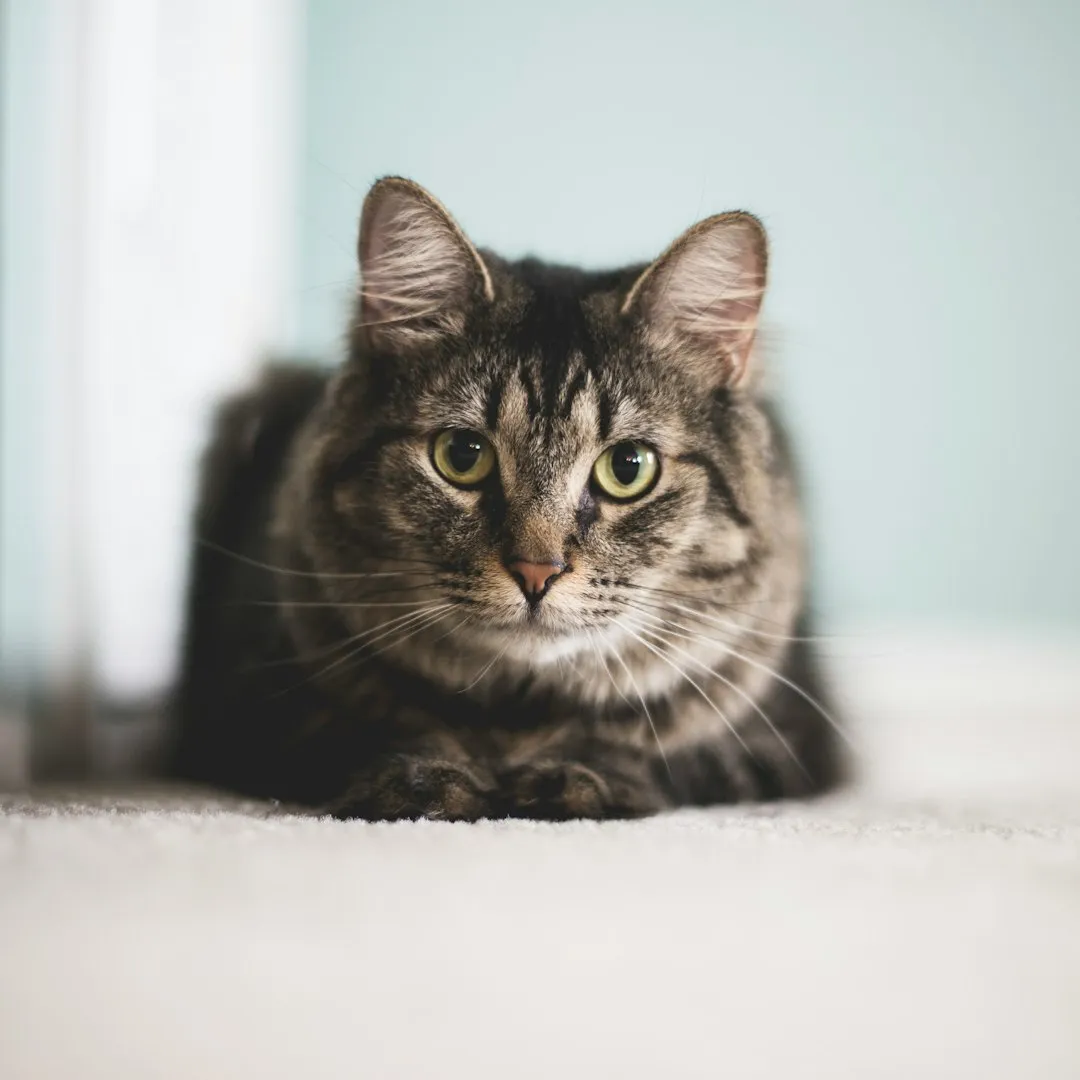
Workers fight this myth constantly: that older cats can’t bond, can’t adjust, can’t love a new person the way a kitten can. In reality, most seniors have already burned through the destructive phase of their lives. They don’t want to shred your curtains – they want a warm lap and a quiet afternoon.
Many of these cats show up at the shelter after a beloved owner passes away, arriving with perfect litter-box habits and zero interest in chaos. And yet their adoption photos – gray muzzles, sleepy eyes – get scrolled past in favor of kittens every single time. Senior cats are one of the highest-need groups shelters actively try to place, and one of the hardest to actually succeed with.
#19 – FIV-Positive Cats Carry an Unfair Stigma
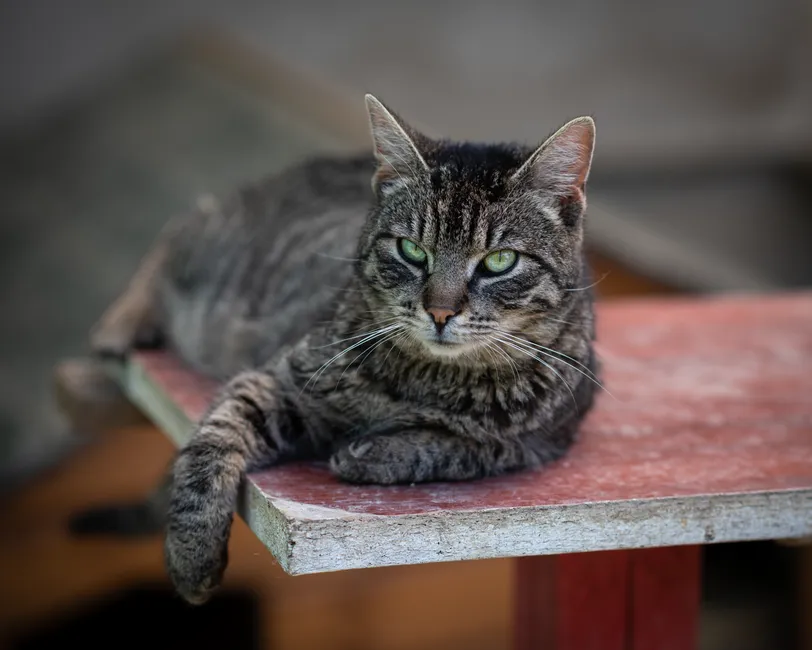
FIV-positive cats can live completely normal indoor lives with almost no risk to other cats when managed properly. But the moment those three letters appear on a cage card, most potential adopters simply turn and walk away. Coordinators say the diagnosis alone does more damage than any behavior ever could.
The truth rescue workers wish more people knew: many FIV-positive cats test positive after years of peacefully coexisting with other cats, sometimes their entire lives. Staff spend real time explaining the science, only to watch that same cat return to the same kennel after the conversation ends. With consistent care, many FIV cats go on to live long, healthy lives – they just need someone willing to hear the whole story first.
#18 – FeLV-Positive Cats Face Near-Certain Rejection
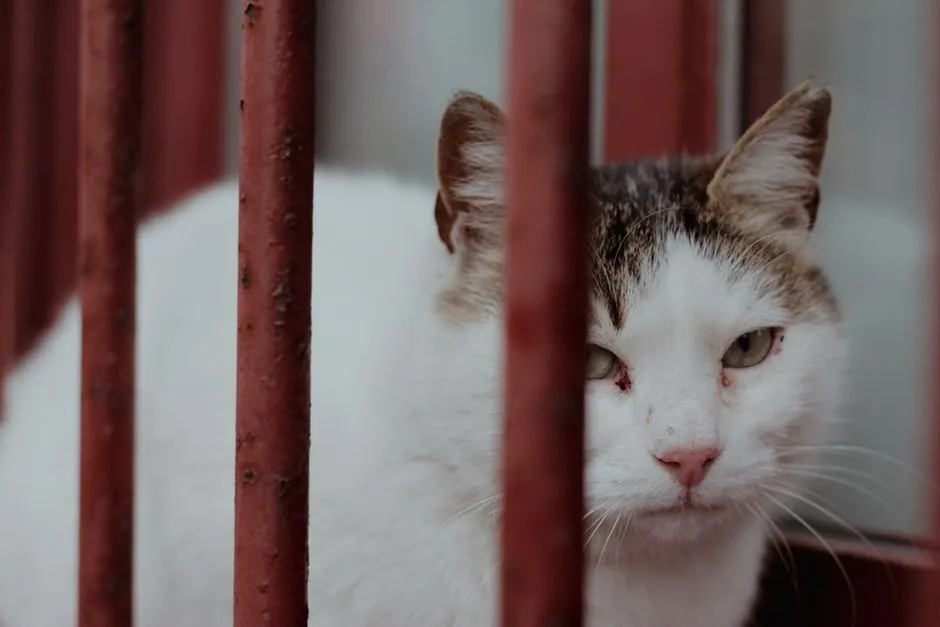
Feline leukemia changes the math for adopters in a way few other conditions do. It often means shorter predicted lifespans and closer monitoring, and shelters have to house FeLV-positive cats separately since the virus spreads through close contact. That separation alone can make an otherwise wonderful cat almost invisible to visitors.
Workers describe some of the sweetest, most affectionate cats in the entire building sitting in isolation simply because of a label on the door. Families rarely stop to ask what daily life with an FeLV-positive cat actually looks like – and it’s often far more manageable than the word “leukemia” makes it sound. The cat still purrs the same. It just needs someone to walk through the door.
#17 – Three-Legged Cats Trigger Instant Sympathy That Rarely Converts
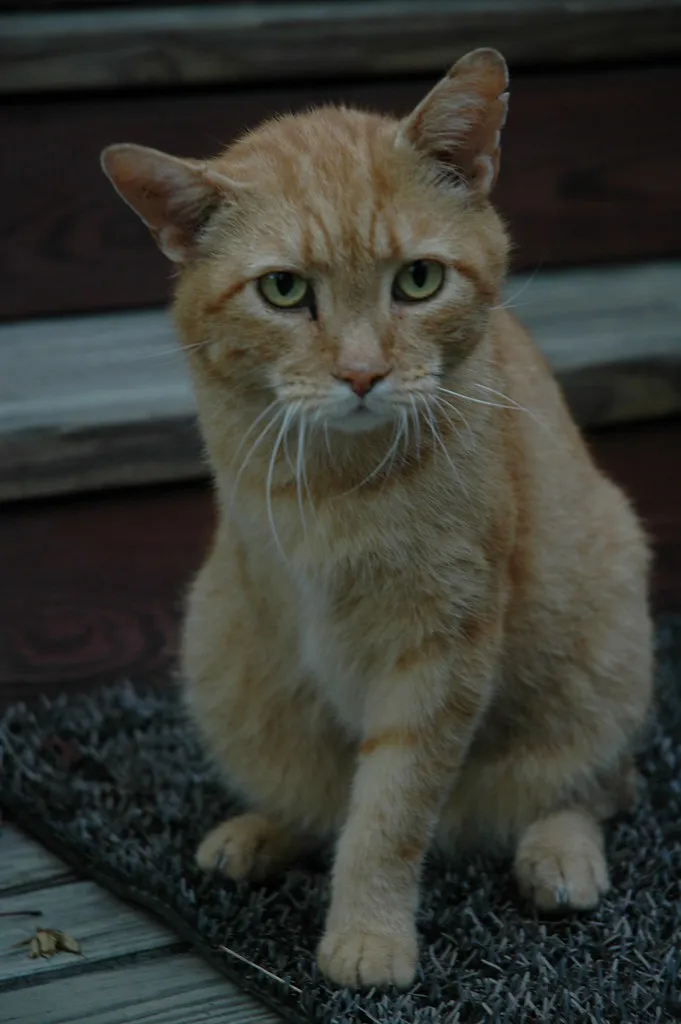
People stop at the cage, make the “aww” face, maybe snap a photo – and then keep walking. Amputee cats typically adapt within days and move almost identically to any other cat, but visitors picture endless vet bills and constant pain that, in most cases, simply isn’t there.
Rescue teams often describe these cats as some of the most playful and confident in the entire shelter once they’ve adjusted to their new balance. The sympathy is real, but it fades fast the moment people start imagining a future full of medical drama that almost never actually shows up. Three-legged cats frequently require less ongoing care than a fully-limbed senior cat dealing with arthritis.
#16 – Blind Cats Navigate Shelters Better Than Most Visitors Expect
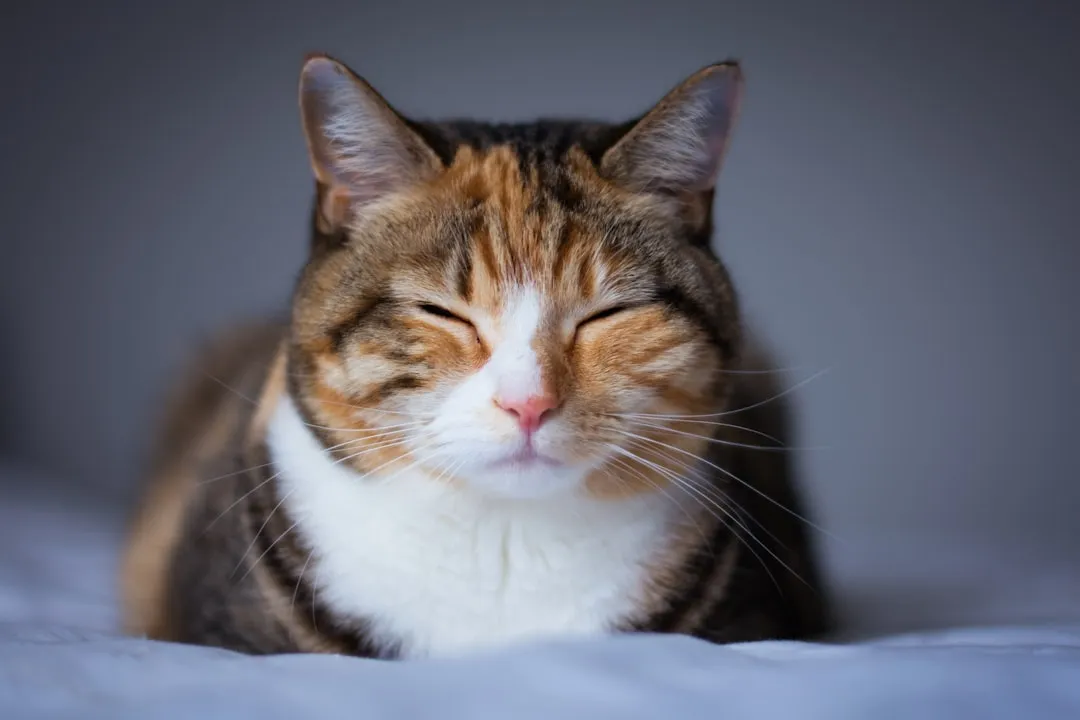
Give a blind cat one day in a new space and they’ll have the whole room memorized. Staff watch them play with toys, use the litter box without hesitation, and move around obstacles with a confidence most visitors don’t expect. It’s almost never as dramatic as people imagine.
Still, the word “blind” alone stops most families cold at the cage door, as if the cat is somehow broken. Workers say blind cats often form unusually intense bonds with their people, relying heavily on voice and scent to build trust. That deeper connection is exactly what gets missed by anyone who never gives them the chance.
#15 – Deaf Cats Get Written Off as Untrainable
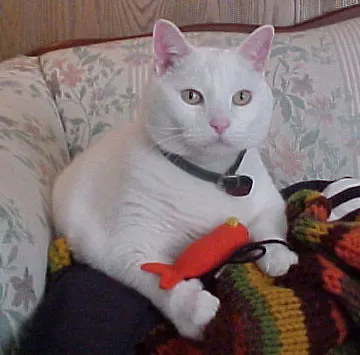
Deaf cats might startle a little at first – a hand appearing out of nowhere, a sudden movement – but they adapt fast. Rescue workers say these cats often learn hand signals and vibration cues quicker than many hearing cats pick up on voice commands, and staff use that during meet-and-greets to show off just how sharp they really are.
The old myth that deaf cats can’t be safe indoors or around children still lingers, despite plenty of evidence to the contrary. Once the initial hesitation wears off, many deaf cats settle into quiet homes and thrive there. They just need someone willing to look past the label long enough to notice.
At a Glance
- Deaf cats often rely on vibration cues and hand signals instead of voice commands
- Startle reflexes fade quickly once the cat learns a new routine
- Many deaf cats do well indoors, away from traffic and outdoor hazards
- Shelters can demonstrate hand-signal training during meet-and-greets to ease adopter concerns
#14 – Shy or Fearful Cats Never Get the Second Chance They Need
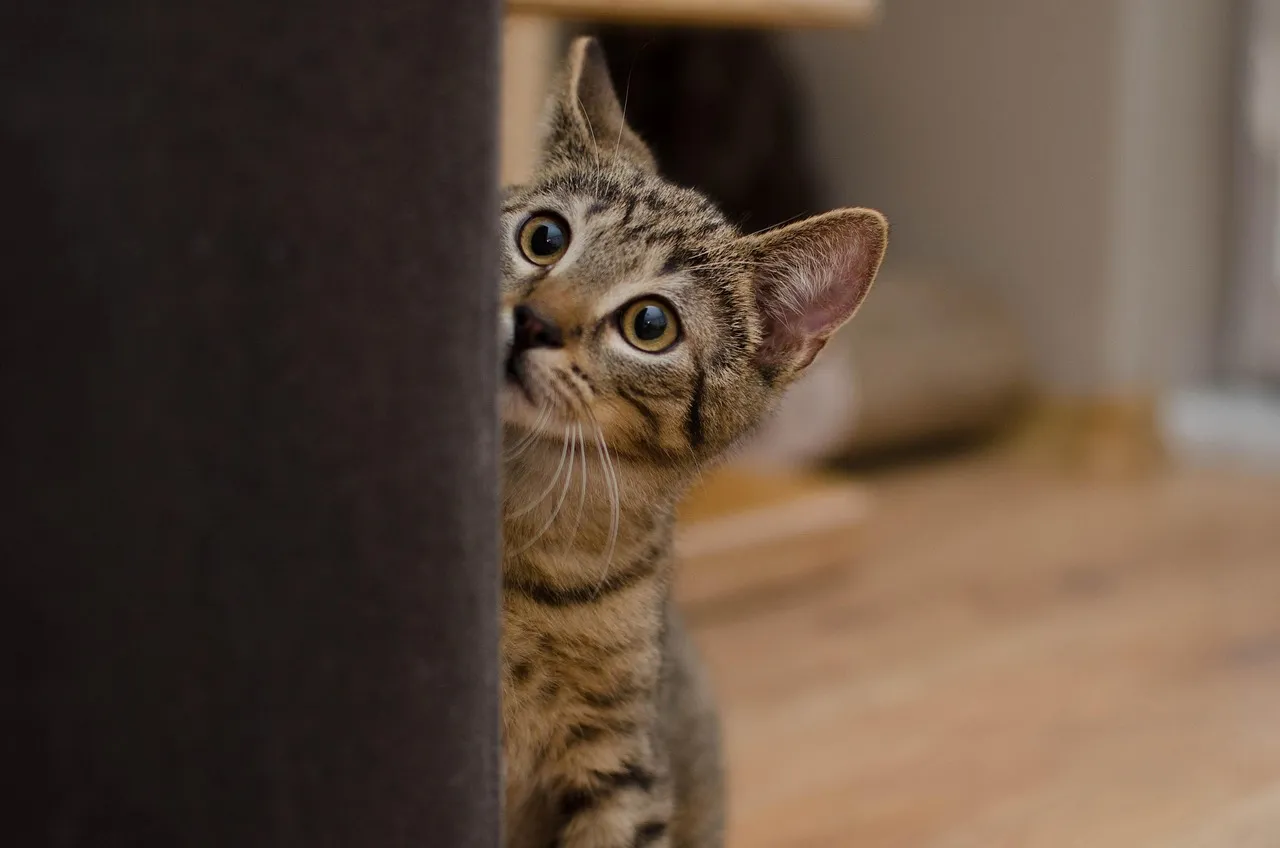
These are the cats pressed into the back corner of the cage during visiting hours, eyes wide, body frozen, doing everything possible to disappear. Visitors see fear and assume that’s just who the cat is. Staff know better – they’ve watched the same cat transform completely once the shelter noise fades.
Given time and a quiet home, shy cats often become some of the most affectionate companions a person will ever have. But the public almost never sees that version, because shy cats rarely get the foster placement that would let their real personality surface. Some of the longest-stay cats in any shelter are simply introverts waiting for the right room to finally relax in.
#13 – High-Energy “Naughty” Cats Get Misread as Aggressive
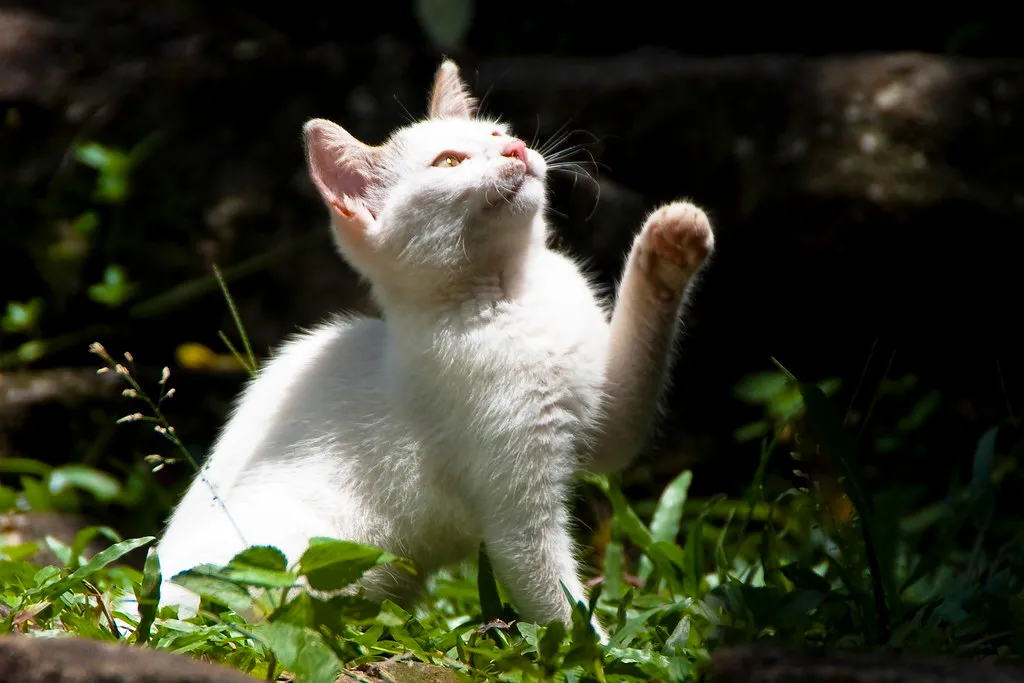
What looks like trouble in a five-foot kennel is usually just boredom with nowhere to go. Workers watch these cats get slapped with a “problem child” label when what they actually need is vertical space, a few toys, and someone willing to play for ten minutes a day.
Most adopters walk in hoping for a calm lap cat and completely miss how rewarding a genuinely active cat can be with the right setup. The frustrating part, staff say, is that the label sticks – even after the same cat calms down dramatically once placed in a foster home with more room to move.
#12 – Long-Haired Cats With Matting Issues Scare People Away
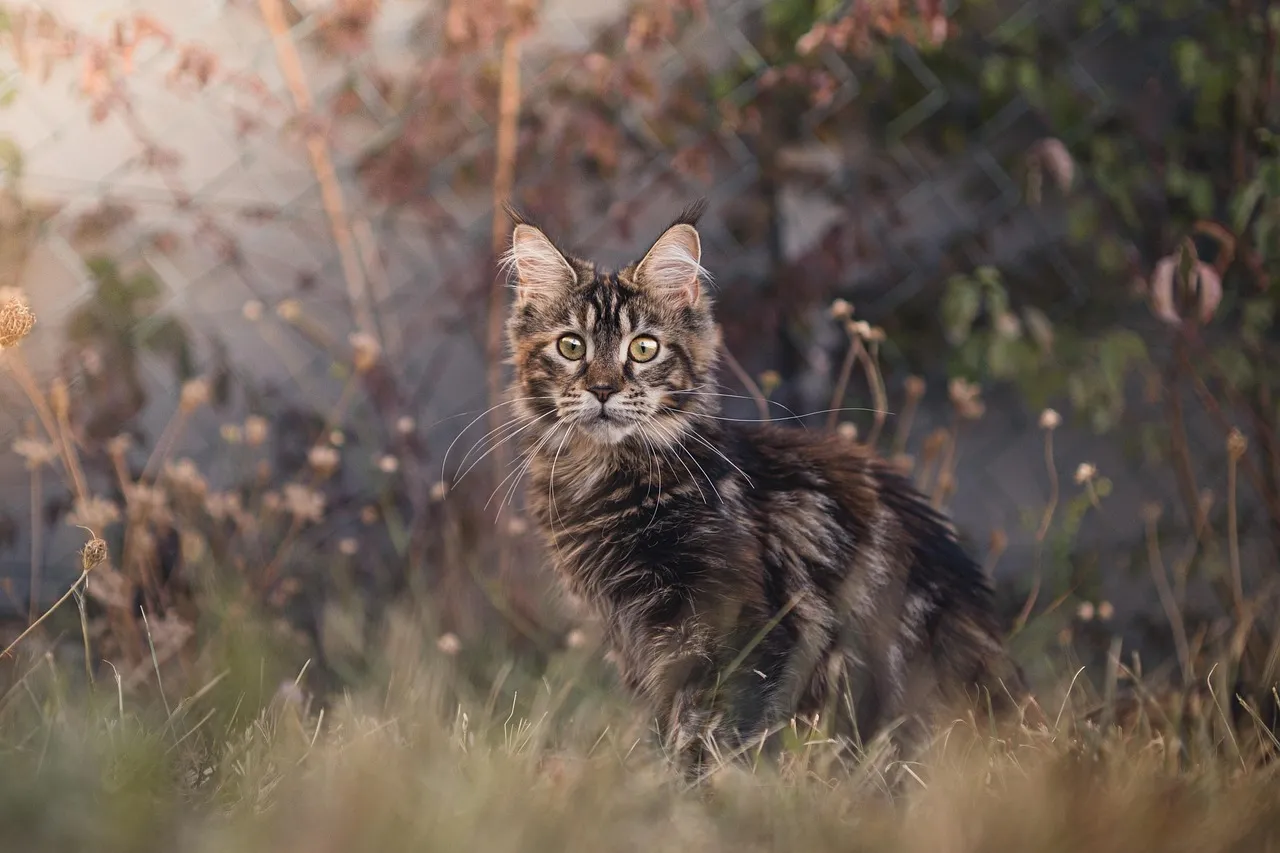
Daily brushing sounds like a chore before anyone even meets the cat attached to it. In reality, most long-haired cats love the attention once they trust the person holding the brush. The grooming requirement becomes an excuse to keep walking before the cat gets a fair shot.
Shelters often see gorgeous coats that were simply neglected before surrender, not cats that are inherently high-maintenance. Workers argue that with even minimal, consistent care in a committed home, most of these cats stay mat-free and comfortable. The coat isn’t the problem – the lack of a home to grow it out in is.
#11 – Overweight Cats Get Judged for Their Size Alone
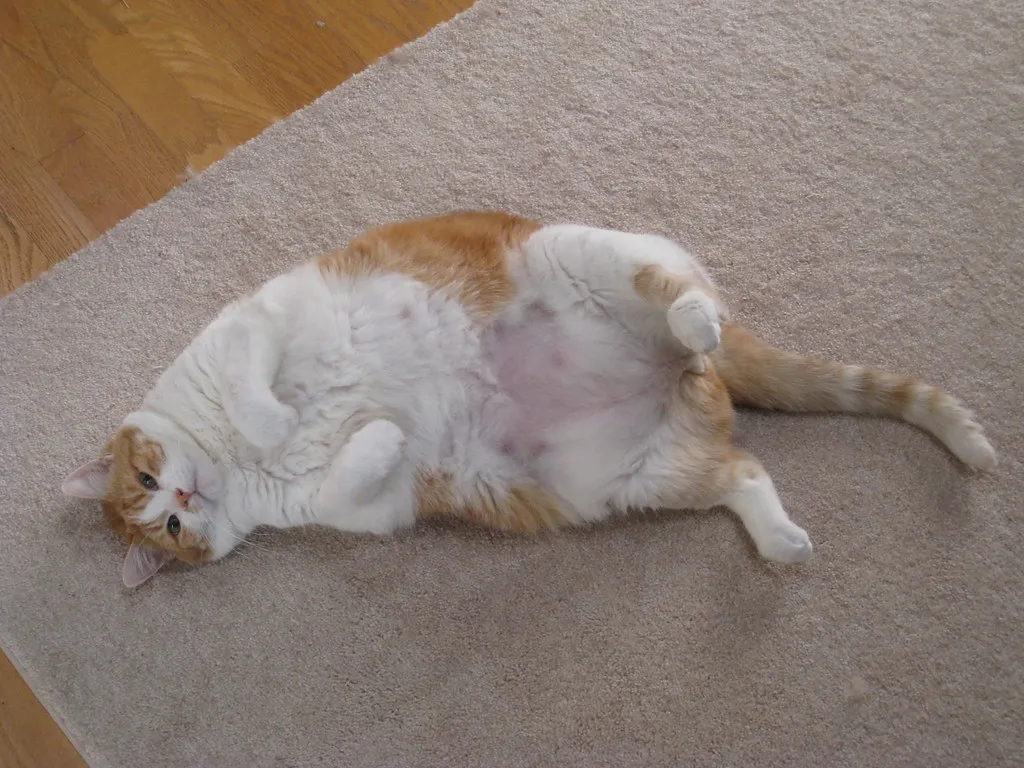
Extra weight is almost always the result of stress eating or free-feeding in a previous home, not laziness or a lack of personality. Yet visitors take one look at a round cat and make a snap judgment before ever learning its name. The photo does all the talking, and the photo isn’t kind.
Rescue staff say these cats often slim down surprisingly fast once they’re on a proper feeding schedule with a bit of play built in. Underneath the extra pounds is usually a devoted, affectionate companion just waiting for someone to look past the shape and see the personality underneath.
#10 – Tuxedo Cats Share the Dark-Coat Penalty
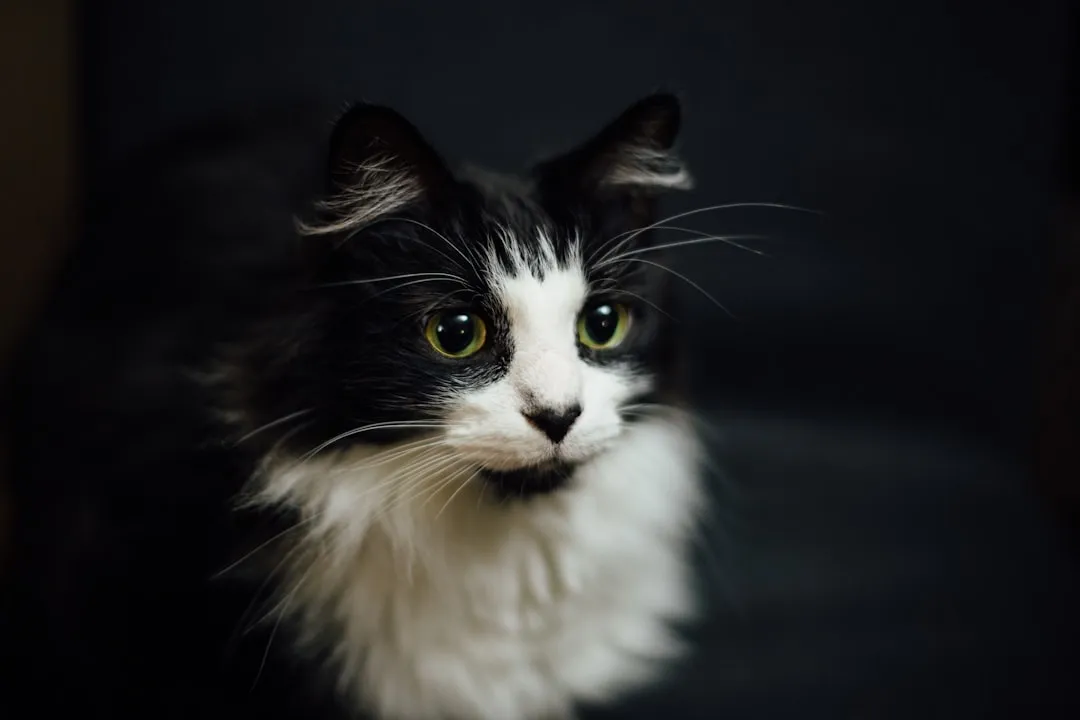
You’d think a sharp black-and-white tuxedo pattern would stand out in a room full of cats – and it does, just not in the way you’d hope. Data suggests tuxedo cats hover around a 70 percent adoption rate at best in large samples, trailing well behind lighter solid colors.
Workers say the striking contrast should be an advantage, but the black portions of the coat trigger the same quiet hesitation that plagues solid black cats. Meanwhile, solid grays and oranges in the very next cage get adopted faster, for no reason other than color.
#9 – Cats From Hoarding Cases Carry Trauma Labels
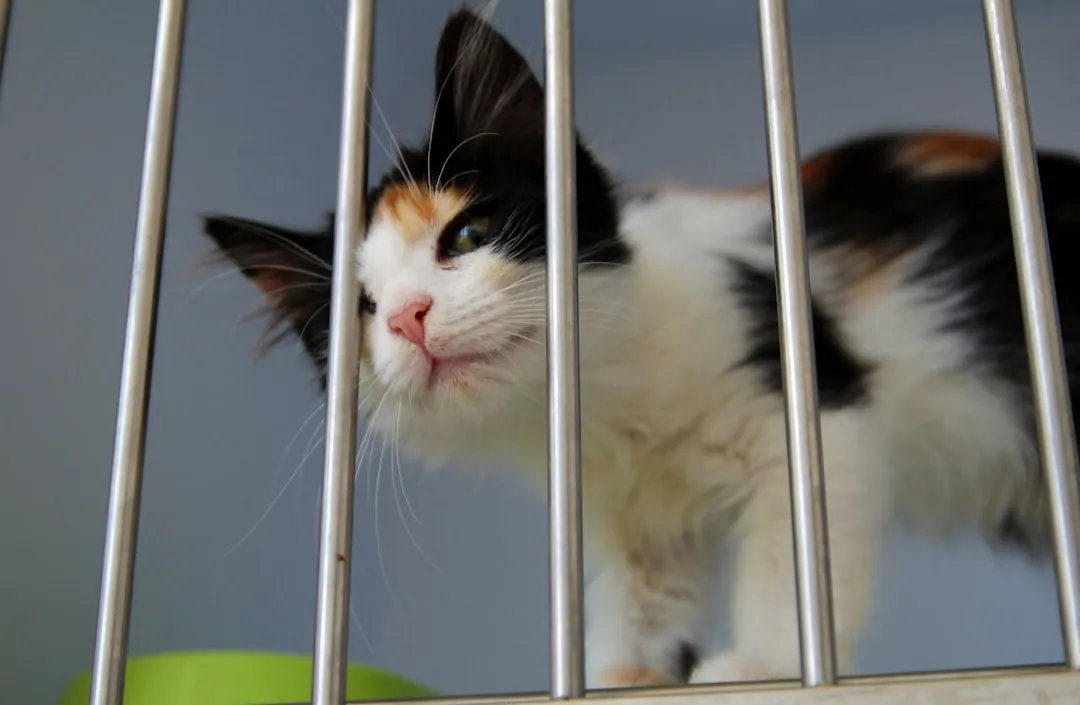
These cats often arrive in large groups, overwhelmed, undersocialized, and needing more one-on-one time than most shelters can realistically give. Visitors hear the word “hoarding” in the backstory and immediately picture a damaged, unpredictable animal – even when the cat in front of them tests as perfectly friendly.
The group surrender itself becomes a red flag that follows every cat in that intake, regardless of individual temperament. Workers say most of these cats simply needed consistent human contact they never got in their previous situation, and given that contact, many turn out to be some of the most affectionate cats in the building.
Quick Compare
- Perception: “hoarding case” signals a damaged, unpredictable cat
- Reality: many test as friendly and simply need more one-on-one attention
- Perception: group surrender means a lifetime of behavioral issues
- Reality: consistent human contact often resolves the undersocialized behavior within weeks
#8 – Cats With Chronic but Manageable Conditions
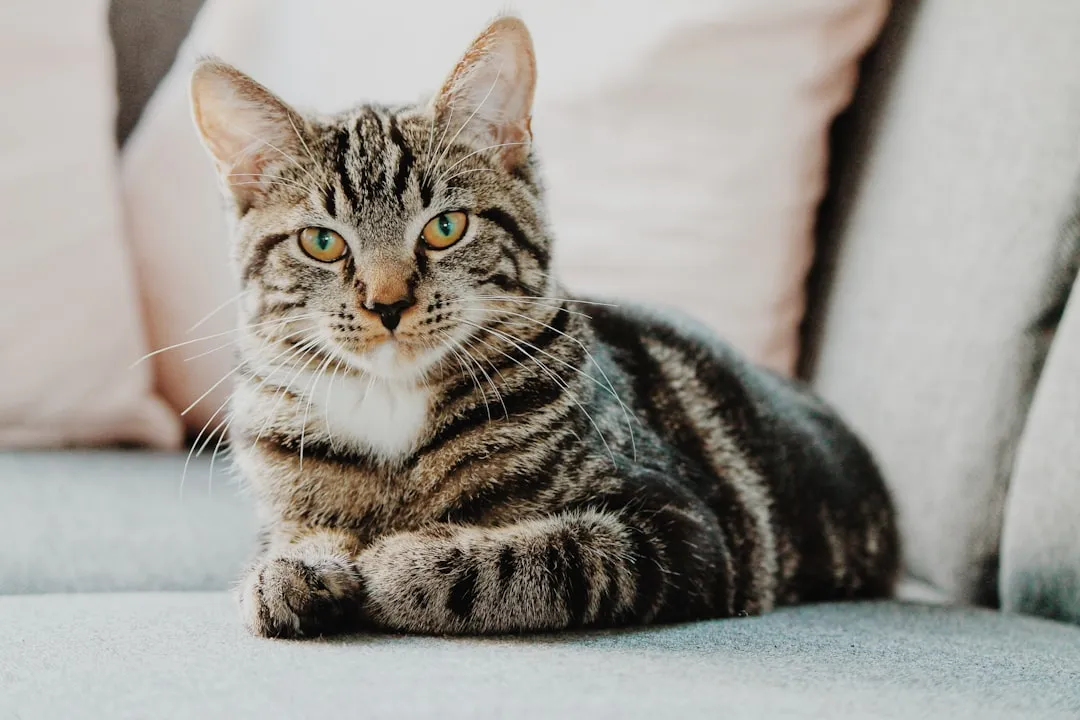
Diabetes and hyperthyroidism sound alarming on a clipboard, and most families never get past that first mention before mentally checking out. What they don’t hear is how quickly the daily routine becomes second nature once the cat is actually home.
Owners who do take the leap almost universally report the same thing: it’s far less overwhelming than they expected, and the cost is manageable with a steady routine. Workers spend hours trying to counter the assumption that a medical note automatically means constant crisis – because for most of these cats, it simply doesn’t.
#7 – Bonded Pairs That Cannot Be Separated
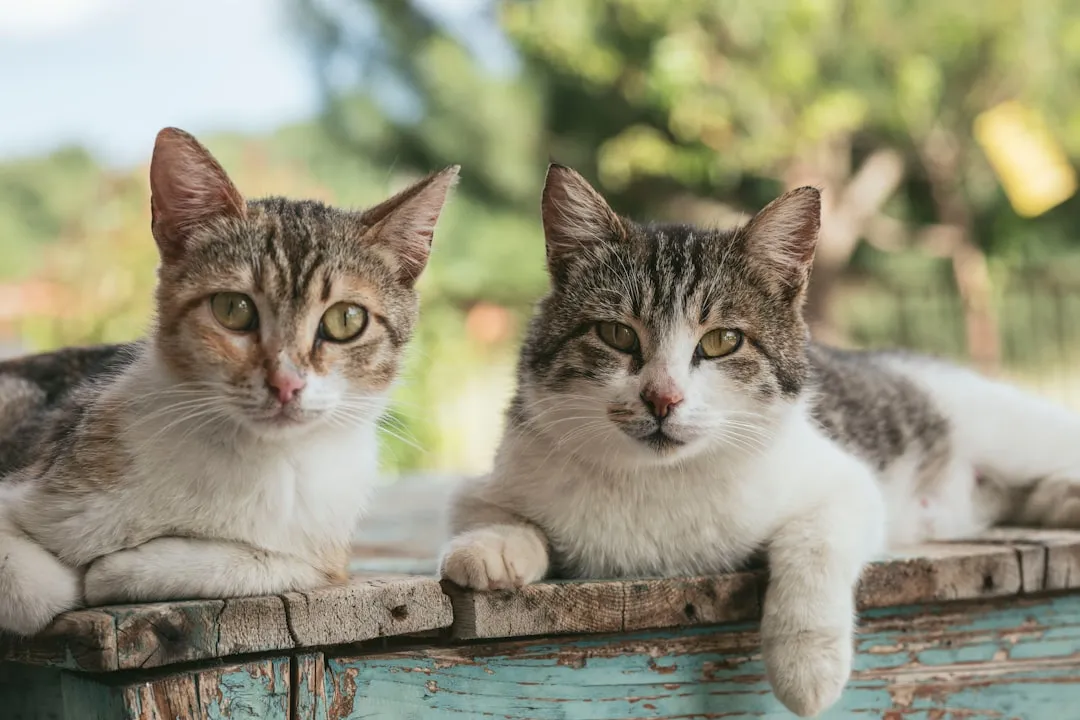
Shelters hate the idea of splitting up two cats who’ve never known life apart, but finding a home willing to take both at once is a much smaller pool of applicants than finding one for a single cat. The math works against these pairs from the very first day they arrive.
Staff know bonded cats often comfort each other through the stress of shelter life and adjust more smoothly together in a new home. But the double adoption fee and the extra space required usually win the argument in a visitor’s head, and these pairs end up waiting months longer than cats going it alone.
#6 – Male Cats in Some Regions Face Subtle Bias
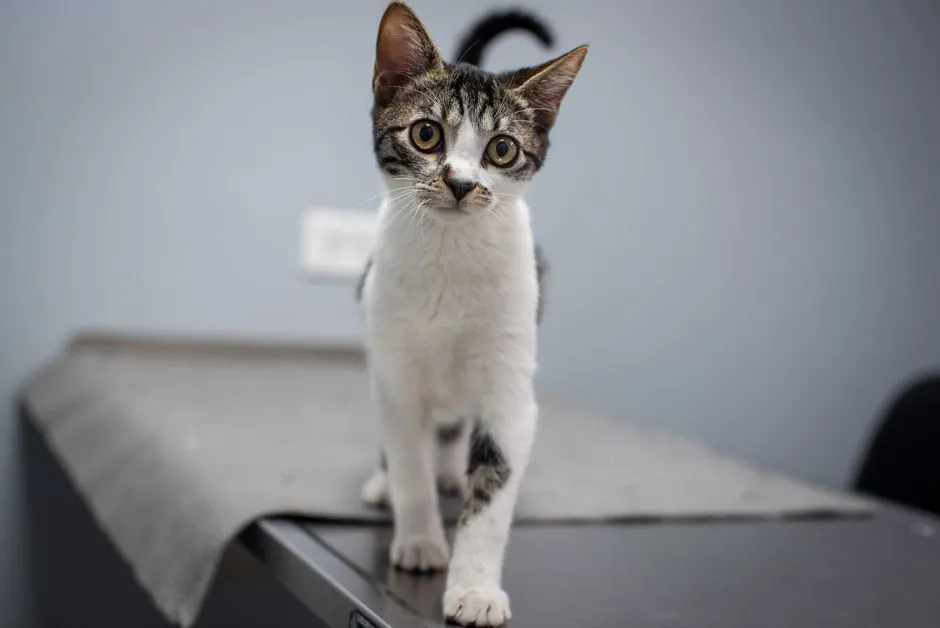
Overall, gender doesn’t move the needle much in adoption data – but in certain regions, outdated spraying myths still quietly work against male cats. Visitors ask about it during meet-and-greets even when the cat has been neutered for years and shows zero related behavior.
Staff reassurance often isn’t enough to fully erase the assumption once it’s planted in someone’s head. In some of these areas, female cats simply move faster purely on perception, leaving perfectly calm, litter-trained males waiting longer for reasons that have nothing to do with who they actually are.
#5 – Cats Returned Multiple Times Develop a Reputation
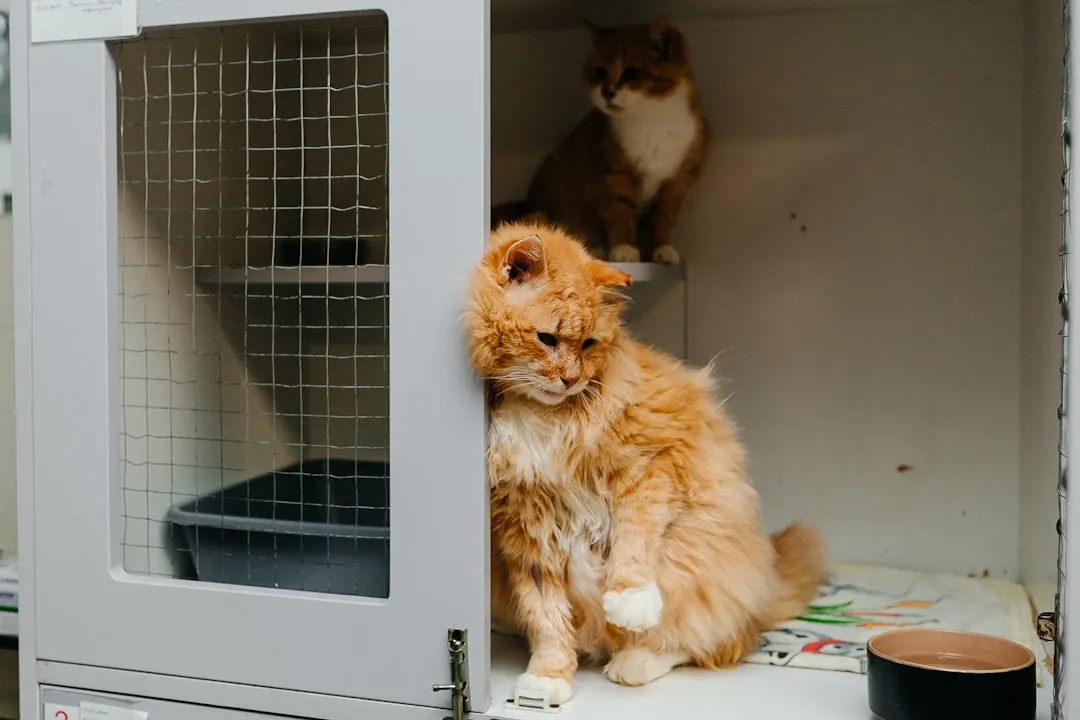
Every return adds another note to the file, and every note makes the next adopter a little more hesitant before they’ve even met the cat. Rescue workers say the reason for the return is almost always a mismatch with the previous home, not a flaw in the cat itself.
Watching a genuinely adoptable cat rack up return after return for reasons that have nothing to do with its personality is one of the more frustrating patterns staff describe. The file grows thicker with every failed placement, while the cat itself waits in the same kennel, none the wiser about the paper trail working against it.
#4 – Cats With Unusual Markings or “Ugly” Faces
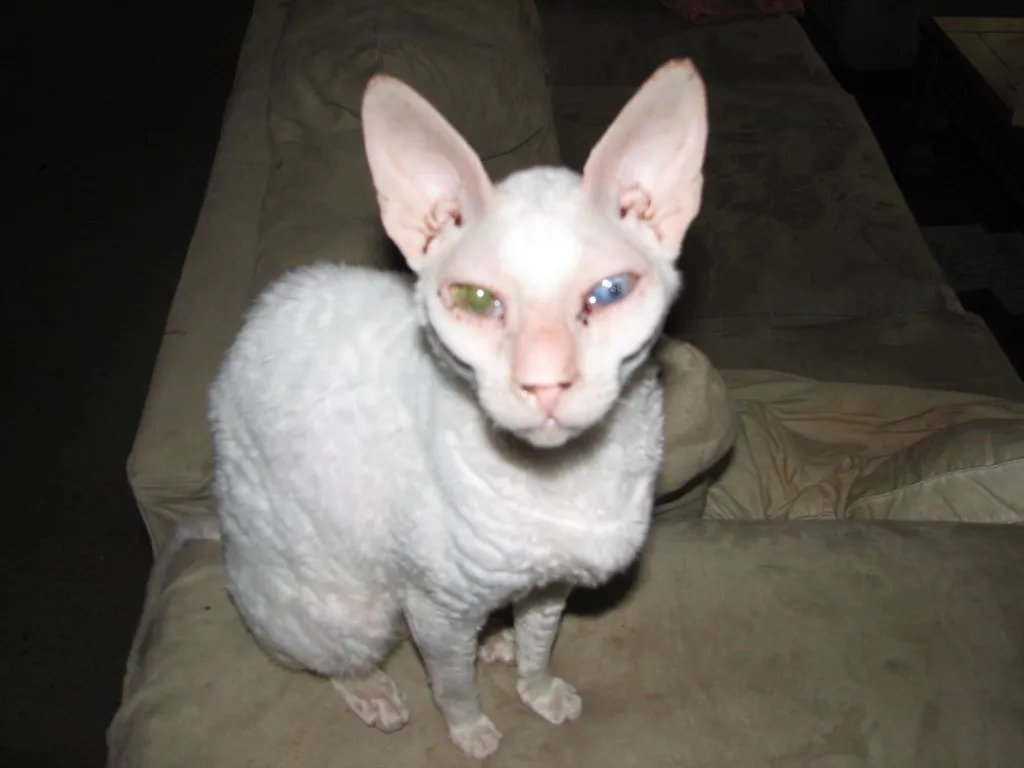
Flat-faced cats, lopsided markings, an oddly shaped ear – none of it photographs particularly well for an online listing, and online listings are often the first and only impression a cat gets. Visitors judge from a single unflattering photo without ever meeting the actual animal behind it.
Rescue teams say these cats frequently turn out to have the biggest, funniest, most magnetic personalities once someone actually walks over to say hello. The camera simply does them no favors, and in a scrolling-thumb world, that’s often the only chance they get.
#3 – Cats Surrendered as “Strays” With Unknown Histories
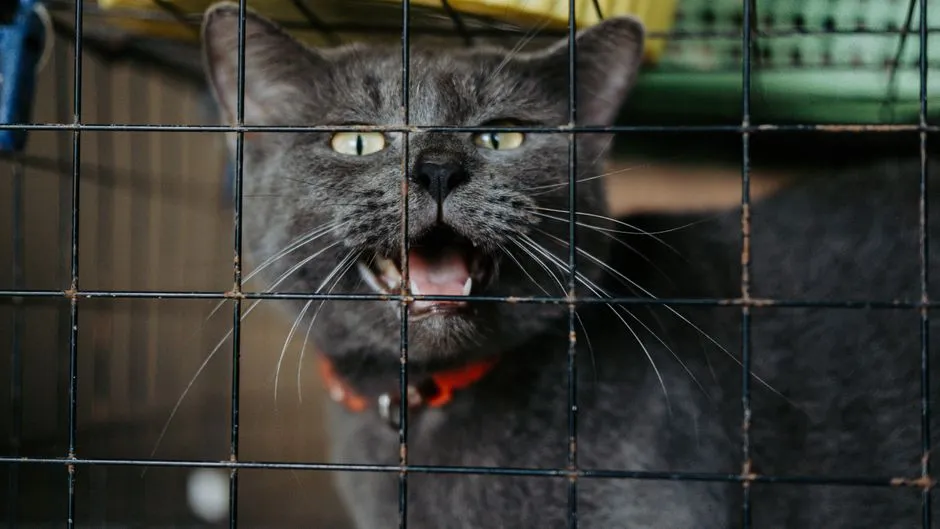
An unknown background creates hesitation even when the cat tests clean, friendly, and perfectly healthy. Families gravitate toward the certainty of a known lineage or a documented history, even though a shelter cat’s behavior in person tells you far more than any paperwork ever could.
Staff often point out that many of these “stray” cats came from stable, loving homes and simply got lost, displaced, or accidentally left behind. The lack of a paper trail becomes the real barrier to adoption – not anything about the cat’s temperament or health.
Worth Knowing
- A shelter cat’s in-person behavior is usually a better predictor than any paperwork gap
- Many “stray” surrenders are actually lost or displaced pets from stable homes
- Health and temperament checks at intake often catch issues paperwork never would
- Missing history is a documentation problem, not a red flag about the cat
#2 – Cats That Need Medication or Special Diets Long-Term
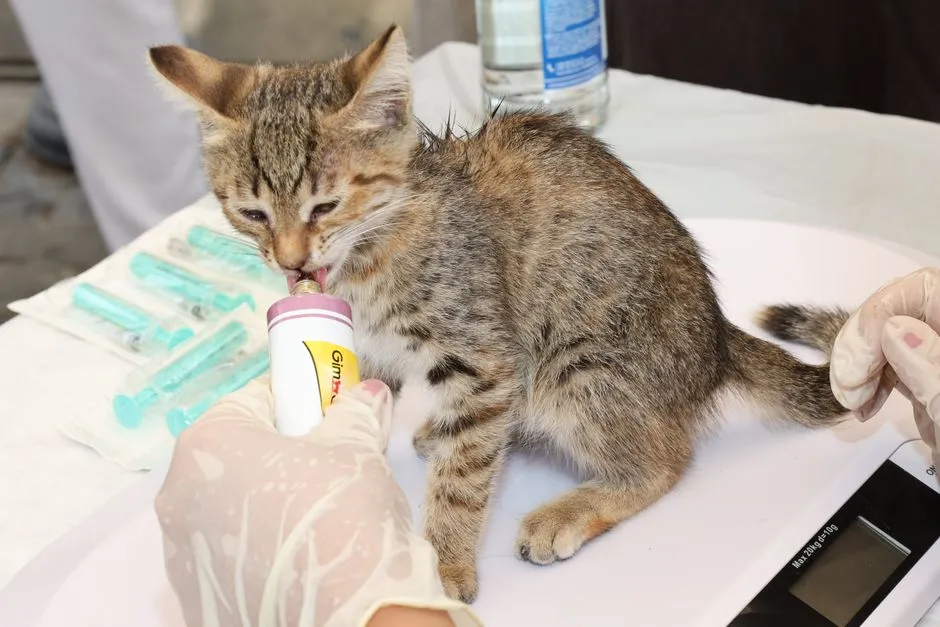
Daily pills or prescription food sound expensive and complicated in theory, long before anyone actually breaks down what it costs in practice. Many of these cats live full, comfortable lives for years on fairly modest routines that become second nature within weeks.
The perception of an ongoing burden shuts down the conversation before the cat’s personality ever gets a fair hearing. Workers say they wish more adopters would simply ask the follow-up question instead of assuming the worst outcome from the very first mention of a medical note.
#1 – Cats Labeled “Not Good With Kids or Dogs” Without Context
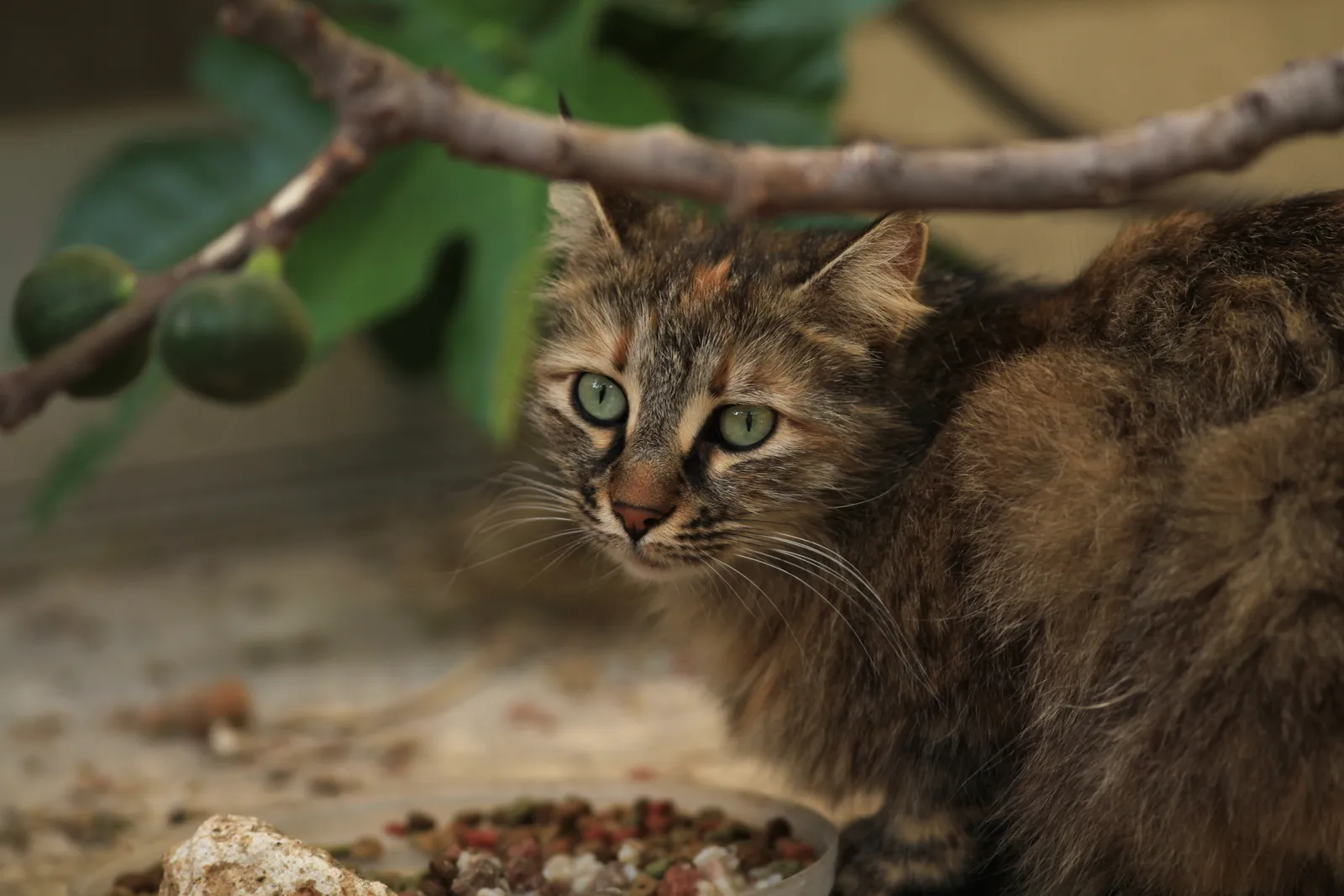
A single failed introduction – one bad moment, one stressed encounter – can follow a cat for life, even when the circumstances were entirely about the environment and not the animal. That note travels from shelter to shelter, from online profile to online profile, long after the context that created it is forgotten.
Rescue workers say many of these cats simply thrive better in adult-only or quiet, low-chaos homes, which isn’t a flaw so much as a preference. Once the right match actually appears, staff describe watching some of the most overlooked cats in the building turn into someone’s favorite pet almost overnight – proof that the label was never the whole story.
Rescue workers keep naming the same groups: black cats, seniors, and anything that sounds complicated on paper. The bias isn’t cruelty – it’s habit, and it’s costing thousands of genuinely loving cats their shot at a home every single year, even while overall adoption numbers look fine on the surface.
Here’s the opinion part, and it’s not a popular one: most of this list isn’t actually about the cats at all. It’s about how little time people give them before deciding. A cat doesn’t get a fair chance in the ten seconds it takes to glance at a cage card – it gets a fair chance when someone actually sits down on the floor and lets it come say hello. If shelters and rescues have one job left to do, it’s convincing more people to slow down long enough to meet the cat behind the label. Did we miss one that deserves a spot on this list? Drop it in the comments.
