
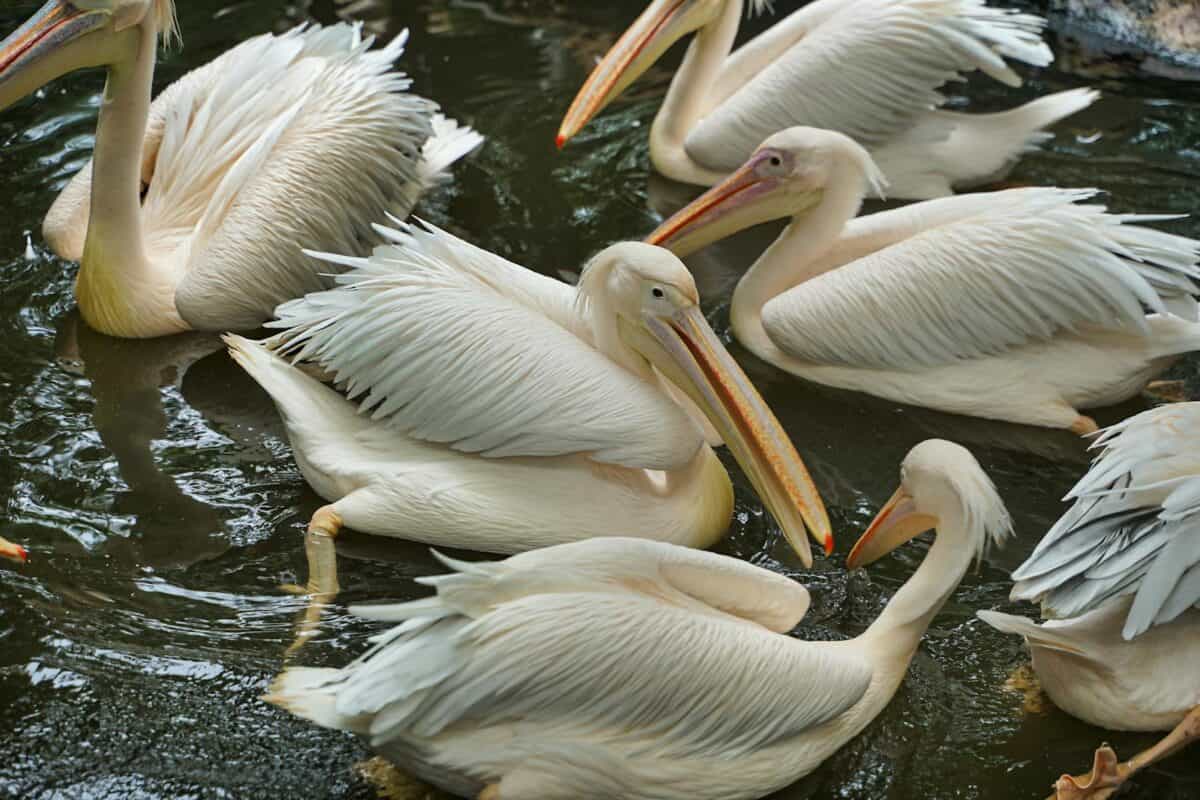
The comely American pelican, with its robust bill and striking wingspan, is an icon of the wetlands and lakes it inhabits. However, the flock numbers of this magnificent bird have been noticeably dwindling, prompting concerns among conservationists and bird enthusiasts alike. Understanding the factors driving this decline is imperative to ensuring the survival of these majestic creatures.
Introduction to the American White Pelican

The American white pelican is one of the largest birds in North America, known for its snowy plumage and distinctive orange bill. These birds are celebrated for their impressive migratory patterns, often traveling hundreds of miles from their breeding grounds in the northern U.S. and Canada to their wintering habitats in the southern U.S. and Mexico.
The Importance of Pelican Flocks

Flocks are vital to pelican survival, offering improved foraging opportunities and collective defense against predators. Large flocks also foster social interactions necessary for breeding and nurturing young. Consequently, dwindling flock sizes can markedly impact the overall health and sustainability of the species.
Habitat Loss and Degradation
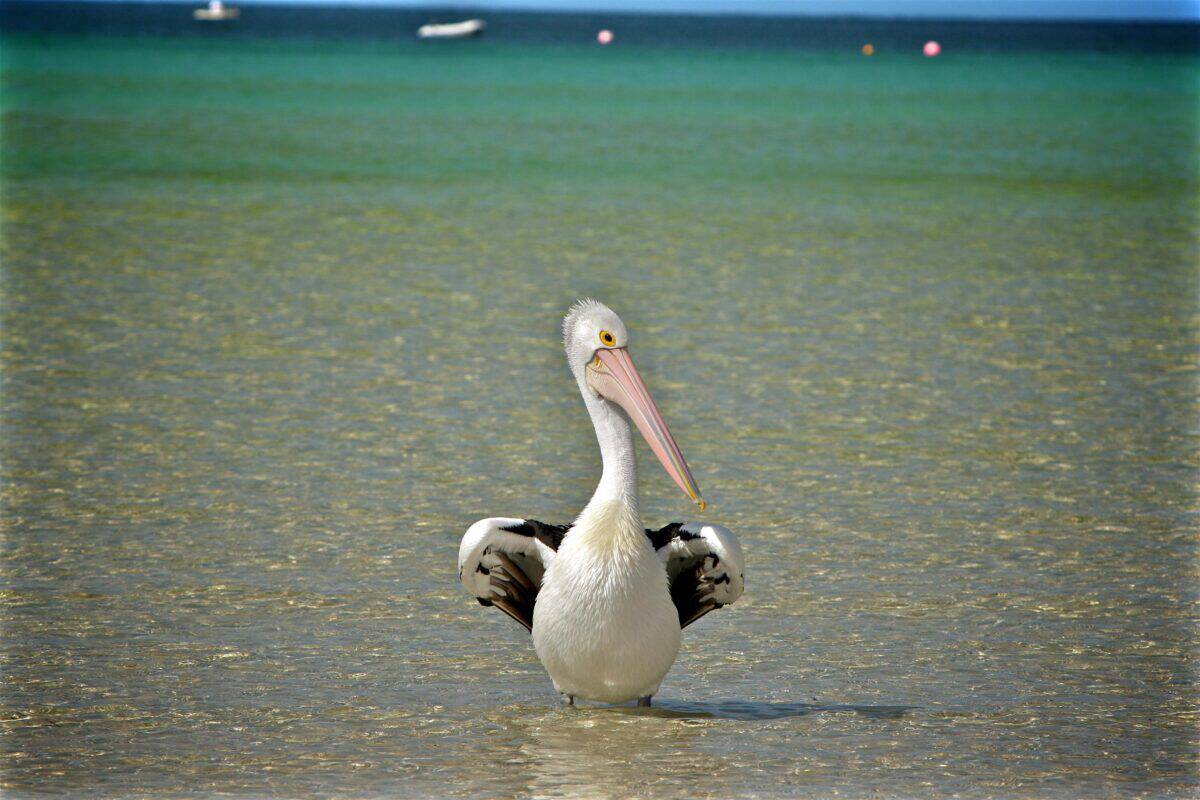
One of the principal contributors to the decline in pelican populations is habitat loss. Wetlands, essential for breeding and feeding, are increasingly being drained or repurposed for agricultural and urban development. This destruction disrupts the pelicans’ breeding cycles and deprives them of food sources, leading to reduced survival rates.
Climate Change and Its Impact

Climate change significantly alters the ecosystems pelicans depend on. Rising temperatures can affect water levels, drastically altering wetland environments. Furthermore, shifting weather patterns may lead to more extreme weather events, which can destroy nests and disrupt migratory routes, further stressing pelican populations.
Human Activities and Disturbance
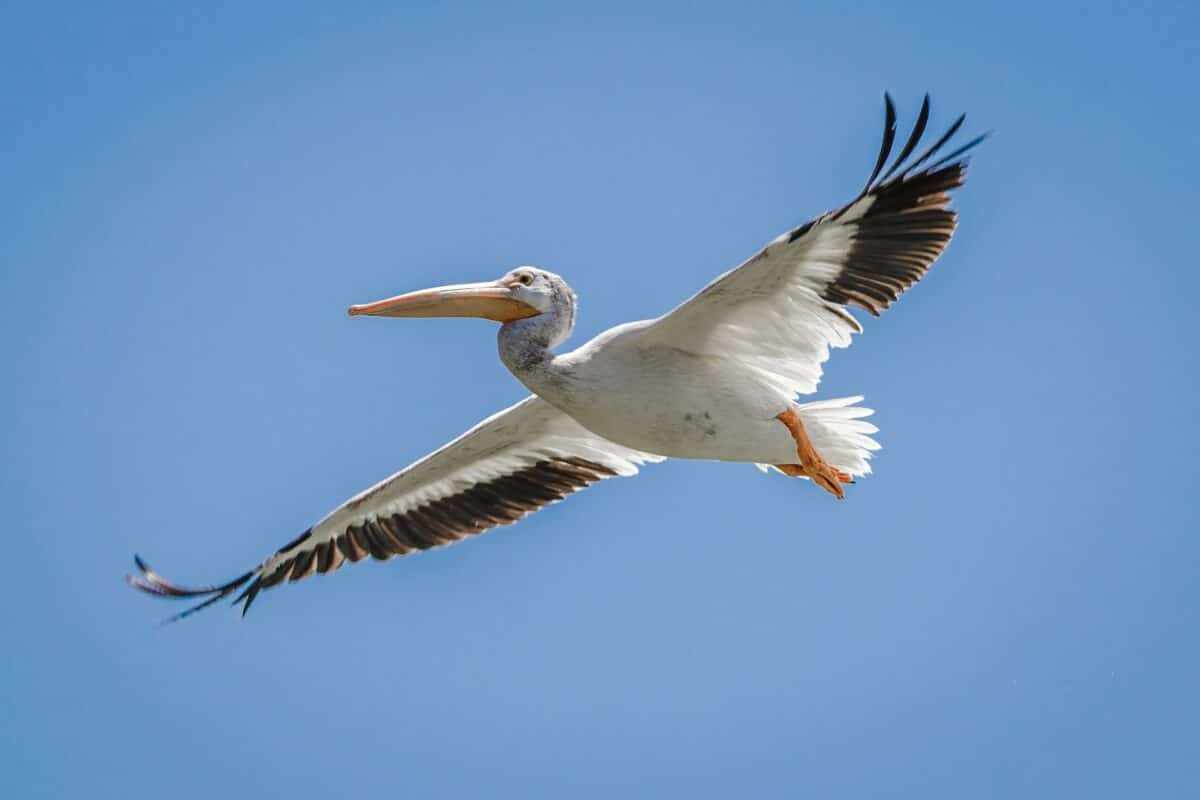
Recreational and fishing activities in critical habitats create disturbances that can lead to habitat abandonment. Boats and kayakers can inadvertently disturb pelican nests, causing parents to flee, leaving young vulnerable to predators and the elements.
Pollution: A Perilous Threat
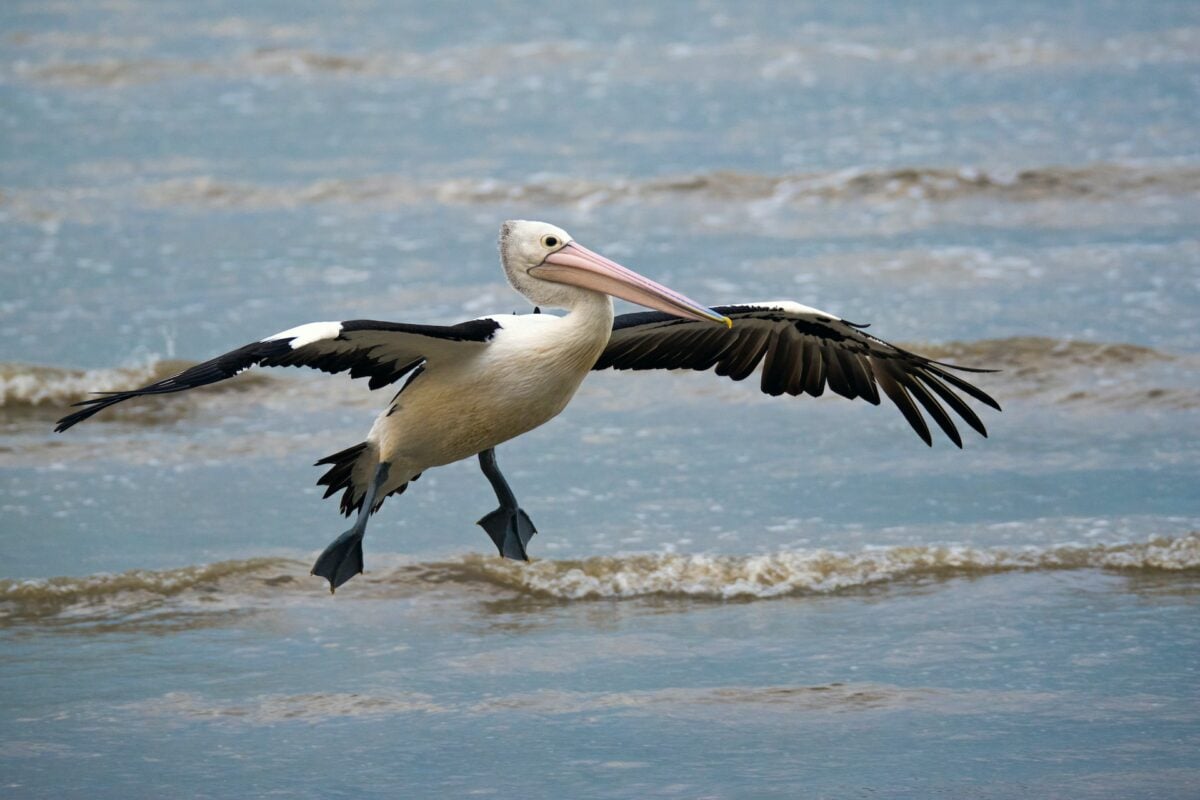
Pollution, particularly from pesticides and industrial runoff, poses a severe threat to pelican health. Consuming contaminated fish can lead to poisoning and reproductive issues, decreasing the viability of eggs and lowering hatch rates. Combating pollution requires robust policies and individual accountability in preserving water quality.
Food Availability and Competition
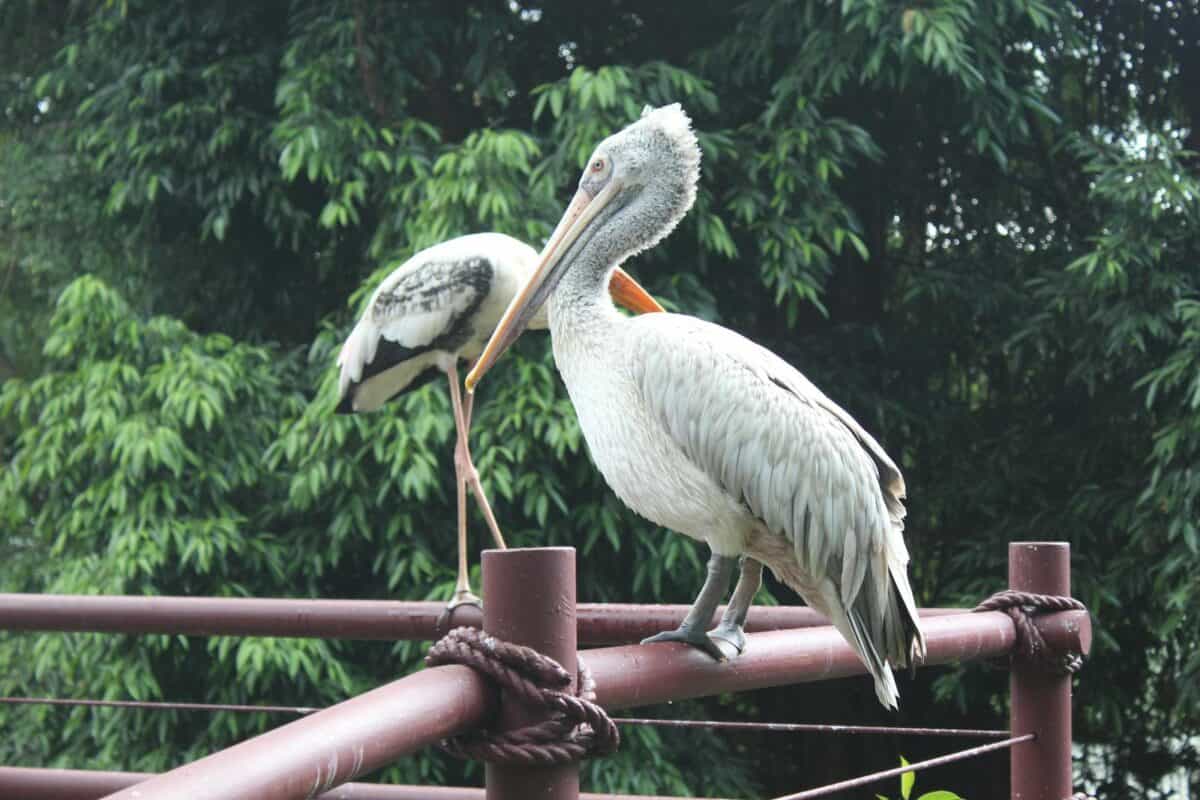
Changes in fish populations, pelicans’ primary food source, due to overfishing or ecological shifts, can lead to food shortages. Increased competition with other avian species for dwindling resources compounds this issue, straining the pelican’s ability to nourish its flock adequately.
Disease and Predation
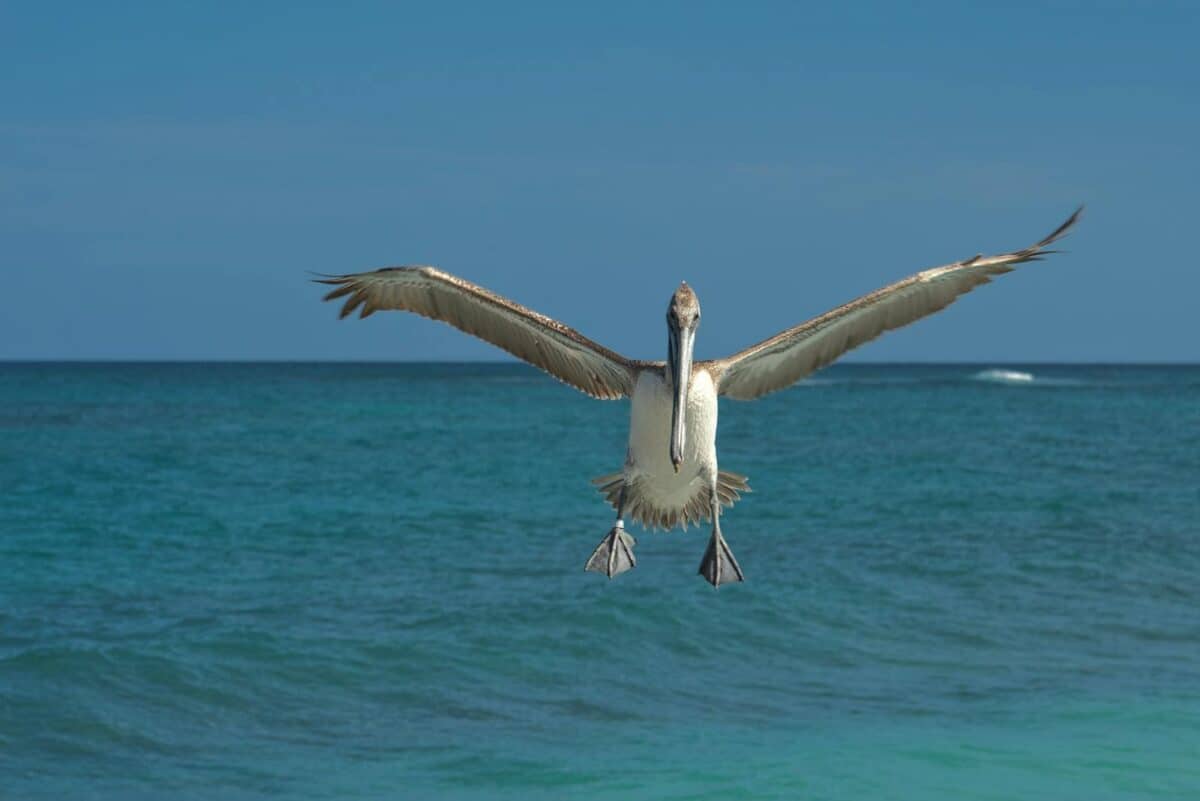
Diseases, such as avian botulism and West Nile virus, are rising due to ecological disturbances. In addition, predator-prey dynamics may shift unfavorably for pelicans as environmental changes bring new predators into their territories. Vigilant monitoring and management are crucial to mitigate these threats.
Conservation Efforts in Action
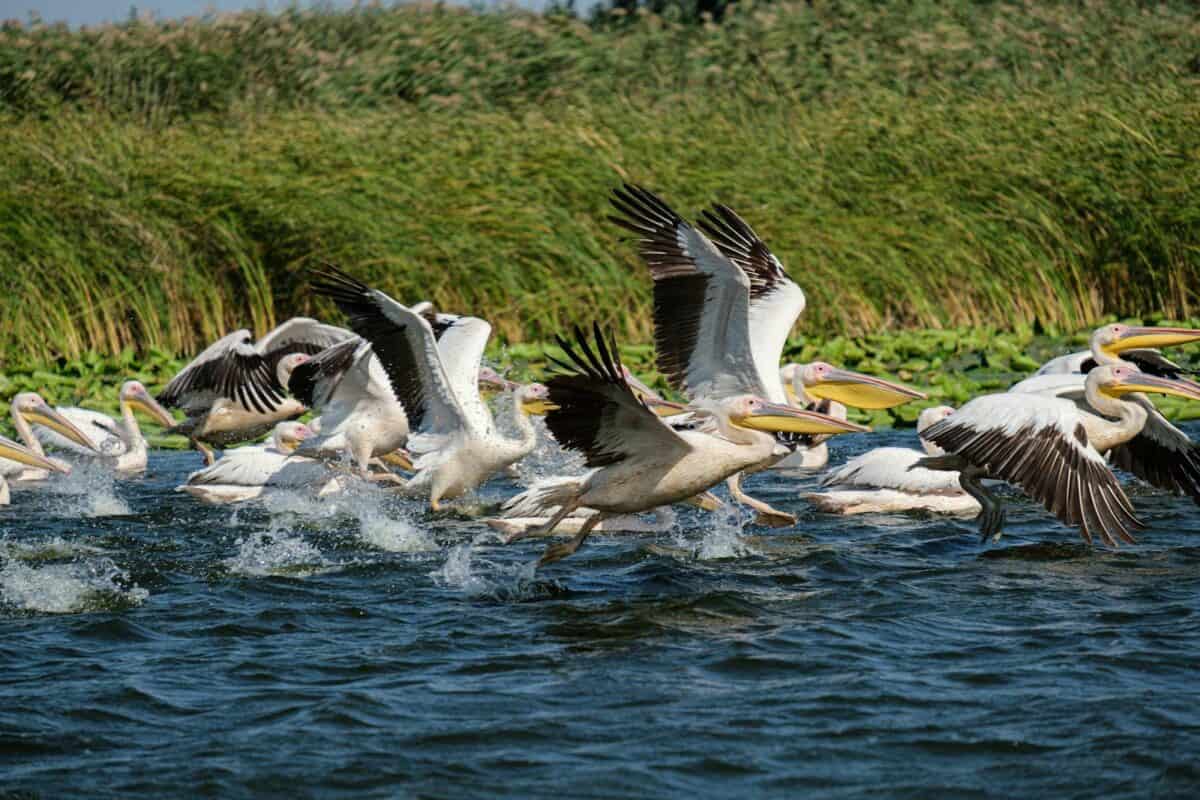
Efforts to protect pelican populations are underway, with initiatives focused on habitat preservation and restoration. Creating protected areas and implementing sustainable land use policies are vital steps in maintaining the integrity of pelican habitats, ensuring these birds have the space and resources they need to thrive.
Community and Educational Programs
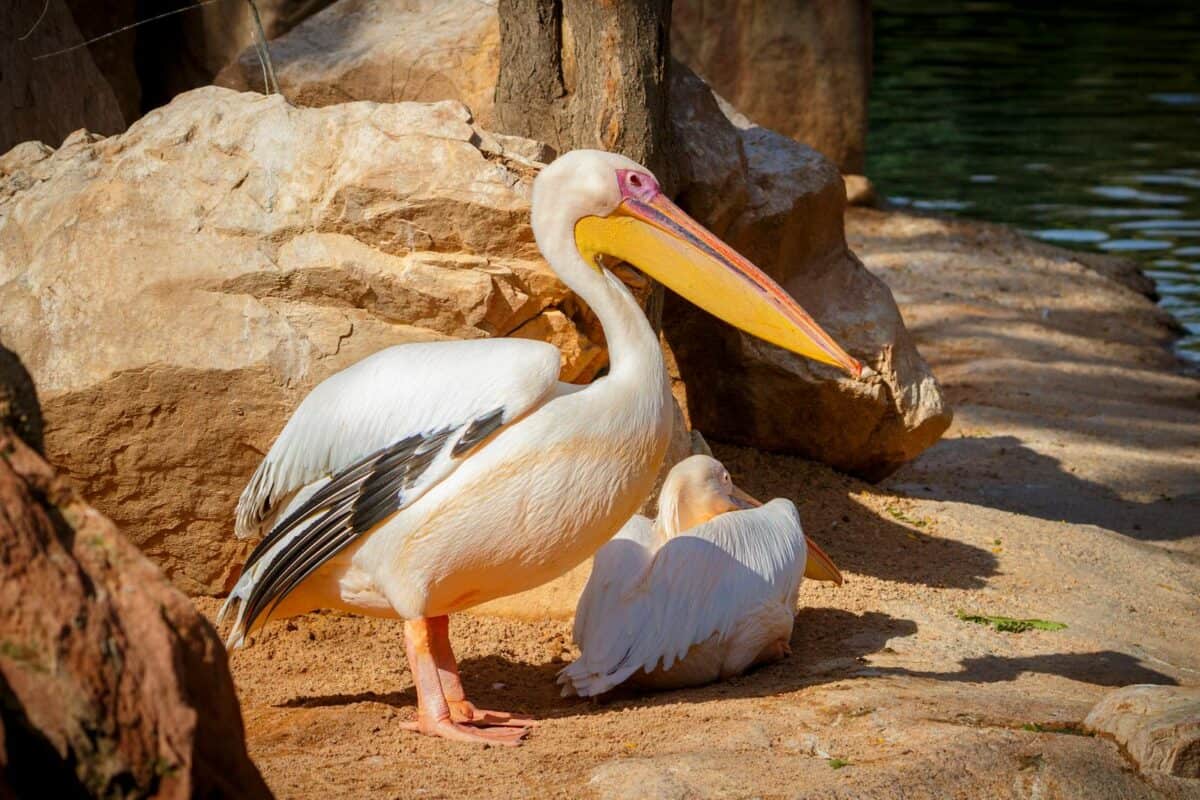
Public awareness and community involvement are paramount. Educational programs aimed at highlighting the plight of pelicans can inspire stewardship among local communities. Citizen science initiatives can also engage enthusiasts to monitor and report on pelican populations, contributing valuable data.
Future Outlook for Pelican Conservation
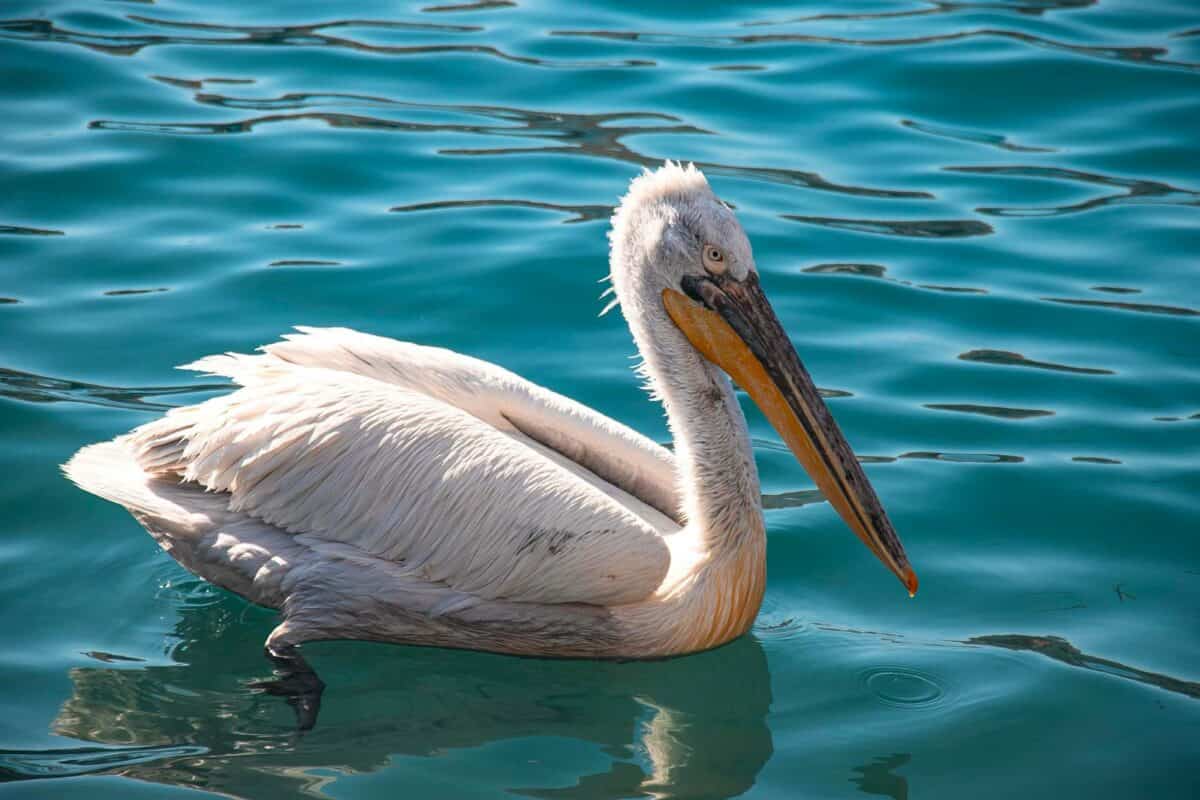
While challenges abound, there is hope for the American white pelican. Updates in conservation technology and strategies are equipping researchers with better tools to protect and manage pelican habitats. Continuous research and adaptive management are key to adapting to ongoing environmental changes.
Conclusion: A Call to Action
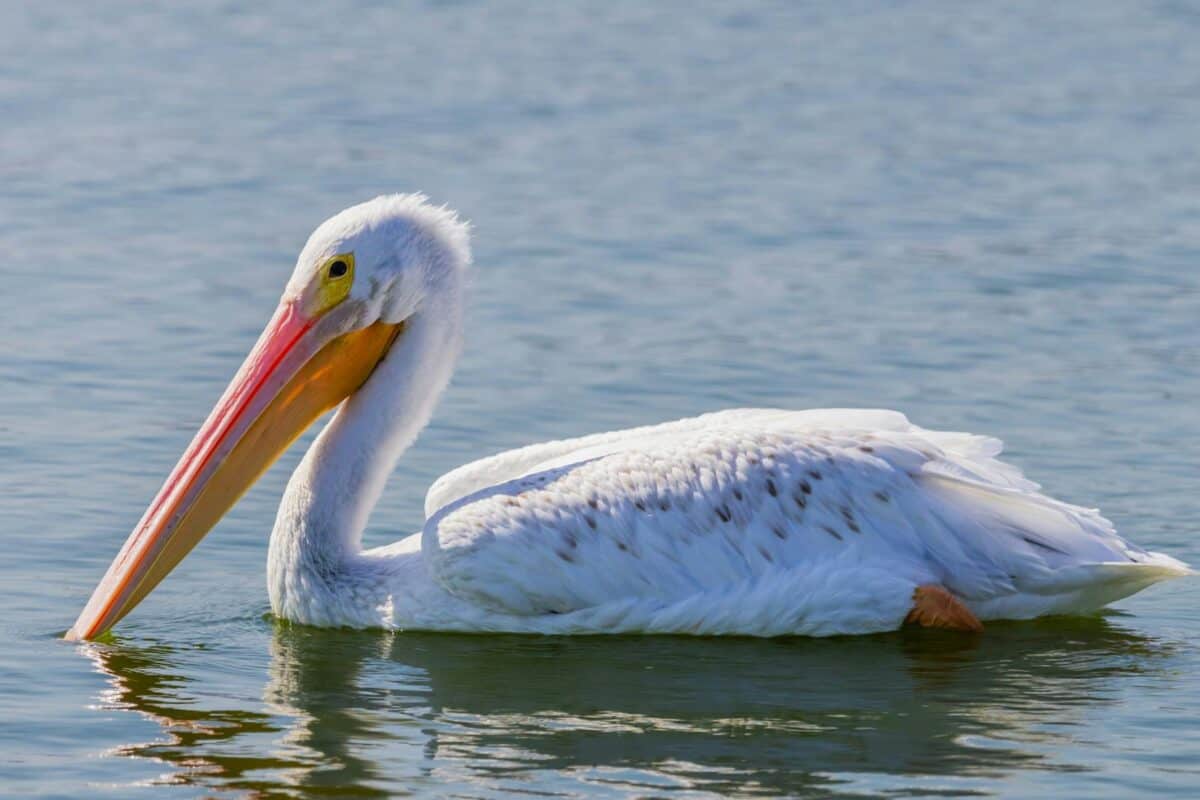
The decline of America’s largest pelican flock is an urgent call for collective action. By addressing habitat loss, pollution, and other threats, we can create a sustainable future for these iconic birds. Preserving pelican populations is not only about protecting a species—it’s about maintaining the ecological balance of their habitats and, by extension, our planet.

- The Secret Language of Dolphins Decoded by Researchers - July 20, 2026
- 7 Animals That Can Survive Extreme Environments You Couldn’t - July 20, 2026
- The Longest Snake Ever Found in the U.S. - July 20, 2026