
In the summer of 2023, U.S. farmers were taken by surprise when a historic hailstorm swept across the Midwest, leaving a trail of devastation. This extraordinary weather event began on a seemingly uneventful day, with meteorologists issuing only mild warnings about potential thunderstorms. Little did anyone know, the conditions were aligning for the largest hailstorm in U.S. history.
Understanding Hailstorms: A Meteorological Overview
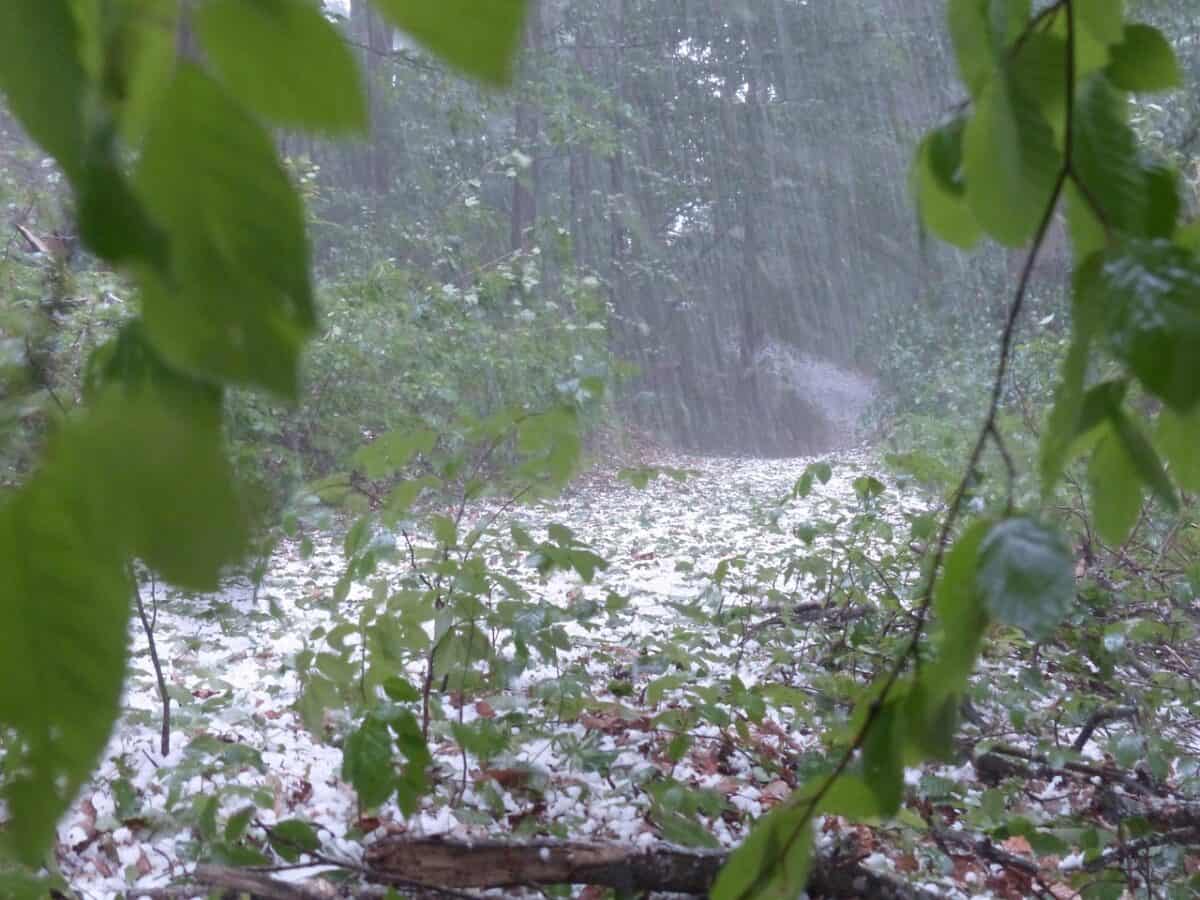
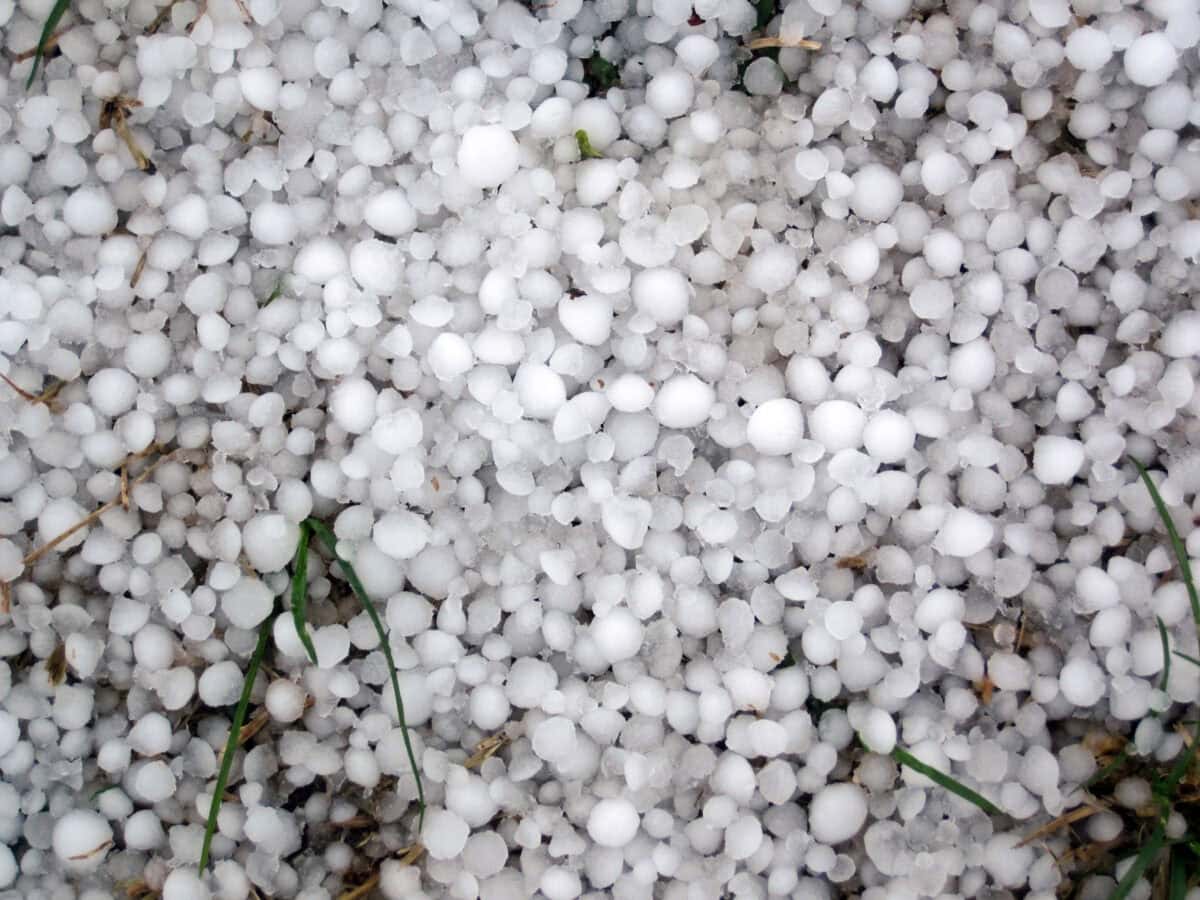
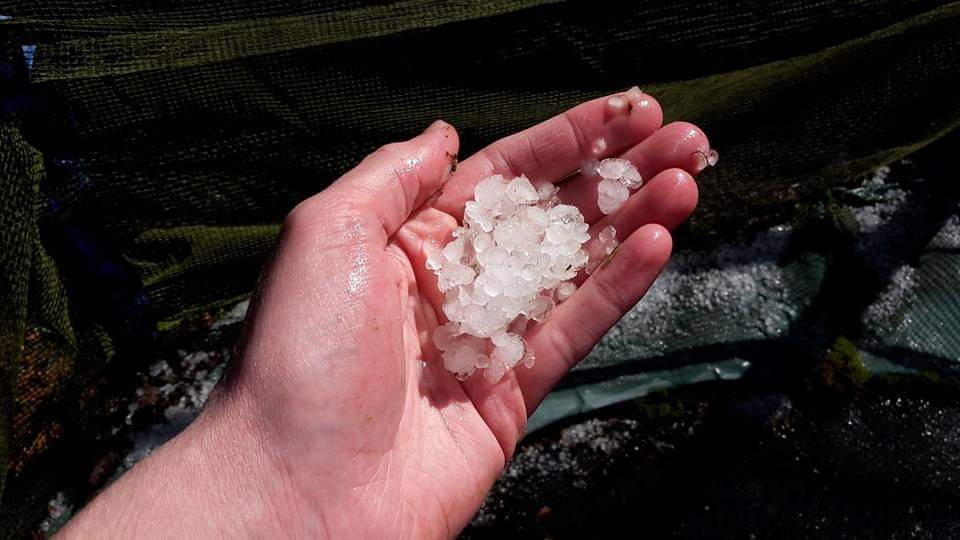
Hail forms when updrafts in thunderstorms carry raindrops into extremely cold areas of the atmosphere where they freeze into ice. When the ice particles collide with water droplets, they form hailstones. The size of the hailstones depends on how long they remain suspended in the cloud, accumulating layers of ice.
The Scale of the Destruction
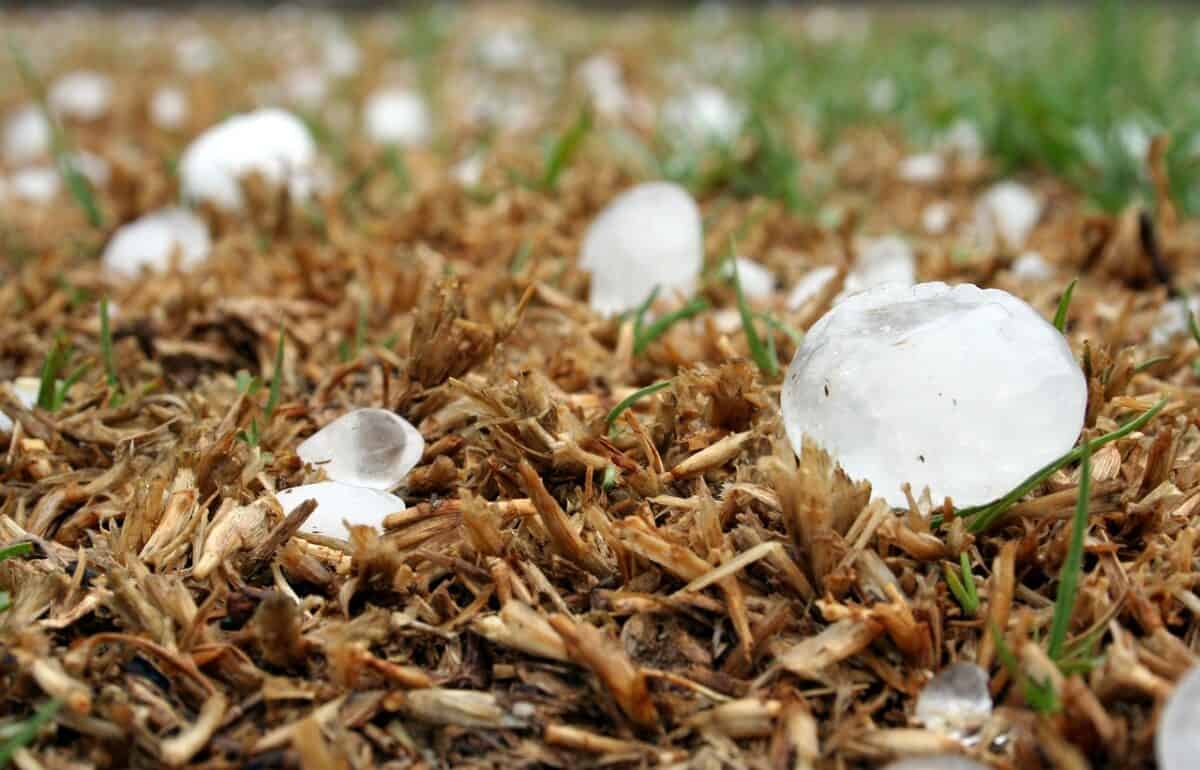
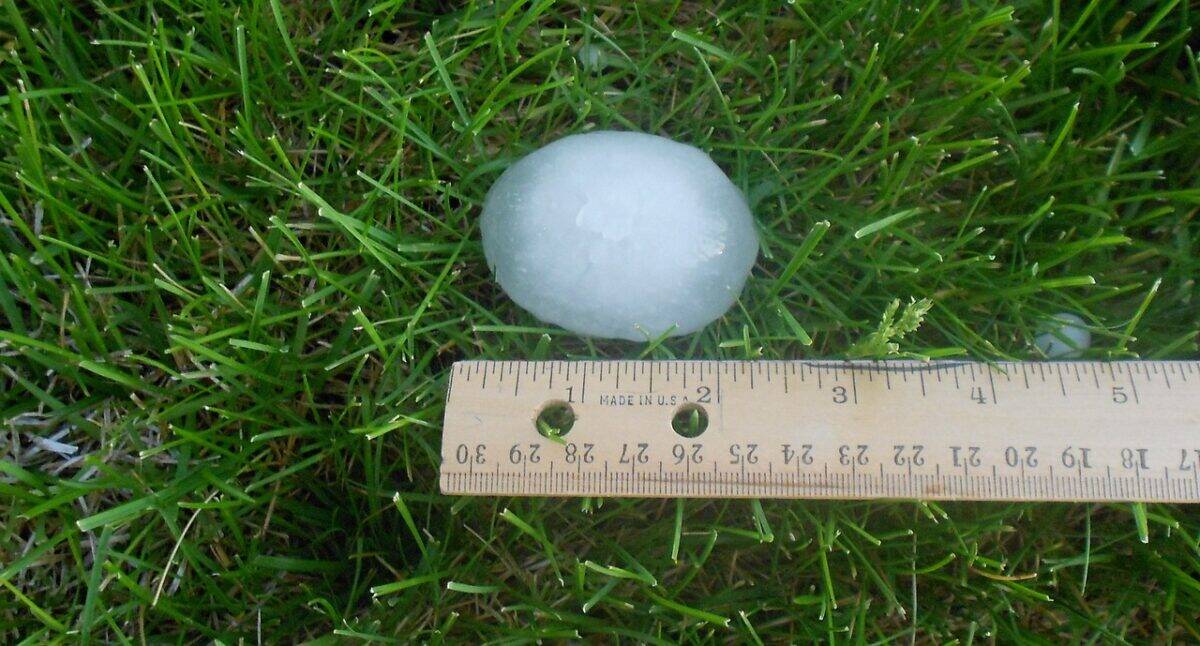
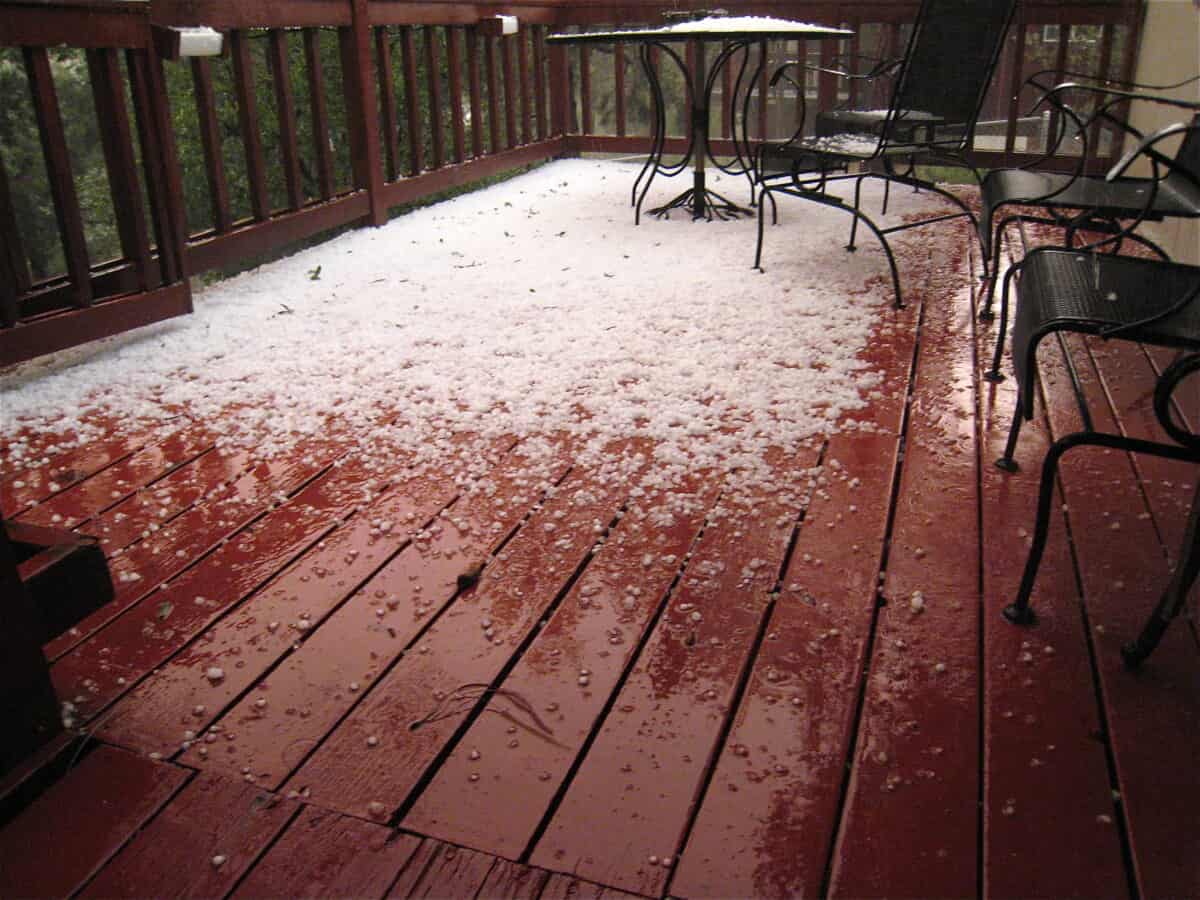
The sheer magnitude of this hailstorm was unprecedented. Hailstones reportedly reached the size of grapefruits, causing severe damage to crops, vehicles, and buildings. In some areas, the storm spared nothing in its path, flattening fields of corn and soybeans during what should have been a promising harvest season.
The Economic Impact on Farmers

The implications for farmers were catastrophic, both in the immediate aftermath and for the long-term viability of their agricultural enterprises. Many farmers were left grappling with financial ruin, as insurance often failed to cover the comprehensive losses. The ripple effects extended beyond individual farms, affecting local economies dependent on agriculture.
Environmental Implications of Giant Hail

The environmental consequences of such a destructive hailstorm are profound. Beyond the visible damage, these weather events disrupt ecosystems, affect soil quality, and can lead to increased erosion. Moreover, the loss of crops means a significant decrease in biomass, altering habitat and food availability for local wildlife.
The Role of Climate Change
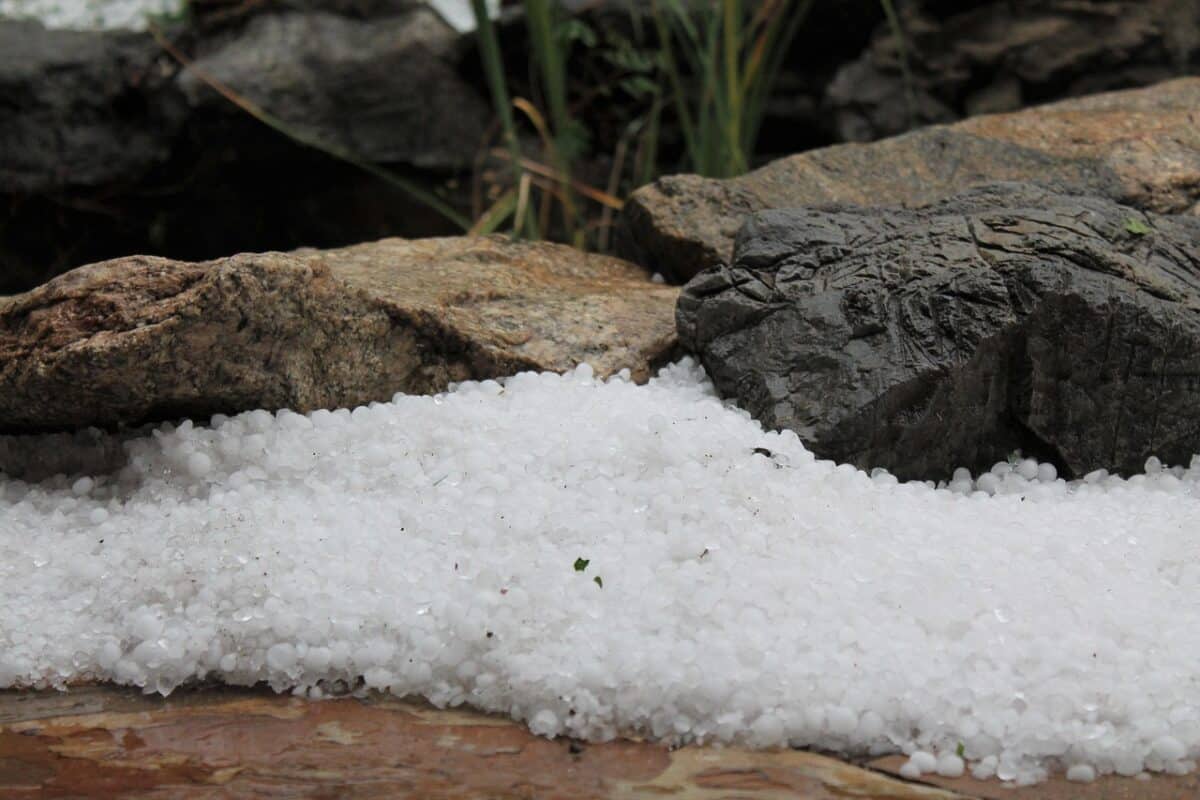
While it’s challenging to attribute a single event directly to climate change, scientists suggest that global warming may increase the frequency and intensity of severe weather conditions, including hailstorms. Warmer atmospheric conditions provide more energy for storm development, leading to larger, more destructive hail.
Resilience and Recovery: The Road Ahead
For many affected farmers, recovery is a long-term process. Strategies include diversifying crops, investing in more resistant varieties, and implementing advanced weather prediction technologies to mitigate future risks. Community support and government aid play crucial roles in aiding recovery and promoting resilience.
Innovations in Weather Forecasting
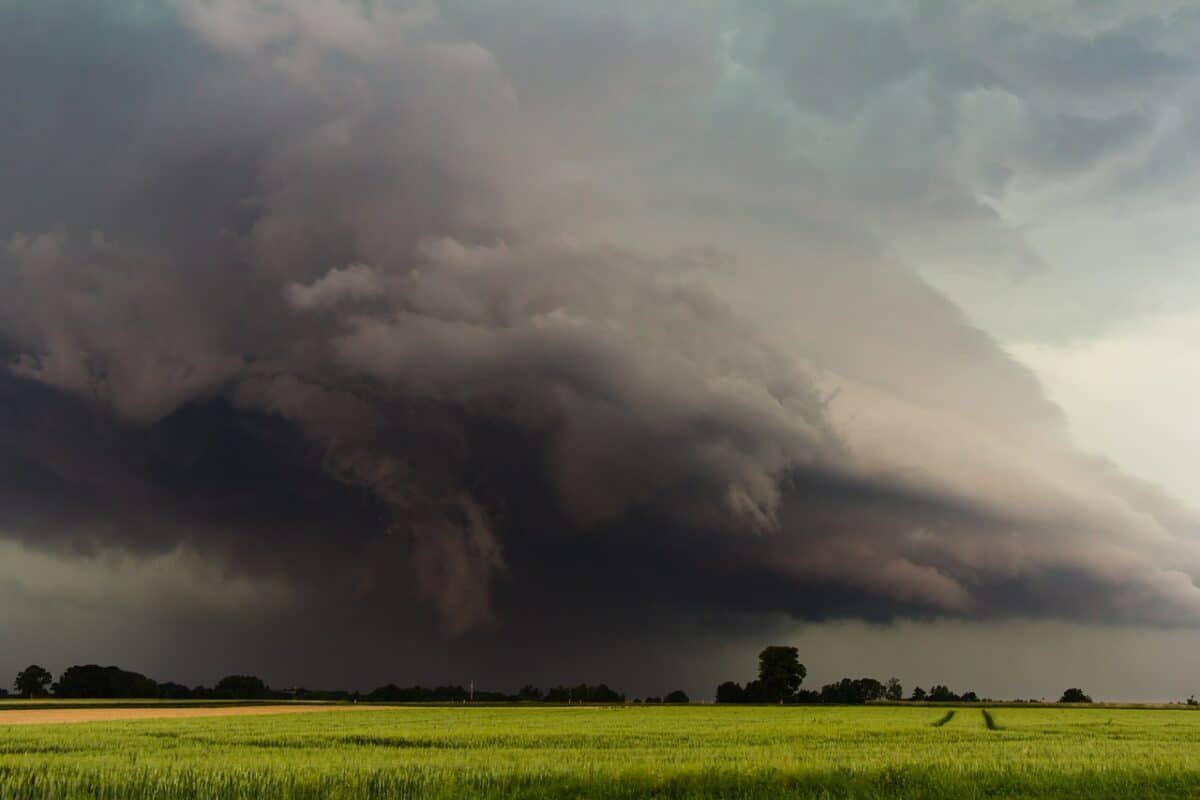
The magnitude of this storm has accelerated advancements in meteorological technology. Improved radar systems and predictive models are being developed to provide earlier and more accurate warnings, giving farmers and citizens alike a better chance to prepare and reduce the impact of future storms.
Insurance and Risk Management for Farmers
In the wake of disaster, the importance of effective insurance and risk management strategies becomes glaring. Farmers are urged to review their policies and consider additional coverage options tailored to severe weather events. Education on risk management and strategic planning can enhance resilience against future natural disasters.
Community Spirit: Stories of Solidarity
Amidst the devastation, stories of community support and solidarity have emerged. Neighbors have come together to rebuild and assist those in need, sharing resources, labor, and financial assistance. Such communal efforts emphasize the strength and resilience of rural communities facing adversity.
The Silver Lining: Opportunities for Innovation

While the storm brought significant challenges, it also presented opportunities for embracing new technologies and farming practices. Innovations such as climate-resilient crops and regenerative agriculture techniques are gaining attention as farmers adapt to a changing climate paradigm.
Looking to the Future: Preparing for the Unpredictable
As the frequency of severe weather events is expected to rise, preparation and adaptation are key. Farmers are encouraged to remain informed, connected, and proactive in adjusting their practices to the evolving climate. Collaborative efforts between scientists, policymakers, and farmers are crucial in crafting sustainable futures.
Conclusion: The Lessons of Nature’s Power
The largest hailstorm in U.S. history has left an indelible mark not only on the landscape but also on the hearts and minds of those who rely on it for their livelihoods. As recovery continues, the event serves as a reminder of nature’s power and the resilience required to thrive. By learning from this experience and taking proactive measures, the farming community hopes to confront future challenges with strength and foresight.

- This Tiny Insect Can Survive in Outer Space—Here’s How - July 21, 2026
- Could the Tasmanian Tiger Be Brought Back to Life? - July 21, 2026
- Why You Should Never Approach a Sleeping Hippo - July 21, 2026