
Nature has a way of producing creatures that make us question everything we thought we knew about biology. Some animals have developed abilities so extraordinary that they seem to belong more in science fiction than in the real world. These remarkable survivors have evolved mechanisms that allow them to endure conditions that would be instantly fatal to most other forms of life.
From microscopic organisms that can survive the vacuum of space to amphibians that regrow entire limbs, the animal kingdom is full of beings that challenge our understanding of what’s possible. Their survival strategies aren’t just impressive party tricks. They represent millions of years of evolution pushing the boundaries of biological possibility. What makes these creatures even more fascinating is that scientists are only now beginning to understand the complex mechanisms behind their abilities, and the secrets they hold might one day revolutionize medicine and technology.
So let’s dive into the world of these incredible survivors and discover what makes them so special.
Tardigrade: The Indestructible Water Bear
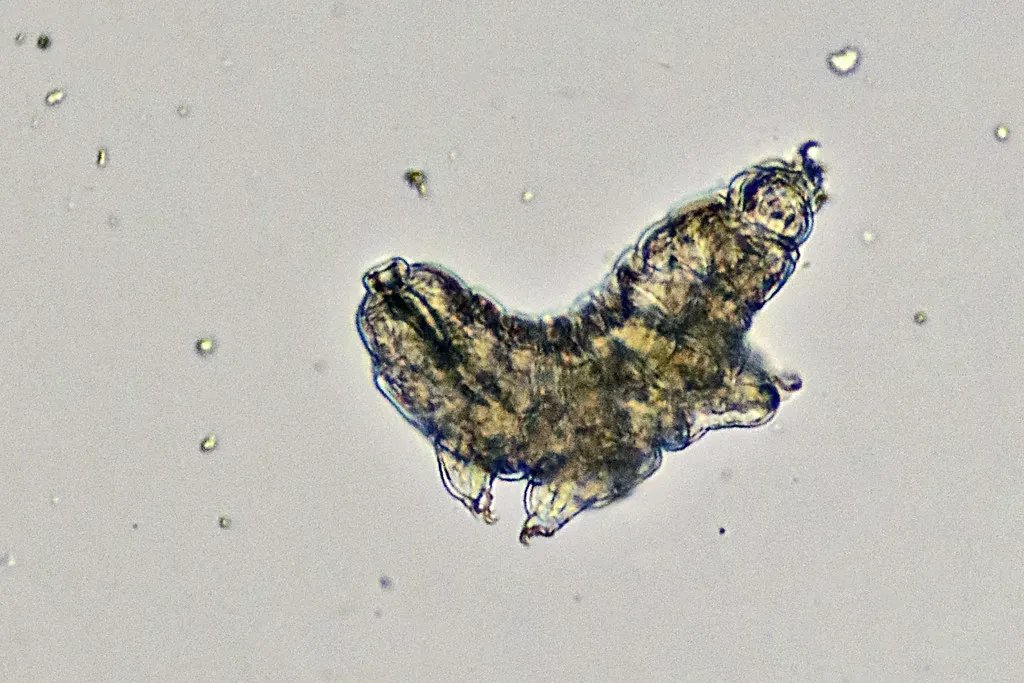
Tardigrades may be nature’s ultimate survivors, successfully colonizing freshwater, marine, and terrestrial environments on every continent, including Antarctica, thanks to their unparalleled ability to survive extreme conditions resistant to drought, high doses of radiation, low oxygen environments, and both high and low temperatures and pressures. These microscopic creatures, measuring barely half a millimeter when fully grown, look like chubby eight-legged bears under a microscope, which explains their adorable nickname.
The tardigrades’ key to survival is their ability to enter a state of arrested metabolism called cryptobiosis, which they achieve by drying down to just about two percent of their normal water content, curling up into a spherical ball with their legs hidden. In this state, they can survive without food or water for decades. When conditions improve, just add water and they spring back to life as if nothing happened.
They endure extreme conditions by pausing all metabolic activities, undergoing different types of cryptobiosis based on environmental stressors such as lack of water, high osmotic pressure, low temperatures, and lack of oxygen, withstanding temperatures from near absolute zero to well above boiling, as well as both crushing pressures and the vacuum of space. A protein named Dsup, found only in tardigrades, binds and forms a protective cloud against extreme survival threats such as radiation damage.
NASA is currently studying their survival skills on the International Space Station in the hope that these tiny animals can provide clues on how humans can survive long-duration space travel. The implications for space exploration and medicine are staggering. It’s honestly hard to wrap your mind around the fact that something so small could be so incredibly tough.
Immortal Jellyfish: The Creature That Cheats Death
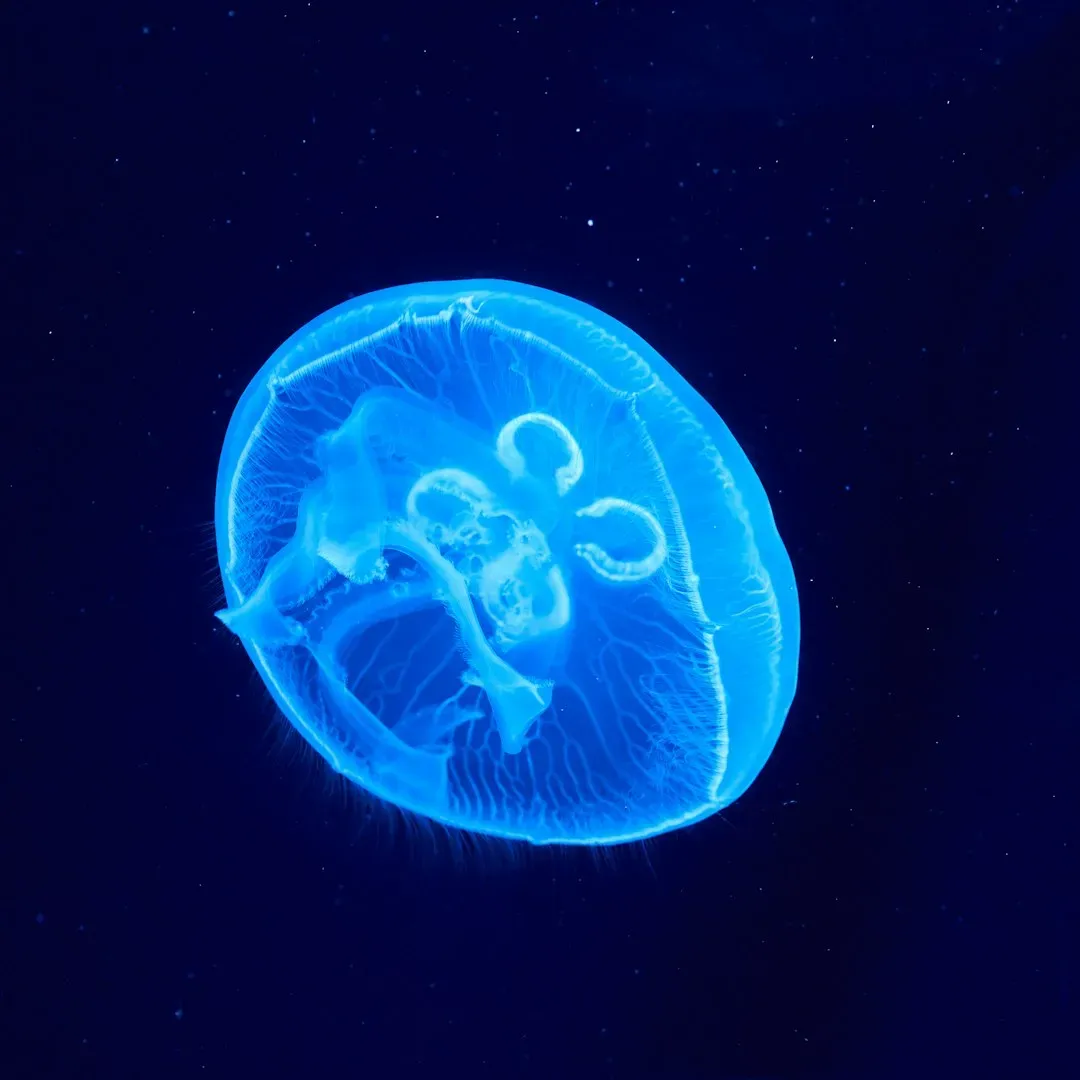
Turritopsis dohrnii, also known as the immortal jellyfish, is a species of small, biologically immortal jellyfish found worldwide in temperate to tropic waters. This tiny translucent creature has accomplished what humans have dreamed about for millennia. It can literally turn back its biological clock.
If the jellyfish is exposed to environmental stress, physical assault, or is sick or old, it can revert from its mature medusa stage back to its juvenile polyp stage through the cell development process of transdifferentiation, which alters the differentiated state of cells and transforms them into new types of cells, and theoretically this process can go on indefinitely. Think of it like a butterfly transforming back into a caterpillar whenever life gets tough.
It’s an ability powered by transdifferentiation, which is basically when a fully formed specialized adult cell can become another type of specialized adult cell. Let’s be real, this is absolutely wild from a biological standpoint. When the jar was next checked after students collected and monitored the jellyfish, they were surprised to find many newly settled polyps, and they found that when stressed, the medusae would fall to the bottom and transform into polyps without fertilisation or the typical larval stage occurring, and the discovery captured the world’s attention.
The immortal jellyfish isn’t truly invincible though. Because it is tiny and easily preyed upon, it is frequently eaten by fish, sea turtles, slugs and other sea creatures, so they are perfectly capable of dying. Still, the potential applications for understanding aging and cellular regeneration in humans make this creature invaluable to science.
Naked Mole Rat: The Cancer-Proof Rodent
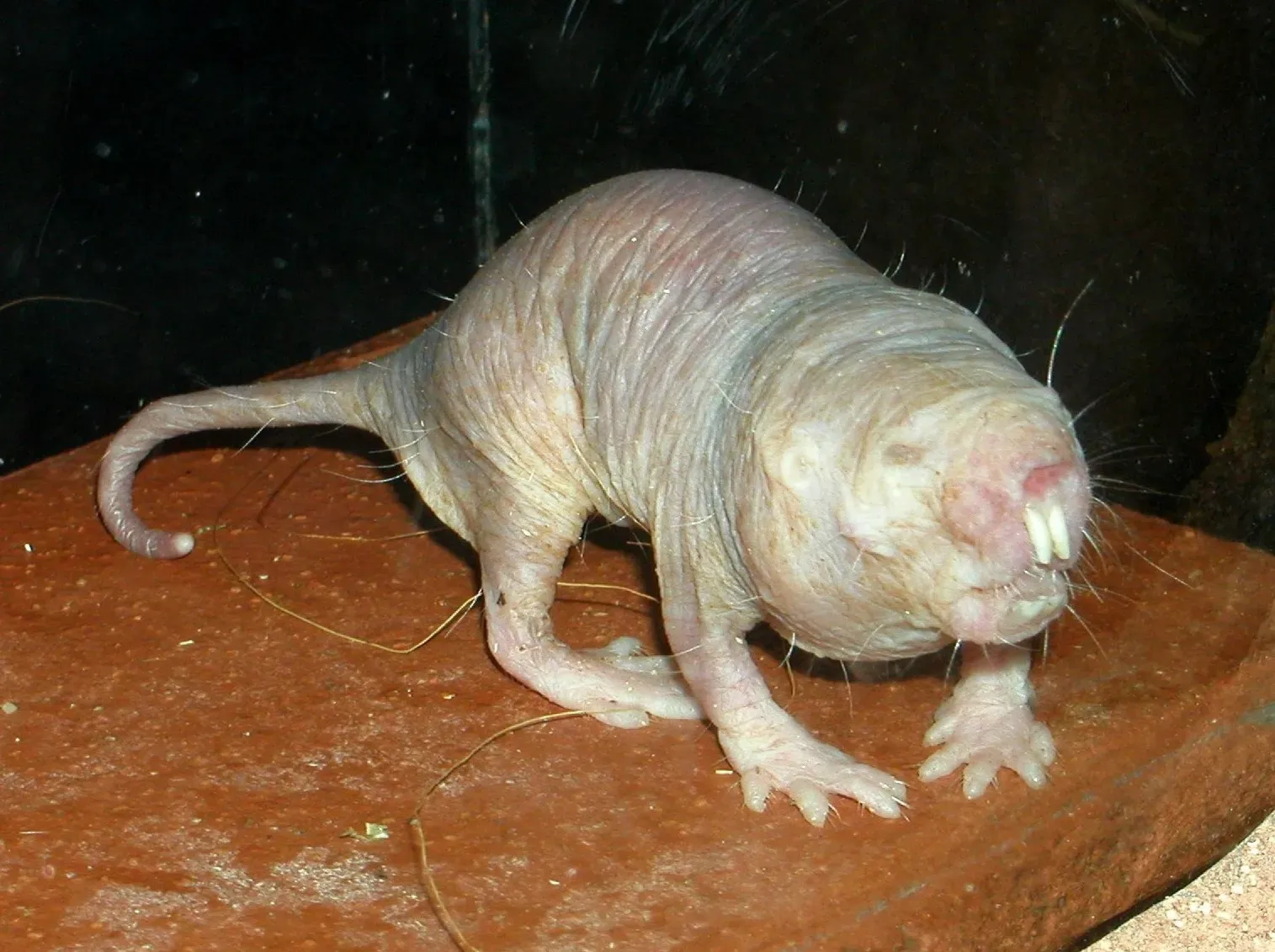
These wrinkled, buck-toothed creatures might not win any beauty contests, but they’re biological marvels. Naked mole rats are mouse-sized rodents that have exceptional longevity for rodents of their size, living up to 41 years, nearly ten times as long as similar-size rodents, and unlike many other species, they do not often contract diseases including neurodegeneration, cardiovascular disease, arthritis, and cancer as they age.
In addition to their longevity, naked mole rats show an unusual resistance to cancer, with multi-year observations of large colonies not detecting a single incidence of cancer. Here’s the thing: scientists discovered their secret weapon. Naked mole rat fibroblasts secrete extremely high molecular weight hyaluronan which is over five times larger than human or mouse hyaluronan, and this high molecular weight substance accumulates abundantly in their tissues due to decreased activity of degrading enzymes and a unique sequence of hyaluronan synthase.
Researchers previously discovered that high molecular weight hyaluronan is one mechanism responsible for their unusual resistance to cancer, with naked mole rats having about ten times more in their bodies compared to mice and humans, and when it was removed from their cells, the cells were more likely to form tumors. What sets them apart is the microenvironment, the complex system of cells and molecules surrounding a cell including the immune system, with interactions stopping the initial stages of cancer from developing into tumours.
Their longevity and disease resistance make them one of the most studied animals in aging research today.
Axolotl: The Master of Regeneration
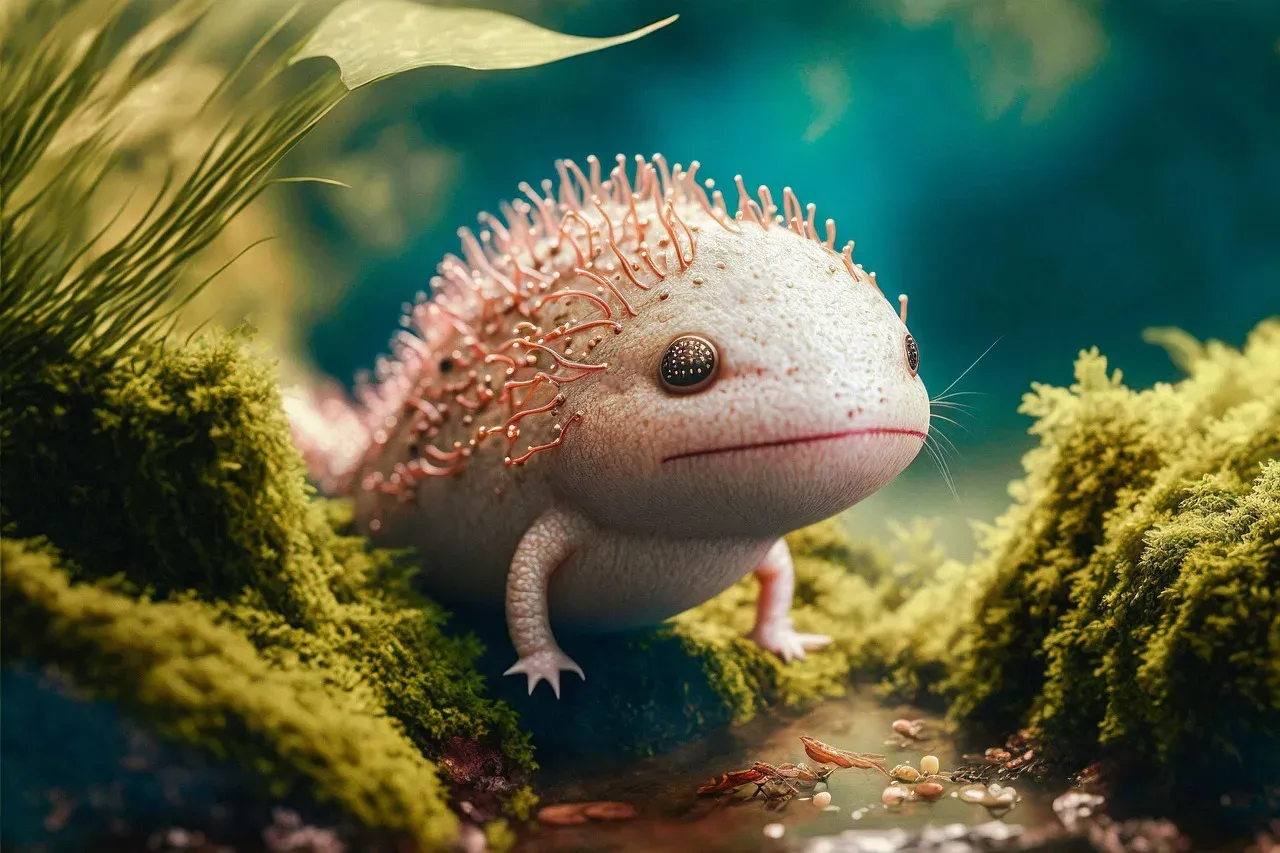
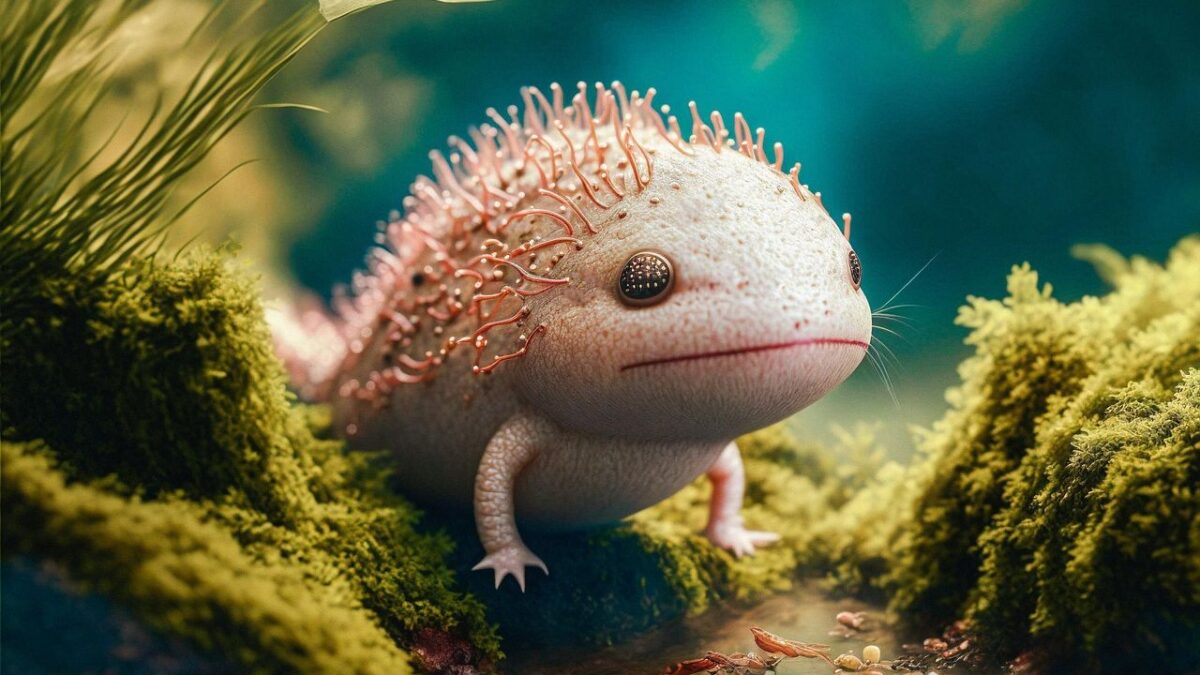
The axolotl is one of the few tetrapods capable of regenerating complicated biological structures such as complete limbs throughout adulthood, generating a population of regeneration-competent limb progenitor cells known as the blastema which will grow, establish pattern, and differentiate into the missing limb structures. These perpetually smiling salamanders don’t just heal wounds. They regrow entire body parts with perfect precision.
Unlike humans, the axolotl has the superpower of regenerating its limbs, spinal cord, heart, and other organs. What’s truly mind-blowing is that they don’t just slap together a rough approximation. The regenerated limbs contain all the original structures including bones, muscles, nerves, and blood vessels, functionally identical to the original.
Researchers have discovered that it is not how much of a key molecule called retinoic acid that allows axolotls to regenerate limbs properly, it is how little, and this new knowledge moves researchers closer to enabling tissue repair and possibly limb regeneration in humans, with the key being how that critical molecule degrades. In the arm, axolotls have more retinoic acid in their shoulders and less in their hands, with the retinoic acid acting as a cue to regenerative cells called fibroblasts, telling them what to grow back and how much.
Scientists hope that unlocking the secrets of axolotl regeneration could revolutionize human medicine. Honestly, we share many of the same genes, so the possibilities are tantalizing.
Wood Frog: The Frozen Survivor
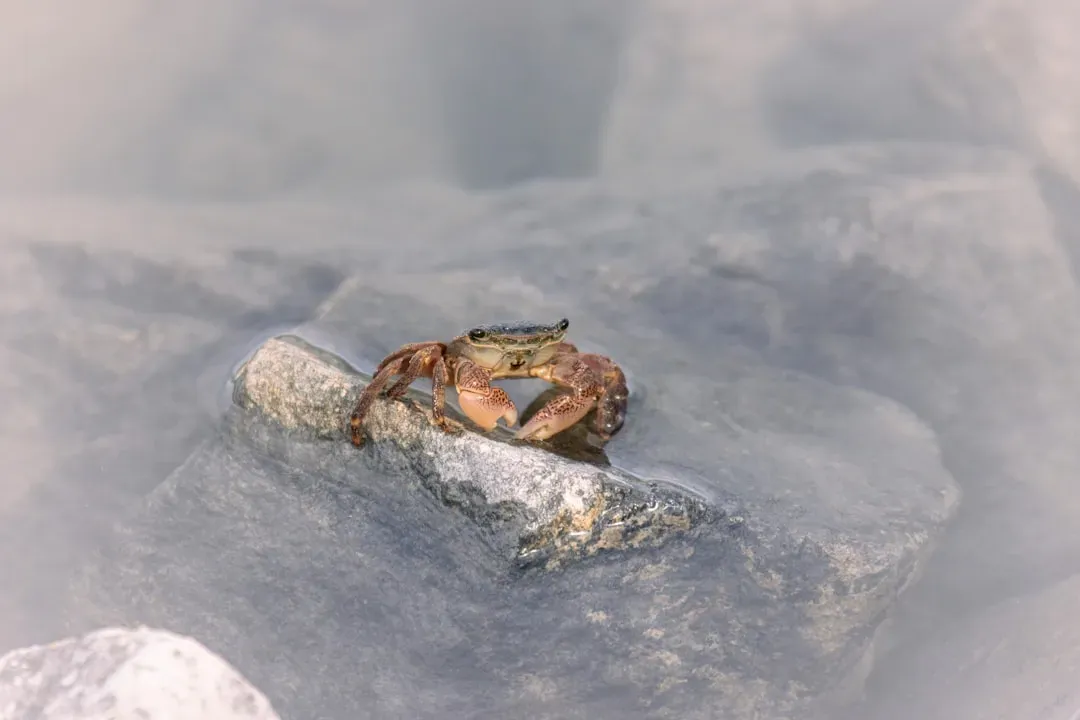
Animals like the wood frog can survive freezing winters by literally freezing solid and thawing later, accumulating glucose to prevent ice damage in cells during freezing, a survival mechanism akin to biological cryonics. Picture this: a frog that becomes a frogsicle every winter and then casually thaws out in spring like nothing happened.
During winter, roughly two thirds of the wood frog’s body water turns to ice. Their heart stops beating. They stop breathing. By any conventional definition, they appear dead. Yet when temperatures rise, these remarkable amphibians thaw out and hop away completely unharmed.
The secret lies in their ability to flood their cells with glucose and other cryoprotectants that prevent ice crystals from forming inside cells, which would otherwise rupture cell membranes and cause fatal damage. Ice does form, but it’s carefully controlled to occur only in spaces between cells where it won’t cause damage.
This incredible adaptation allows wood frogs to survive in regions where temperatures plunge well below freezing for months. They’re living proof that what seems impossible can become routine through evolution. The medical implications for organ preservation and cryogenic storage are enormous.
Mantis Shrimp: The Underwater Boxer
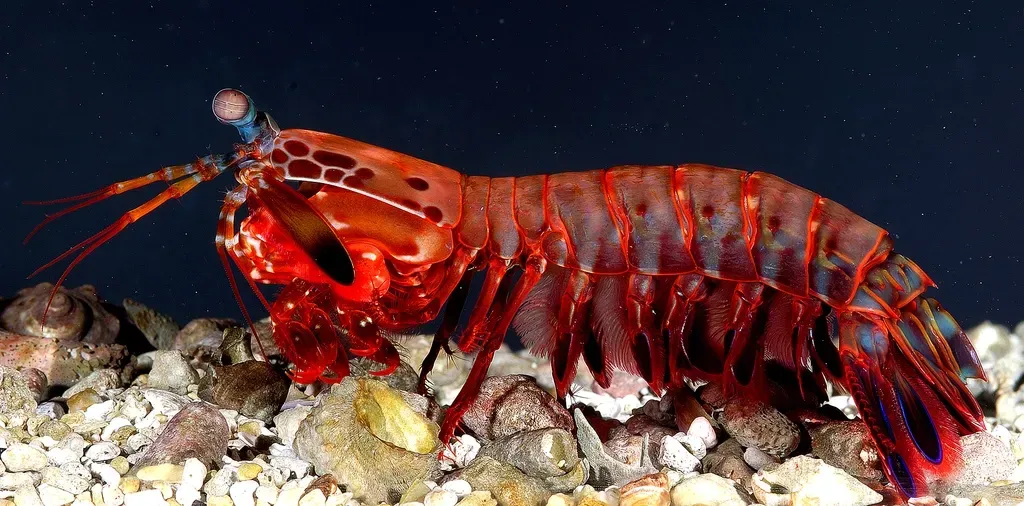
With a punch that can rival a bullet, the mantis shrimp has hammer-like limbs that strike with such speed they create cavitation bubbles momentarily reaching temperatures akin to the sun’s surface, and these bubbles produce a shock wave capable of smashing aquarium glass. These colorful crustaceans pack one of the most powerful punches in the animal kingdom relative to their size.
Their spring-loaded appendages accelerate faster than a bullet from a gun. The strike is so fast that it boils the water around it, creating a phenomenon called cavitation. When those bubbles collapse, they release an additional shockwave, essentially giving their prey a devastating one-two punch.
Beyond its physical prowess, the mantis shrimp boasts extraordinary vision with 12 types of color receptors, and this unique ability aids in hunting and communication in the dim ocean depths. For comparison, humans have only three types of color receptors. Their visual system is so complex that scientists are still trying to fully understand how they process what they see.
It’s hard to say for sure, but the mantis shrimp might just have the most sophisticated visual system of any creature on Earth. Their combination of devastating power and incredible sensory abilities makes them true marvels of evolution.
Bombardier Beetle: The Chemical Warfare Expert
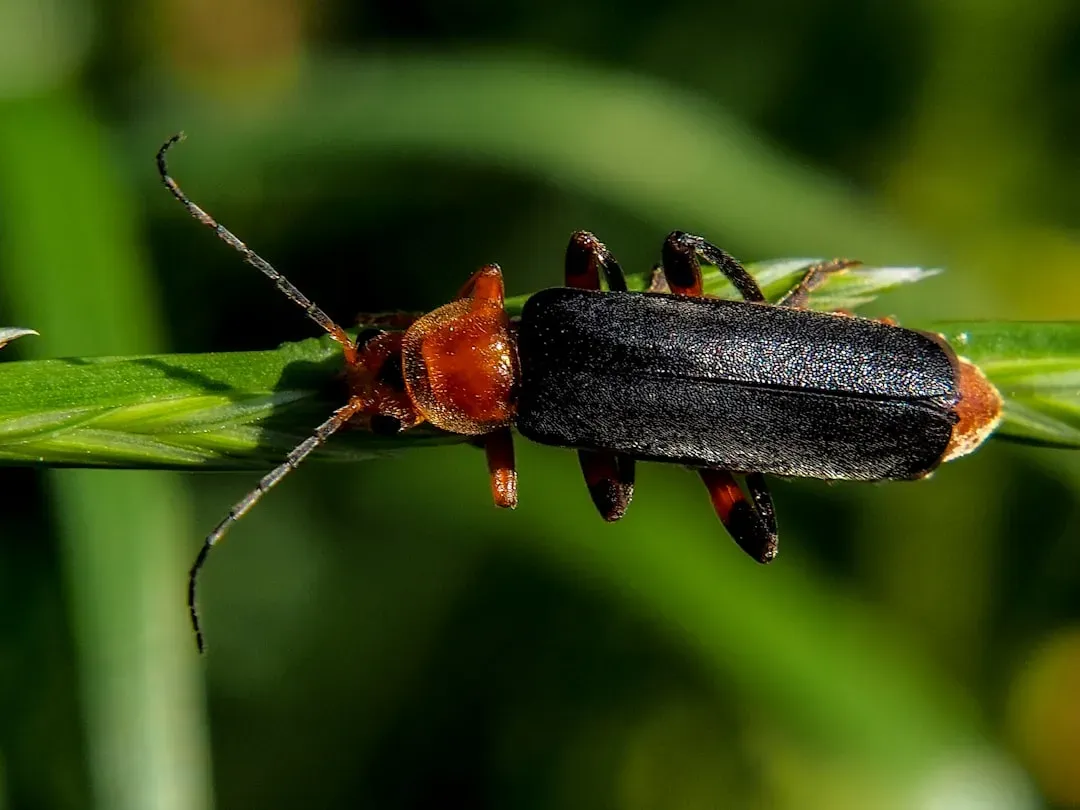
The bombardier beetle has evolved one of the most explosive defense mechanisms in nature, a chemical weapon system that mixes two chemicals, hydroquinone and hydrogen peroxide, stored in separate chambers, and when combined with catalytic enzymes, they create a violent exothermic reaction reaching 212 degrees Fahrenheit, resulting in a boiling, caustic spray ejected with an audible pop up to roughly eight inches away, often directly into the face of attackers.
The beetle can precisely aim this chemical spray in nearly any direction. Even more remarkably, bombardier beetles can fire up to 20 consecutive blasts in rapid succession, enough to deter most predators including frogs, birds, and small mammals, demonstrating the incredible complexity that can evolve even in small insects when survival is at stake.
Let’s be real, this is basically a tiny insect with a flamethrower built into its body. The precision required to mix volatile chemicals at exactly the right moment, in exactly the right proportions, without blowing yourself up is astounding. The reaction chamber where the chemicals combine is reinforced to withstand the explosive force.
Scientists and engineers have studied the bombardier beetle’s defense system for applications in everything from fuel injection systems to fire suppression technology. Nature, it turns out, figured out controlled explosions long before humans did.
Desert Snail: The Master of Patience
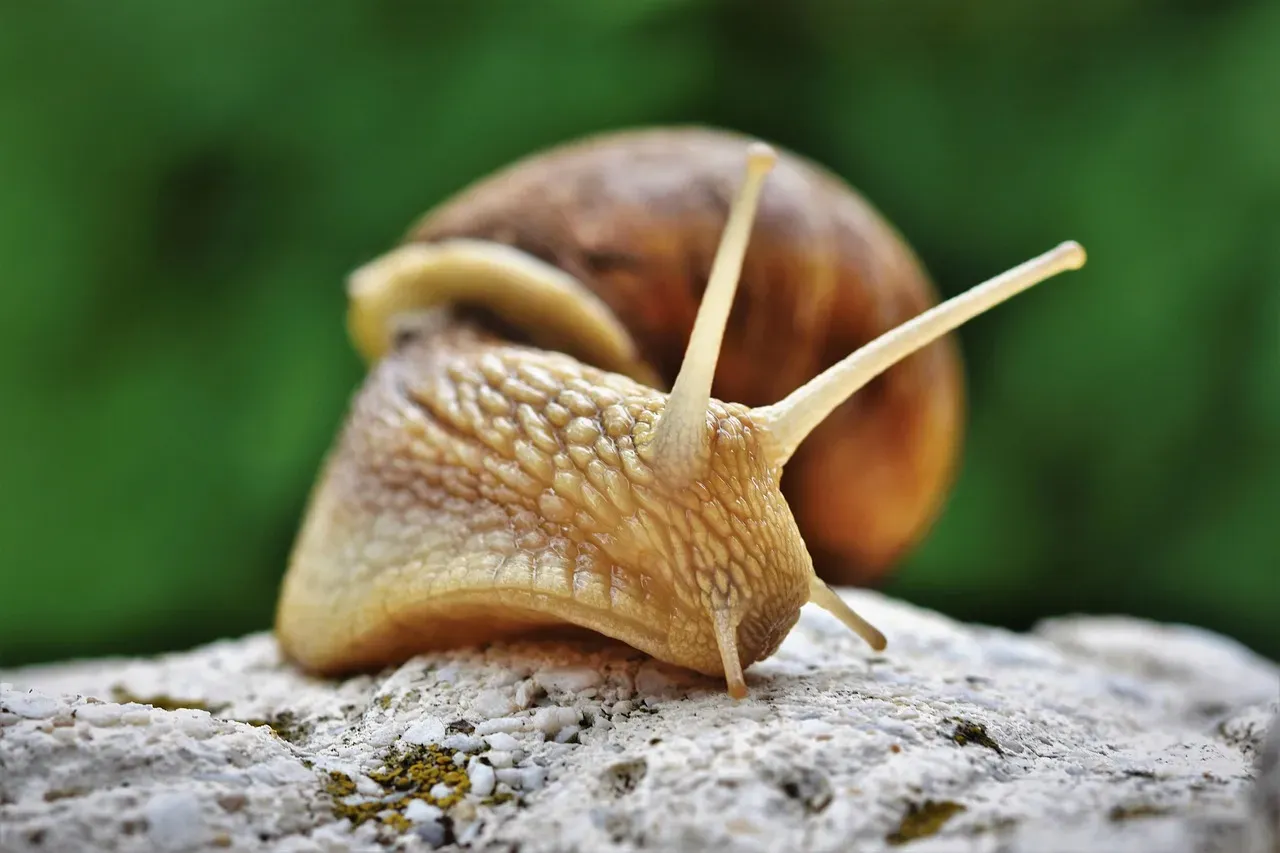
The desert snail has evolved perhaps the most patient survival strategy known to science, entering a state of dormancy called estivation by retreating into its shell and secreting a layer of mucus that hardens into a seal preventing water loss, dropping its metabolic rate to near zero and allowing it to survive extreme periods without food or water.
The most remarkable documented case involved desert snails collected in Egypt in 1846 and glued to display cards in the British Museum, and in 1850 museum workers noticed that one snail had broken free and was moving about, having survived four years without food or water, and even more astonishing, another specimen from the same collection was discovered alive in 1920, having survived 74 years in dormancy.
Seventy-four years. Think about that for a moment. This snail went into suspended animation before the American Civil War ended and woke up after World War I. The biological mechanisms that allow for such extreme metabolic suppression are only beginning to be understood.
The spadefoot toad species spends around 10 months of the year in estivation, only emerging under the correct conditions and can remain underground for up to 10 years if there is no rain. These extreme dormancy strategies showcase evolution’s creativity in solving the problem of survival in harsh, unpredictable environments.
African Lungfish: The Living Time Capsule
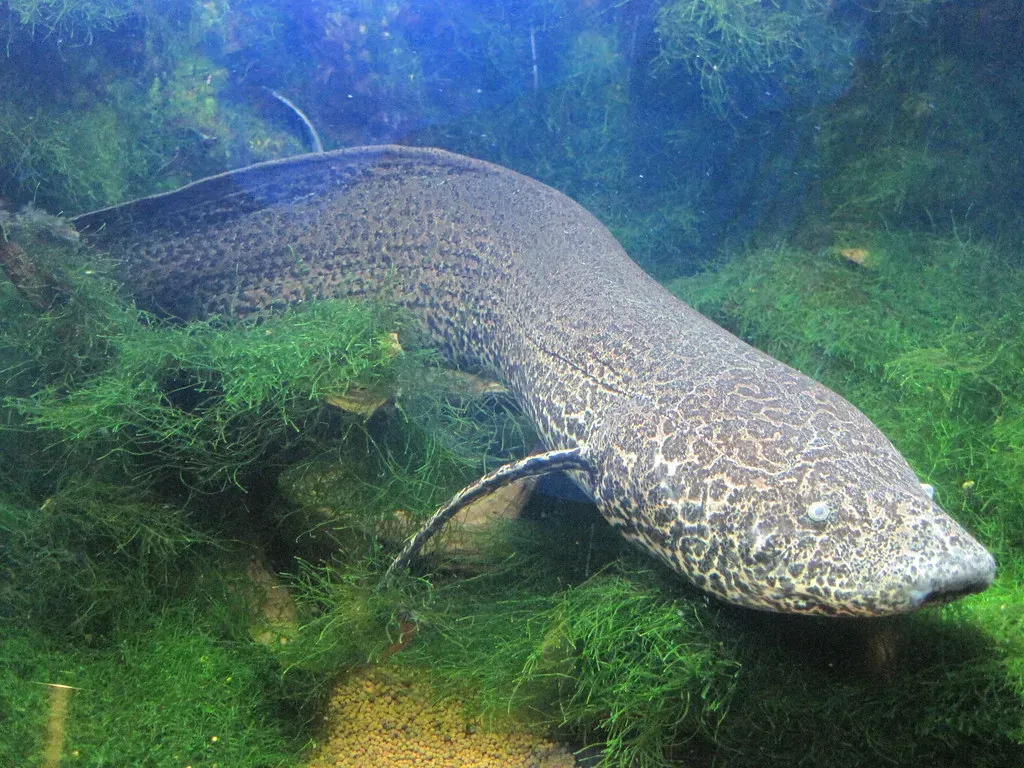
When the African lungfish feels it’s in a life-threatening situation, it secretes a mucus cocoon and burrows itself up to nine inches under the soil, where it gets air through its lung via a built-in breathing tube. This ancient fish has mastered survival in environments where water disappears for months or even years at a time.
When drought strikes, the lungfish doesn’t just sit around hoping for rain. It actively prepares for a long siege. The mucus cocoon hardens into a protective shell, keeping precious moisture locked inside while the fish dramatically slows its metabolism. During this time, it survives by slowly breaking down its own muscle tissue for energy.
The lungfish can remain in this state for several years. When the rains finally return, the cocoon softens, and the fish emerges, often within minutes of water reaching it. It’s essentially a living fossil that has used the same survival strategy for millions of years.
This ability to survive complete drought makes the lungfish invaluable for understanding how early fish made the transition from water to land. The respiratory and metabolic adaptations that allow this feat represent a crucial step in vertebrate evolution.
Pompeii Worm: The Heat-Loving Extremist
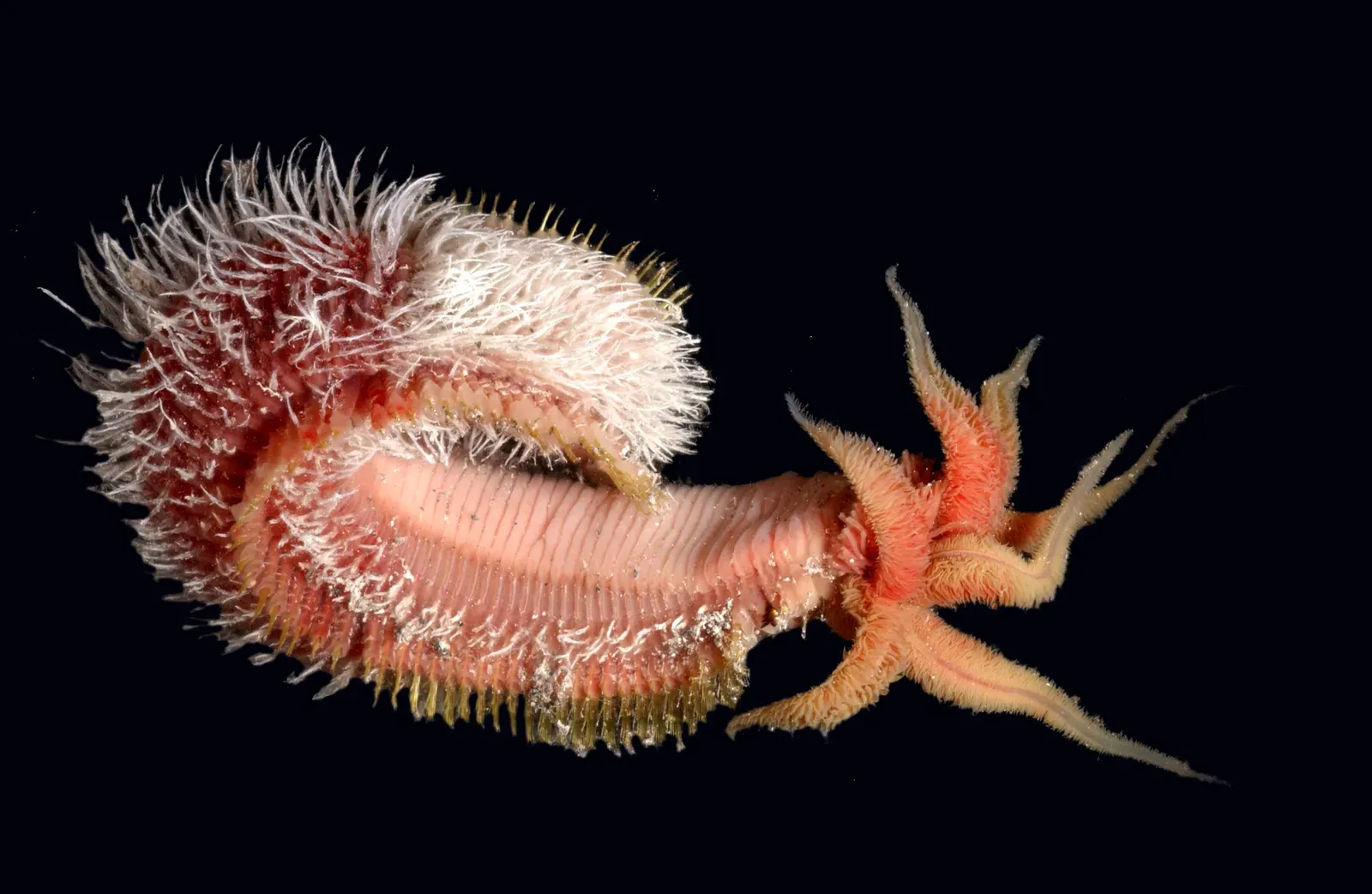
These remarkable creatures build paper-like tubes on the sides of deep-sea vents where they experience the most extreme temperature gradient of any animal known to science, while their heads are bathed in cool seawater around 72 degrees Fahrenheit, their tails withstand scorching temperatures up to 176 degrees Fahrenheit, hot enough to kill most proteins in other organisms.
This ability to survive such extreme heat comes from a symbiotic relationship with heat-resistant bacteria that form a protective fleece on the worm’s back, producing special enzymes that help protect the worm from the blistering temperatures. It’s a partnership forged in one of Earth’s most hostile environments.
Living at the edge of underwater volcanic vents means existing in a world of toxic chemicals, crushing pressure, and temperature extremes that would instantly kill most life forms. Yet the Pompeii worm thrives there. The temperature gradient across its body would be like having your feet in boiling water while your head stays at room temperature.
Scientists are studying these thermostable enzymes for potential applications in biotechnology and medicine, showcasing how life can evolve to thrive in conditions once thought incompatible with biological processes. Understanding how these worms survive could lead to breakthroughs in industrial processes and enzyme technology.
Hairy Frog: The Wolverine of Amphibians
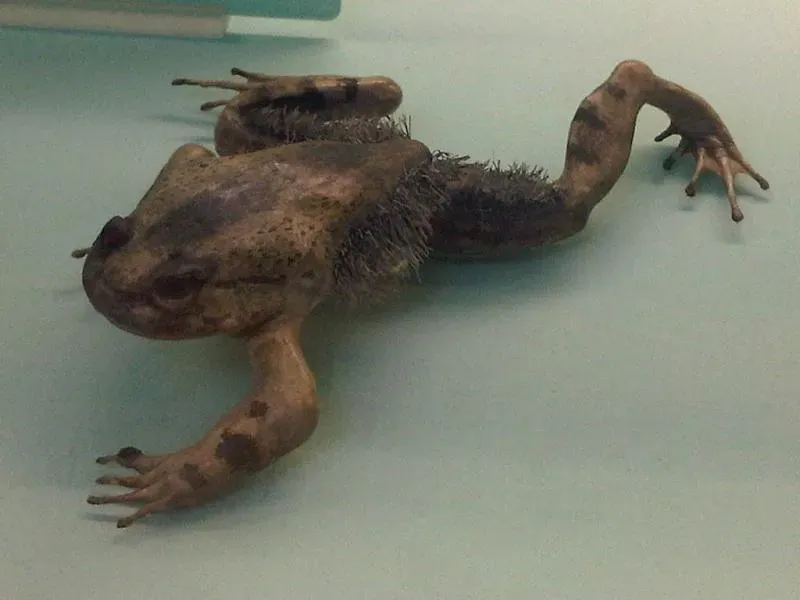
The Central African hairy frog possesses one of the most bizarre and extreme defense mechanisms in the animal kingdom, intentionally breaking its own toe bones and pushing them through the skin to create sharp, claw-like defensive weapons, with the bone breaking through a special pad and the skin containing collagen forming a sort of sheath around the improvised claw.
After the danger passes, the bones retract back into the frog’s toe pads, though the exact mechanism for this retraction remains a scientific mystery, and this extraordinary adaptation has earned it nicknames like the Wolverine frog or horror frog, with male hairy frogs also developing hair-like structures along their flanks and thighs during breeding season.
This self-mutilation defense mechanism sounds like something from a horror movie, but it’s very real. The frog essentially turns its own skeleton into a weapon system. The pain tolerance required for this must be extraordinary, suggesting the frog has evolved special biochemical mechanisms to suppress pain during the process.
The fact that the bones can retract and the wounds heal relatively quickly is almost as remarkable as the initial deployment. Most animals that break bones face serious infections and permanent damage. The hairy frog somehow avoids these complications.
Scientists are fascinated by the rapid healing and pain suppression mechanisms that make this defense possible. Understanding these processes could have implications for trauma medicine and wound healing research.
Arctic Fox: The Cold Weather Champion
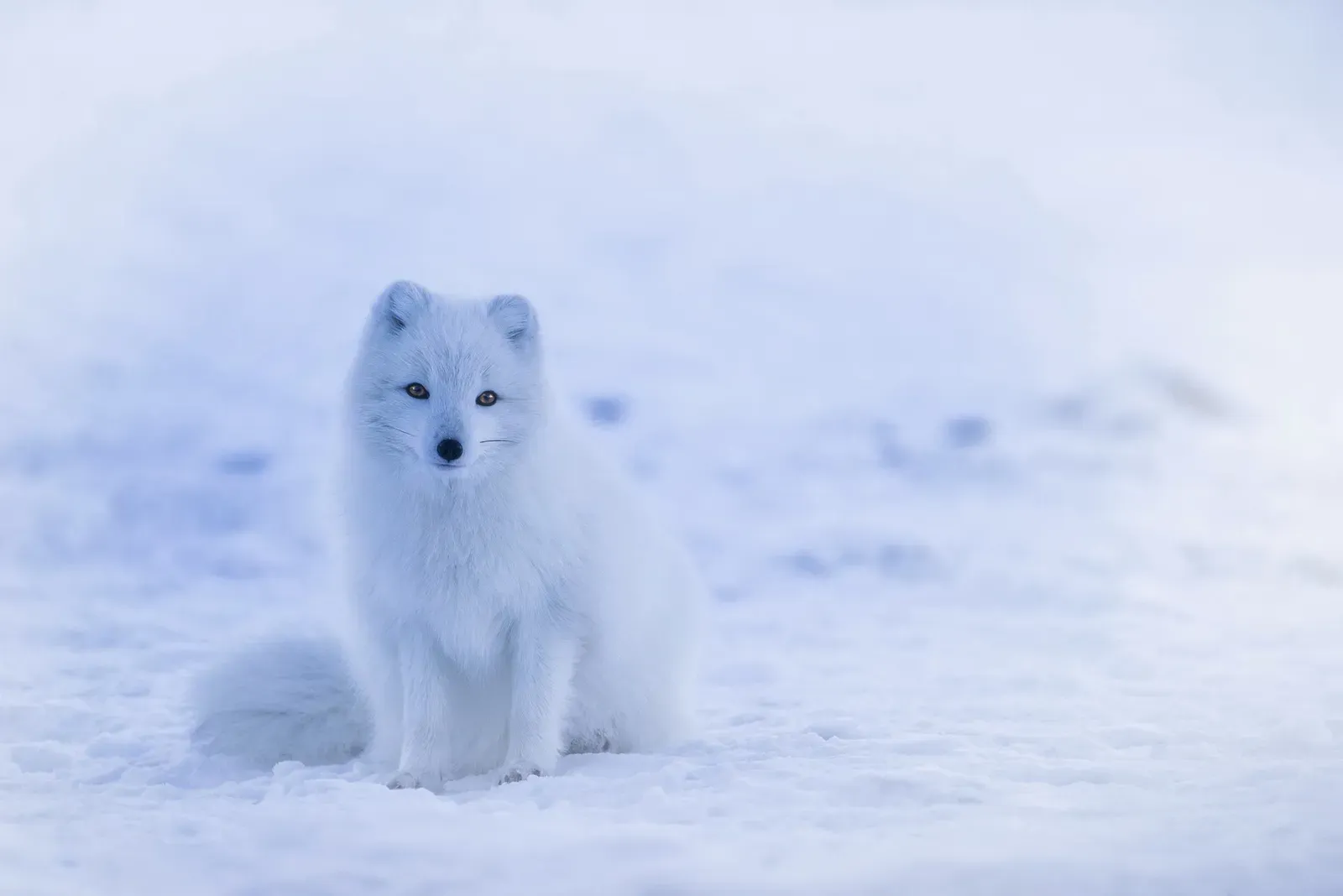
The Arctic fox pulls off the ultimate seasonal fashion trick, shifting its snowy white coat to brown or gray when the seasons change, and this clever transformation keeps it hidden from predators year-round. This remarkable adaptation is more than just cosmetic. It’s a matter of survival in one of Earth’s harshest environments.
The Arctic fox’s winter coat is among the warmest of any mammal. The dense, multilayered fur traps air so effectively that these foxes can tolerate temperatures dropping to negative 70 degrees Celsius without increasing their metabolic rate. Their compact body shape, small ears, and furry foot pads all minimize heat loss.
Beyond their thermal insulation, Arctic foxes have an incredible ability to locate prey beneath thick snow. They can hear lemmings moving in tunnels under several feet of snow and will leap high into the air before diving down to break through and catch their prey. This hunting technique requires exceptional hearing and spatial awareness.
During summer, when food is abundant, Arctic foxes cache excess food in scattered locations across their territory. Come winter, they rely on these hidden food stores and their remarkable memory to survive the lean months. Their adaptability and resourcefulness make them true survivors in an unforgiving landscape.
Conclusion
The natural world never ceases to amaze with its incredible diversity of survival strategies. From microscopic tardigrades that can survive in the vacuum of space to jellyfish that essentially achieve immortality through cellular manipulation, these animals remind us that life finds extraordinary ways to persist against impossible odds. Their unique traits challenge our understanding of biology and showcase the extraordinary versatility of life on Earth.
These remarkable creatures aren’t just curiosities for scientists to study. They represent millions of years of evolutionary problem-solving that could hold keys to revolutionary advances in medicine, technology, and our understanding of life itself. The secrets locked within their DNA and cellular processes might one day help us regenerate damaged organs, resist cancer, survive extreme conditions, or even extend human lifespan.
What’s perhaps most humbling is realizing that we’ve likely only scratched the surface of understanding these animals’ abilities. Each new discovery opens more questions than it answers. As research continues and technology advances, who knows what other incredible survival mechanisms we’ll uncover in the animal kingdom? Did any of these amazing creatures surprise you?
