
The ocean, vast and mysterious, has always been a subject of intrigue. Among its myriad wonders, sea lions — sociable and playful pinnipeds — command a significant amount of attention. Recently, a noteworthy phenomenon has been observed: America’s largest sea lion population is on the move. This shift isn’t just a random migration; it’s a movement with profound implications concerning environmental changes, marine ecosystems, and conservation efforts.
Understanding Sea Lions

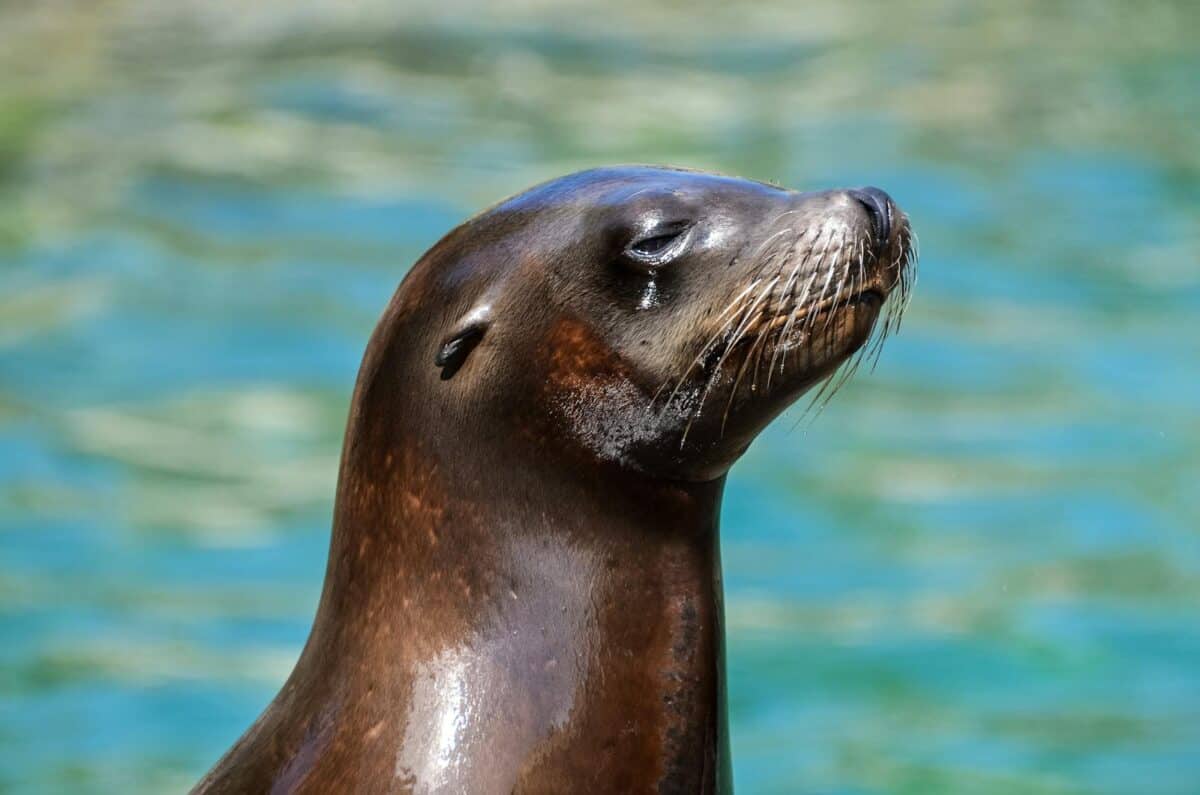
Sea lions, part of the Otariidae family, are characterized by their external ear flaps and ability to “walk” on land using their flippers. They are versatile creatures, equally at home in the sea and on rocky shores. With their playful demeanor and inquisitive nature, they are often compared to the ocean’s friendly ambassadors.
Current Population Status

The largest population of sea lions in the United States is the California sea lion. They are mainly found along the western coast, from Alaska down to Mexico. Despite historical threats, their numbers have shown remarkable resilience, making their current population trend highly significant in ecological studies.
Habitat Preferences

Sea lions inhabit diverse environments, from coastal waters to estuaries and bays. They require areas that provide ample food and suitable resting places. Traditionally, these needs have been met along the rugged Pacific coastlines, where they’ve formed vast colonies.
The Shift Begins: Indicators and Early Signs

The initial signs of a population shift were subtle — increased reports of sea lions appearing in unexpected locations, further north than usual. Researchers began noticing these trends through tagging and tracking individuals, revealing new movement patterns.
Climate Change and Its Influence

One of the primary drivers behind the change in sea lion population distribution is climate change. Rising ocean temperatures and the alteration of marine ecosystems are causing shifts in prey availability, compelling sea lions to follow their food sources into new territories.
Food Scarcity and Dietary Habits

Sea lions primarily feed on fish and squid, which are drastically affected by changes in oceanic conditions. As traditional prey becomes scarce in familiar regions, sea lions are compelled to explore new areas where food is plentiful, even if it means moving northward.
Impact on Local Ecosystems

The arrival of large numbers of sea lions in new habitats can significantly impact local ecosystems. Their voracious appetite can strain existing fish populations, which can, in turn, affect local fishermen and other marine predators that rely on the same food sources.
Human Interactions and Economic Implications
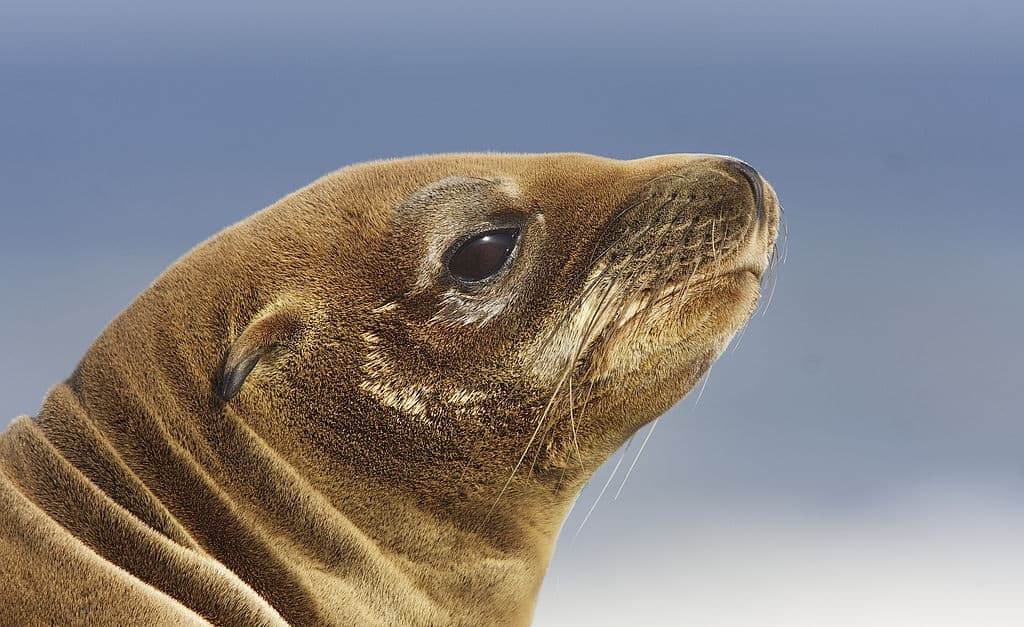
With sea lions venturing into unfamiliar areas, interactions with human activities, such as fishing and coastal tourism, are increasing. While sea lions are often a tourist attraction, their presence can pose challenges for fisheries and industries not accustomed to dealing with them.
Conservation Efforts and Challenges
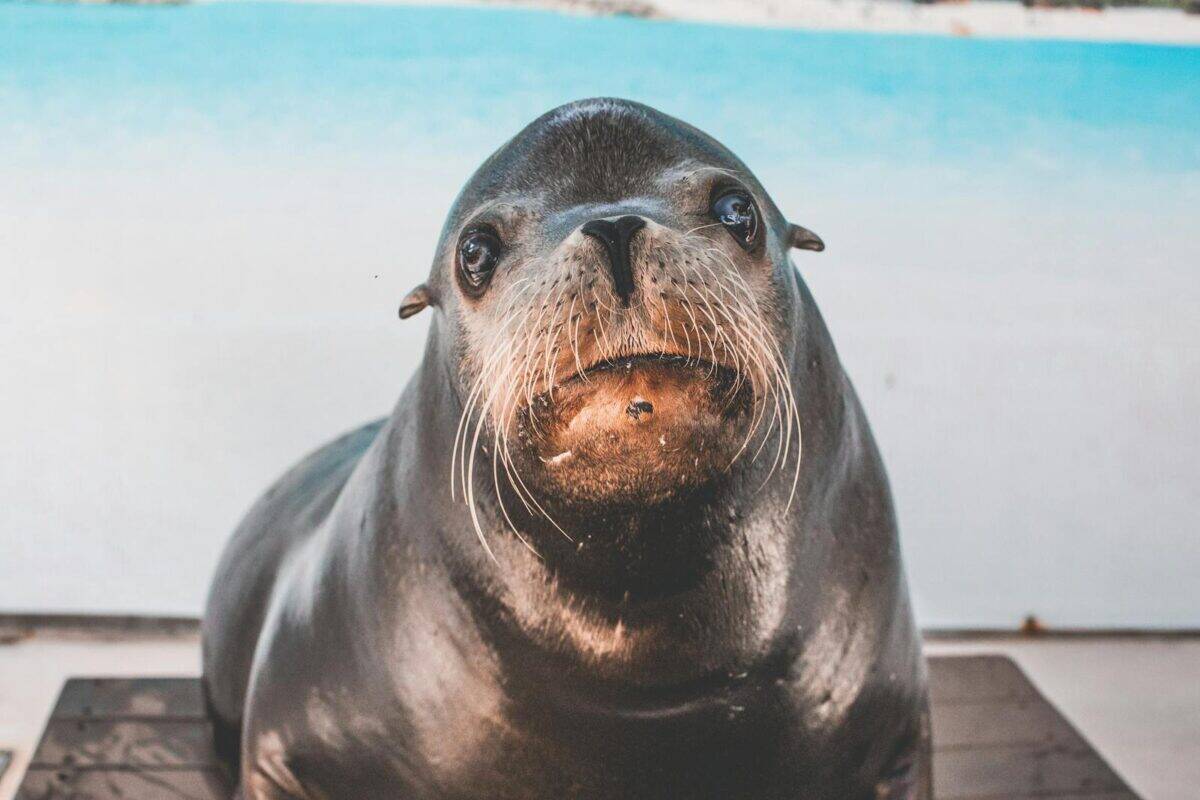
The shifting sea lion populations pose new challenges and learning opportunities for conservationists. Protecting these animals while they adapt to changing environments requires novel strategies that balance human activities with ecological needs.
Scientific Monitoring and Research Initiatives
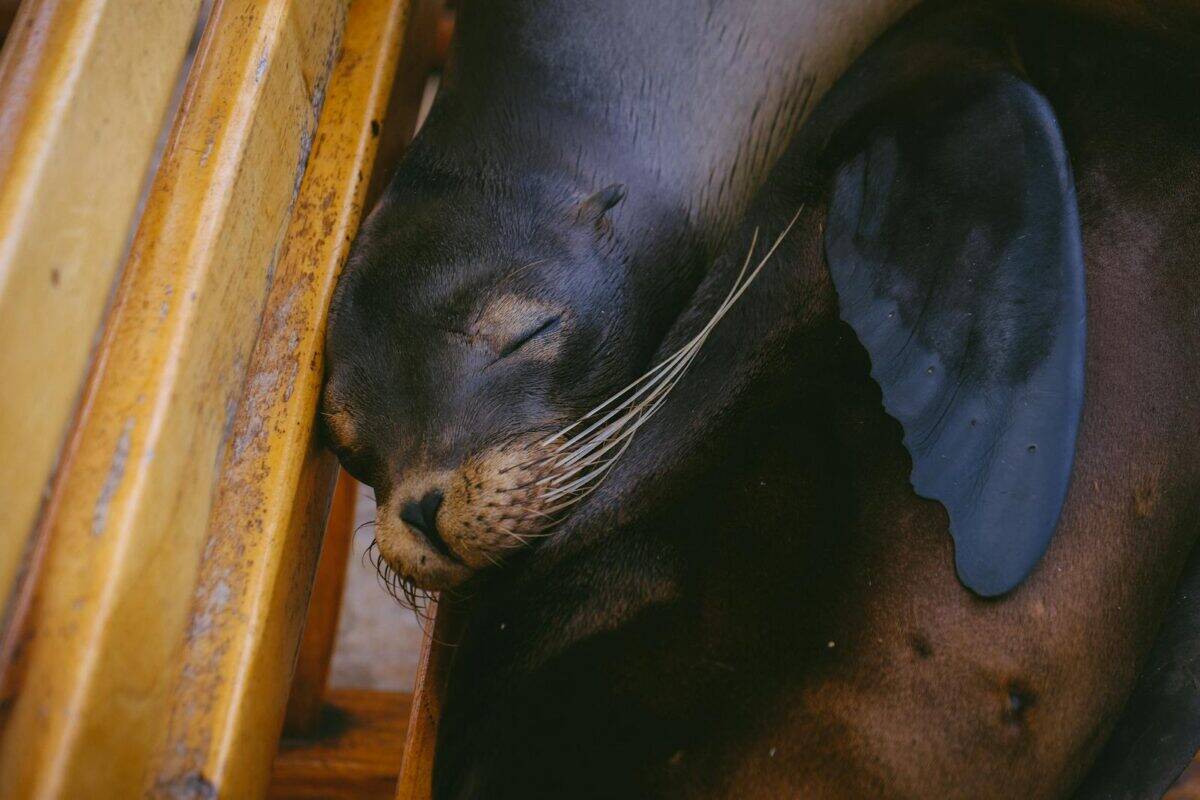
To understand and predict the impacts of these population shifts, research initiatives are crucial. Scientists employ satellite tracking, acoustic monitoring, and genetic analysis to gain insights into the behavior and health of migrating sea lions.
Potential Future Trends
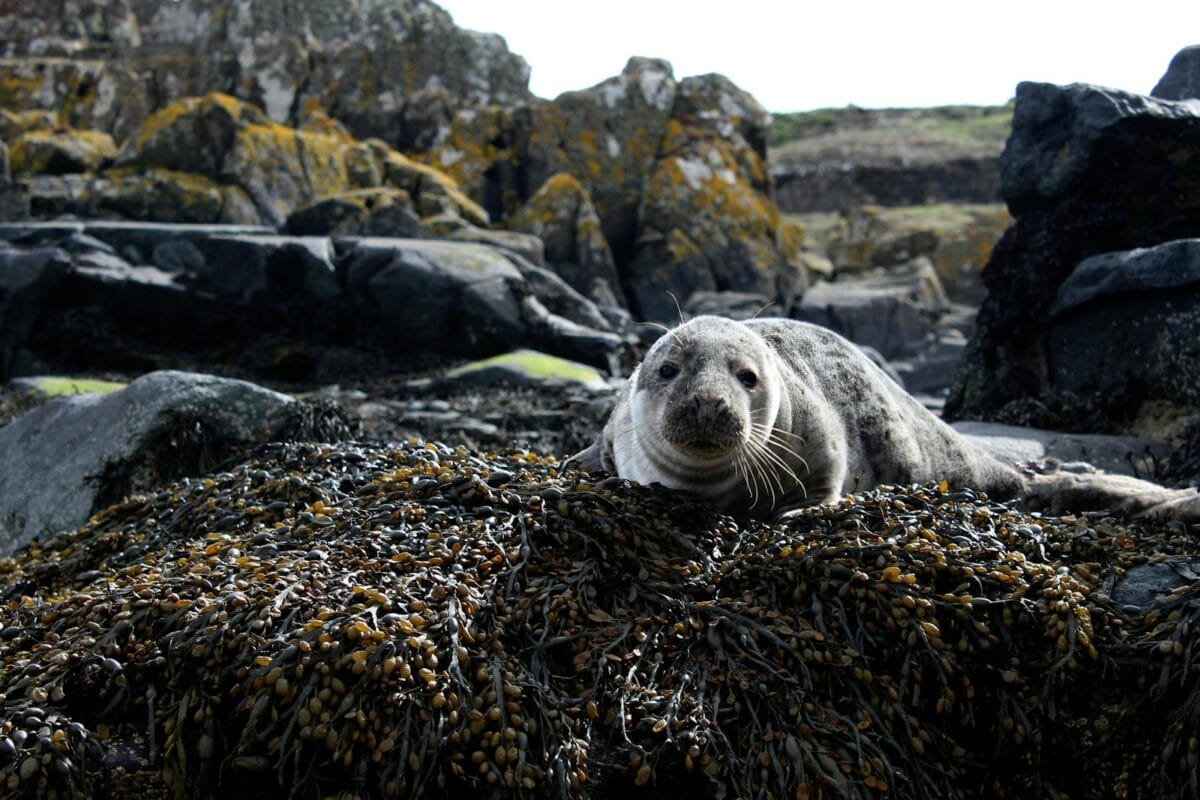
If current conditions persist, we may continue to see significant changes in sea lion distribution. These shifts could lead to the establishment of new colonies in previously uninhabited regions, reshaping local marine biodiversity.
The Role of Public Awareness
Raising public awareness about sea lion conservation and the ecological challenges they face is essential. Educational campaigns can foster greater understanding and empathy, encouraging sustainable practices that minimize human impact on these remarkable marine mammals.
Conclusion: A Call for Adaptation and Support

The shift in America’s largest sea lion population underscores the dynamic nature of marine ecosystems in the face of environmental change. As they adapt their habitats, humans too must adjust practices and policies to coexist harmoniously with these creatures. By understanding their needs and promoting conservation, we can help ensure that sea lions continue to thrive in our oceans for generations to come.

- Why Do Sharks Attack Humans? - July 20, 2026
- The Most Extreme Animal Migrations on Earth - July 20, 2026
- Prehistoric Penguin Fossil Found in Argentina - July 20, 2026