


The vast and mysterious world of the ocean is home to some of the planet’s most fascinating creatures, whales. These marine giants have long captured human imagination with their immense size and grace, but recent discoveries reveal there is much more underneath the surface. In a groundbreaking turn, whales are found to be communicating in a newly developed dialect, challenging our understanding of animal communication and improving our comprehension of their complex social structures.
The Role of Communication in Whale Communities

Communication is vital for the survival and social structuring of whale communities. These intelligent mammals use vocalizations, often termed as “songs,” to convey information, find mates, establish territories, and maintain group cohesion. Each species of whales has its unique vocal patterns, which have been studied extensively by scientists to unlock the secrets of their social interactions.
The Discovery of a New Whale Dialect

Recent studies have unveiled a fascinating discovery: certain whale populations are evolving their vocalizations, forming what could be described as new dialects. This change has been notably observed among a subset of killer whales and sperm whales. Such developments indicate a degree of cultural evolution akin to human linguistic diversification.
Why Are New Dialects Emerging?

There are several theories that could explain the emergence of new whale dialects. One possibility is geographic isolation, where separate communities develop unique linguistic traits due to minimal interaction. Another is environmental changes, where altered habitats and food sources necessitate new ways of communication to adapt and survive.
The Impact of Social Structures on Whale Language

Whales are highly social animals, living within structured pods that can influence their communication habits. The variation in dialects might be a reflection of intricate social dynamics, where different pods or matrilines perfect distinct sounds to foster stronger bonds or define territorial traits.
Behavioral Context of Whale Vocalizations

Researchers are delving into the behavioral contexts associated with specific whale sounds. This entails observing how vocalizations differ during hunting, mating, or social interactions and whether newly developed dialects accompany novel behaviors or social practices.
Technological Advancements in Whale Research

The advent of sophisticated audio recording technology has been pivotal in unveiling these dialectal shifts. Underwater microphones, known as hydrophones, allow for extended monitoring and analysis of vocal patterns, giving researchers insights into the gradual emergence of new vocalizations.
Potential Consequences of New Whale Dialects

The development of new dialects brings into question the broader ecological and social effects on whale populations. These changes might influence mating patterns, alter social structure hierarchies, or even impact their interaction with other marine species, leading to a complex ripple effect throughout ocean ecosystems.
Comparisons with Human Language Evolution

The shift in whale vocalizations draws fascinating parallels with the evolution of human language. Just as human languages evolve due to cultural and environmental influences, whale dialects appear to do the same, showcasing the adaptive and dynamic nature of communication in intelligent species.
Challenges in Studying Oceanic Communication
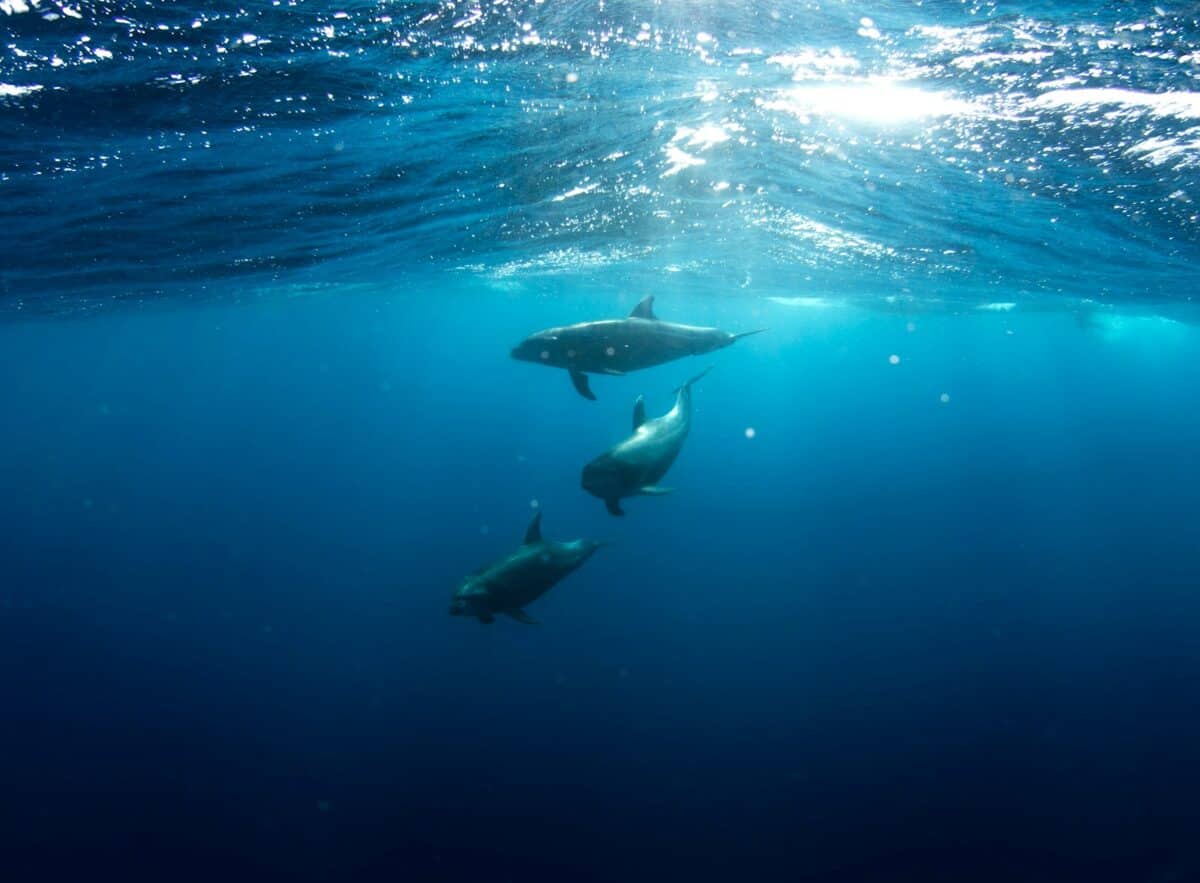
Studying the languages of the ocean is not without challenges. The vastness and depth of the oceans, coupled with the dynamic movement of whale pods, make tracking and analyzing vocal patterns complex, requiring significant resources and technological innovation.
Engaging the Public in Whale Conservation

The intriguing discovery of new whale dialects can serve as a powerful tool for engaging the public’s interest in marine conservation. By highlighting the advanced communicative abilities of whales, conservationists aim to garner support for efforts to protect these majestic creatures and the habitats they rely on.
The Future of Whale Communication Research

The study of whale dialects is just beginning, with much more to be discovered about how these new vocal patterns will continue to evolve. Future research will focus on further understanding the drivers behind these dialectic shifts and their long-term implications for whale populations worldwide.
Conclusion

The emergence of new whale dialects offers remarkable insights into the adaptive and intelligent nature of these ocean giants. This discovery not only enriches our understanding of marine life but also underscores the dynamic and complex nature of animal communication. As research advances, humanity stands to learn even more about the parallels between our own language evolution and that of our marine counterparts, opening a window into the sophisticated world of underwater communication.

From exploring the marine wonders in the Azores and witnessing the vast savannas of Kenya, to delving deep into the rich biodiversity of South Africa and traversing iconic landscapes in Australia and the US like Yellowstone, Chris's experiences are vast.
With a penchant for diving alongside sharks, the ocean holds a special place in his heart.
Through his academic insights, he champions wildlife conservation, striving with 'Animals Around The Globe' to cultivate a profound connection between humans and animals, enhancing our mutual appreciation.
Connect with him at Feedback@animalsaroundtheglobe.com.