


Lake Powell, a critical water reservoir in the United States, is dwindling at an alarming rate. Once a monumental expanse of water, it has become a poignant symbol of the escalating water crisis in the American Southwest. This article explores the causes, implications, and potential solutions for this urgent environmental issue, offering insights into how it could affect millions who rely on its waters.
Understanding Lake Powell’s Significance
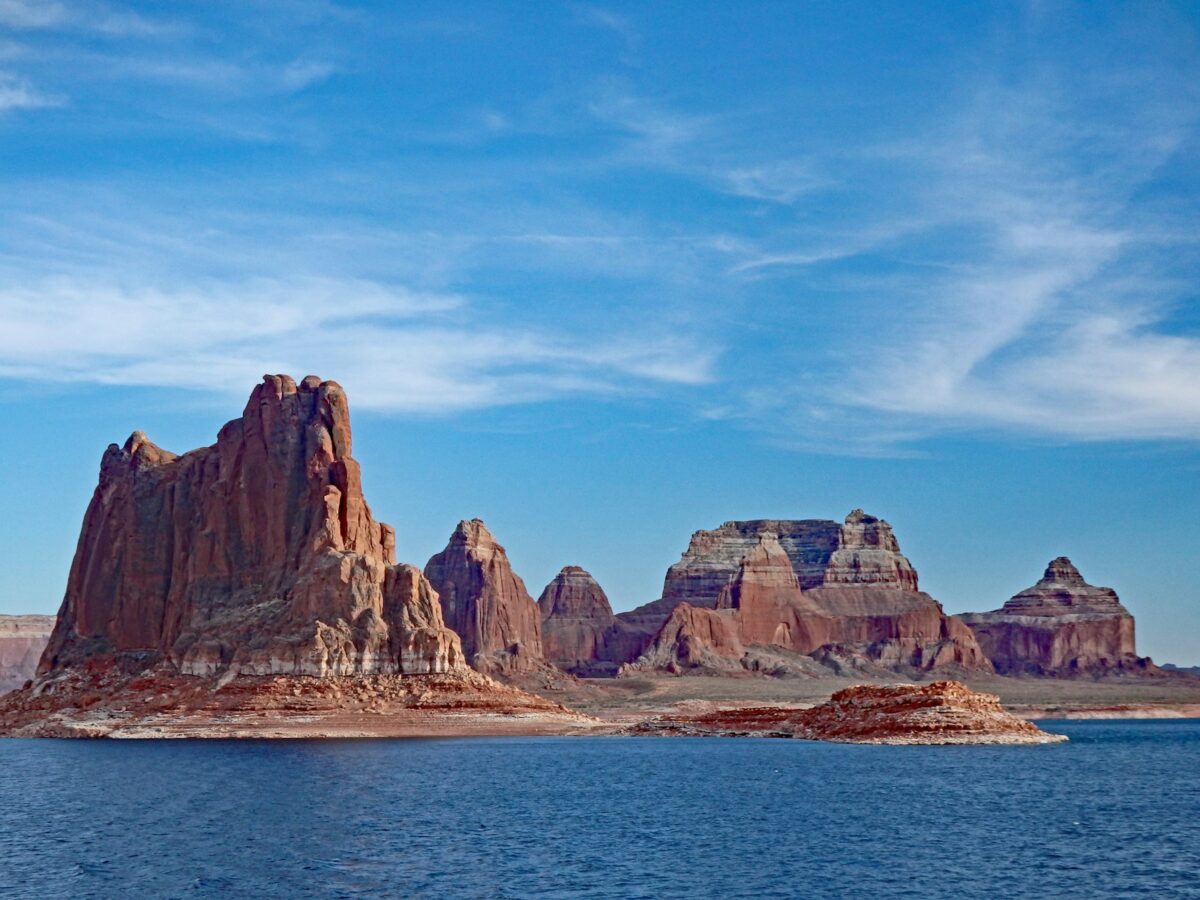
Lake Powell is not just a scenic locale; it is a vital component of the Colorado River Storage Project. Situated on the border of Utah and Arizona, Lake Powell was created by the construction of the Glen Canyon Dam in the 1960s. It plays a crucial role in water storage, management, and distribution for over 40 million people across seven U.S. states and Mexico.
The Alarming Decline in Water Levels
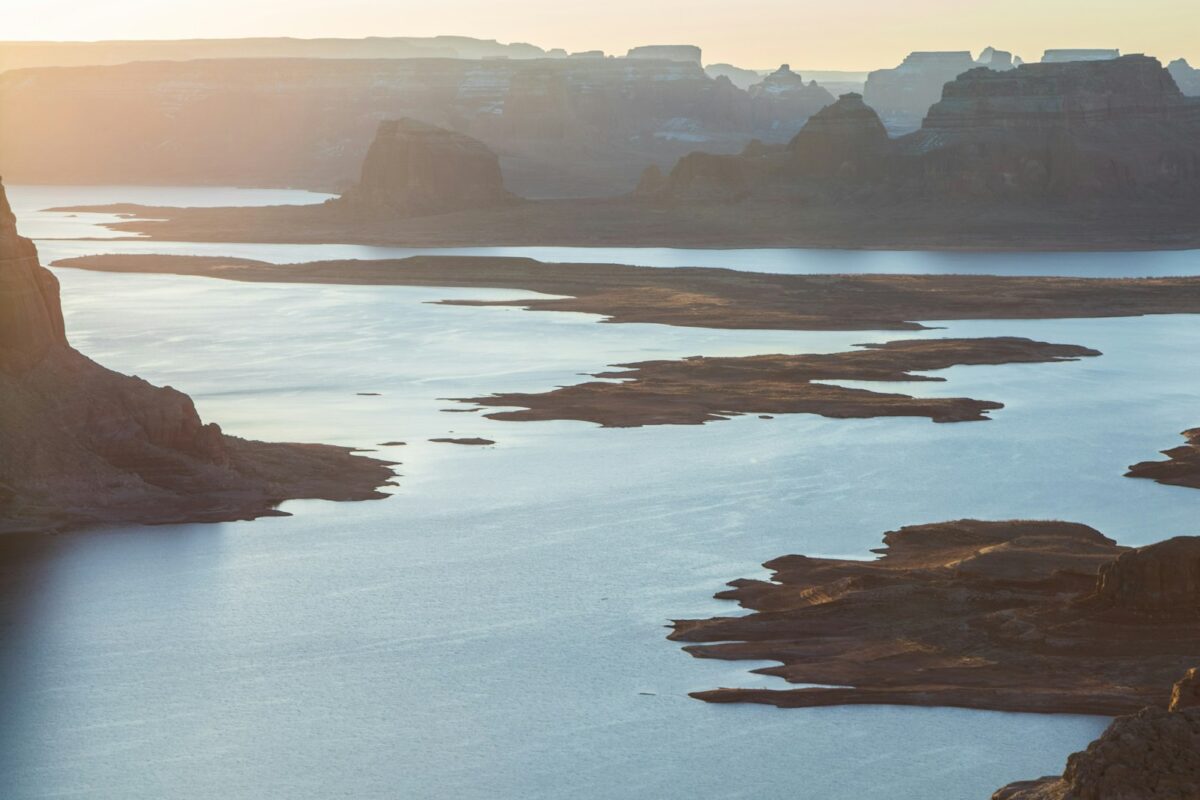
Recent reports indicate that Lake Powell’s water levels are dropping more rapidly than previously estimated. Scientists originally believed natural fluctuations would balance out the decline, but recent data suggests otherwise. The current situation has surpassed their worst-case scenarios.
Climate Change: A Driving Force

Climate change is a significant factor in Lake Powell’s shrinking waters. Rising temperatures have intensified evaporation rates and altered precipitation patterns, reducing the volume of snowmelt feeding into the lake. The ongoing drought in the Western United States has further exacerbated this situation.
The Impact of Drought

The Southwestern United States is currently experiencing one of the most severe droughts in its history. This persistent dry spell has severely restricted inflows to Lake Powell, resulting in historic low water levels that threaten water supplies and power generation.
Water Management Challenges
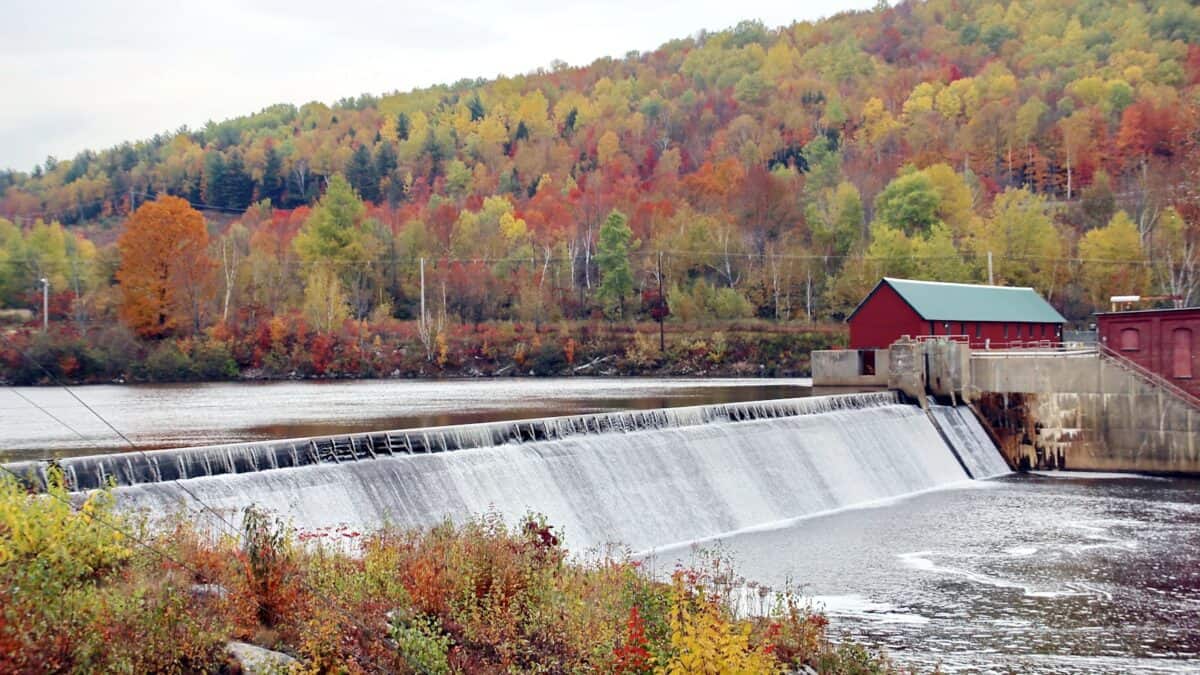
The Colorado River Basin, which feeds Lake Powell, is over-allocated. This means there are more legal obligations to deliver water than there is water available. This overcommitment, combined with dwindling water reserves, presents substantial challenges for regional water managers.
Consequences for Hydro-Electric Power
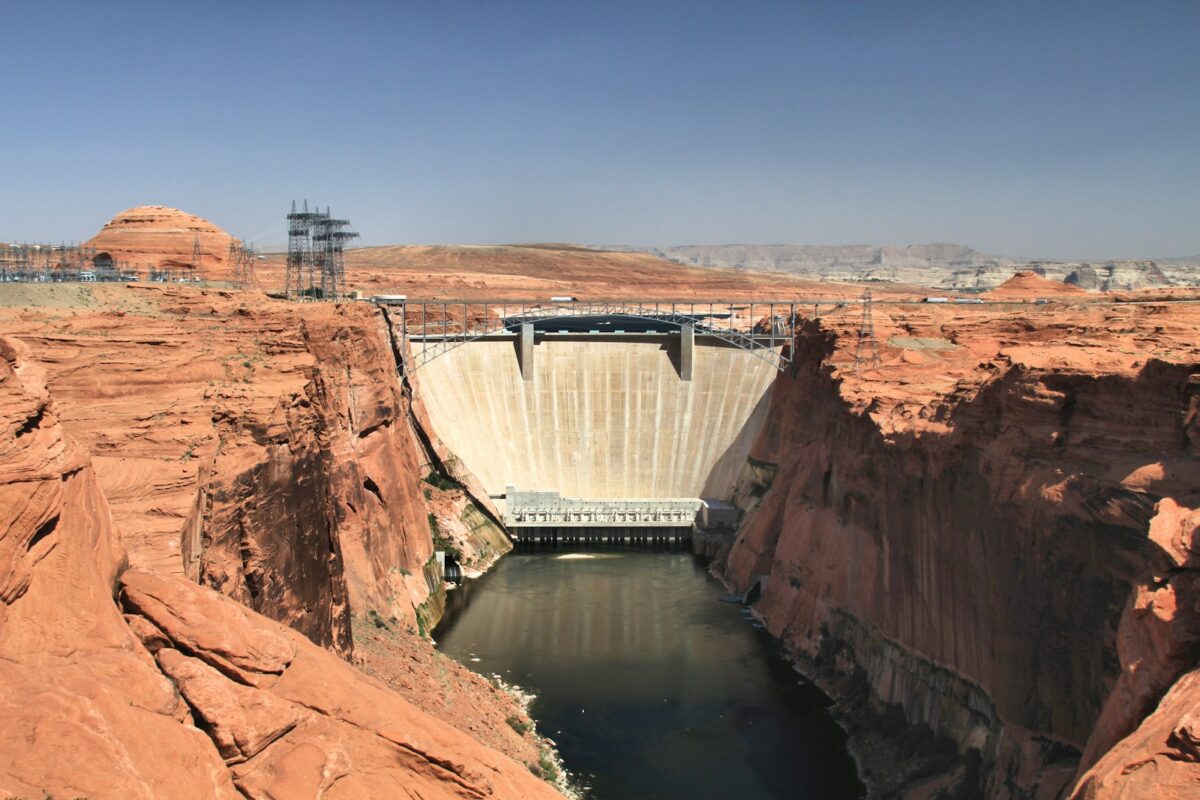
Lake Powell is not only a water reservoir but also a power source. The Glen Canyon Dam generates hydroelectric power essential for the region. Decreasing water levels mean lower power output, potentially leading to energy shortages and higher costs for consumers.
Ecological Effects
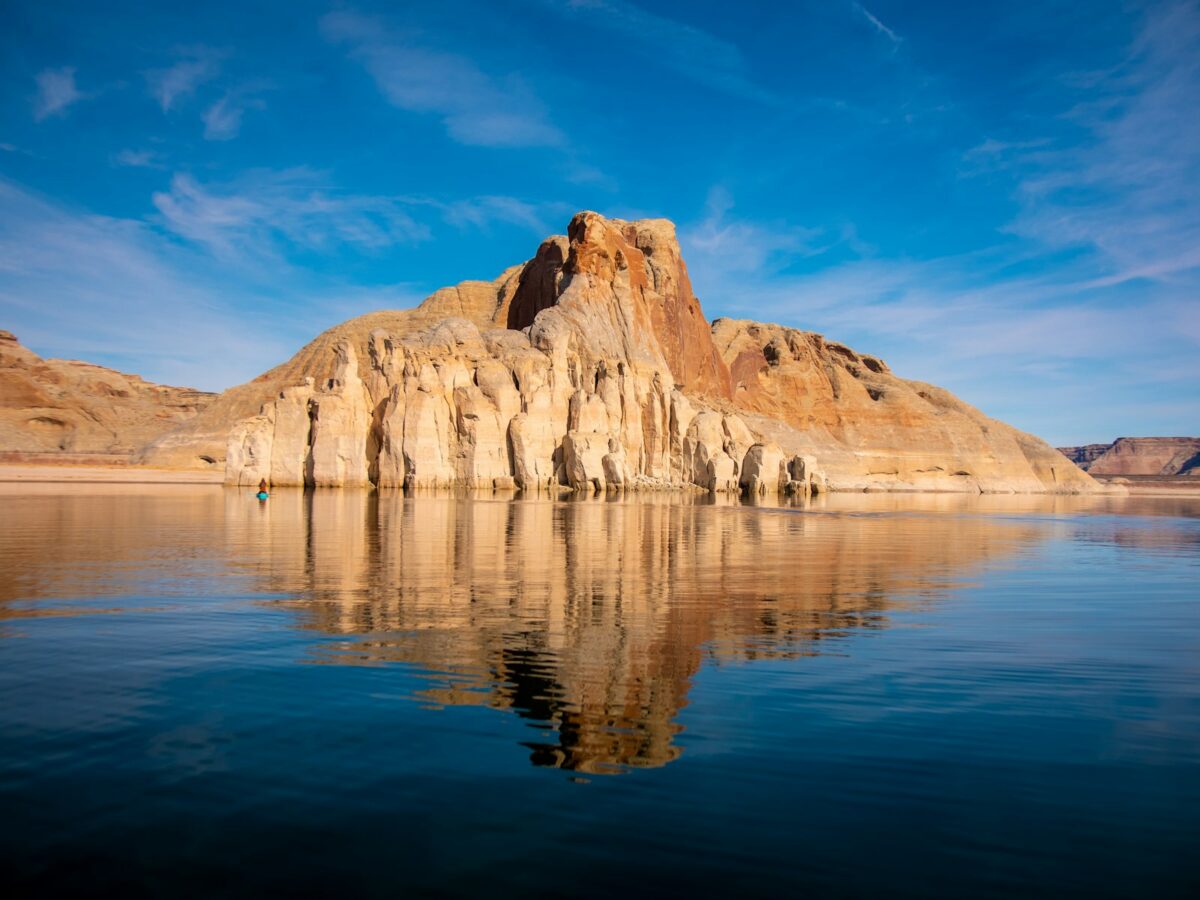
The declining water levels in Lake Powell have substantial ecological impacts. Aquatic habitats are shrinking, endangering local wildlife and disrupting ecosystems. These changes can lead to a loss of biodiversity in a region home to unique plant and animal life.
Economic Implications
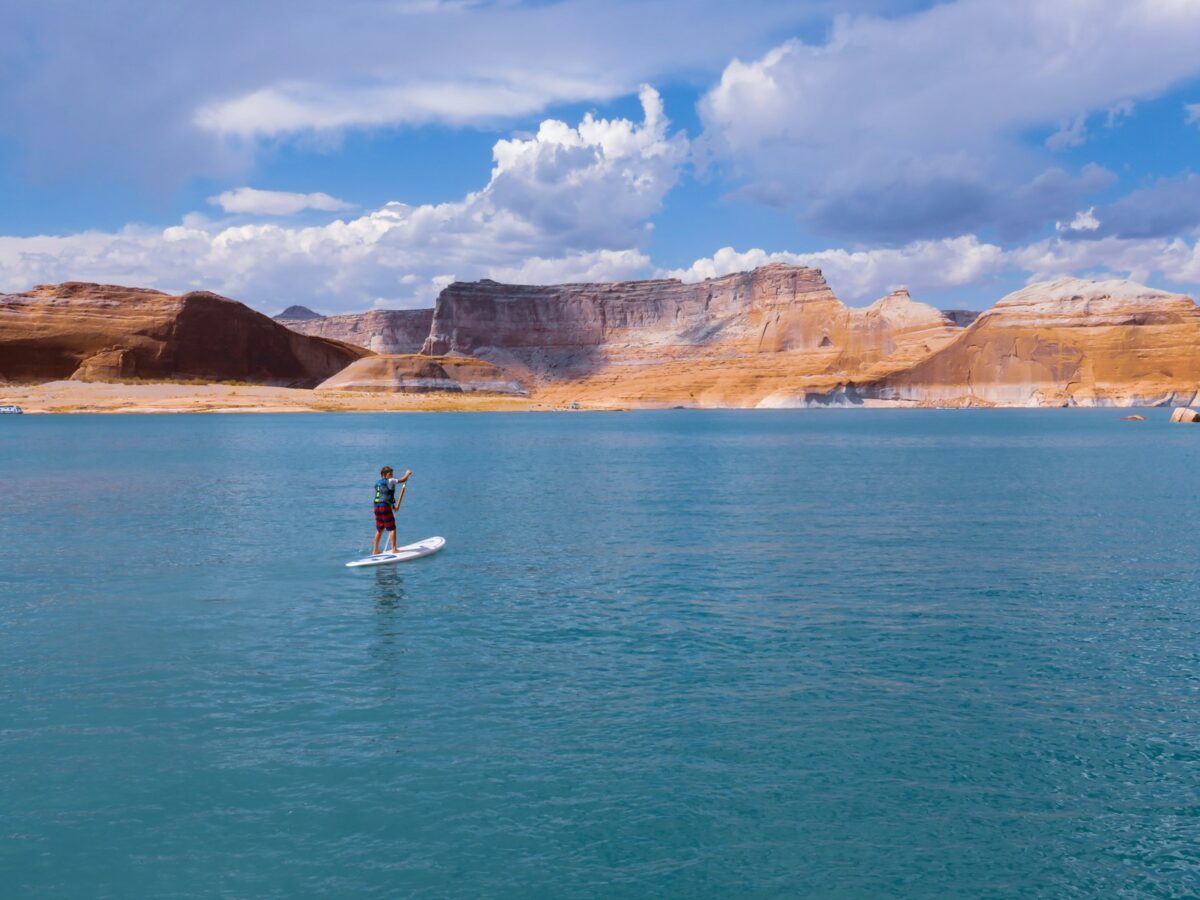
Lake Powell supports a tourism industry worth millions of dollars. The lake’s shrinking waters threaten recreational activities, from boating to fishing, which could result in significant economic losses for communities that rely on tourism for income.
Potential Solutions for Replenishment

To combat Lake Powell’s decline, experts are advocating for a combination of engineering solutions, water conservation efforts, and policy changes. Ideas include cloud seeding to increase precipitation, improving water use efficiency, and renegotiating water rights and usage agreements among the states.
Federal and State-Level Interventions
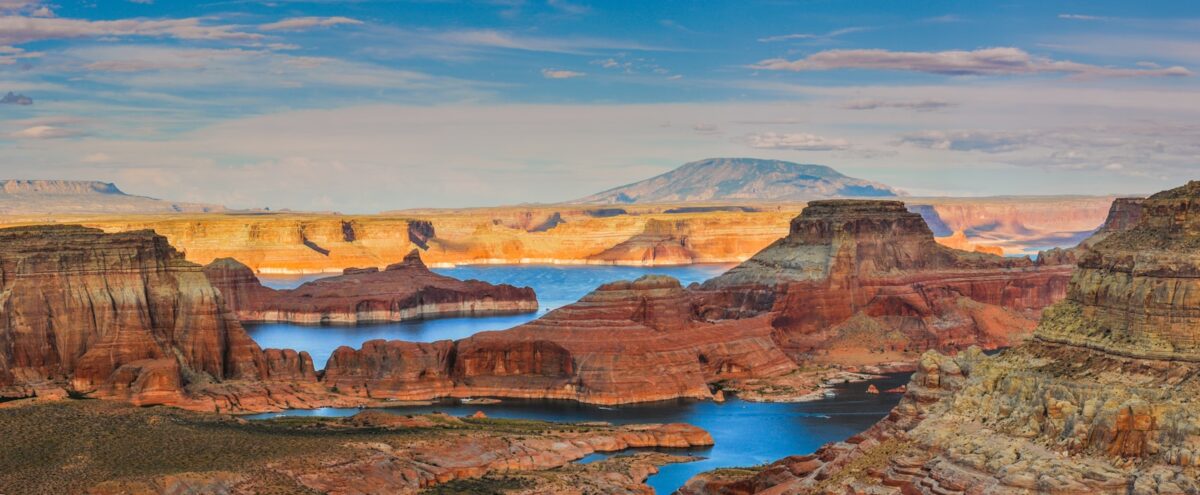
The U.S. government, alongside state authorities, is actively seeking solutions to mitigate the impacts of Lake Powell’s shrinking. This includes the Colorado River Drought Contingency Plan, which outlines ways to reduce water use and allocate shortages equitably among users.
Community Participation and Awareness
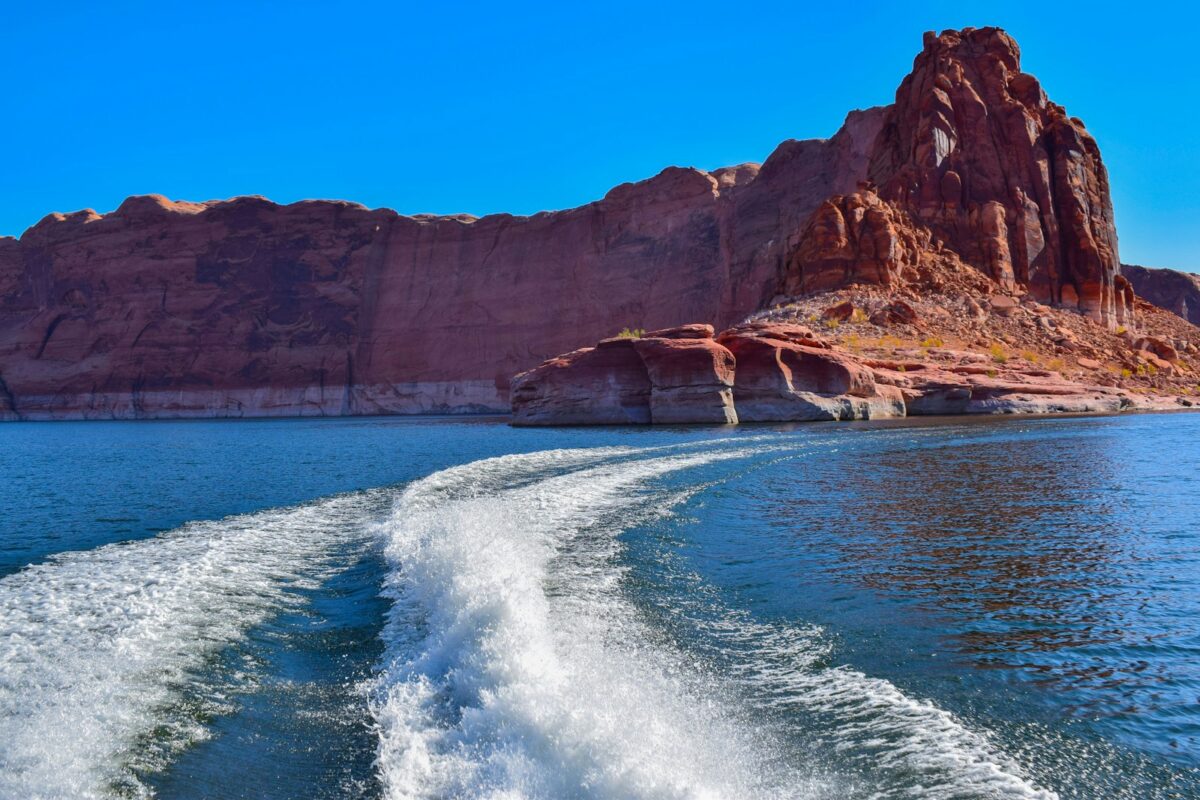
Public awareness and local involvement are crucial in addressing the water crisis at Lake Powell. Communities around the lake are encouraged to engage in water conservation practices and participate in initiatives aimed at ensuring the sustainable use of water resources.
Looking Ahead: A Call to Action
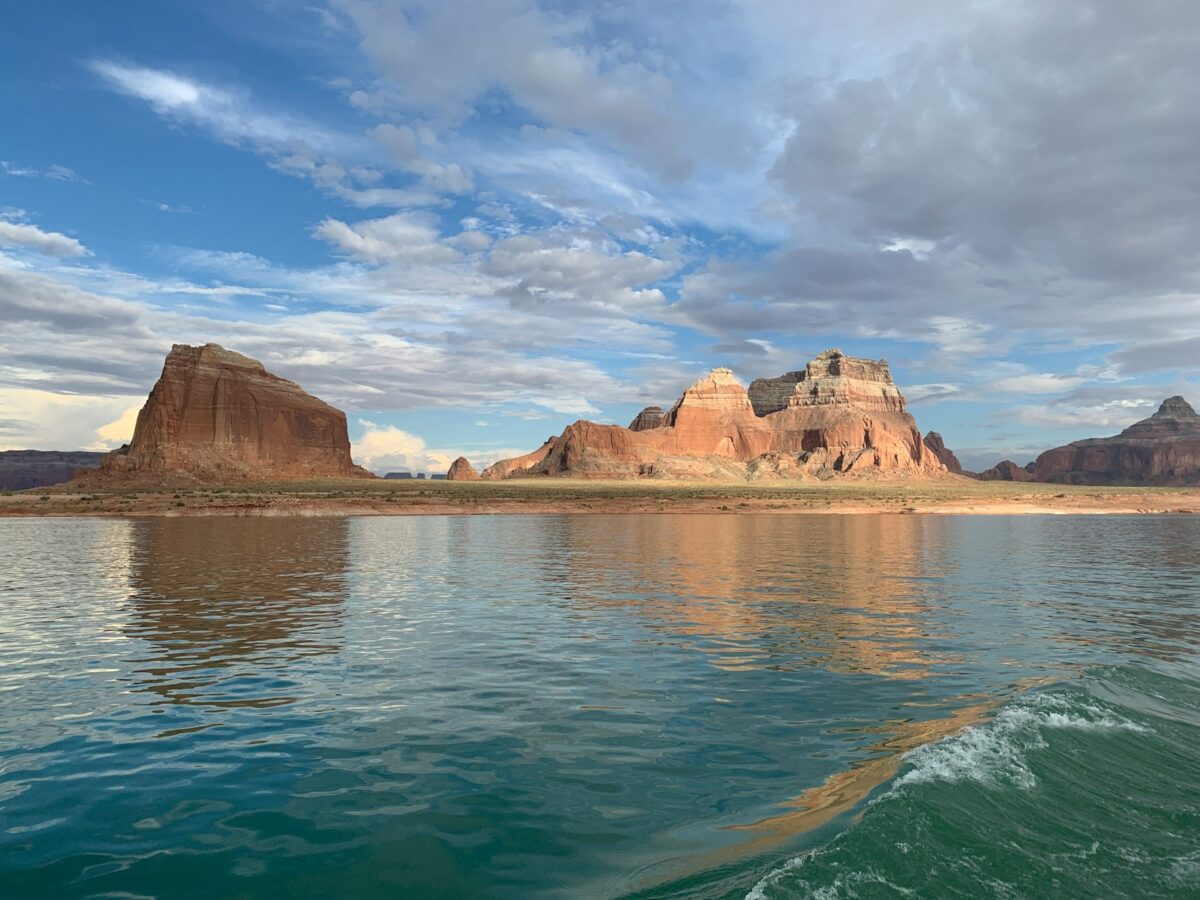
Lake Powell’s rapid decline serves as a stark reminder of the broader challenges posed by climate change and resource management. While solutions exist, they require collaboration across all levels of government, community engagement, and sustained efforts to mitigate environmental impacts. Preserving this vital reservoir is not just a local issue, but a pressing matter with far-reaching implications.
The shrinking of Lake Powell is not a standalone event but rather an urgent call to rethink sustainable practices in water management. It signifies the necessity for comprehensive strategies and proactive action to ensure the continued supply of this precious resource for future generations.

From exploring the marine wonders in the Azores and witnessing the vast savannas of Kenya, to delving deep into the rich biodiversity of South Africa and traversing iconic landscapes in Australia and the US like Yellowstone, Chris's experiences are vast.
With a penchant for diving alongside sharks, the ocean holds a special place in his heart.
Through his academic insights, he champions wildlife conservation, striving with 'Animals Around The Globe' to cultivate a profound connection between humans and animals, enhancing our mutual appreciation.
Connect with him at Feedback@animalsaroundtheglobe.com.
- A Bear Journey Through The USA: 18 Best Bear Photos from 18 US States - July 19, 2026
- Elephant Matriarchs Know Every Waterhole for Miles - July 19, 2026
- Top 10 Dinosaur Relatives Still Roaming Earth Today - July 19, 2026