

Encountering a fawn in your yard can be a delightful surprise. These gentle creatures, with their delicate spots and wide-eyed expressions, often evoke feelings of wonder and concern. Seeing a fawn alone might make you wonder if it is in distress or in need of rescue. However, knowing how to appropriately respond in such situations is essential for the wellbeing of the fawn and the local deer population. In this article, we will explore what steps to take if you encounter a lone fawn in your yard.
Understanding Why Fawns Are Alone
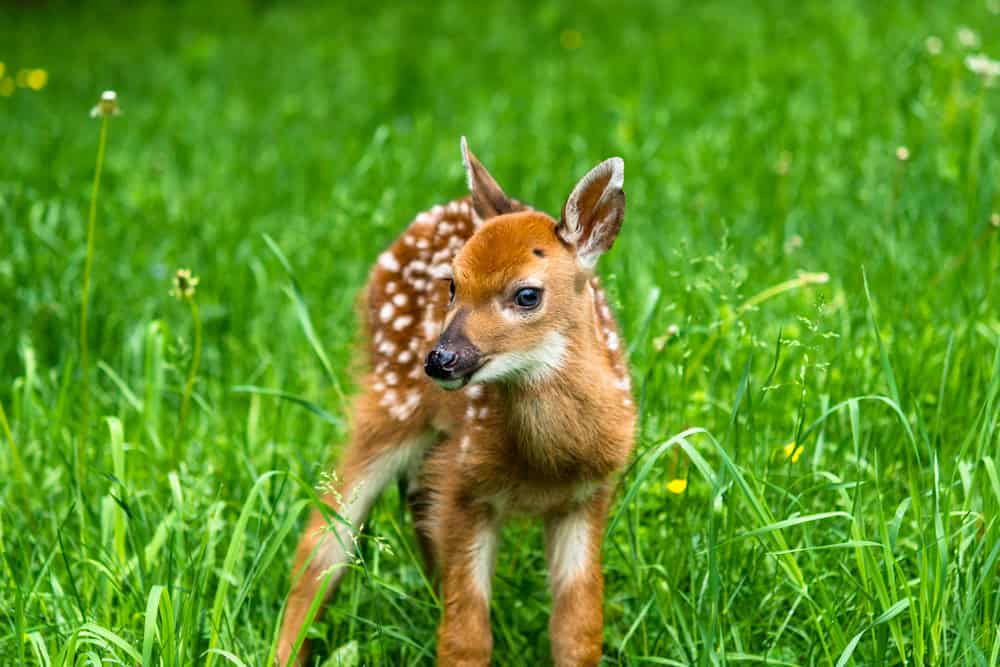
It’s common to see fawns alone, especially during the spring and early summer. Mother deer, or does, often leave their young hidden while they forage for food. This behavior is a protective strategy to keep fawns safe from predators, as fawns are born without scent and remain extremely still, blending into their environment effectively. Therefore, the absence of the mother does not necessarily indicate abandonment.
Assessing the Fawn’s Condition
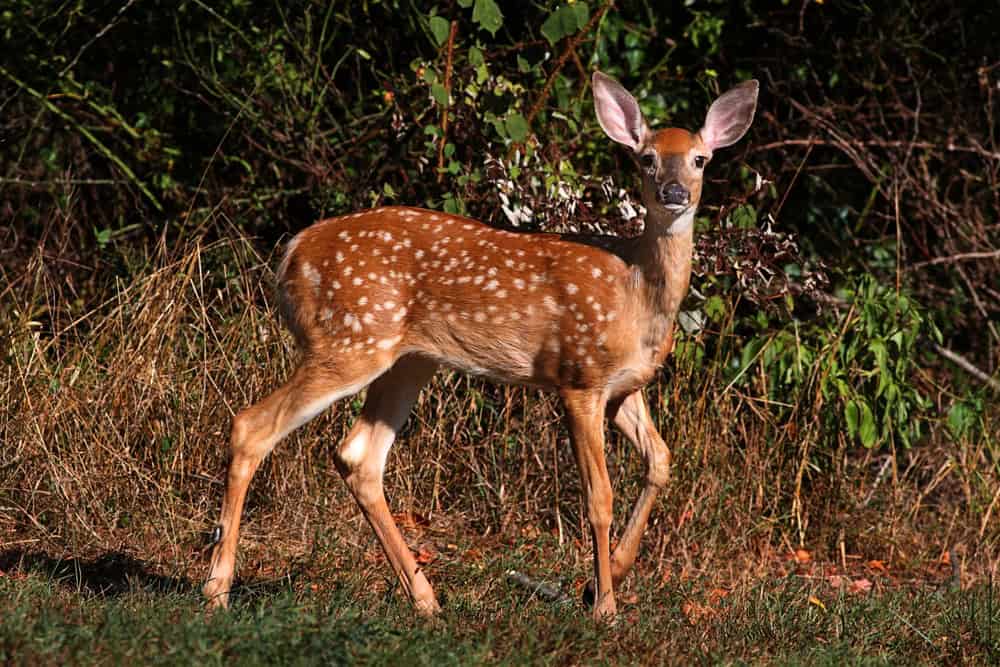
Before taking any action, it’s crucial to evaluate the fawn’s condition. Observe from a distance for signs of distress or injury. A healthy fawn will lie quietly with its legs tucked under and may occasionally glance around. If the fawn appears alert, uninjured, and in a safe location, it is generally best to leave it undisturbed. If you notice any signs of injury, such as limping or visible wounds, further intervention might be necessary.
When to Intervene
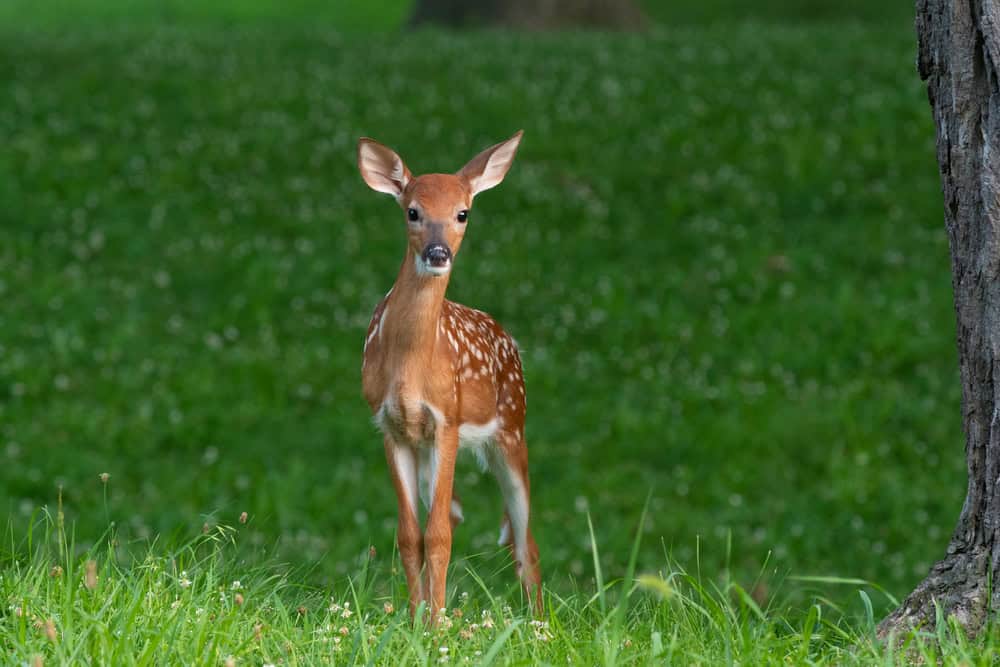
Intervene only if the fawn is visibly injured, in immediate danger, or has been alone for more than 48 hours. Natural instincts guide mother deer to return to their fawns, typically within 8 to 12 hours. However, certain circumstances, such as accidental separation due to traffic or construction, might require human assistance.
How to Minimize Disturbance

To help ensure the fawn’s safety, it’s important to minimize human disturbance. Keep pets and children away, and avoid hovering around the area. Any interaction could stress the fawn or cause it to move from its safe spot, potentially putting it in greater danger.
Consider Contacting Wildlife Experts

If the fawn is indeed in need of help, contacting a local wildlife expert or rehabilitation center is advisable. These professionals are trained to assess and handle wildlife situations safely. They can provide guidance or direct intervention if necessary.
Beware of False Alarms

Many people mistakenly believe that the absence of the mother deer means abandonment. Unless you see clear signs of distress or harm, it’s usually a false alarm. Refrain from moving or handling the fawn, as maternal absence is typically temporary.
Legal Implications of Taking Fawns
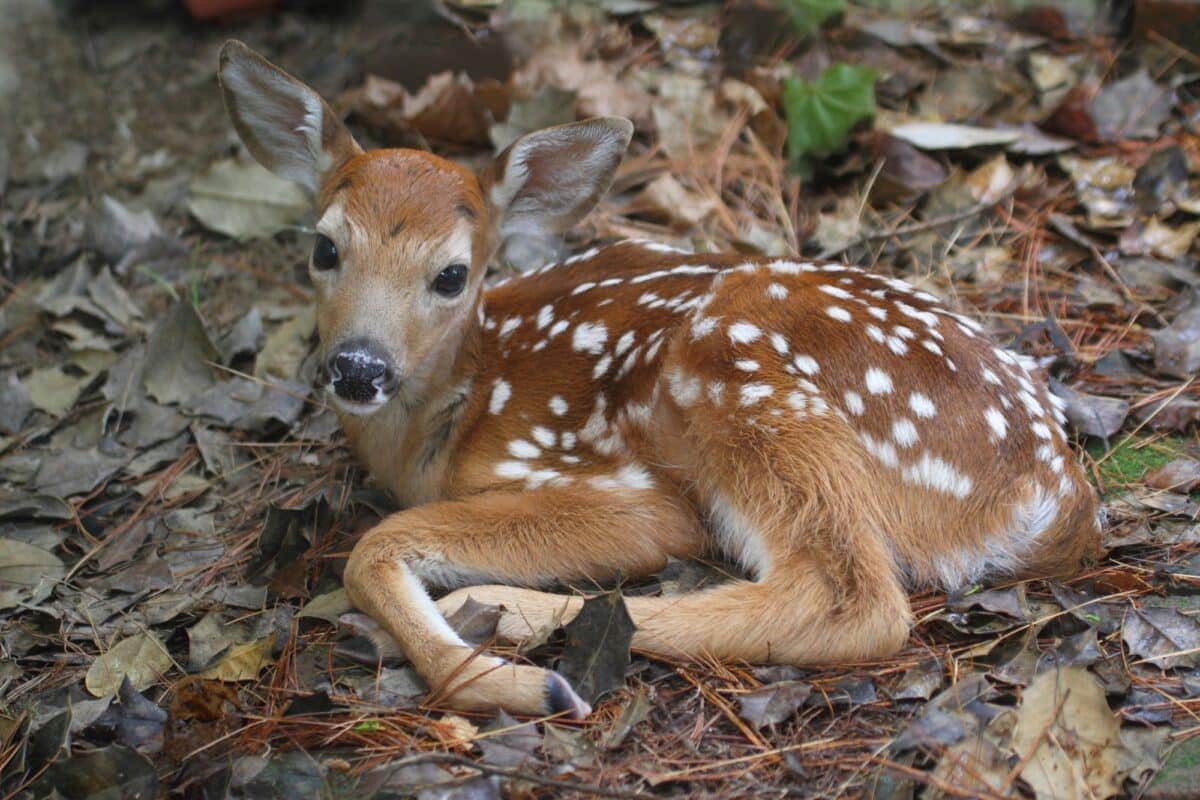
It’s important to understand that taking a fawn from its environment without proper authorization is illegal in many areas. Wildlife, including deer, is protected under various local and federal regulations. Handling or removing a fawn can disrupt its development and survival.
Insights on Fawn Development
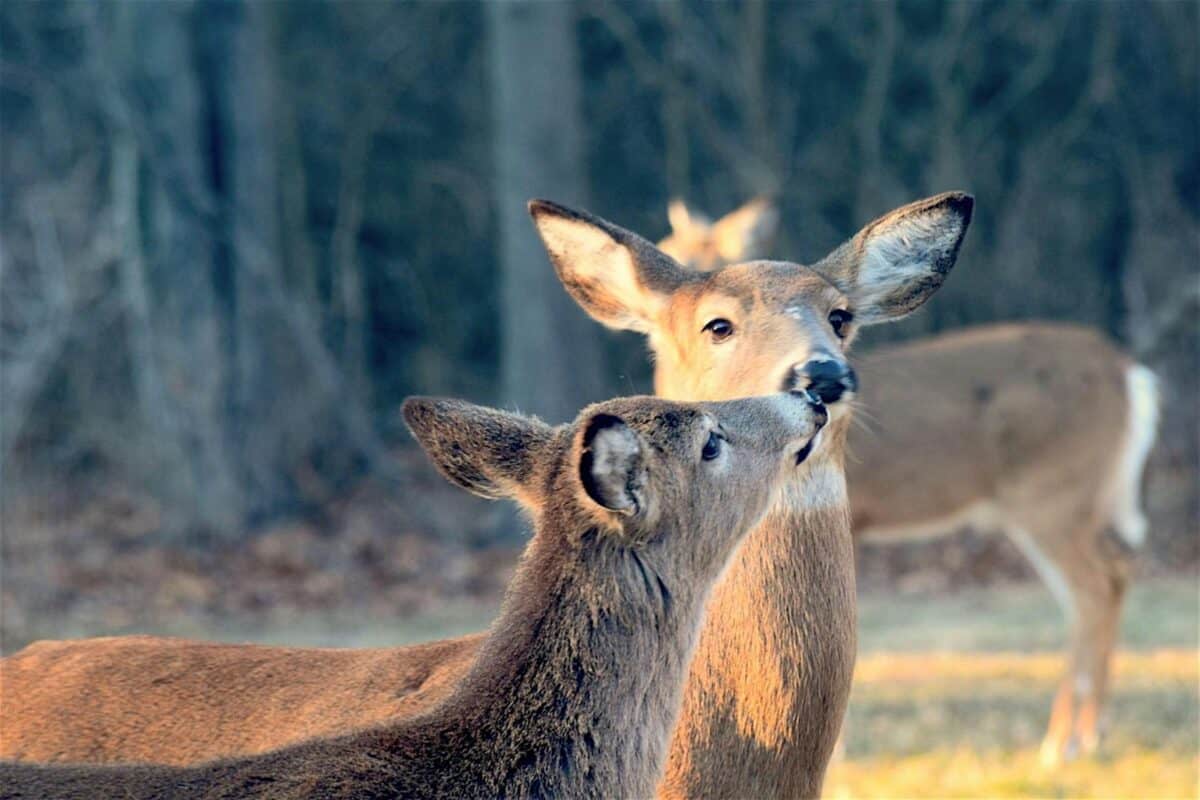
Fawns are not born ready for life without their mothers. They gradually learn essential survival skills over the weeks they spend hidden and on short trips with their mothers. By leaving a fawn alone, you’re giving it the best chance to grow and learn naturally in its environment.
The Role of Community Awareness

Raising awareness in your community about the presence and behavior of fawns can help ensure their protection. Inform neighbors and local residents about best practices if they encounter wildlife in their yards, promoting harmonious coexistence.
Long-Term Conservation Efforts

Conserving deer populations requires more than individual acts of kindness; it involves supporting broader wildlife protection initiatives. Engage with local conservation groups, participate in habitat restoration projects, and promote sustainable land-use practices to protect these enchanting creatures.
Educational Opportunities

Seeing a fawn in your yard can ignite curiosity and provide a meaningful opportunity to learn and educate. Research about deer habits and ecosystems can enrich personal knowledge and enhance appreciation for nature’s delicate balance.
Conclusion: Respecting Nature’s Balance

The sight of a lone fawn might tug at your heartstrings, but the best course of action is often to keep your distance and let nature take its course. By understanding deer behaviors and recognizing when intervention is truly needed, you can contribute to wildlife preservation efforts. Respecting and observing wildlife from afar ensures the continuation of these magical moments for future generations.

- The Secret Language of Dolphins Decoded by Researchers - July 20, 2026
- 7 Animals That Can Survive Extreme Environments You Couldn’t - July 20, 2026
- The Longest Snake Ever Found in the U.S. - July 20, 2026